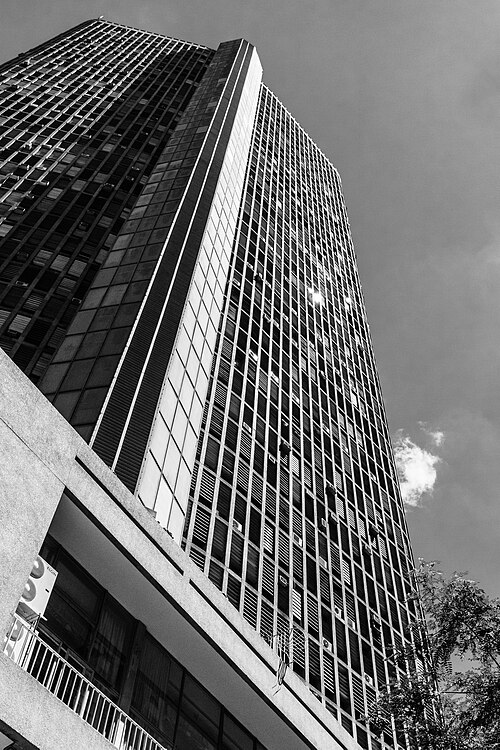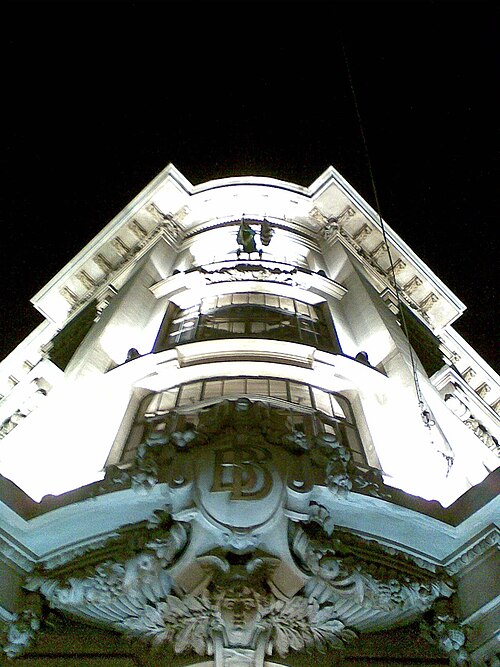
Edifício Altino Arantes
Edifício Altino Arantes is a prominent skyscraper in São Paulo, Brazil. It stands in the city centre and has been a significant part of the skyline since its completion.
- Must see
- Historic monument
- São Paulo
Language · 11 published
Country guide
Brazil is the largest country in South America and the fifth largest on earth, with over 213 million people, 26 states and a Federal District built to hold the capital, Brasília. Its Atlantic coastline runs 7,491 kilometres and it borders every country on the continent except Ecuador and Chile. Most of the Amazon basin is Brazilian, including the world's largest river system and the most extensive virgin tropical forest left standing; the same country also holds wetlands, savanna, plateau and low mountains. São Paulo is the most populous city and Rio de Janeiro the second. The distance between any two of these is the planning problem.
Every city catalogued in this country so far, ranked by how much there is to see.
Photograph · Thomas Hobbs · CC BY-SA 2.0
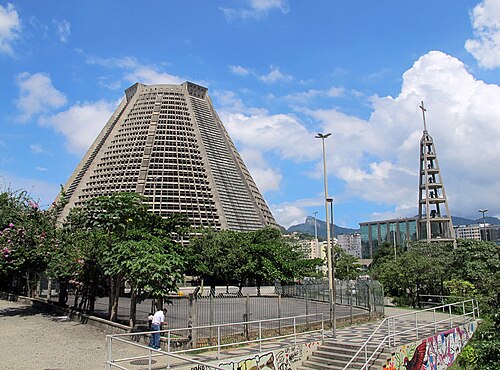
Photograph · Rafael Rabello de Barros · CC BY-SA 3.0
Ranked by importance — sitelinks, pageviews and heritage status, not editor preference.
100 places match
Category
Typical visit duration
Edifício Altino Arantes is a prominent skyscraper in São Paulo, Brazil. It stands in the city centre and has been a significant part of the skyline since its completion.
The Museu Nacional is a museum located in Rio de Janeiro, Brazil. It is situated within the Quinta da Boa Vista park in the São Cristóvão neighbourhood.
Edifício Itália is a prominent skyscraper in São Paulo, Brazil. It stands as one of the city's most recognizable landmarks in the downtown district.
Museu de Arte de São Paulo - Edifício Pietro Maria Bardi
The São Paulo Museum of Art, usually called MASP, is a private not-for-profit museum founded in 1947 by Assis Chateaubriand.
Museu de Arte Contemporânea
The Niterói Contemporary Art Museum, known locally as Museu de Arte Contemporânea, is a prominent art museum located in Niterói, a city across Guanabara Bay from Rio de Janeiro.
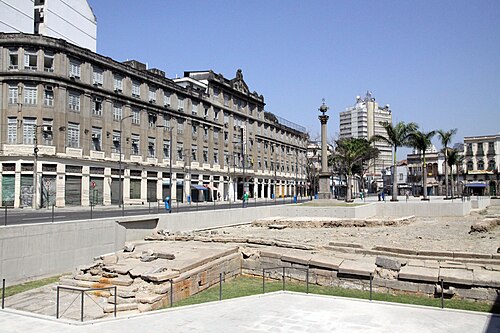
Cais do Valongo
Valongo Wharf, known locally as Cais do Valongo, is a historic archaeological site in Rio de Janeiro's port zone. It served as the main disembarkation point for enslaved Africans arriving in Brazil during the 19th century.
Mirante do Vale is a skyscraper in the historic centre of São Paulo, Brazil. It stands among the tallest buildings in the city and offers a commercial observation deck on its upper floors.
Forte de Copacabana
Obelisco Mausoléu aos Heróis de 32
Teatro Municipal de São Paulo
The Municipal Theatre of São Paulo is the historic centre's principal opera house and a defining Belle Époque landmark. Built during the city's rapid early twentieth-century growth, it represents Brazil's aspiration toward European cultural sophistication.
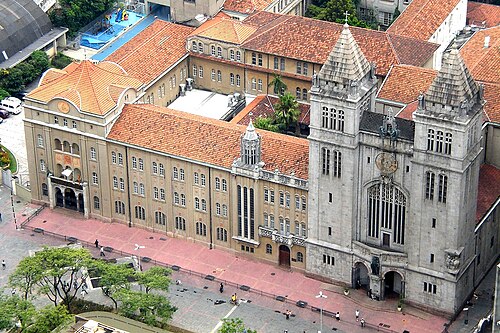
Mosteiro de São Bento
The Monastery of Saint Benedict is a historic Benedictine complex in Sao Paulo's old city center. It anchors one corner of the old-city triangle, a zone of significant historical concentration.
Monumento Nacional aos Mortos da Segunda Guerra Mundial
Monumento à Independência
Memorial da América Latina
The Latin America Memorial is a civic-cultural complex in São Paulo designed by architect Oscar Niemeyer. It was conceived as a space dedicated to Latin American culture, integration, and identity.
Palácio do Catete
Palácio Tiradentes
Ponte Estaiada
Palácio Laranjeiras
Edifício Matarazzo
Shopping Light
Igreja do Carmo
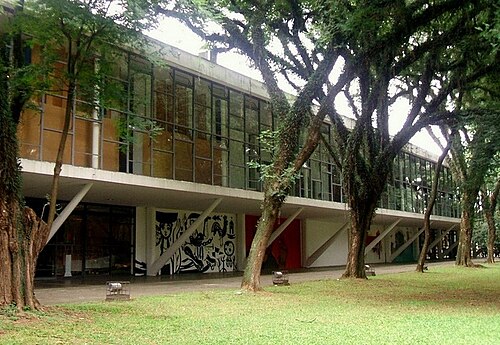
Pavilhão Bienal - São Paulo
Edifício A Noite
Fazenda Imperial de Santa Cruz
Monumento a Ramos de Azevedo
Ponte Pênsil
Secretaria da Educação do Estado de São Paulo
Nossa Senhora da Conceição da Santa Ifigênia
Instituto Bardi
Teleférico do Pão de Açúcar
Sugarloaf Cable Car is the aerial route through Parque Bondinho Pão de Açúcar, connecting the ground station at Praia Vermelha with Morro da Urca and Sugarloaf Mountain.
Museu Carmem Miranda
Museu Afro-Brasil
The Afro Brazil Emanoel Araujo Museum is a separately entered institution located within Ibirapuera Park in Sao Paulo. The museum is dedicated to preserving and showcasing Afro-Brazilian culture, history, and artistic production.
Museu de Arte Moderna (MAM)
The Museum of Modern Art Rio, locally Museu de Arte Moderna do Rio de Janeiro, is a modernist museum and gardens forming a major arts complex beside Flamengo Park.
Edifício Banco de São Paulo
Monumento a Duque de Caxias
Edifício Sampaio Moreira
Convento São Francisco
Centro Cultural Banco do Brasil São Paulo
The Centro Cultural Banco do Brasil São Paulo (CCBB SP) is a major cultural institution operated by Banco do Brasil, one of Brazil's largest public banks.
Catedral de São Sebastião
The Metropolitan Cathedral of Saint Sebastian, known locally as Catedral Metropolitana de São Sebastião, is a Roman Catholic cathedral in Rio de Janeiro.
Igreja de Nossa Senhora do Monte do Carmo
Museu do Indio
Mercado Municipal da Lapa
Igreja São Gonçalo
Praça Floriano Peixoto
GRES Estação Primeira de Mangueira
Antigo Convento de Nossa Senhora do Carmo
Capela dos Aflitos
Museu da Limpeza Urbana
Borba Gato
Memorial dos Pretos Novos
Mosteiro Nossa Senhora da Imaculada Conceição da Luz
Igreja de São Francisco da Prainha
Sítio Morrinhos
Ponte dos Jesuítas
Aos Herois de Laguna e Dourados
Funicular da Serra do Mar
Obelisco do Piques
Casa do Sertanista
Palácio dos Bandeirantes
Museu da Polícia Civil
Museu Casa Guilherme de Almeida
Museu de Santo André Doutor Octaviano Armando Gaiarsa
Paróquia Nossa Senhora da Consolação
Yup Star
Casa do Bandeirante
Catedral Presbiteriana do Rio de Janeiro
Passarela Cultural
Igreja e Convento de Santo Antônio
Navio-Museu Bauru
Fábrica Abandonada de Cimento Portland
Escola Estadual Capistrano de Abreu
XSports
Source: OpenStreetMap contributors, Wikidata ·
Brazil’s scale makes 10–16 days appropriate for one region rather than a national circuit. Build around a single gateway such as Rio de Janeiro or São Paulo, then add one coherent coastal, nature or cultural extension.
Visa information is maintained by Brazil’s Ministry of Foreign Affairs through its consular portal. Eligibility depends on nationality and visit purpose; use the ministry’s current table instead of relying on a past visa waiver.
São Paulo and Rio de Janeiro handle major international and domestic connections. Flights bridge the country’s long distances, coaches cover many regional corridors, and national passenger rail is not a general substitute for either.
Brazil has no single best month because Amazon, northeast-coast, Pantanal and southern conditions differ. April–June and August–October are broad shoulder periods, but the chosen region’s rainfall and access cycle should decide the dates.
The Brazilian real (BRL) is the unit used for prices. This guide does not record current bank fees or acceptance patterns; check the displayed total and conversion currency before authorising a card or cash transaction.
Brazil separates emergency services: 190 police, 192 ambulance and 193 fire. Type N sockets operate at either 127 or 220 V depending on location, and national tap-water suitability is Not recorded.