


174 min walk
Solo Sagrado de Guarapiranga
- Must see
- Place of worship
Language · 11 published
Historic monument · São Paulo
Cratera de Colônia

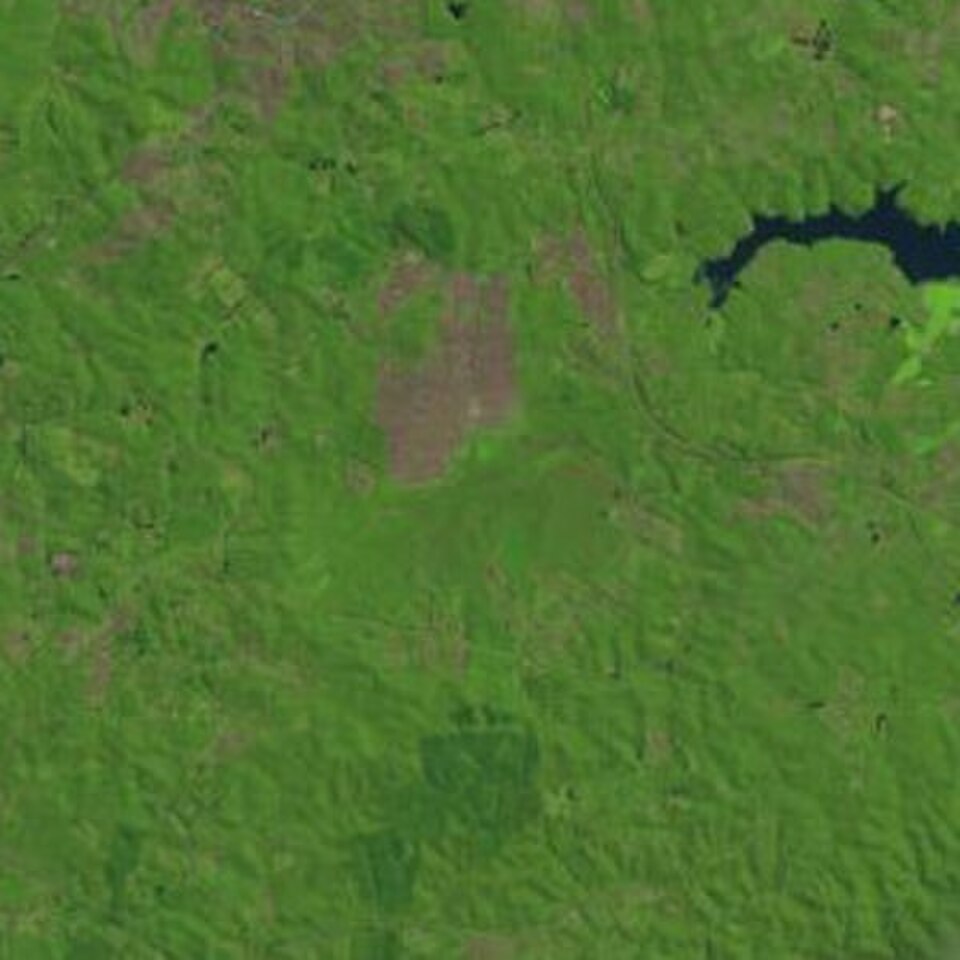
Colônia Crater, known locally as Cratera de Colônia, is a large meteorite-impact structure situated in the Parelheiros district of São Paulo, Brazil. It ranks as a protected geosite of significant geological interest. The crater formed from an ancient meteorite impact and represents one of the notable natural landmarks within the sprawling metropolitan area of São Paulo. Its protected status acknowledges both scientific value and conservation importance for future study and public appreciation of Brazil's geological heritage.
Checked 2026-08-26
The site comprises the preserved meteorite-impact structure itself, with characteristic geological formations resulting from the ancient collision. As a protected geosite, the area maintains natural features associated with impact craters, including disturbed rock layers and terrain morphology. Vegetation has grown over the structure across millennia since formation. The surrounding Parelheiros district contains additional green areas and water systems. No visitor center, museum, or built infrastructure details are recorded. The primary attraction remains the geological formation and its scientific significance rather than constructed amenities or interpretive displays.
Checked 2026-08-26
Duration of visit depends on individual interest in geological features and walking pace around the crater area. Visitors typically allocate between one and three hours for exploration and observation of the impact structure. Those with specialized geological knowledge may spend additional time examining rock formations and terrain characteristics. No guided tour durations or recommended visit lengths from official sources are recorded. The site lacks developed trails with specified lengths or timed itineraries. Visitors should plan according to personal pace, weather conditions, and daylight availability for safe return from this natural area.
Checked 2026-08-26
São Paulo experiences subtropical climate with warm summers and mild winters. Dry season from April to September generally offers more comfortable conditions for outdoor geological exploration. Rainy season from October to March may create muddy conditions and reduced visibility. Operator-confirmed hours are Not recorded pending review. No official opening times, seasonal closures, or scheduled maintenance periods are documented. Visitors should verify accessibility before traveling, as protected geosites may have restricted access or require advance permission. Daylight hours provide safest conditions for visiting this undeveloped natural site without established lighting or night infrastructure.
Checked 2026-08-26
No admission pricing structure is documented for Colônia Crater. As a protected geosite, access arrangements remain unclear from available sources. Operator-confirmed prices are Not recorded pending review. The site may operate without entry fees, require permits for scientific access, or fall under municipal conservation regulations with variable visitor policies. No payment methods, advance booking systems, or group rate information exists. Visitors should not assume free entry and must verify current access requirements through official São Paulo municipal channels or environmental agencies before attempting to visit this protected geological area.
Checked 2026-08-26

Colônia Crater lies in Parelheiros, a southern district of São Paulo distant from the central business areas. Public transportation reaches Parelheiros via bus lines from various city points, though specific routes to the crater itself are not documented. Private vehicle access requires navigation through southern São Paulo's road network. The final approach likely involves unpaved or rural roads given the site's natural protected status. No designated parking facilities, shuttle services, or marked trailheads are recorded. Visitors should research detailed local directions and consider that remote geosites often present navigation challenges without official signage.
Checked 2026-08-26
Visitors must exercise caution at this undeveloped natural site. No emergency services, communication coverage, or visitor facilities are confirmed present. Weather conditions change rapidly; rain creates hazardous terrain on unpaved access routes. Wildlife encounters possible in preserved natural areas. The crater's geological features may include unstable slopes or hidden drop-offs without safety barriers. No drinking water sources or sanitation facilities documented. Inform others of travel plans and estimated return. Carry sufficient water, provisions, and first aid supplies. Cell phone coverage may be unreliable in this southern district location distant from urban infrastructure centers.
Checked 2026-08-26

The crater structure offers geological photography opportunities including terrain morphology and vegetation patterns across the impact site. Aerial or elevated perspectives may better reveal the full circular formation. Natural lighting conditions vary throughout day with morning and late afternoon potentially providing optimal contrast for landscape features. No photography restrictions are documented, though protected status suggests responsible behavior avoiding damage to sensitive geological surfaces. Tripods and specialized equipment transportable by foot only. No designated viewpoints or marked positions exist. Drone usage subject to Brazilian aviation regulations and protected area policies not specified in available sources.
Checked 2026-08-26
Public access status is not clearly documented. As a protected geosite, restrictions may apply. Visitors must verify current access policy through official São Paulo municipal or environmental channels before traveling.
Specific measurements including diameter and depth are not recorded in the supplied source material. Scientific literature may contain technical specifications not available in general reference sources.
No tour operators, scheduled guided visits, or interpretive programs are documented. The site appears undeveloped for tourism infrastructure. Self-directed exploration may be possible where access is permitted.
Formation age is not specified in available sources. Geological dating of impact structures requires specialized scientific analysis. Technical publications may contain chronological estimates not present in general references.
The impact structure's visibility depends on vegetation cover, erosion, and observer position. Large craters often appear as subtle terrain features rather than dramatic depressions when viewed from ground level. Elevated perspectives may improve recognition.
Buses serve the Parelheiros district from central São Paulo, though specific routes terminating near the crater site are not documented. Final access likely requires walking or private vehicle on unpaved roads. Detailed local transit information should be verified before departure.
Loading the interactive map…
The interactive map could not be loaded.

Last updated:
Source: OpenStreetMap contributors, Wikidata ·