


.jpg)


139 min walk
Salesian College
- Notable
- Place of worship
Language · 11 published
Nature site · Melbourne
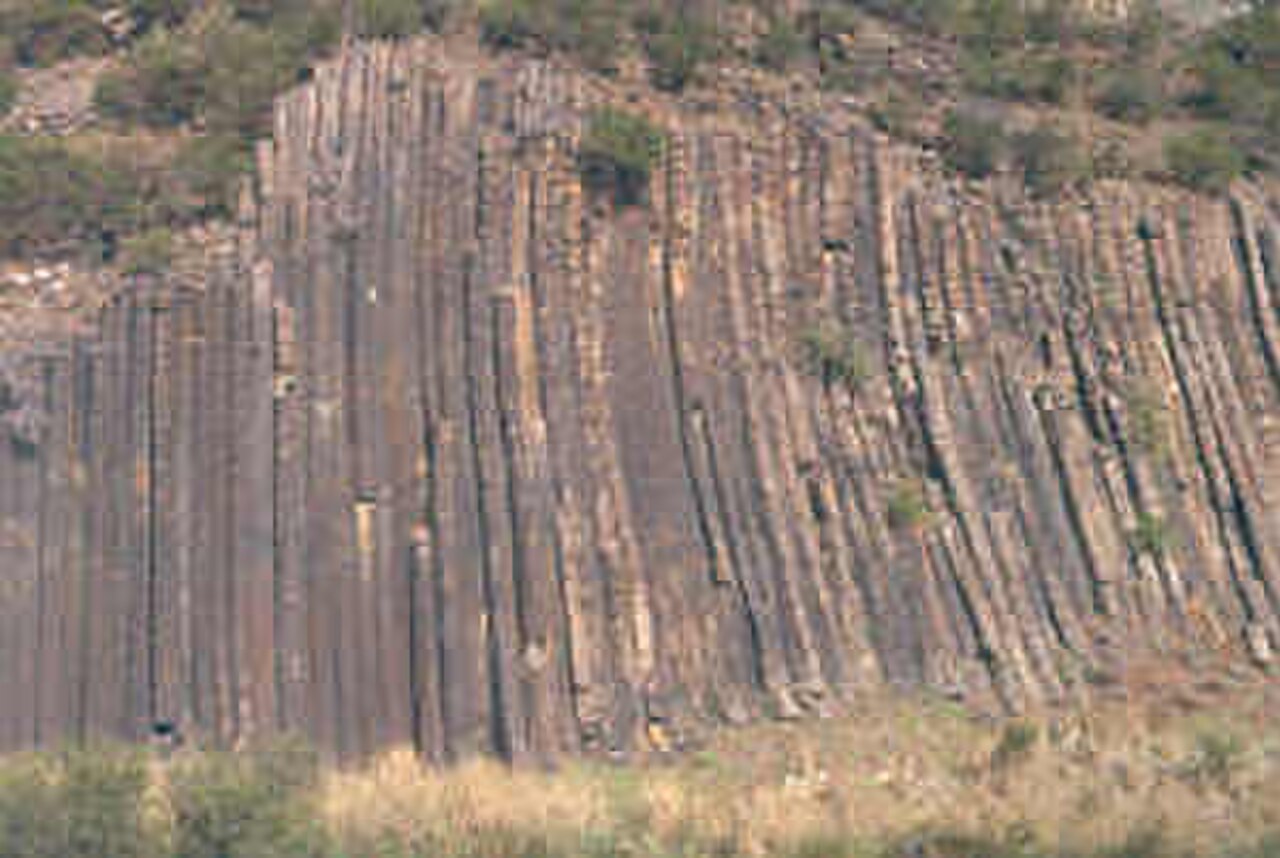
Organ Pipes National Park is a protected natural area in Melbourne’s north-west, centred on a striking formation of basalt columns beside Jacksons Creek. Ancient volcanic activity shaped the dark, closely packed pillars that give the park its name. The park combines geological interest, bushland and a compact riverside setting, making it a distinctive outdoor stop close to Australia’s second-largest city. Organ Pipes National Park is a protected area in Melbourne's north-west, established around a striking geological formation of basalt columns. These hexagonal rock formations, created by ancient volcanic activity, resemble organ pipes and give the park its name. The site lies within the traditional lands of the Wurundjeri people. It offers visitors a rare opportunity to observe volcanic geology within easy reach of an Australian capital city, combining natural heritage significance with accessible outdoor recreation in a compact riverside setting. Visitors should verify current arrangements with Parks Victoria before visiting.
Checked 2026-08-26 · Source
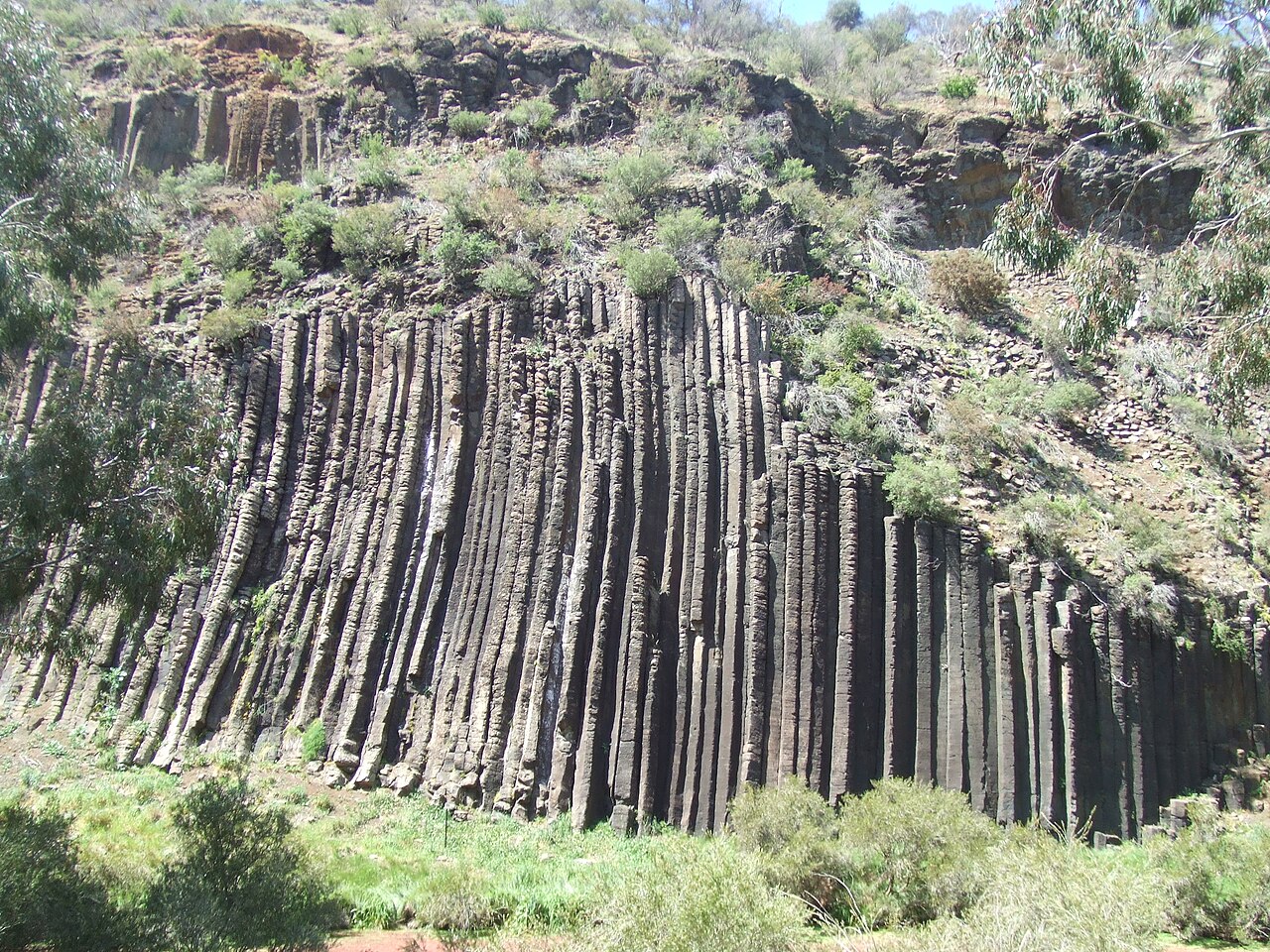
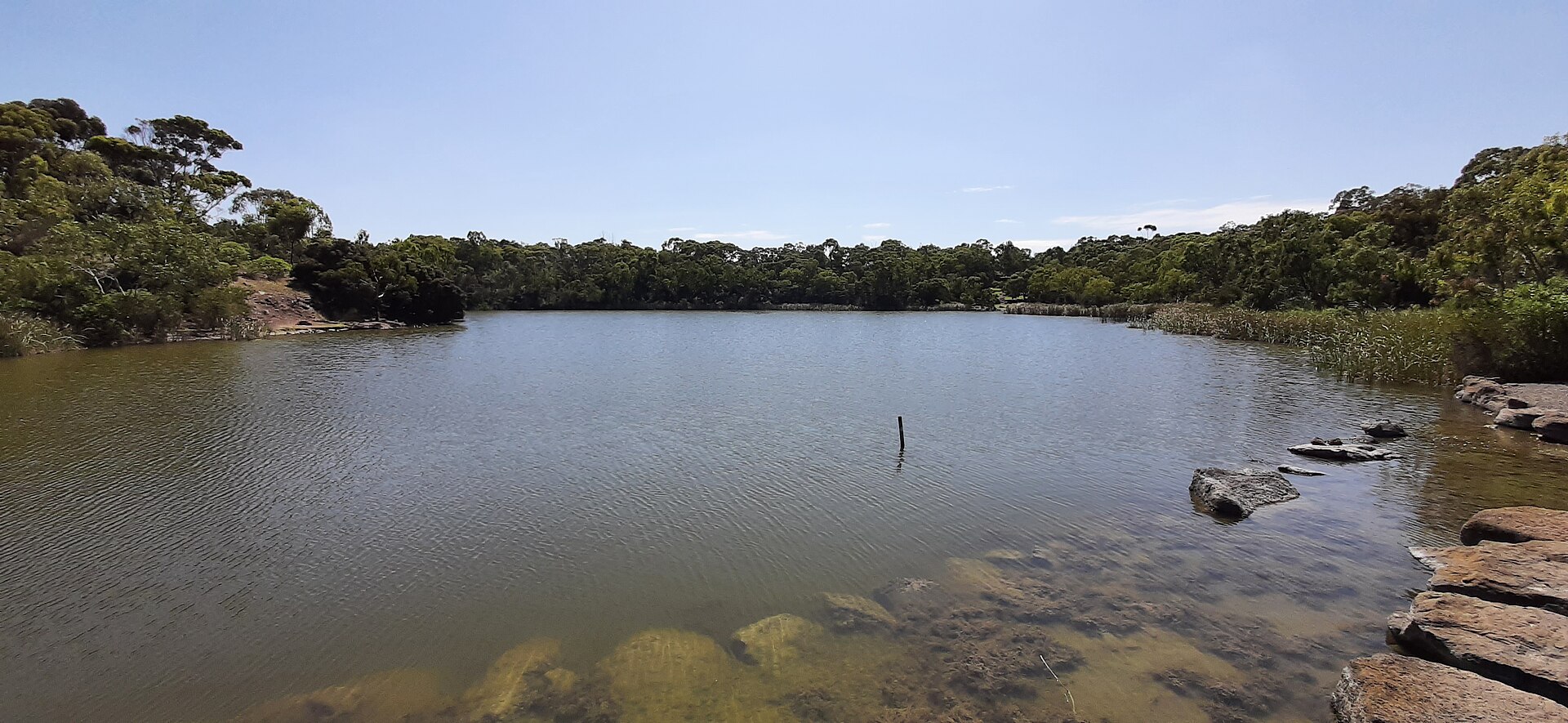
The main attraction is the Organ Pipes formation, a cliff of basalt columns rising beside Jacksons Creek. The park also includes Rosette Rock, where the columns form a radial pattern, and the Tessellated Pavement, a weathered rock surface marked by geometric cracking. Walking tracks connect these geological features with the creek corridor and its riparian vegetation, keeping the visit focused on landscape rather than buildings. The park's central feature is the Organ Pipes formation itself, a dramatic cliff of basalt columns rising beside Jacksons Creek. Additional geological attractions include Rosette Rock, a radial array of basalt columns, and the Tessellated Pavement, a weathered rock surface showing characteristic cracking patterns. The creek corridor supports riparian vegetation. Walking tracks provide access to these features. The park contains no built visitor centre or extensive facilities, maintaining a natural, undeveloped character focused on the geological phenomena and surrounding bushland environment.
Checked 2026-08-26 · Source
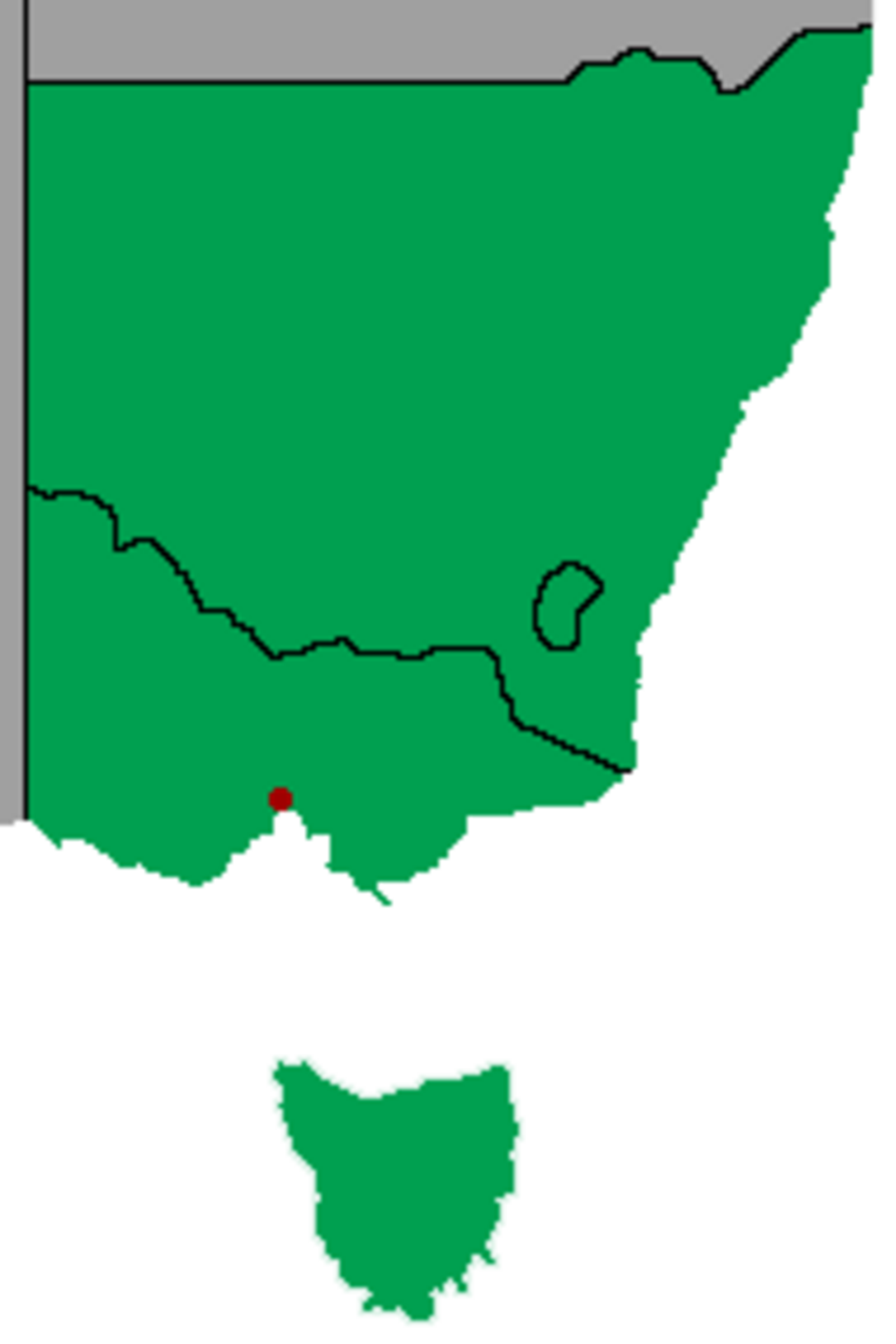
Allow two to three hours for a satisfying visit. That gives enough time to follow the main track to the Organ Pipes, continue to Rosette Rock and the Tessellated Pavement, and pause beside Jacksons Creek. The site is compact, so travellers can experience its principal geological features without committing to a full-day hike. Photographers may want extra time for changing light. A visit to Organ Pipes National Park typically requires two to three hours for a satisfying experience. This allows time to walk the main track to the Organ Pipes formation, examine Rosette Rock and the Tessellated Pavement, and appreciate the creek environment. Photography enthusiasts may wish to extend their stay to capture the columns in varying light conditions.
Checked 2026-08-26 · Source

Choose a dry period when rocky paths and creek-side surfaces are easier to walk. Light changes the appearance of the basalt: low sun can emphasise the columns’ texture, while brighter conditions reveal the formations’ regular geometry. After rain, the creek environment and exposed rocks demand more care. Daylight suits the outdoor setting and leaves time to walk between the principal viewpoints.
Checked 2026-08-26 · Source
Organ Pipes National Park is a public national park whose visit is centred on outdoor walking, geological formations and the Jacksons Creek landscape. The practical experience is the park itself rather than a ticketed gallery or indoor attraction. Plan the stop around the tracks and natural viewpoints, with enough daylight for the route to the Organ Pipes, Rosette Rock and Tessellated Pavement.
Checked 2026-08-26 · Source

The park lies near Keilor North in Melbourne’s north-west, beside the Calder Freeway corridor. A private vehicle is the straightforward way to reach the entrance and nearby parking. The site is outside the central sightseeing grid, so combine it with other western Melbourne plans or treat it as a dedicated half-day excursion. Once inside, the principal geological sights are reached on foot.
Checked 2026-08-26 · Source
Wear sturdy shoes for uneven, rocky ground around the formations and creek. Basalt surfaces can become slippery when wet, and water conditions may change after rainfall. Carry drinking water for the walk because the valley setting is natural and undeveloped. Keep children close near rocks and the creek, and concentrate on footing when moving between viewpoints or taking photographs.
Checked 2026-08-26 · Source
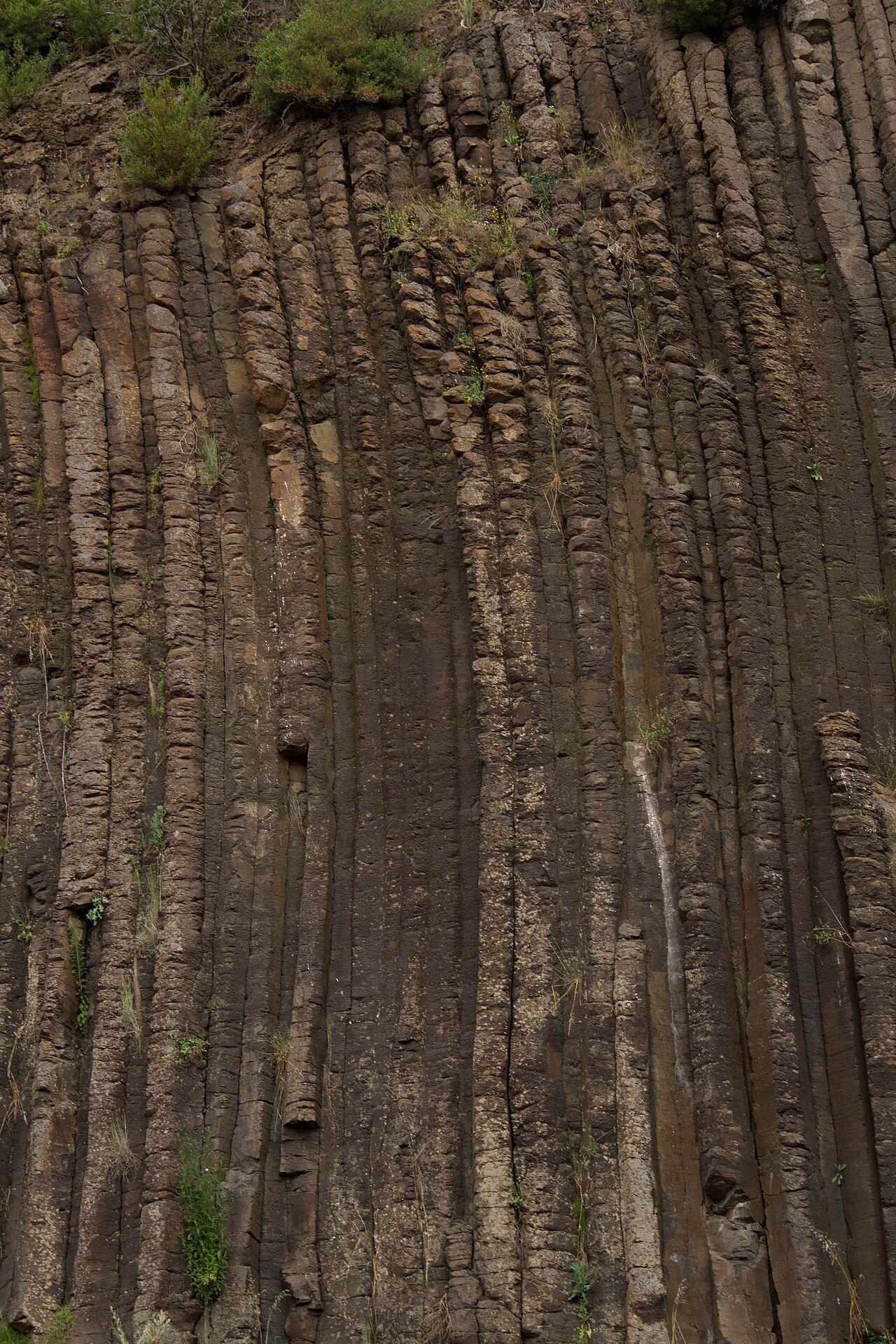
The basalt columns reward both wide landscape views and close studies of their repeated shapes. Side-light brings out the vertical texture of the Organ Pipes, while the Tessellated Pavement offers strong abstract patterns. Rosette Rock provides a different composition because its columns radiate outward. Use care on uneven ground, especially when framing the creek or stepping closer to the rock faces.
Checked 2026-08-26 · Source
The main attraction is a cliff of basalt columns beside Jacksons Creek. Their regular vertical forms resemble the pipes of a musical organ and define the park’s name.
Rosette Rock displays a radial arrangement of basalt columns, while the Tessellated Pavement is a weathered rock surface marked by geometric cracking patterns.
Two to three hours covers the main track, the Organ Pipes formation, Rosette Rock, the Tessellated Pavement and time beside Jacksons Creek.
Organ Pipes National Park is in Melbourne’s north-west near Keilor North, beside the Calder Freeway corridor and Jacksons Creek.
Sturdy footwear is suitable because paths around the basalt formations and creek include uneven, rocky surfaces that can become slippery when wet.
Yes. The Organ Pipes, Rosette Rock and Tessellated Pavement offer contrasting subjects, from repeated vertical columns to radial forms and geometric rock patterns.
Loading the interactive map…
The interactive map could not be loaded.

Last updated:
Source: OpenStreetMap contributors, Wikidata ·