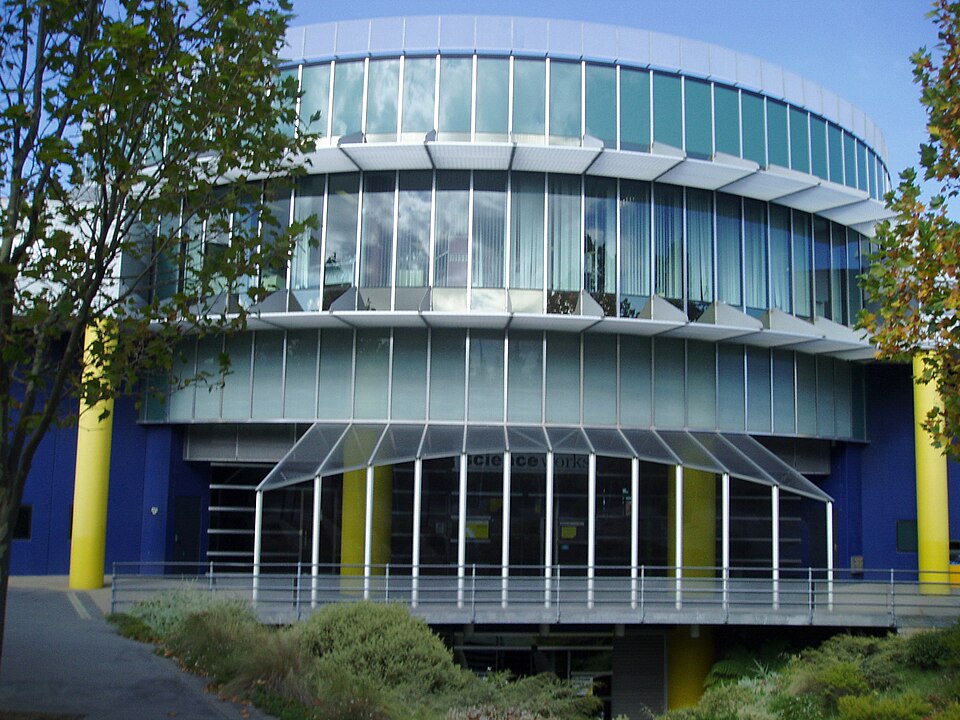
26 min walk
Scienceworks
- Must see
- Museum
Language · 11 published
Nature site · Melbourne
Newport Lakes Reserve is a public park and nature reserve in the inner-western Melbourne suburb of Newport. The site occupies a former bluestone quarry that operated from the mid-1800s until 1978. After quarrying ceased, the pits naturally filled with water, creating lakes that became habitat for native fauna. The reserve now functions as a recreational and conservation area within an industrial-urban context. It is managed as public open space and attracts visitors seeking natural scenery close to central Melbourne. The transformation from industrial extraction site to ecological reserve represents a notable example of post-industrial land rehabilitation in the metropolitan area.
Checked 2026-08-26
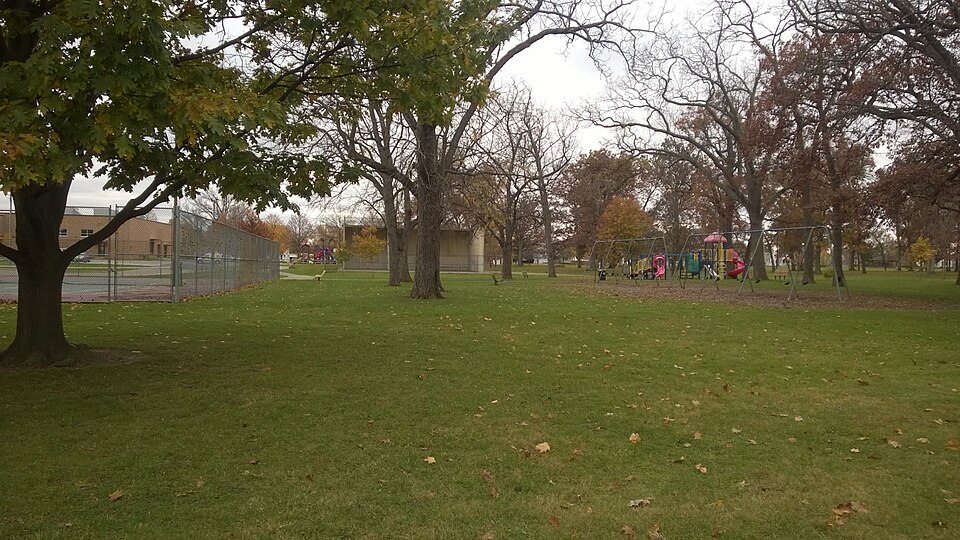
The reserve contains two main lakes formed in former quarry pits, surrounded by revegetated bushland and walking tracks. Native plantings have established around the water bodies, creating habitat for birds and other wildlife. Walking paths circumnavigate and connect the lakes, allowing visitors to explore the terrain. The landscape retains visible evidence of its quarrying history in the steep rock faces and pit formations. Seating areas and informal viewpoints are present. The surrounding area includes residential streets and industrial zones. No visitor centre, café, or commercial facilities are recorded within the reserve boundaries based on available information.
Checked 2026-08-26
A complete circuit of both lakes and surrounding tracks typically requires between forty-five minutes and ninety minutes of walking, depending on pace and stops for observation. Visitors interested in birdwatching or photography may extend their stay significantly. The compact nature of the reserve means that a brief visit of twenty to thirty minutes is feasible for those with limited time. No guided tours or structured activities are recorded. The reserve suits casual walkers, local residents exercising, and visitors seeking a short nature experience without travelling to larger regional parks outside the metropolitan boundary.
Checked 2026-08-26
The reserve is outdoor public space accessible during daylight hours. Seasonal variations affect visitor experience, with spring and autumn generally offering comfortable temperatures for walking. Summer visits may be preferable in morning or evening periods to avoid peak heat. Winter can bring muddy conditions on unpaved surfaces after rain. Bird activity varies seasonally, with dawn and dusk typically offering greatest wildlife observation opportunities. Operator-confirmed hours are Not recorded pending review. Visitors should verify current access conditions through official channels before travelling, as temporary restrictions may apply for maintenance, safety, or conservation management purposes without advance public notification.
Checked 2026-08-26
Newport Lakes Reserve is public open space with no recorded entry fee or ticketing requirement. Visitor access appears free at time of documentation. No parking fees, activity charges, or facility usage costs are indicated in available sources. Operator-confirmed prices are Not recorded pending review. Visitors should not assume payment infrastructure is absent; carry appropriate means for any unforeseen charges. Commercial operators or event organisers may occasionally conduct paid activities within or adjacent to the reserve without centralised notification. Independent verification of current financial arrangements is advisable before visiting, particularly for group visits or planned events requiring certainty about access costs.
Checked 2026-08-26
The reserve is located in Newport, approximately eight kilometres southwest of Melbourne's central business district. Public transport access is available via Newport railway station on the Werribee and Williamstown lines, followed by walking. Bus routes serve surrounding streets. Vehicle access is via residential streets with limited parking availability. Cyclists can reach the reserve via local road networks and shared paths. The exact entrance points and optimal access routes are not precisely documented in available sources. Visitors should consult current mapping services or local signage upon arrival. The industrial and residential surroundings require attention to navigation, particularly for first-time visitors unfamiliar with the area's street layout.
Checked 2026-08-26
Steep and uneven terrain from former quarrying presents trip and fall hazards, particularly near lake edges and rock faces. Water bodies have unpredictable depths and no recorded swimming safety infrastructure; entering the water is inadvisable. Limited shade in some areas increases sun exposure risk during warm weather. Mobile telephone coverage may be variable in the depression formed by the quarry pits. No emergency call points are recorded. Wildlife encounters require appropriate distance maintenance. After rain, paths may become slippery or waterlogged. The reserve's urban location means visitors should exercise standard personal security awareness. No ranger or permanent staff presence is indicated.
Checked 2026-08-26
The reserve offers photographic subjects including water reflections, revegetated quarry landscapes, birdlife, and industrial-urban juxtaposition. Early morning and late afternoon light enhances the water surfaces and rock textures. A tripod may assist with low-light and wildlife photography. The steep terrain provides elevated viewpoints across the lakes. No photography permits or restrictions are recorded, though commercial photography may require separate authorisation from the managing authority. Drone operation would require compliance with Civil Aviation Safety Authority regulations and likely additional land manager approval. Weather conditions significantly affect image quality due to the exposed water surfaces and limited overhead cover in central areas of the reserve.
Checked 2026-08-26
The reserve contains steep terrain and unfenced water bodies that present hazards for unsupervised children. Flat walking paths suit family strolls, but close supervision is essential near lake edges and rock faces.
Dog regulations are not recorded in available sources. Visitors should observe any on-site signage regarding domestic animals and comply with standard municipal requirements for leashing and waste removal.
Swimming is not advisable. The lakes occupy former quarry pits with unpredictable depths, submerged hazards, and no recorded lifeguard service or safety infrastructure.
Drinking water facilities are not recorded in available information. Visitors should carry adequate water, particularly during warm weather when limited shade increases hydration requirements.
Public toilet facilities are not recorded in available sources. Visitors should plan accordingly, with the nearest facilities potentially located in surrounding commercial or recreational areas.
Event procedures are not recorded. Organisers should contact the relevant municipal authority to determine permit requirements, capacity limits, and applicable conditions for any planned gathering.
Loading the interactive map…
The interactive map could not be loaded.

Last updated:
Source: OpenStreetMap contributors ·