


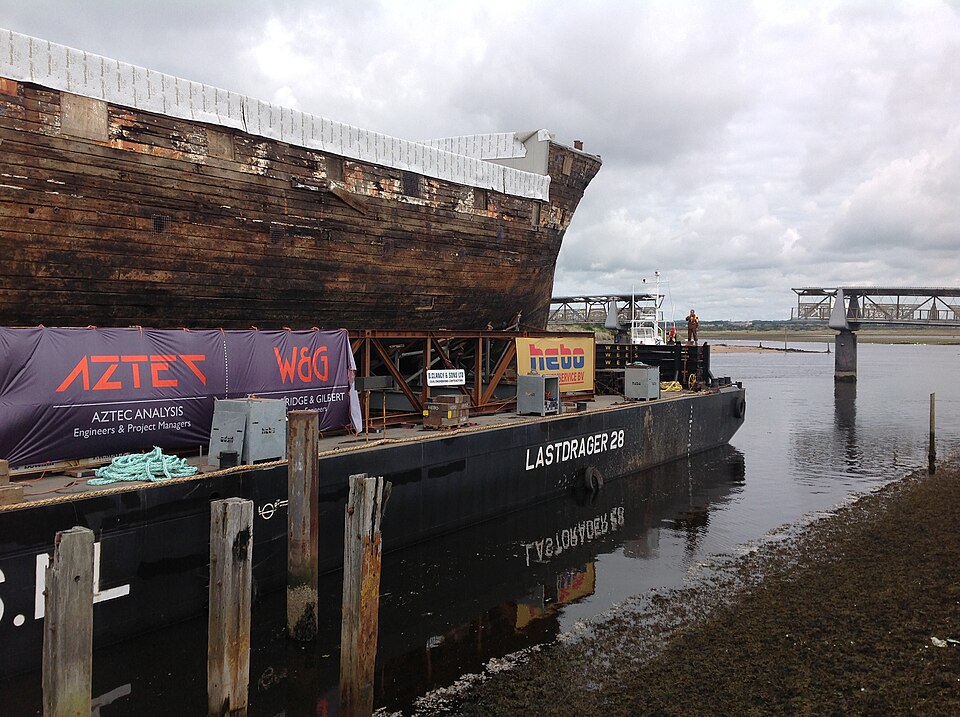
122 min walk
Clipper Ship City of Adelaide
- Must see
- Historic monument
Language · 11 published
Nature site · Adelaide

The Adelaide Dolphin Sanctuary is a protected marine area located in the Port River and Barker Inlet region north of Adelaide's central business district. Established to safeguard a resident population of Indo-Pacific bottlenose dolphins, the sanctuary encompasses mangrove forests, seagrass beds, tidal wetlands, and estuarine waterways. The site represents a rare example of metropolitan cohabitation between humans and wild dolphins, with the animals frequently observed in industrial and recreational waterways near Port Adelaide. Adelaide Dolphin Sanctuary also earns time in a adelaide itinerary because Adelaide Dolphin Sanctuary is included in the curated metropolitan visitor ranking from the shared fact pack. Production has no city POI pool, so no identity or coordinate is inferred. Its value becomes clearer when the stop is compared with the surrounding streets and the other ranked places nearby.
Checked 2026-08-26
The sanctuary contains diverse estuarine habitats including mangrove-lined creeks, mudflats, and shallow tidal channels that support the dolphin population. Visitors may encounter dolphins throughout the waterways, particularly around the Port River. The surrounding area includes the Port Adelaide precinct with its maritime heritage infrastructure. Birdlife frequents the wetland margins. No visitor centre, interpretive displays, or dedicated sanctuary facilities are recorded in the supplied context. The experience centres on unstructured observation of wild animals in their natural environment. A flexible visit lets travellers connect Adelaide Dolphin Sanctuary with the rest of the day without treating one room, viewpoint or photograph as the whole experience. The useful pace depends on personal interest and conditions on arrival.
Checked 2026-08-26

Duration depends entirely on visitor objectives and dolphin presence. Casual observation from riverbank vantage points may occupy thirty minutes to one hour. Those undertaking kayaking or boating excursions through sanctuary waters typically allow two to four hours. Dolphin sightings cannot be guaranteed; wild animals follow their own patterns. Visitors seeking reliable encounters should plan flexible itineraries and consider multiple visits. The surrounding Port Adelaide area offers supplementary maritime attractions that can extend a half-day excursion into a fuller regional exploration.
Checked 2026-08-26
Dolphins inhabit the sanctuary year-round, though seasonal patterns and daily activity vary unpredictably. Weather conditions affect water clarity and comfort for on-water activities. Operator-confirmed hours are Not recorded pending review. The South Australian summer months offer more favourable conditions for extended outdoor observation, while winter visits may encounter reduced tourist congestion. Tide states influence dolphin movement patterns and accessibility of certain waterways. Visitors should consult current local conditions and any available official guidance before finalising travel plans.
Checked 2026-08-26

The Adelaide Dolphin Sanctuary is a public marine protected area without gated entry. No admission fee applies to riverbank observation. Commercial tour operators may offer paid kayaking, boating, or guided experiences with independent pricing structures. Operator-confirmed prices are Not recorded pending review. Visitors should verify current costs directly with any chosen provider. Equipment hire for self-guided water access, where available, would involve separate commercial arrangements. No concession categories or family rates are documented in the supplied context.
Checked 2026-08-26

The sanctuary lies approximately fourteen kilometres northwest of Adelaide's city centre, accessible via road to the Port Adelaide area. Public transport options include train services to Port Adelaide station with subsequent walking or local connection. Cycling routes connect to the precinct. Water access requires personal watercraft, commercial tour participation, or hire arrangements. Specific parking provisions, bus numbers, or walking distances from transport nodes are not recorded. Visitors should consult current transport timetables and local signage for precise navigation to preferred observation points.
Checked 2026-08-26
Wild dolphin interaction carries inherent unpredictability and ethical obligations. Approaching, feeding, or attempting to touch dolphins is prohibited and harmful. Watercraft must maintain respectful distances to avoid disturbance or injury. Tidal conditions create navigational hazards for inexperienced water users. Industrial shipping traffic shares some waterways requiring vigilance. Weather exposure demands appropriate sun protection and hydration. Mosquitoes populate mangrove margins. Visitors should observe all signage, respect private property boundaries adjacent to waterways, and report any distressed wildlife to appropriate authorities rather than intervening directly.
Checked 2026-08-26
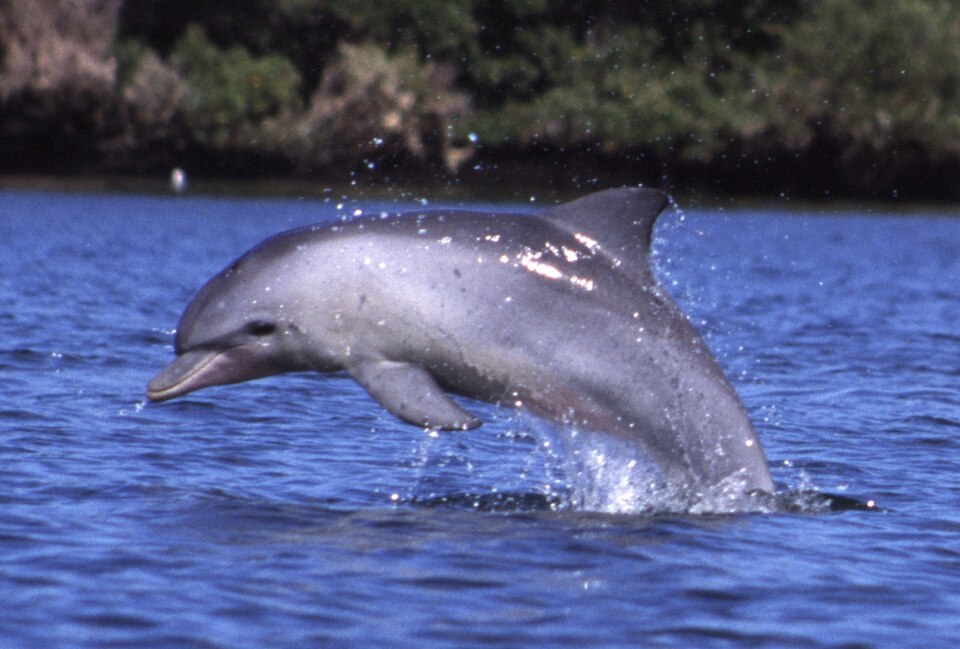
Dolphin photography presents significant challenges due to unpredictable surfacing patterns, water glare, and distance from vantage points. Telephoto lenses assist from shore-based positions. On-water photographers require waterproof equipment protection and secure handling in small craft. Early morning and late afternoon light reduces harsh contrast but may coincide with reduced dolphin activity. Patience proves essential; rapid motor drives increase capture probability during brief surface intervals. Drone operation would require compliance with aviation regulations and wildlife disturbance protocols. No specific photography restrictions are recorded in the supplied context.
Checked 2026-08-26
No. These are wild animals in a natural environment. Sightings depend on dolphin location, weather, water conditions, and chance.
Swimming with dolphins is not mentioned in the supplied context. Such activity would raise significant safety and wildlife disturbance concerns. Visitors should follow any official guidance.
Commercial tour operators offer experiences in the area, but specific providers, schedules, and booking methods are not recorded. Visitors should research current options independently.
Shore-based observation is generally suitable. On-water activities depend on operator age policies and conditions. Parental supervision is essential near water and industrial areas.
No dedicated sanctuary facilities are recorded. The nearby Port Adelaide precinct offers services. Visitors should prepare self-sufficiently for unstructured outdoor observation.
Specific pet regulations are not recorded. Given the marine protected area status and wildlife sensitivity, visitors should seek current official guidance before bringing animals.
Loading the interactive map…
The interactive map could not be loaded.


Last updated:
Source: OpenStreetMap contributors ·