


12 min walk
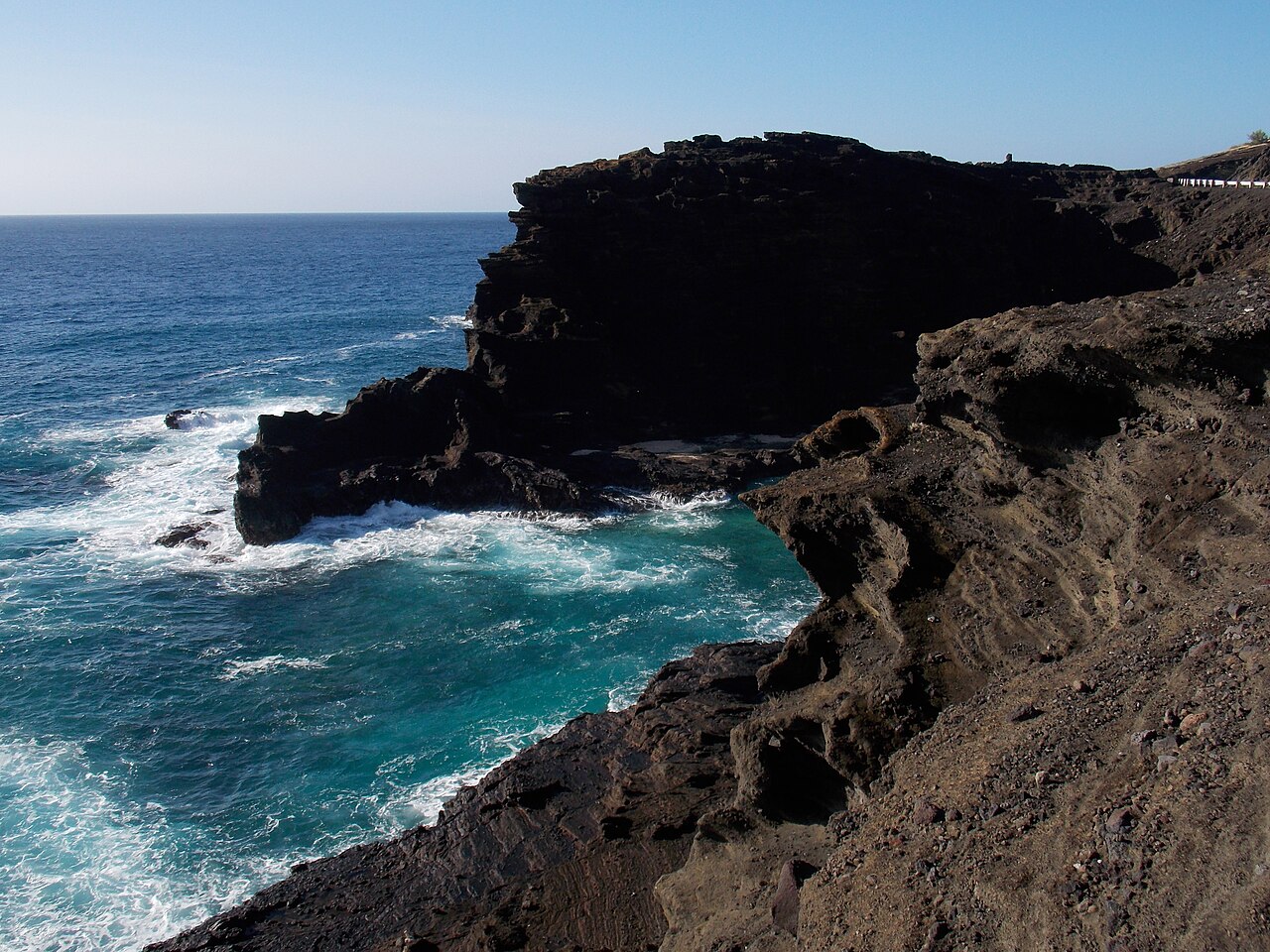
Halona Beach Cove
- Must see
- Historic monument
Language · 11 published
Nature site · Honolulu
Reviewed by Elena Voss · SSMTour Travel Editor

Koko Crater Botanical Garden is a dryland botanical garden inside the basin of an extinct volcanic tuff cone in East Honolulu. It belongs to the Honolulu Botanical Gardens system and combines plant conservation with an unusual geological setting. The crater walls enclose the collections, giving this garden a more distinctive landscape than a conventional flat urban park. Koko Crater Botanical Garden is a dryland botanical garden situated within the interior of Koko Crater on Oahu, Hawaii. It is one of five gardens comprising the Honolulu Botanical Gardens system. The garden occupies the basin of an extinct volcanic tuff cone, creating a distinctive enclosed environment. The crater's interior geography provides natural shelter and modified growing conditions for its specialized plant collections. The site represents a significant conservation and educational resource for xerophytic and arid-adapted flora in the Hawaiian Islands. No. The botanical garden occupies the crater interior basin. The famous Koko Crater stairs trail ascends the crater's outer ridge to a summit viewpoint. These are separate attractions with different access points and experiences.
Checked 2026-08-26 · Source
The garden presents dryland plants from Hawaiʻi and tropical regions around the world. Collections include rare and endangered Hawaiian native plants, African plants, Madagascar plants and dryland palms. Paths lead through thematic plantings across the crater interior, where volcanic ground, changing microclimates and the enclosing slopes shape the experience as much as the specimens do. The garden specializes in dryland plant collections from Hawaii and other tropical regions worldwide. Notable collections include rare and endangered Hawaiian native plants, African plants, Madagascar plants, and dryland palms. The crater interior contains varied microclimates supporting diverse adapted species. Plantings are arranged in thematic groupings across the sloping terrain. The volcanic setting itself constitutes a notable geological feature. Walking paths allow visitor access through the collections. The enclosed crater creates a distinctive visual and environmental experience distinct from typical botanical garden layouts.
Checked 2026-08-26 · Source

Set aside one to two hours for a general walk through the main paths. Visitors interested in botany or photography may stay longer, especially when examining individual collections. The crater’s enclosed layout means that exploring the garden involves walking into the basin and returning through the same overall landscape, with uneven ground and elevation changes affecting pace. Visitor duration varies considerably based on individual interests and physical capacity. The terrain involves uneven surfaces and elevation changes within the crater basin. Casual visitors typically require one to two hours for a general walkthrough of the main paths. Botanically focused visitors or photographers may spend longer examining specific collections. The enclosed nature of the crater means visitors must traverse similar distances for return journeys. Self-paced exploration is the standard visiting mode.
Checked 2026-08-26 · Source
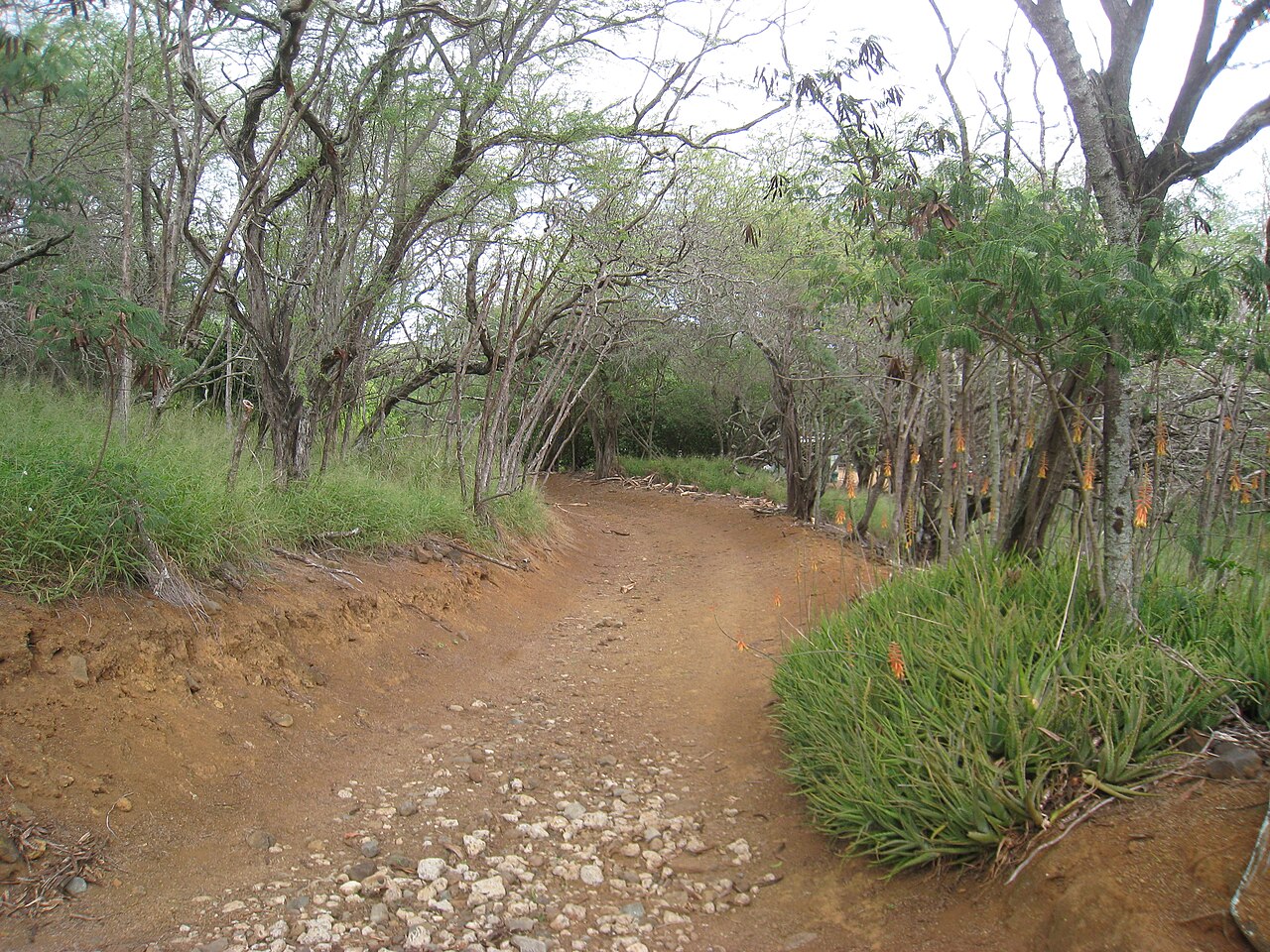
Morning is a comfortable choice for exploring the dryland collections, with softer light and less accumulated heat than later in the day. The crater interior can feel exposed, particularly in the afternoon, so schedule the garden when you are prepared for sun and warmth. The garden also works well as a separate East Honolulu stop alongside the wider Koko Head area.
Checked 2026-08-26 · Source
Koko Crater Botanical Garden is operated within Honolulu’s public botanical-garden network. The visit is centred on walking through the plant collections and experiencing the crater landscape, rather than on a commercial attraction format. Travellers planning a broader Honolulu Botanical Gardens itinerary can treat this garden as a specialised dryland collection with its own setting and character.
Checked 2026-08-26 · Source

The garden is in the Koko Head area of East Honolulu, near Hawaiʻi Kai. The final approach differs from a typical roadside garden because the collections occupy the crater interior. Travellers can reach the area by private vehicle, rideshare or TheBus routes serving East Honolulu. Allow time for the approach and for walking once you arrive near the crater.
Checked 2026-08-26 · Source

This is a dryland garden in volcanic terrain, with limited shade, uneven surfaces and changes in elevation. Bring water, protect yourself from the sun and wear footwear suited to walking paths rather than smooth indoor floors. The crater basin requires an out-and-back style of exploration, so pace yourself and leave enough energy for the return through the collections.
Checked 2026-08-26 · Source

Koko Crater Botanical Garden offers photographs that combine specialised plants with volcanic enclosure. Wide views can show the scale of the crater basin, while close images suit palms, native plants and dryland adaptations. Morning and late-afternoon light emphasise the slopes and textures. Keep to paths, protect the collections and use equipment carefully on uneven ground.
Checked 2026-08-26 · Source
No. The botanical garden occupies the crater’s interior basin, while the famous Koko Crater stairs climb the outer ridge to a summit viewpoint. They are separate experiences.
The collections include rare and endangered Hawaiian native plants, African plants, Madagascar plants, dryland palms and other plants adapted to dry conditions.
The crater has uneven volcanic surfaces, sloping paths and elevation changes, making the garden difficult for many strollers and for visitors who need consistently level ground.
A general visit takes about one to two hours. Botanists and photographers may spend longer exploring the themed collections and crater scenery.
It is in the Koko Head area of East Honolulu, near Hawaiʻi Kai, inside the basin of an extinct volcanic tuff cone.
Water, sun protection and sturdy footwear are useful because the dryland crater interior has limited shade, uneven ground and elevation changes.
Loading the interactive map…
The interactive map could not be loaded.
Last updated:
Source: OpenStreetMap contributors, Wikidata ·