
2 min walk
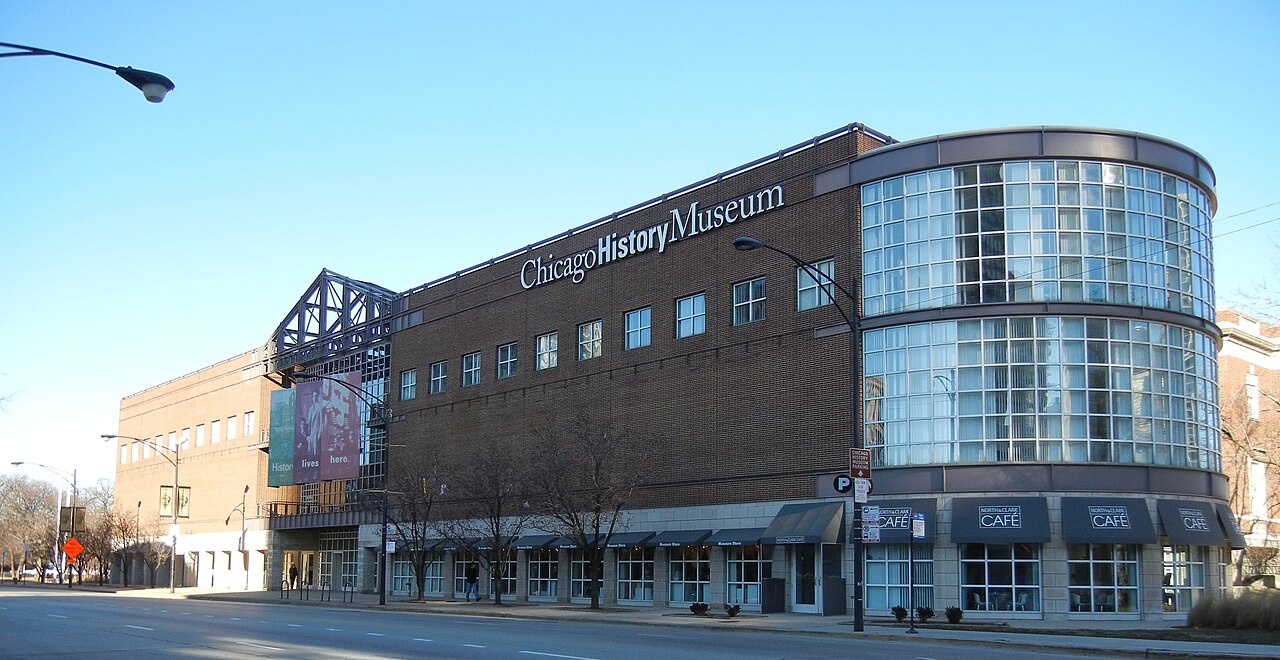
Chicago History Museum
- Must see
- Museum
Language · 11 published
Historic monument · Chicago

Abraham Lincoln: The Man is a celebrated outdoor bronze statue depicting the sixteenth President of the United States. Created by sculptor Augustus Saint-Gaudens, this monumental work stands as a significant piece of American civic art. The sculpture portrays Lincoln in a contemplative standing pose, reflecting his stature during a pivotal era of national history. It is located in Chicago's Grant Park, contributing to the city's notable collection of public monuments and cultural landmarks that draw visitors interested in presidential history and artistic heritage. Abraham Lincoln: The Man is an actual displayed stop in Chicago, and the useful visit depends on the specific setting and conditions found on arrival. Keep the plan flexible and verify current practical details before travel.
Checked 2026-08-26
The statue itself is the central feature, rendered in bronze with remarkable detail characteristic of Saint-Gaudens' masterful technique. Visitors will observe Lincoln depicted in formal attire, with his distinctive physical presence captured through careful anatomical study. The monument includes its granite pedestal and surrounding landscaped area within Grant Park. There are no enclosed structures, exhibition halls, or additional interpretive installations directly associated with this specific sculpture. The artistic composition emphasizes Lincoln's solemn dignity and the gravity of his historical role during the American Civil War period.
Checked 2026-08-26
A visit to this outdoor monument typically requires brief engagement, generally fifteen to thirty minutes for most visitors. This duration allows adequate time for viewing the sculpture from multiple angles, appreciating its artistic details, and capturing photographs. Visitors often incorporate this stop into broader explorations of Grant Park and its neighboring attractions, including the Art Institute of Chicago and Millennium Park. The compact nature of the experience makes it suitable for inclusion in walking tours of Chicago's lakefront cultural district without demanding substantial time commitment.
Checked 2026-08-26
As an outdoor monument in a public park, the statue is theoretically accessible at all hours, though visitor comfort varies seasonally. Chicago experiences pronounced weather extremes, with cold winters and warm summers affecting outdoor enjoyment. Spring and autumn generally offer moderate temperatures favorable for park strolls. Visitors should consult official Chicago Park District communications for any temporary access restrictions, maintenance closures, or special event-related limitations that might affect their planned visit to this Grant Park location. Check the operator's own site for the travel date before relying on a schedule or fare.
Checked 2026-08-26
No admission fee is required to view this public outdoor sculpture, as it resides within Grant Park's freely accessible grounds. Visitors may encounter costs associated with transportation, parking, or nearby attractions, but the monument itself imposes no direct charge. Those seeking additional context about the sculpture's history or artistic significance may wish to inquire at Chicago cultural institutions or consult published materials about Augustus Saint-Gaudens' works, though formal guided tours specifically dedicated to this statue are not prominently documented.
Checked 2026-08-26
The statue occupies a position within Grant Park, situated in downtown Chicago near the Lake Michigan shoreline. Public transportation options include Chicago Transit Authority bus routes and rail services, with multiple stations serving the Loop and Near South Side areas. Walking from major nearby landmarks proves feasible given central location. Driving visitors may find parking in adjacent garages and street spaces, though availability and rates fluctuate. The sculpture's specific placement within Grant Park requires some navigation; visitors should consult current maps or directional signage upon arrival in the park area.
Checked 2026-08-26
Outdoor conditions present primary considerations: weather exposure without shelter, variable footing depending on season, and sun exposure during summer months. The monument's popularity means occasional crowding during peak tourist periods and surrounding event schedules. Visitors should remain aware of personal belongings in busy public spaces. No substantial physical hazards are associated with the sculpture itself, though respectful distance preserves both visitor safety and monument integrity. Nighttime visibility may be limited; those seeking optimal viewing conditions should plan accordingly. Standard urban awareness applies in this downtown park setting.
Checked 2026-08-26
Photography of this public artwork is generally permitted and widely practiced by visitors. The outdoor setting provides natural lighting conditions that vary throughout the day, with morning and late afternoon potentially offering favorable illumination for capturing the bronze surface details. The sculpture's orientation and surrounding park landscape influence compositional possibilities. No flash restrictions apply to exterior works. Commercial or professional photography may involve permit requirements through Chicago Park District regulations, though casual personal photography encounters no documented limitations. Visitors should exercise consideration for others sharing the viewing space.
Checked 2026-08-26
This is an outdoor monument situated within Grant Park in downtown Chicago.
The bronze statue was created by renowned American sculptor Augustus Saint-Gaudens.
No admission fee is required as this is a public outdoor monument in Grant Park.
Formal guided tours dedicated specifically to this statue are not prominently documented.
Most visitors spend approximately fifteen to thirty minutes viewing the sculpture.
Check the operator's own site for the travel date before relying on a schedule or fare.
Loading the interactive map…
The interactive map could not be loaded.

Last updated:
Source: OpenStreetMap contributors, Wikidata ·