

19 min walk
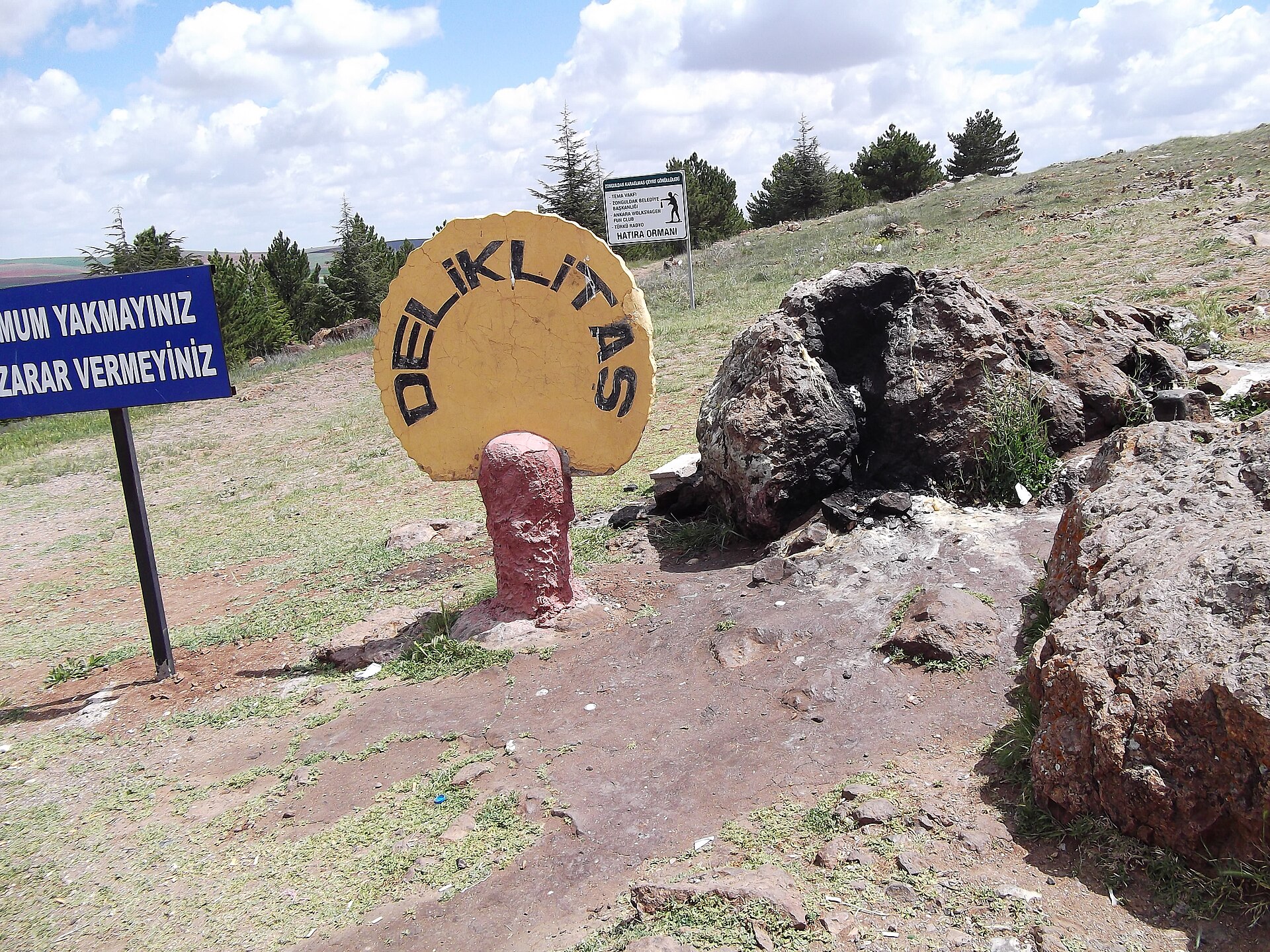
Deliklitaş
- Notable
- Historic monument
Language · 11 published
Place of worship · Nevşehir
Hacı Bektaş-ı Veli Türbesi
| Monday | 08:00 – 19:00 |
|---|---|
| Tuesday | 08:00 – 19:00 |
| Wednesday | 08:00 – 19:00 |
| Thursday | 08:00 – 19:00 |
| Friday | 08:00 – 19:00 |
| Saturday | 08:00 – 19:00 |
| Sunday | 08:00 – 19:00 |
Checked 2026-09-02 · Source
Read from the OpenStreetMap access tags; anything not listed has no tag recorded.
Set the group type to family in the planner and the day window contracts to about three quarters of a solo day.
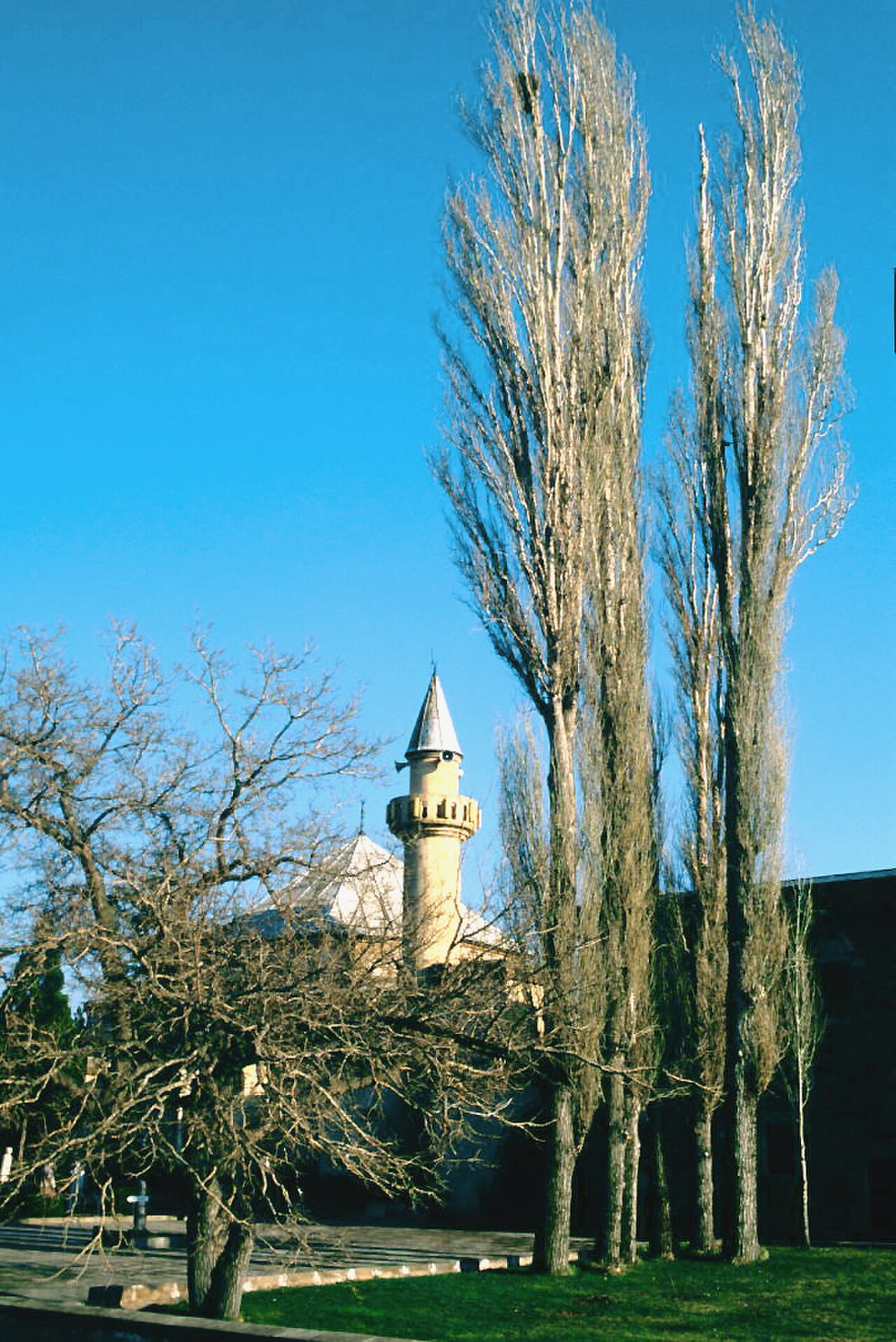
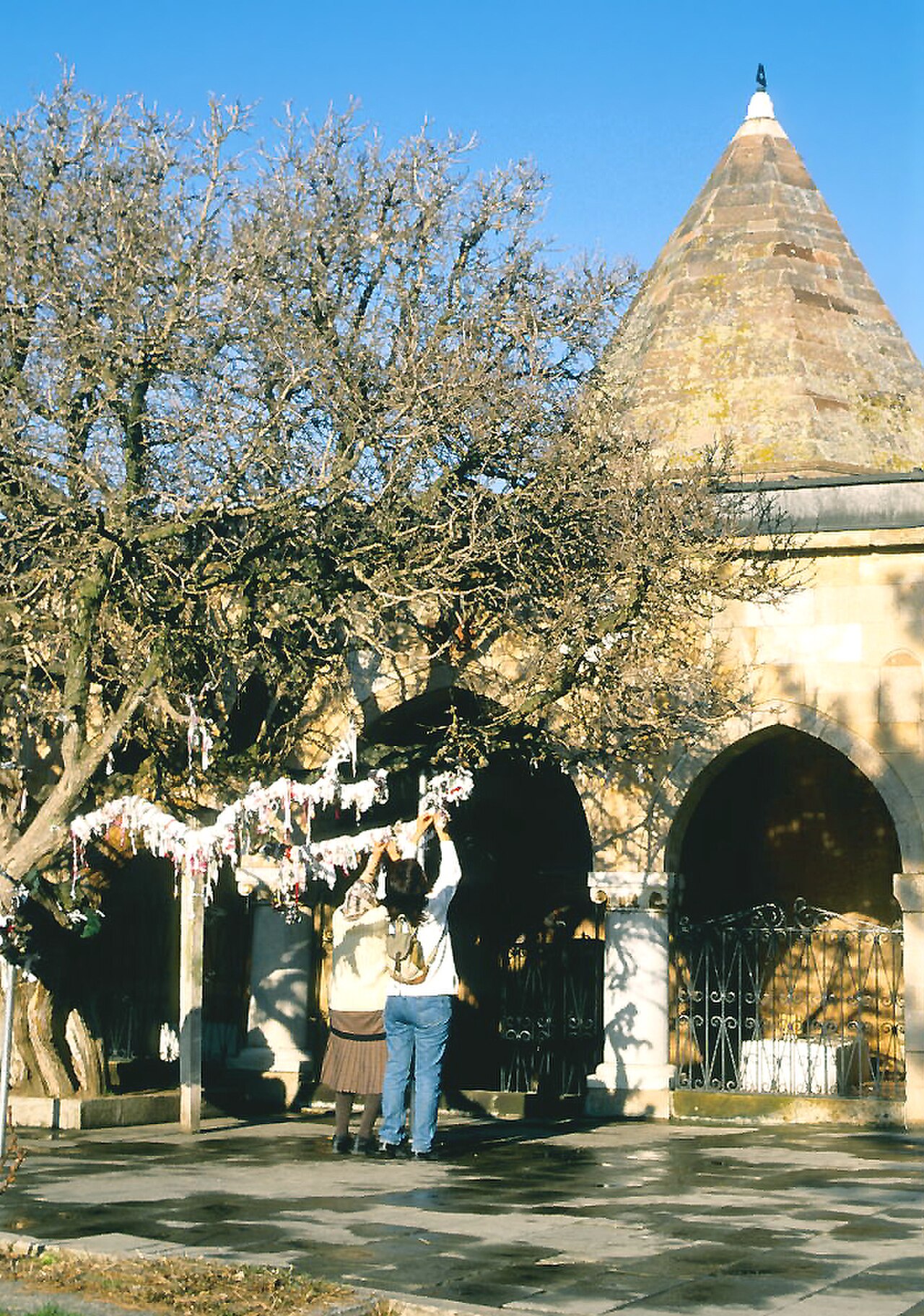
The Haji Bektash Veli complex is a historic Bektashi lodge and museum in Hacıbektaş, Nevşehir Province. Hacı Bektaş Veli founded the complex in the 13th century, and it preserves the setting associated with his teaching and the later life of the lodge. The site opened as a museum on 16 August 1964. Three courtyards connect historic buildings, devotional spaces and museum displays, so the visit combines religious heritage, architecture and material culture. It is best approached as a preserved spiritual centre with a living sense of place, not simply as a collection in one modern exhibition hall.
Checked 2026-09-02 · Source
The three courtyards organize the former lodge and give the visit its sequence. The Çilehane, also called Kızılca Halvet, is the museum complex's core section. Pir House contains the tomb of Hacı Bektaş Veli, while the Balım Sultan Tomb is another important funerary monument. Historic spaces include Çilehane, Pir House and Balım Sultan Tomb, alongside a mosque identified among the facilities. Displays include everyday objects from the Bektashi lodge, manuscripts and examples of calligraphy. Together, the buildings and objects reveal how worship, teaching, daily life and remembrance shared one architectural setting.
Checked 2026-09-02 · Source
Allow about 60 to 90 minutes for a focused first visit. That gives you time to pass through all three courtyards, pause in the Çilehane, see the tomb in Pir House and visit the Balım Sultan Tomb without reducing the complex to a hurried checklist. Add time if you read the manuscripts and calligraphy closely or want to absorb the lodge's everyday objects and historic atmosphere. Visitors especially interested in Bektashi history may prefer a longer, quieter visit. The complex rewards attention to the transitions between courtyards and buildings, not only the most photographed façades.
Checked 2026-09-02 · Source
The official museum listing states that the complex is open every day, with the researched schedule running from 08:00 to 19:00. For the Ministry's seasonal directive covering 1 May to 1 October 2026, the closing time is 19:00, while the ticket office closes earlier at 18:15. Morning is useful for a calmer look at the courtyards and devotional buildings. Late afternoon can suit a shorter visit, but ticketing should be completed before 18:15. Dress and behave respectfully in this religiously significant heritage setting, and allow time for quiet observation rather than only a rapid circuit.
Checked 2026-09-02 · Source
General visitors have free admission according to the official museum listing. Even without an entrance charge, plan around the ticket office's 18:15 closing time during the researched 08:00 to 19:00 schedule. Free entry makes the complex an easy addition to a Hacıbektaş day trip, especially when you want to spend time among the courtyards, tombs and collections rather than budgeting for a paid attraction. Keep the visit within designated museum spaces and follow on-site instructions around devotional areas. The absence of an entrance fee does not remove the need to arrive before ticketing ends.
Checked 2026-09-02 · Source
The complex is at Savat Mahallesi, Kayseri Caddesi No:5, Hacıbektaş. The town is about 45 kilometres from Nevşehir. For public transport, the municipality lists Hacıbektaş Minibüsçüler Kooperatifi, Kamil Koç, Kırşehir Şanal and Nevşehir Seyahat among services to Hacıbektaş. Taxi options listed by the municipality include Dergah Taksi and Terminal Taksi. If you need to confirm local access details, the museum's listed telephone number is +90 384 441 30 22. Allow time for the final town-side walk or taxi connection, particularly when your service ends at the terminal rather than beside the complex.
Checked 2026-09-02 · Source
Accessibility is limited rather than fully step-free: the official listing identifies a mosque and historic buildings, but it does not describe one step-free route through every courtyard and interior. Visitors using a wheelchair or pushchair should expect an uneven heritage setting and ask about the route on arrival. The site is also a place of religious and commemorative importance, so keep voices low, follow directions and treat tombs and devotional spaces respectfully. The ticket office closes at 18:15, ahead of the museum's 19:00 closing time. Plan conservatively if anyone in your group needs a continuous accessible route.
Checked 2026-09-02 · Source
Photography is most rewarding when it records the complex's sequence of spaces rather than treating the visit as isolated façades. Frame the three courtyards to show how the lodge unfolds, then look for architectural details around Çilehane, Pir House and the Balım Sultan Tomb. Manuscripts, calligraphy and everyday Bektashi objects add a quieter visual layer inside the museum. Because the complex includes tombs, a mosque and devotional settings, follow posted instructions and avoid photographing people or sacred moments without permission. A slower approach produces more informative images than a rapid circuit focused only on exterior views.
Checked 2026-09-02 · Source
The complex was founded in the 13th century by Hacı Bektaş Veli.
It opened as a museum on 16 August 1964.
The Çilehane, also called Kızılca Halvet, is the complex's main core section.
The museum complex has three courtyards.
Visitors can see the Hacı Bektaş Veli tomb in Pir House and the Balım Sultan Tomb.
The museum displays everyday objects from the Bektashi lodge, manuscripts and examples of calligraphy.
Loading the interactive map…
The interactive map could not be loaded.


Last updated:
Source: OpenStreetMap contributors, Wikidata ·