


3 min walk
Termessus
- Must see
- Historic monument
Language · 1 published
Historic monument · Antalya
Termessos Tiyatrosu
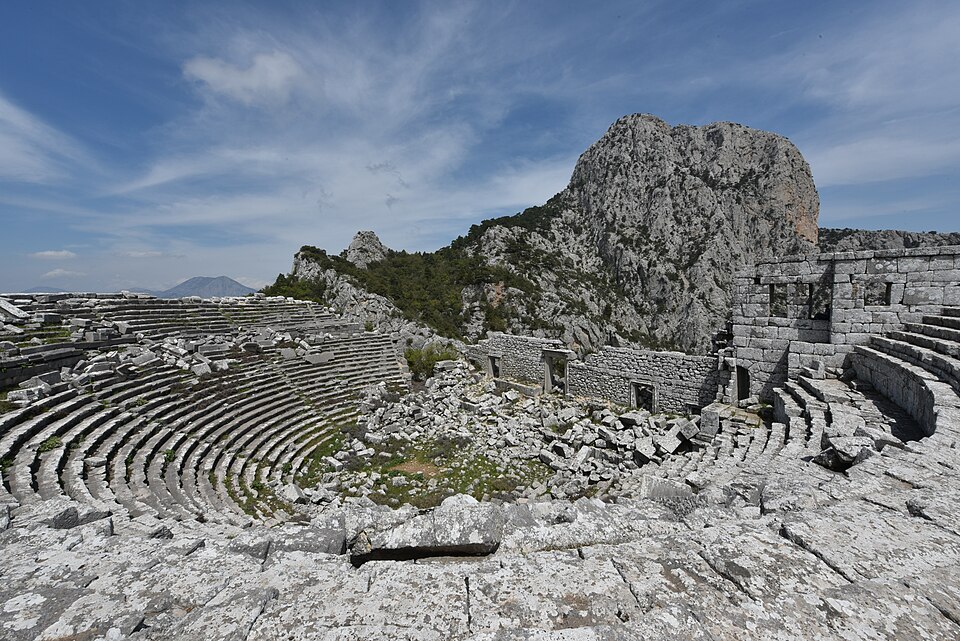
The Greek Theatre of Termessos is an ancient amphitheatre located within the archaeological site of Termessos, situated in the Taurus Mountains near Antalya. Termessos was a Pisidian city known for its formidable defensive position and resistance to Alexander the Great. The theatre exemplifies Hellenistic and Roman architectural traditions adapted to a mountainous setting. The site is part of a broader ancient city complex that includes ruins of temples, tombs, and civic buildings. Its elevated location provides dramatic views over the surrounding landscape. The theatre remains a significant testament to the cultural and engineering achievements of its original builders.
Checked 2026-08-26
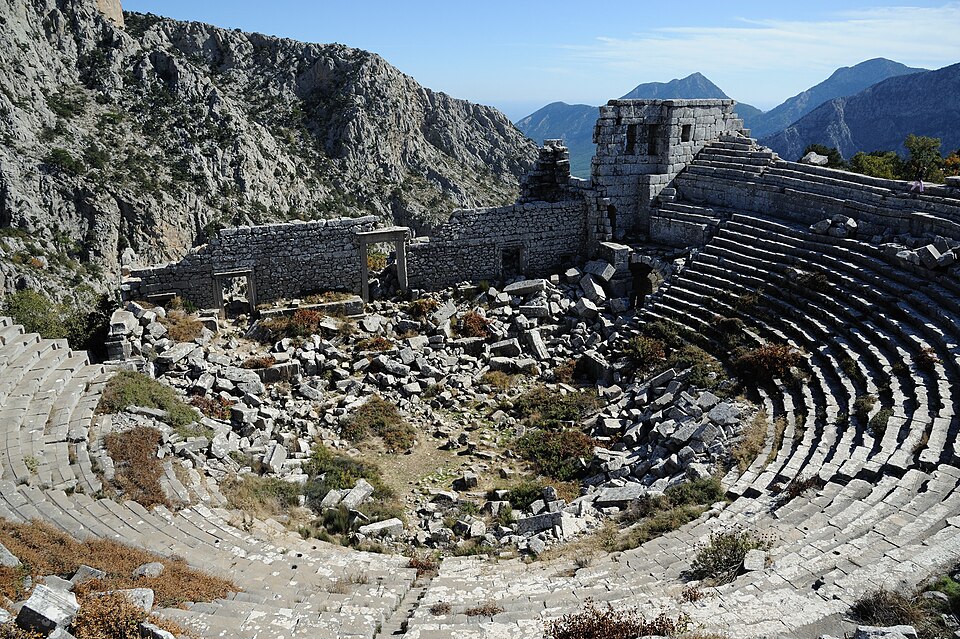
The theatre structure features stone seating arranged in a semicircular cavea carved into the mountainside. Visitors can observe the remains of the stage building and orchestra area. The surrounding archaeological zone contains additional ruins including defensive walls, cisterns, and rock-cut tombs scattered across the steep terrain. The ancient agora, gymnasium, and temple foundations lie in various states of preservation. Natural vegetation has extensively reclaimed portions of the site, with trees and shrubs growing among the stone ruins. The integration of built structures with the rugged topography creates a distinctive atmosphere. No modern reconstructions or visitor facilities are present within the ancient core.
Checked 2026-08-26
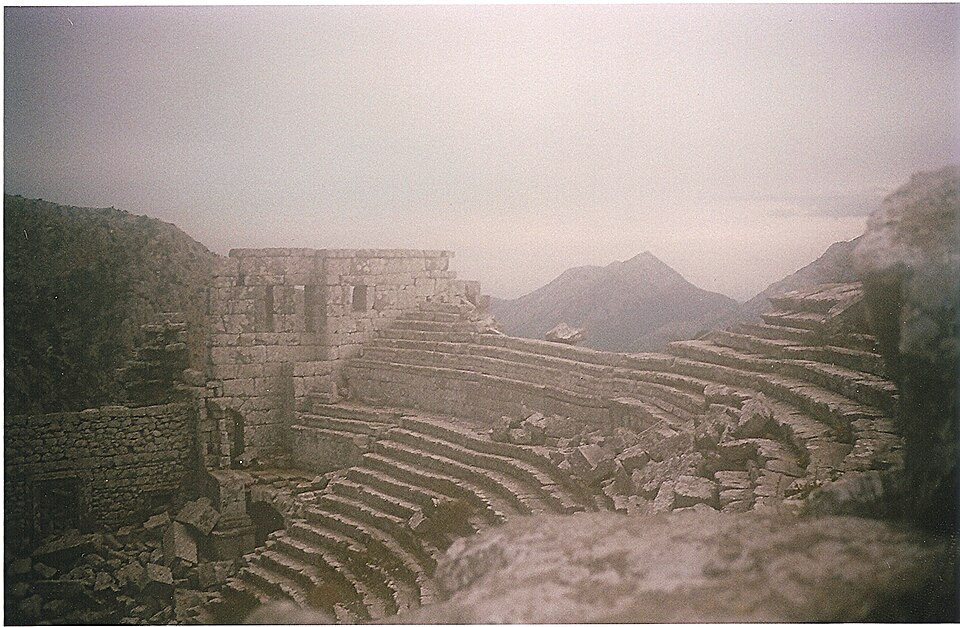
A thorough visit to the Greek Theatre and broader Termessos site typically requires three to four hours. The approach involves substantial elevation gain on uneven ancient and natural pathways. Visitors should allocate additional time for the steep ascent from the parking area to the main archaeological zone. Photography, rest breaks, and exploration of secondary ruins extend the duration. Physical fitness significantly impacts pacing. Those with limited mobility or time may focus on the theatre and immediate vicinity, reducing the visit to approximately ninety minutes. Weather conditions, particularly summer heat, necessitate slower progress and more frequent stops.
Checked 2026-08-26
Operator-confirmed hours are Not recorded pending review. Visitors should verify current access times through official channels before planning. The mountainous location experiences cooler temperatures than coastal Antalya, though summer midday heat remains demanding. Spring and autumn generally offer more comfortable conditions for the strenuous approach. Winter visits may encounter snow or ice on exposed paths, creating hazardous conditions. Early morning arrivals provide optimal lighting for photography and cooler temperatures for climbing. Afternoon thunderstorms occasionally develop in the Taurus Mountains during warmer months. Checking local weather forecasts is prudent before departure.
Checked 2026-08-26
Operator-confirmed prices are Not recorded pending review. Visitors should verify current admission fees through official sources prior to arrival. The site historically fell under Turkish Ministry of Culture and Tourism administration, suggesting standard archaeological site pricing may apply. Any applicable fees are typically collected at the entrance gate below the main ruins. Payment methods should be confirmed in advance. International museum passes valid at Turkish heritage sites may or may not cover this location. Carrying sufficient cash in Turkish lira is advisable as electronic payment infrastructure in remote locations cannot be guaranteed.
Checked 2026-08-26

Termessos lies approximately thirty kilometres northwest of central Antalya. Private vehicle or organised tour represent the most reliable access methods. Public transportation options are limited and infrequent. The final approach involves a winding mountain road terminating at a parking area. From this point, visitors must ascend steeply on foot to reach the theatre and main ruins. No shuttle service operates within the site. Rental vehicles should have adequate clearance for the access road. Taxi services from Antalya may be arranged but return transportation requires pre-planning. Signage from the main highway directs toward the archaeological zone.
Checked 2026-08-26

The terrain presents significant physical demands with steep, uneven, and sometimes loose surfaces. Proper hiking footwear is essential. No potable water sources exist within the site; carrying sufficient supplies is mandatory. Mobile phone coverage may be unreliable in the mountainous terrain. No medical facilities, shade structures, or emergency services are stationed on site. Wildlife including snakes and scorpions inhabits the area. Ancient stonework may be unstable or slippery. The remote location means self-sufficiency is necessary. Informing others of intended return times is prudent. Children and individuals with mobility limitations face substantial challenges. Weather can change rapidly at elevation.
Checked 2026-08-26

The theatre offers exceptional photographic opportunities combining ancient stonework with dramatic mountain scenery. Morning light illuminates the cavea and stage structure favourably. Wide-angle lenses accommodate the expansive landscape context. The overgrown, unrestored character provides atmospheric, evocative imagery distinct from more manicured archaeological sites. Tripods may prove useful given shaded areas within the structure. Drone operation should follow Turkish aviation regulations and site-specific restrictions. No artificial lighting is present for low-light photography. The steep terrain requires secure equipment handling. Seasonal variations in vegetation density alter visual character. Respectful photography of this heritage site avoids climbing on fragile ancient fabric.
Checked 2026-08-26
No. The site requires substantial uphill walking on steep, uneven natural and ancient surfaces. No paved paths, handrails, or accessibility accommodations exist. Visitors with mobility limitations face significant challenges reaching the theatre.
No commercial facilities operate within the ancient site. The nearest services are in Antalya or along the main highway. Visitors must bring all required food, water, and supplies.
Independent visitation is possible. The site lacks extensive interpretive signage, so prior research or a guidebook enhances understanding. Organised tours from Antalya are also available.
Not recorded. The unrestored, overgrown condition and remote mountainous location make modern performance use unlikely. The site functions primarily as an archaeological monument.
Sturdy hiking boots with ankle support are essential. Layered clothing accommodates elevation temperature changes. Sun protection including hat and sunscreen is necessary. Long trousers reduce scratch vegetation and wildlife exposure.
Basic facilities may exist at the lower entrance area, but their current operational status is not recorded. Visitors should not expect amenities within the main archaeological zone.
Loading the interactive map…
The interactive map could not be loaded.
Last updated:
Source: OpenStreetMap contributors, Wikidata ·