


125 min walk
Karain Cave
- Must see · Heritage site
- Nature site
Language · 11 published
Historic monument · Antalya
| Monday | 00:00 – 23:59 |
|---|---|
| Tuesday | 00:00 – 23:59 |
| Wednesday | 00:00 – 23:59 |
| Thursday | 00:00 – 23:59 |
| Friday | 00:00 – 23:59 |
| Saturday | 00:00 – 23:59 |
| Sunday | 00:00 – 23:59 |
Parsed from OpenStreetMap opening hours on 2026-08-26.
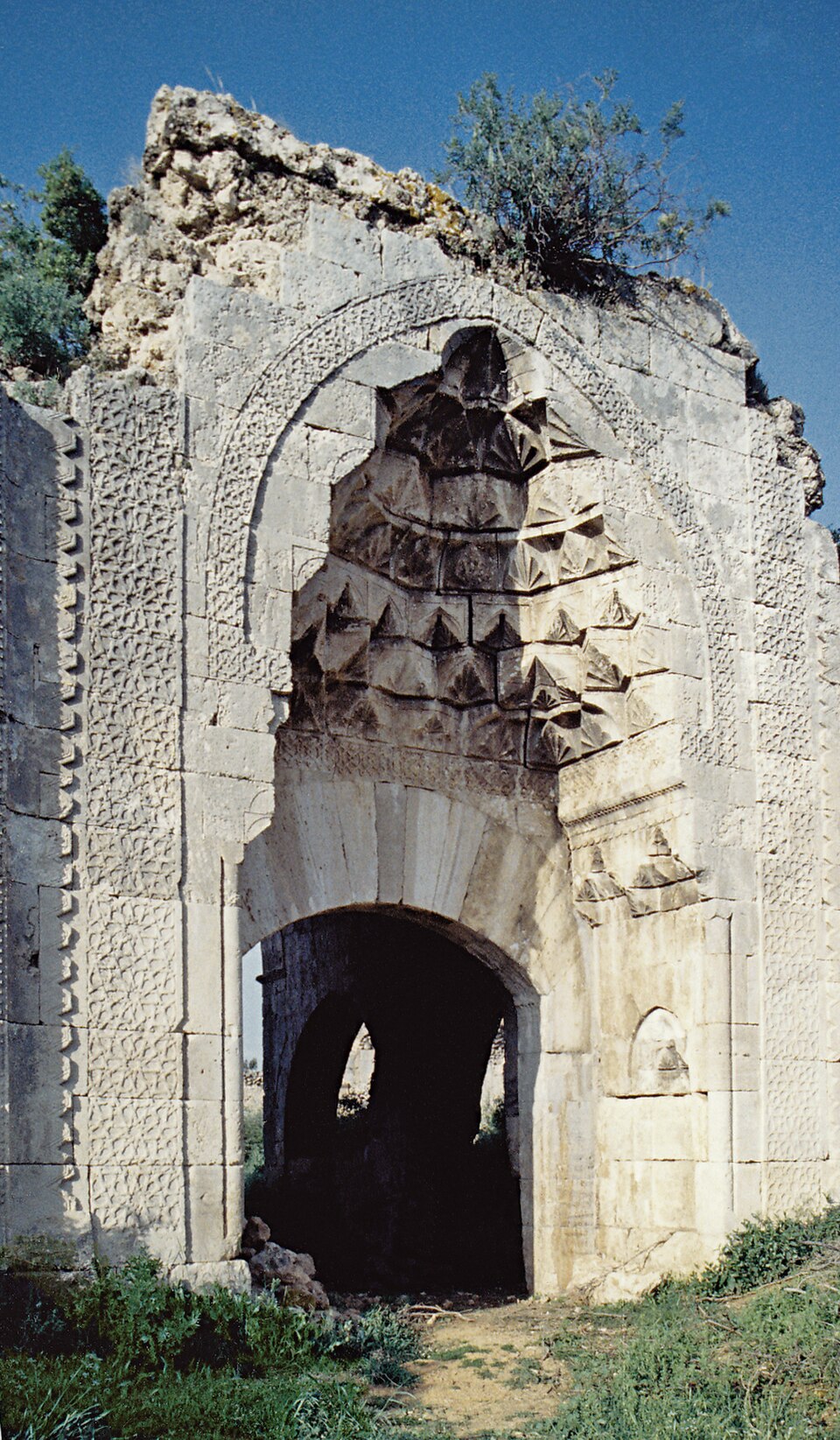
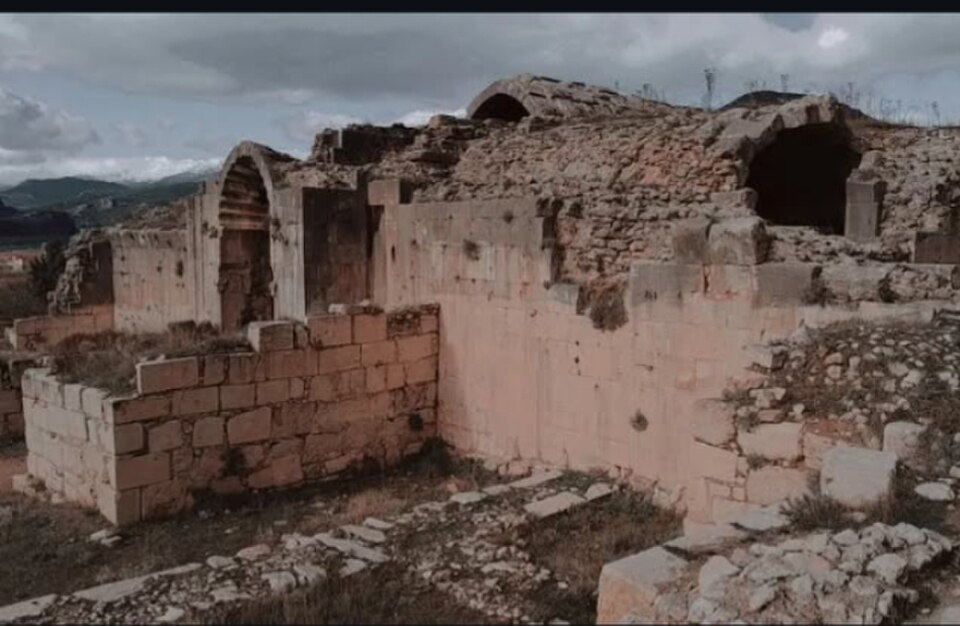
Evdir Han is a historic caravanserai situated in the Antalya region of Türkiye. These roadside inns formed critical infrastructure along ancient trade routes, offering shelter and security to merchants, travellers and their animals. The structure represents the Seljuk architectural tradition of constructing fortified resting places at regular intervals along major commercial corridors. Caravanserais like Evdir Han were typically built during the medieval period when overland trade between Anatolia, Persia and beyond demanded reliable waystations. The building's robust stone construction reflects both practical defensive requirements and the architectural conventions of its era. Its survival into the present day makes it a tangible connection to the region's commercial and cultural history.
Checked 2026-08-26
The interior layout of Evdir Han follows the established caravanserai pattern with spaces designed for multiple functions. Visitors would typically find a large central courtyard that served as the primary gathering and animal-holding area. Surrounding this open space, covered sections provided shelter from sun and rain. Architectural features likely include thick stone walls, arched openings and possibly a raised platform or iwan area that may have held ceremonial or administrative significance. The specific interior details of Evdir Han remain incompletely documented in available sources. The building's fabric would originally have incorporated stalls, storage areas and sleeping quarters arranged to maximise utility within the fortified perimeter.
Checked 2026-08-26
A visit to Evdir Han requires modest time commitment relative to larger historical complexes. The structure's scale as a single-building caravanserai rather than an extended palace or urban quarter means that exploration covers limited ground. Visitors typically spend between thirty minutes and one hour examining the exterior and interior spaces, depending on their level of interest in architectural detail and historical context. Those with specialised interest in Seljuk construction techniques or medieval trade infrastructure may wish to allocate additional time for closer examination of stonework, structural elements and spatial organisation. The site's relatively compact nature suits inclusion within broader regional itineraries rather than constituting a full-day destination.
Checked 2026-08-26
Operator-confirmed hours are Not recorded pending review. Visitors should verify current accessibility before planning a specific visit, as historic sites in the region may operate under seasonal schedules or limited staffing arrangements. The Mediterranean climate of Antalya generally offers favourable conditions across extended periods, though summer months bring intense heat that may affect comfort during unshaded exploration. Spring and autumn typically provide more temperate conditions for outdoor historical sites. Winter visits remain feasible though rainfall occurs. Early morning or late afternoon timing often improves lighting for observation and photography regardless of season. Advance confirmation of site status is strongly recommended.
Checked 2026-08-26
Operator-confirmed prices are Not recorded pending review. The admission status of Evdir Han remains undocumented in available sources. Some Turkish historical sites operate under Ministry of Culture management with standardised fee structures, while others remain ungated or under local administration with variable arrangements. Visitors should anticipate that payment methods, currency and exact costs require verification at source. Potential visitors are advised to carry sufficient Turkish lira as rural or less-visited sites may not accommodate card payments. Any applicable fees would typically be modest given the site's scale relative to major museum complexes. Group rates, student concessions or combined ticketing with nearby attractions are possibilities that remain unconfirmed.
Checked 2026-08-26
Evdir Han occupies a position within the broader Antalya province, accessible from the city centre and surrounding resort areas by road. The specific transport logistics depend on visitor origin point and preferred mode. Private vehicle or rental car offers maximum flexibility for reaching less centrally located historical sites, with navigation applications generally recognising the location. Public bus services connect Antalya city with various provincial destinations though direct routes to this specific site are not documented in available sources. Organised tours incorporating multiple historical stops may represent a practical alternative. Taxi or rideshare services from nearby population centres provide another option, with cost varying by distance and negotiation. Journey planning should account for rural road conditions.
Checked 2026-08-26
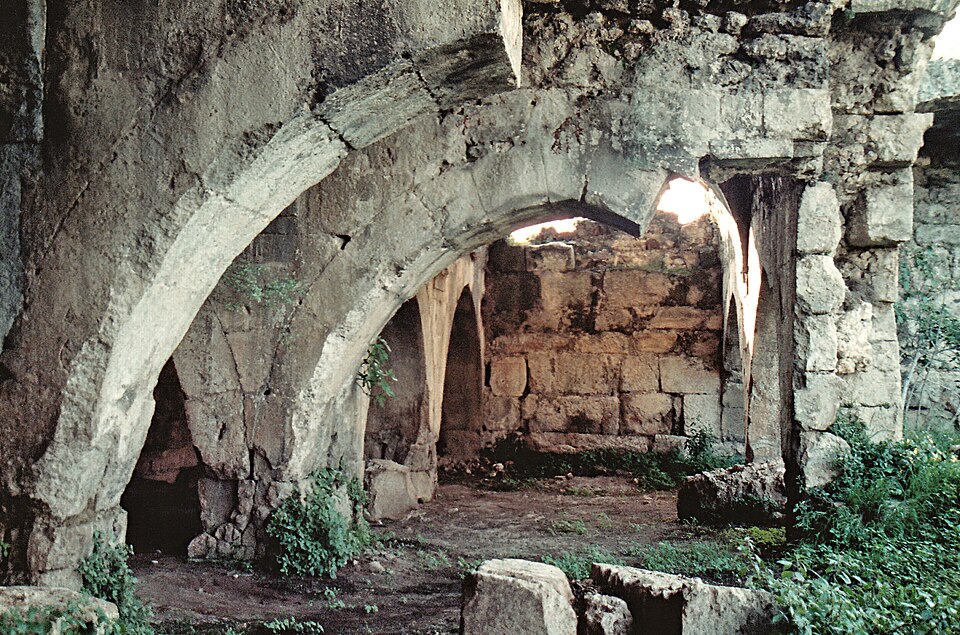
Visitors to historic stone structures should exercise standard precautions regarding uneven surfaces, worn steps and variable footing, particularly in areas with limited maintenance intervention. The absence of modern safety infrastructure common at heavily developed tourist sites may apply. Weather protection is minimal within the courtyard and covered areas may have deteriorated openings. Appropriate footwear with grip is strongly advised. Water and sun protection should be carried, especially during warmer months when shade may be inadequate. The site's relative obscurity may mean limited visitor facilities, signage or emergency services in immediate proximity. Mobile telephone coverage in rural locations cannot be assumed. Respect for the historic fabric through non-touching behaviour preserves the structure for subsequent visitors.
Checked 2026-08-26
The architectural character of Evdir Han offers photographic subjects including stone construction textures, arched forms, courtyard perspectives and the interplay of light with interior spaces. The relatively uncluttered setting may facilitate clean compositions without modern intrusions that affect more urban heritage sites. Morning and evening light angles typically enhance dimensional qualities of masonry and architectural features. The open courtyard presents opportunities for sky-inclusive framing or shadow pattern capture. Interior photography may require attention to exposure compensation given contrast between bright exterior conditions and shaded vaulted spaces. Tripod use policies are unconfirmed and should be verified if relevant. The absence of crowds at less-frequented sites generally supports unhurried photographic exploration without temporal pressure or spatial competition.
Checked 2026-08-26
Operator-confirmed hours are Not recorded pending review. Visitors should verify current accessibility before travelling.
Operator-confirmed prices are Not recorded pending review. Admission arrangements remain undocumented in available sources.
Public transport options are not documented in available sources. Private vehicle, taxi or organised tour may offer more reliable access.
The presence of interpretive materials or staffing is not recorded in available sources. Visitors may wish to research independently beforehand.
Historic stone structures present uneven surfaces and variable footing. Mobility considerations should be assessed against individual capabilities.
Visitor facilities at the site are not documented in available sources. Provisions should be obtained before arrival.
Loading the interactive map…
The interactive map could not be loaded.
Last updated:
Source: OpenStreetMap contributors, Wikidata ·