


1 min walk
Damlataş Cave
- Must see
- Nature site
Language · 1 published
Nature site · Antalya
Damlataş plajı

Damlataş Beach is a public coastal area in Antalya, Turkey, known locally as Damlataş Plajı. The beach sits near the famous Damlataş Cave on the city's western shoreline along the Mediterranean Sea. It forms part of Antalya's developed tourism coastline in the Alanya district area. The location provides access to the sea for visitors staying in nearby accommodations. The beach carries the production identity way/736593508 in mapping systems. Its proximity to the cave makes it a companion destination for those exploring the region's natural formations. The area represents typical Turkish Riviera coastal infrastructure.
Checked 2026-08-26
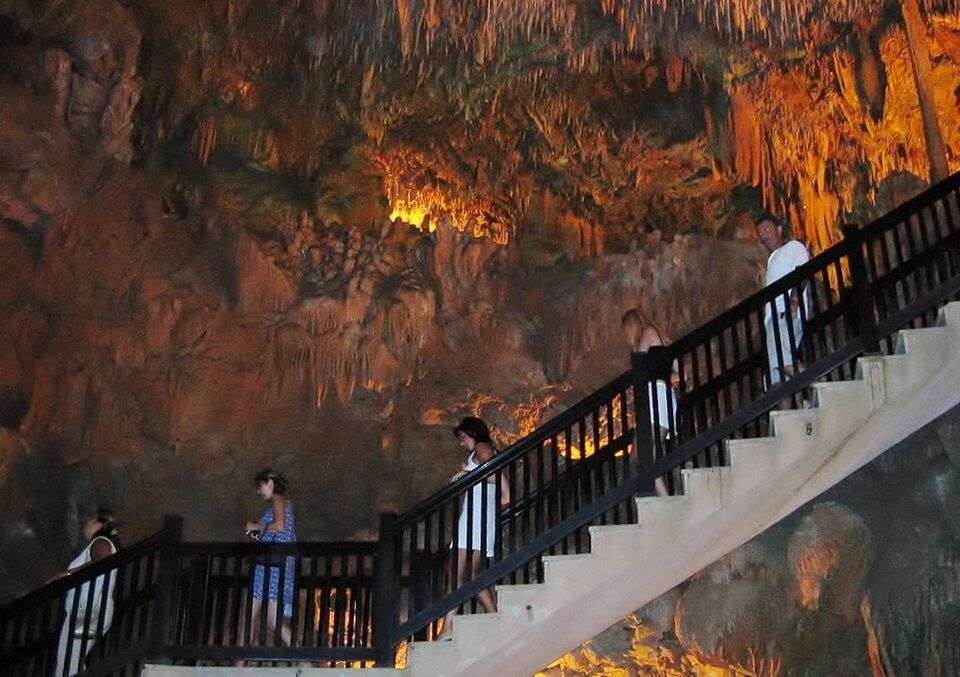
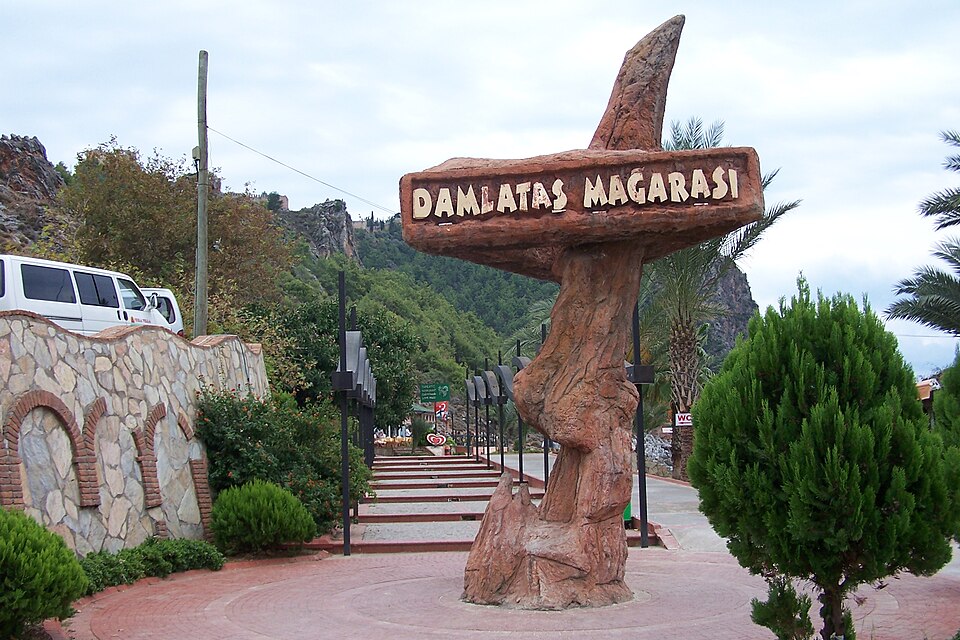
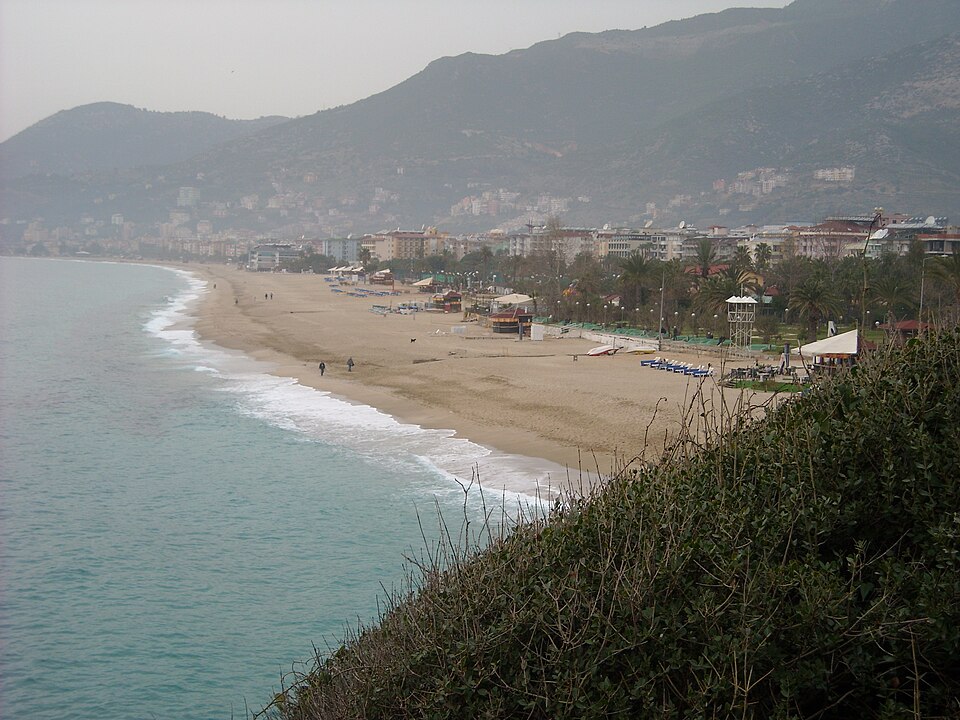
The beach contains standard public seaside amenities expected of developed Turkish coastal areas. Visitors will find sand and shingle shoreline leading into Mediterranean waters. The immediate surroundings include the adjacent Damlataş Cave entrance, a notable geological feature. Nearby commercial establishments serve beachgoers with food and refreshments. Sunbeds and umbrellas are typically available for rental during operational periods. The area lacks significant archaeological remains within the beach zone itself. The natural environment consists of coastal geology with cliff formations backing portions of the shoreline. Water quality monitoring follows Turkish public beach standards for swimming safety.
Checked 2026-08-26
Visitor duration at Damlataş Beach varies considerably based on individual preferences and seasonal conditions. Typical beach visits range from two to four hours for swimming and relaxation. Those combining the beach with Damlataş Cave exploration should allocate additional time for queuing and cave interior viewing. Half-day visits represent common patterns for tourists based in nearby hotels. Full-day stays occur among visitors seeking extended sun exposure and multiple swimming sessions. The compact nature of the beach area means walking distances remain minimal. Weather conditions significantly influence comfortable visit length during peak summer periods.
Checked 2026-08-26
Antalya's Mediterranean climate permits beach visitation across extended seasonal periods. Peak visitor numbers concentrate during summer months from June through September when sea temperatures reach comfortable swimming levels. Spring and autumn offer reduced crowds with milder atmospheric conditions. Winter months see minimal beach usage due to cooler temperatures. Operator-confirmed hours are Not recorded pending review. Visitors should verify current operational status before planning specific visit times. Local weather forecasts provide essential guidance for day-trip decisions. The region experiences intense midday summer heat requiring appropriate sun protection measures for all visitors regardless of timing.
Checked 2026-08-26
Damlataş Beach operates as public coastal access with no standard admission fee for beach entry itself. Sunbed and umbrella rentals incur separate charges from commercial operators working the beach area. Prices for these services fluctuate seasonally and between providers. Operator-confirmed prices are Not recorded pending review. The adjacent Damlataş Cave maintains separate admission pricing unrelated to beach access. Visitors should carry Turkish Lira for transactions with local vendors. Credit card acceptance varies among individual service providers. Budget-conscious visitors may bring personal beach equipment to minimize costs during their stay.
Checked 2026-08-26
Damlataş Beach occupies accessible coastal position within Antalya's developed tourism infrastructure. Public buses serve the broader Alanya district connecting to nearby stops. Taxis and dolmuş shared minibuses operate throughout the area with variable routes. Walking access proves feasible for visitors accommodated in proximate hotels and resorts. Private vehicle parking exists in surrounding areas with space limitations during peak periods. The beach's established location means most local accommodation providers can offer directional guidance. Signage in Turkish and English assists independent navigation. Airport transfers from Antalya Airport require substantial ground transportation time.
Checked 2026-08-26
Strong midday sun demands vigilant sun protection including high-factor sunscreen and protective covering. Sea conditions require awareness of local swimming safety flags and lifeguard instructions when present. Rocky areas at shoreline edges necessitate foot protection for safe navigation. Summer crowds concentrate belongings security risks requiring personal vigilance. Hydration maintenance proves essential during extended beach exposure. Commercial service providers should confirm prices before accepting goods or rentals. Water quality variations may occur following weather events. Jellyfish presence occasionally affects Mediterranean beaches during seasonal patterns. Emergency services accessibility should be confirmed upon arrival for visitor confidence.
Checked 2026-08-26
The beach offers Mediterranean coastal scenery with cliff backdrops and open sea vistas. Morning and late afternoon lighting provides optimal conditions for landscape photography. The adjacent cave entrance creates interesting geological foreground elements. Drone operation requires awareness of Turkish aviation regulations and local restrictions. Crowded conditions during peak season complicate unobstructed composition. Water clarity varies affecting underwater photography potential. Sunset positioning depends on seasonal solar trajectory relative to the western shoreline. Respect for other visitors' privacy remains essential when capturing beach scenes. Equipment protection from sand and salt spray requires careful management throughout shooting sessions.
Checked 2026-08-26
The beach itself operates as public coastal access without standard admission fees. Separate charges apply for sunbed and umbrella rentals from commercial operators.
Yes, the beach and cave occupy adjacent locations permitting combined visits. Allocate additional time beyond beach activities for cave exploration.
The developed coastal area provides general family accessibility. Parents should supervise children regarding sea conditions, sun exposure, and rocky shoreline areas.
Essential items include sun protection, drinking water, foot protection for rocky areas, and Turkish Lira for vendor transactions. Personal beach equipment reduces rental costs.
Public buses, taxis, dolmuş minibuses, and walking serve nearby access points. Most local accommodation providers offer specific directional guidance for the established coastal location.
Lifeguard presence follows typical Turkish public beach patterns with variable seasonal coverage. Visitors should observe posted safety information and exercise independent swimming judgment.
Loading the interactive map…
The interactive map could not be loaded.
Last updated:
Source: OpenStreetMap contributors, Wikidata ·