
.jpg)
.jpg)
.jpg)
.jpg)
.jpg)
20 min walk
St. Nicholas Church, Demre
- Must see · Heritage site
- Museum
Language · 1 published
Historic monument · Antalya
Myra Antik Kenti
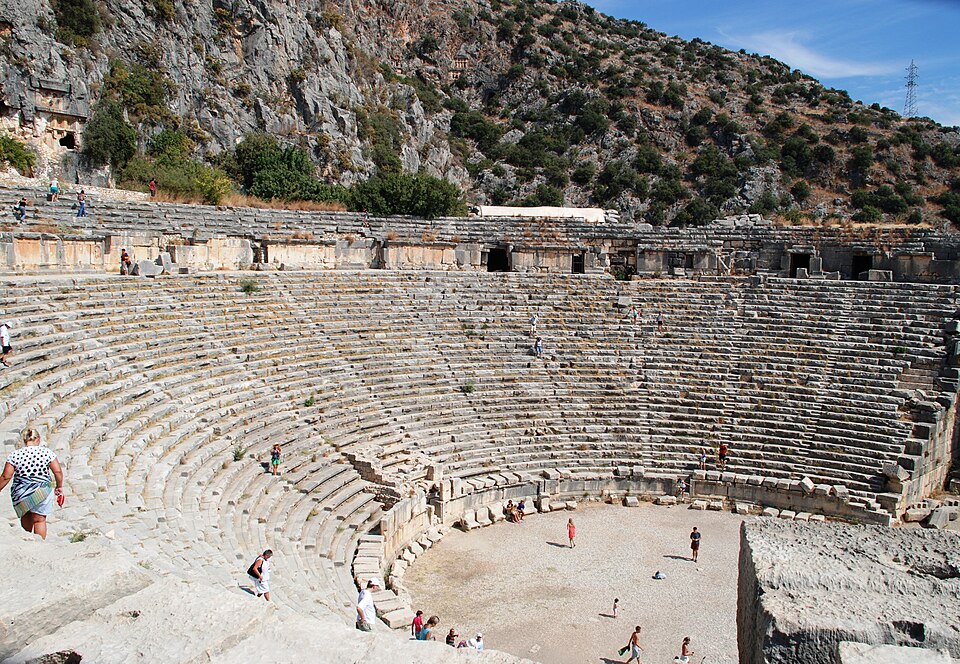
The Ancient theatre of Myra is a well-preserved Roman-era theatre located within the Myra Antik Kenti archaeological site near Demre in Antalya province. Carved into a hillside, this semicircular structure once accommodated audiences for dramatic and gladiatorial performances. Myra was a leading city of the Lycian League, and the theatre represents one of the most significant surviving monuments of this ancient federation. The site is also renowned for its proximity to rock-cut tombs carved into the cliff faces above.
Checked 2026-08-26
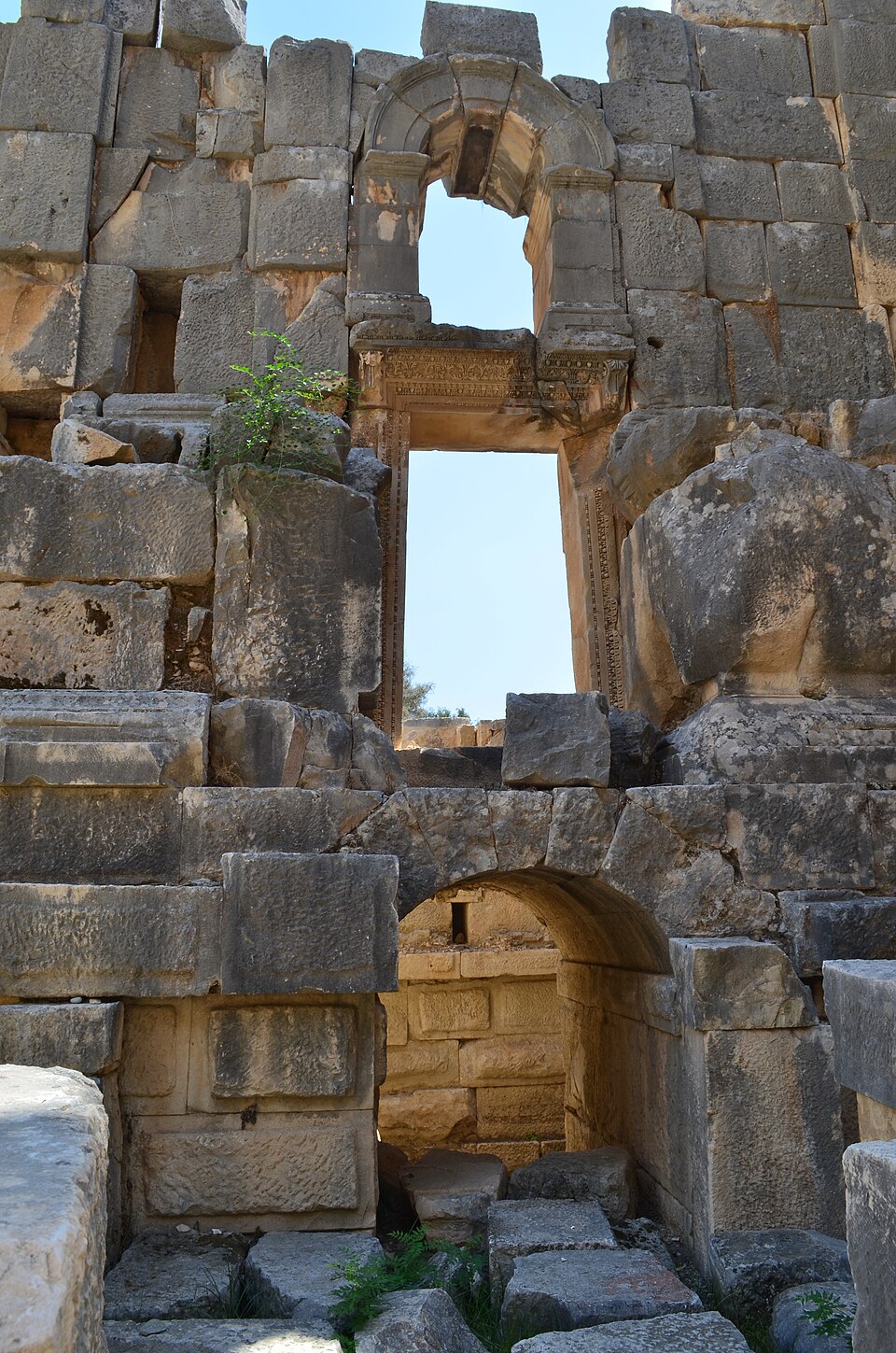
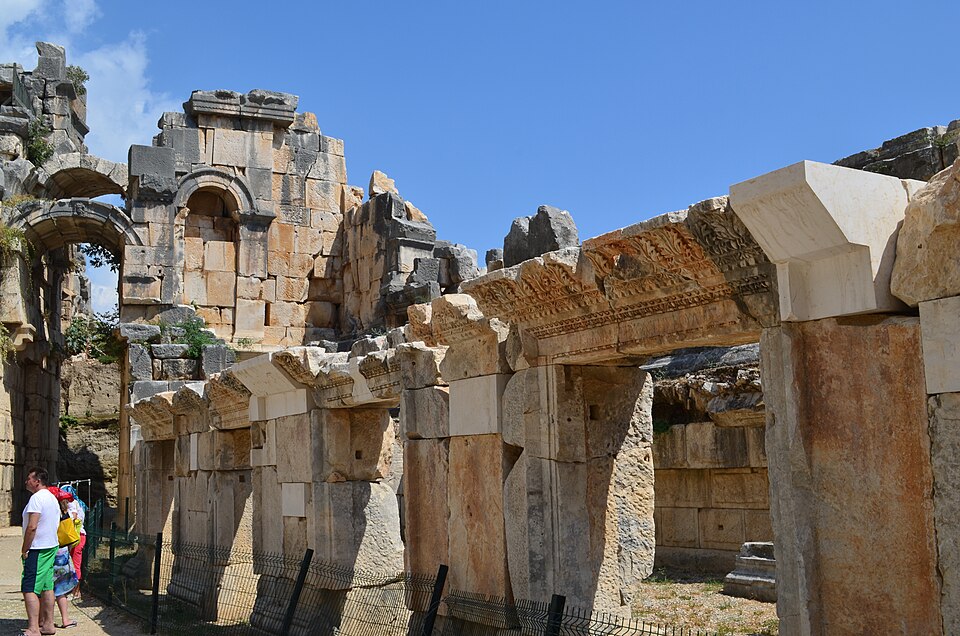
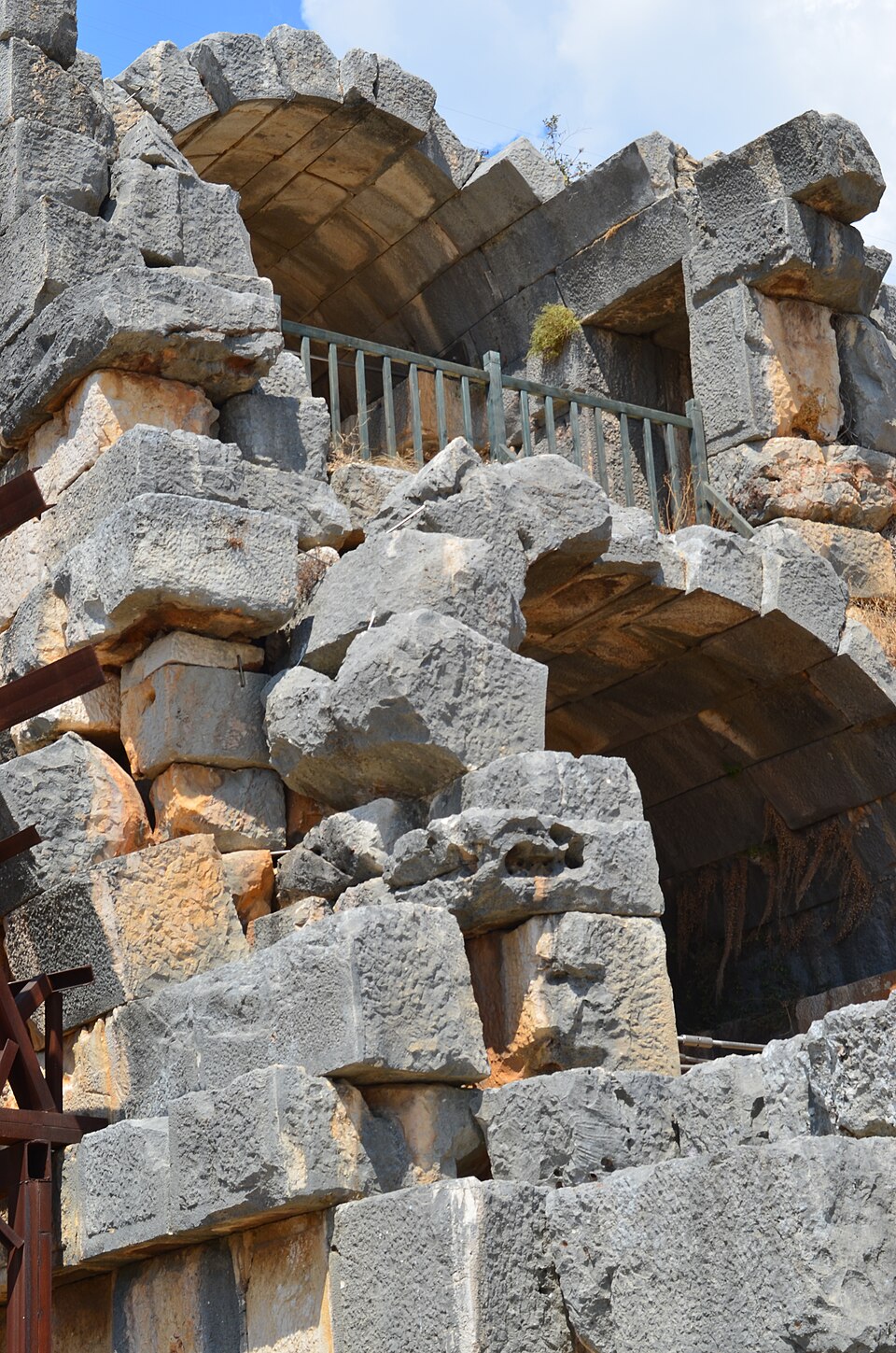
Visitors encounter a substantial stone theatre with intact seating tiers, stage building foundations, and ornate architectural fragments. The cavea rises in curved sections with walkways dividing the seating areas. Above the theatre, the necropolis features impressive Lycian house-style tombs and temple-tombs with carved facades resembling wooden structures. The combination of theatrical architecture and funerary monuments creates a layered archaeological landscape. The site lacks modern visitor centre facilities or extensive interpretive signage, requiring self-directed exploration. Ancient theatre of Myra also earns time in a antalya itinerary because A visitor-relevant POI matched exactly to the production city pool; stored identity, local name and coordinates were copied without approximation. Its value becomes clearer when the stop is compared with the surrounding streets and the other ranked places nearby.
Checked 2026-08-26

A thorough visit to the Ancient theatre of Myra and immediate surrounding tombs typically requires ninety minutes to two hours. Photography enthusiasts and those examining architectural details closely may extend this duration. The steep terrain and uneven stone surfaces necessitate careful pacing. Visitors often combine this site with nearby attractions in Demre, including the Church of Saint Nicholas. The compact nature of the archaeological zone prevents extensive wandering, though the vertical climb to examine upper tombs adds physical demands to the experience.
Checked 2026-08-26
Antalya province experiences intensely hot summers with minimal shade at the open-air site, making early morning or late afternoon visits preferable during peak heat periods. Spring and autumn offer more temperate conditions for climbing the theatre seating and exploring cliff tombs. Winter brings cooler temperatures but occasional rainfall that may render stone surfaces slippery. Operator-confirmed hours are Not recorded pending review. Visitors should verify current opening times through official channels before travelling, as seasonal variations and maintenance closures affect accessibility without predictable patterns.
Checked 2026-08-26
Archaeological sites in Turkey typically operate under the Ministry of Culture and Tourism with standardised entry fee structures, though specific pricing for Myra Antik Kenti is not confirmed in available sources. Some Turkish archaeological sites accept the national Museum Pass, potentially offering multiple-entry benefits. Operator-confirmed prices are Not recorded pending review. Visitors should carry Turkish lira in cash as backup even where card payments are advertised, and should check whether the theatre and necropolis constitute a single admission zone or separate ticketing arrangements before arrival.
Checked 2026-08-26
Myra Antik Kenti lies near Demre town, approximately 140 kilometres southwest of Antalya city centre. Public transport options include regional buses from Antalya bus terminal to Demre, followed by local taxi or organised tour arrangements for the final approach. Self-drive visitors follow the D400 coastal highway westward, with the site signposted from Demre centre. Road conditions are generally adequate though mountain approaches feature winding sections. Parking availability near the entrance appears limited based on site configuration. Day tours from Antalya or Kaş frequently include Myra alongside other Lycian sites.
Checked 2026-08-26

The ancient stone surfaces throughout the theatre and tomb areas become extremely slippery when wet or worn smooth by visitor traffic. Steep drops exist between seating tiers and at cliff edges near the necropolis without protective barriers. Summer sun exposure is severe with negligible natural shade. Loose stones and uneven steps present tripping hazards. Visitors with mobility limitations face significant challenges accessing upper levels. Water availability on-site is uncertain; carrying supplies is prudent. Local fauna including insects may be present. Respect for archaeological fabric and prohibition of climbing on fragile tomb facades should be observed.
Checked 2026-08-26
The theatre offers dramatic wide-angle compositions capturing the curved cavea against mountainous backdrops, particularly effective during golden hour lighting. The rock-cut tombs provide striking subjects with their architectural detail and imposing vertical positioning. Morning light illuminates the cliff-face necropolis favourably; afternoon shadows may obscure details. Tripod use policies are unconfirmed and should be verified. Drone operation would require Turkish civil aviation permissions and likely site-specific authorisation. The pale stone surfaces challenge exposure metering; bracketing assists highlight recovery. Visitor crowds during peak periods complicate clean architectural shots without human presence.
Checked 2026-08-26
No. These are separate sites in Demre. The theatre and necropolis form Myra Antik Kenti, while Saint Nicholas Church is a distinct monument in the town centre. Many visitors combine both in a single trip.
Climbing on archaeological fabric damages fragile surfaces and is inappropriate. The carved facades are vulnerable to erosion from contact. Visitors should observe from designated paths and viewing areas.
Formal on-site guiding services are not documented in available sources. Visitors typically explore independently or arrive with pre-arranged tour groups from Antalya, Kaş, or Demre.
Steep drops, uneven surfaces, and lack of barriers present hazards requiring close supervision. The historical significance may not engage younger visitors without preparatory explanation. Physical demands of climbing should be considered.
On-site commercial facilities are not documented. Demre town offers services a short distance away. Visitors should provision accordingly, particularly carrying water given exposure and exertion.
Myra was a principal city of the Lycian League. The theatre exemplifies urban infrastructure of this federation. The modern Lycian Way long-distance trail passes through the broader region, though its exact routing relative to the archaeological site requires verification.
Loading the interactive map…
The interactive map could not be loaded.
Last updated:
Source: OpenStreetMap contributors, Wikidata ·