


43 min walk
St. Nicholas Church, Demre
- Must see · Heritage site
- Museum
Language · 1 published
Historic monument · Antalya
Andriake-Plakoma
| Monday | Closed |
|---|---|
| Tuesday | 10:00 – 18:00 |
| Wednesday | 10:00 – 18:00 |
| Thursday | 10:00 – 18:00 |
| Friday | 10:00 – 18:00 |
| Saturday | 10:00 – 18:00 |
| Sunday | 10:00 – 18:00 |
Parsed from OpenStreetMap opening hours on 2026-08-26.
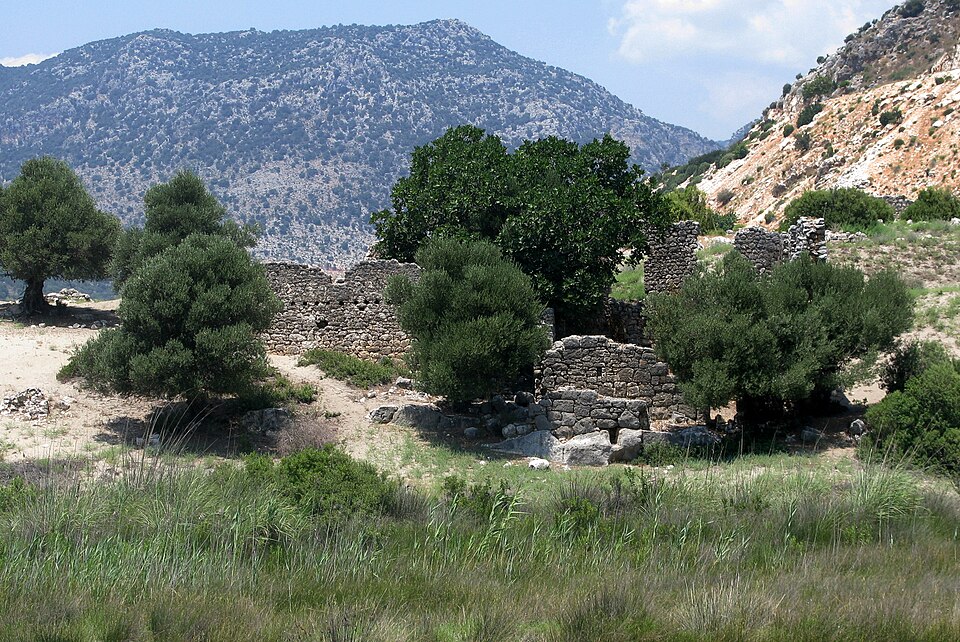
Andriaca, locally known as Andriake-Plakoma, is an ancient archaeological site situated within the Antalya region of southern Turkey. The settlement served as the port city for ancient Myra, an important Lycian urban centre. Archaeological evidence indicates the site functioned as a significant maritime and commercial hub in antiquity, facilitating trade connections across the Mediterranean. The ruins encompass harbour installations, storage facilities, and urban remains that collectively illustrate the economic infrastructure of Lycian civilisation. Visitors encounter substantial archaeological testimony to ancient seafaring practices and port administration in this coastal location.
Checked 2026-08-26
The archaeological zone preserves multiple structural components of the ancient port settlement. Visible remains include harbour installations, warehouse complexes, and elements of the ancient waterfront infrastructure. Archaeological investigations have revealed storage buildings, quay structures, and associated urban fabric. The site contains evidence of commercial activity including granaries and possibly customs-related facilities. Monumental and domestic architectural fragments are distributed throughout the excavated areas. The relationship between the harbour works and the adjacent settlement provides insight into ancient urban planning. Interpretive potential exists for understanding Lycian maritime economy through the preserved physical remains at this location.
Checked 2026-08-26
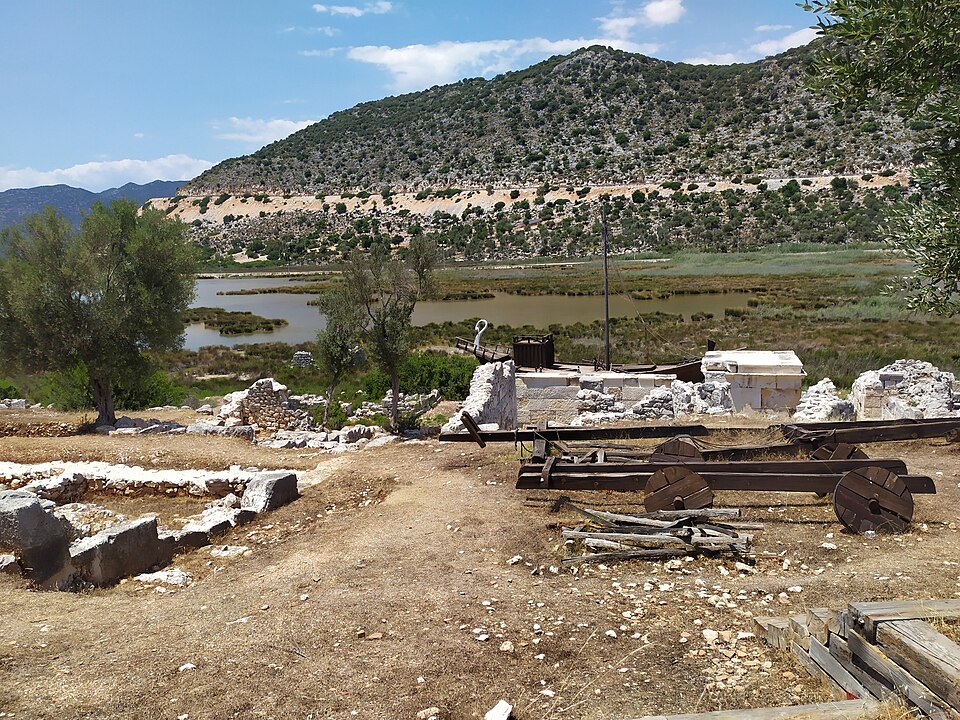
A thorough visit to Andriaca requires approximately sixty to ninety minutes for visitors with general interest in archaeological sites. Those possessing specialised knowledge of ancient maritime infrastructure or Lycian archaeology may extend their examination to two hours. The relatively compact nature of the excavated area permits efficient circulation between principal visible features. Photography, reading of any available interpretive material, and contemplation of the harbour-settlement relationship contribute to visit duration. Combination with nearby Myra, the inland urban centre that Andriaca served, constitutes a logical itinerary extension for comprehensive understanding of this ancient paired settlement system.
Checked 2026-08-26
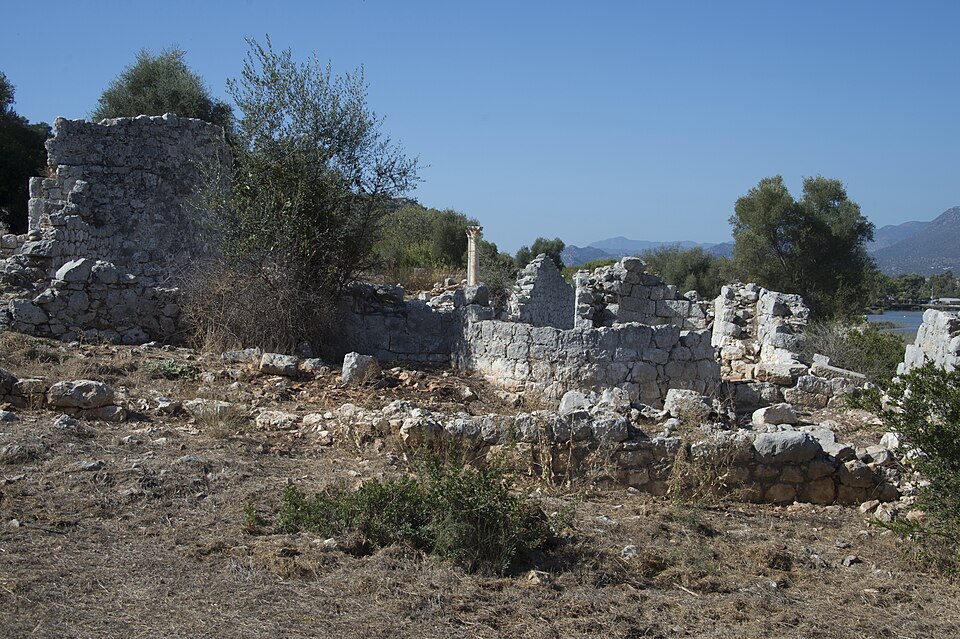
Antalya receives substantial sunshine throughout the year, though summer months bring intense heat that may discomfort visitors during midday hours. Spring and autumn periods generally offer more temperate conditions for outdoor archaeological exploration. Winter visitation remains feasible though precipitation probability increases. Operator-confirmed opening hours are Not recorded pending review; prospective visitors should verify current accessibility before travel. Seasonal tourism patterns in the broader Antalya region peak during July and August. Early morning or late afternoon timing optimises lighting conditions for visual appreciation of architectural remains and photographic documentation regardless of seasonal choice.
Checked 2026-08-26
Admission arrangements for Andriaca are not established in the provided source material. Operator-confirmed prices are Not recorded pending review. The site may fall under Turkish Ministry of Culture and Tourism management, potentially subject to standard archaeological site admission frameworks applicable nationally. Visitors should anticipate possible entrance fees consistent with comparable Turkish archaeological sites. Museum pass options covering multiple Turkish heritage properties may prove economically advantageous if applicable to this location. Verification of current fee structures through official channels prior to visit remains strongly advisable. Payment methods accepted on-site are similarly unconfirmed in available documentation.
Checked 2026-08-26
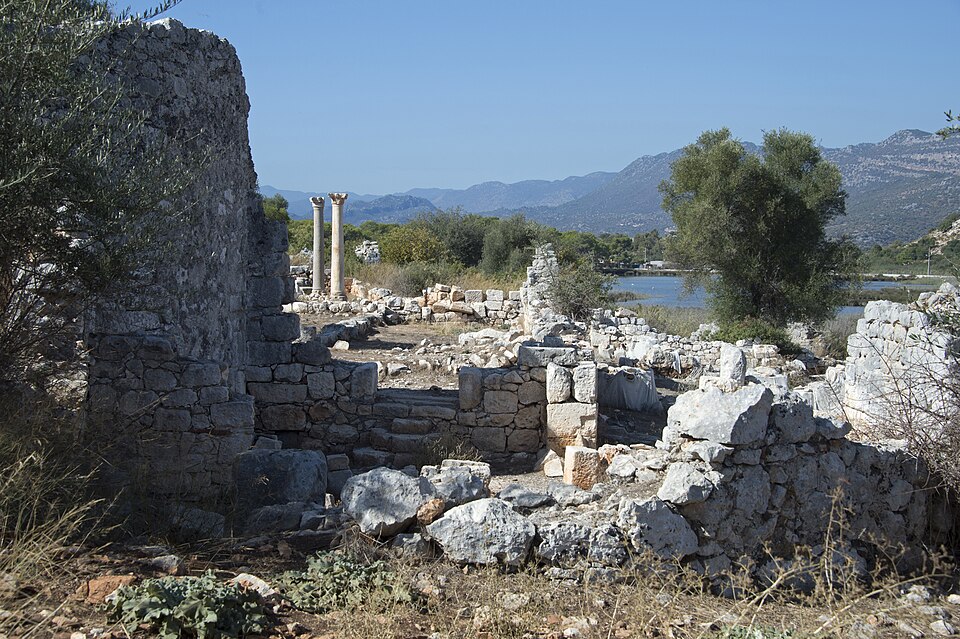
Andriaca occupies a coastal position within the Antalya province, in proximity to the modern settlement of Demre and the more extensively visited ancient site of Myra. Access from Antalya city centre requires road transportation via the D400 coastal highway, a journey of approximately two to two-and-a-half hours depending upon departure point and traffic conditions. Private vehicle or organised tour represent the most practical access modes given limited public transportation serving this specific archaeological location. Demre provides the nearest substantial settlement for orientation. Signage from major roads typically directs visitors toward the Myra-Andriaca archaeological zone.
Checked 2026-08-26
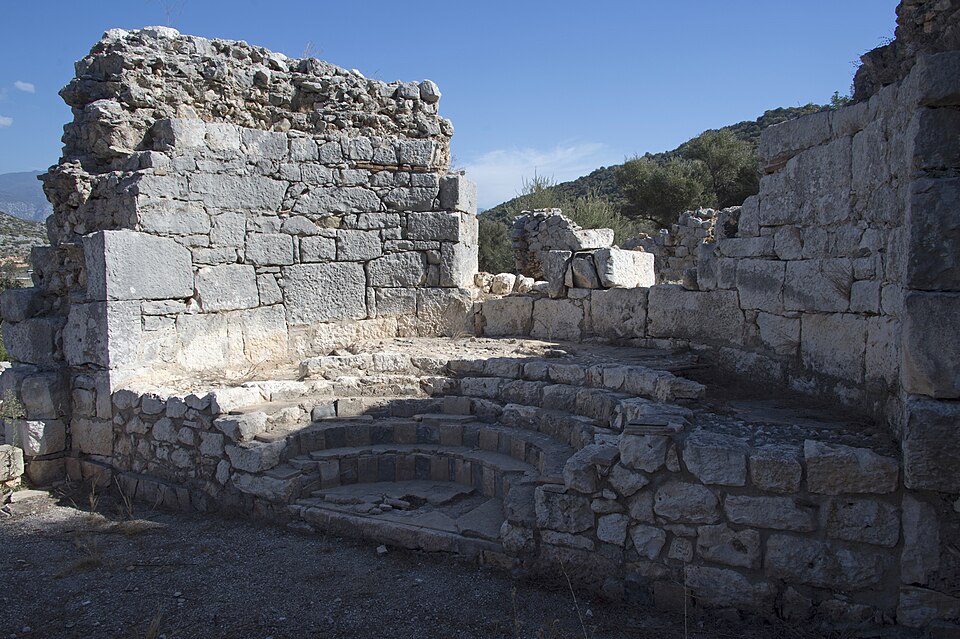
Archaeological sites present inherent physical hazards including uneven terrain, excavated areas, and deteriorated ancient masonry. Appropriate footwear with substantial soles and ankle support is essential. Summer heat exposure demands adequate hydration, sun protection, and pacing of physical activity. Limited shade coverage exacerbates thermal stress risks. Coastal location may contribute to slippery conditions near ancient harbour works. No emergency services presence should be assumed on-site. Visitors should carry sufficient water regardless of season. Mobile telephone signal availability for emergency communication is unverified. Respect for protective barriers and non-intrusive observation of archaeological deposits preserves heritage values for subsequent visitors.
Checked 2026-08-26
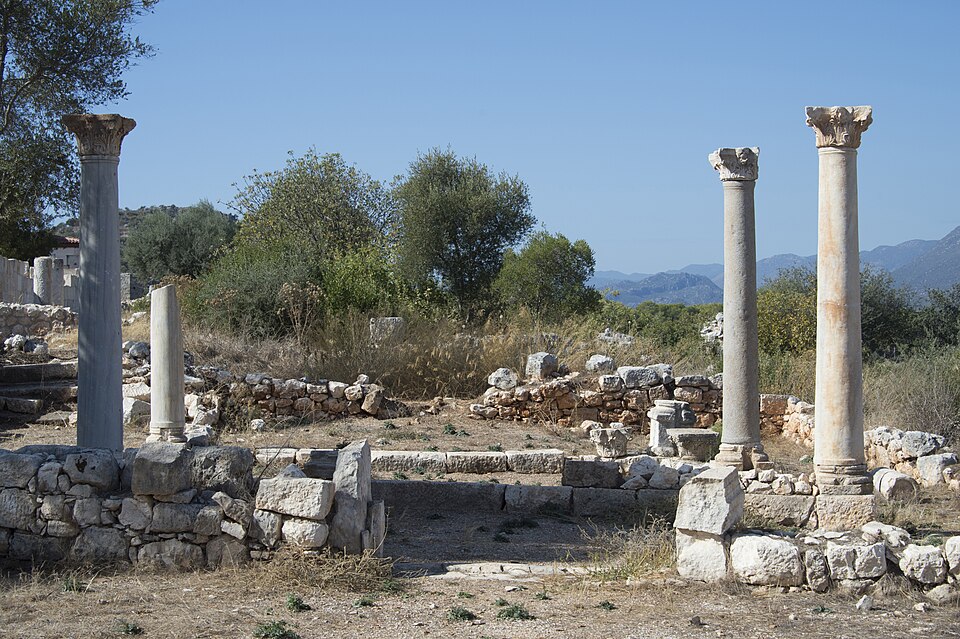
The open archaeological landscape permits generally unrestricted photographic documentation for personal purposes. Ancient harbour installations, warehouse foundations, and the relationship between built structures and coastal topography offer substantial compositional opportunities. Early morning and late afternoon lighting enhances textural detail in stone masonry and creates atmospheric depth across the excavated zone. Wide-angle perspectives effectively communicate the spatial organisation of port facilities. Detailed examination of masonry techniques and construction methods benefits from closer focal lengths. Drone operation would require verification of current Turkish aviation regulations and any site-specific restrictions. Commercial or publication photography may necessitate advance permit acquisition from heritage authorities.
Checked 2026-08-26
Yes, Andriake-Plakoma is the local name for the ancient site known historically as Andriaca. Both designations refer to the same archaeological location.
Andriaca functioned as the harbour and port city for ancient Myra, the inland Lycian urban centre. This paired settlement structure was common in ancient maritime civilisations.
On-site visitor facilities are not documented in available sources. Visitors should provision accordingly, with Demre offering the nearest substantial services.
Physical proximity permits separate visitation, though combined examination of both sites provides more complete understanding of the ancient urban-port system.
Archaeological terrain presents challenges for mobility-impaired visitors. Specific accessibility provisions are not recorded; direct enquiry advisable before visit.
The site represents Lycian civilisation with continued significance through subsequent Hellenistic and Roman periods when Mediterranean maritime trade intensified.
Loading the interactive map…
The interactive map could not be loaded.
Last updated:
Source: OpenStreetMap contributors, Wikidata ·