
.jpg)


3 min walk
Side Museum
- Must see
- Museum
Language · 11 published
Historic monument · Antalya
Side
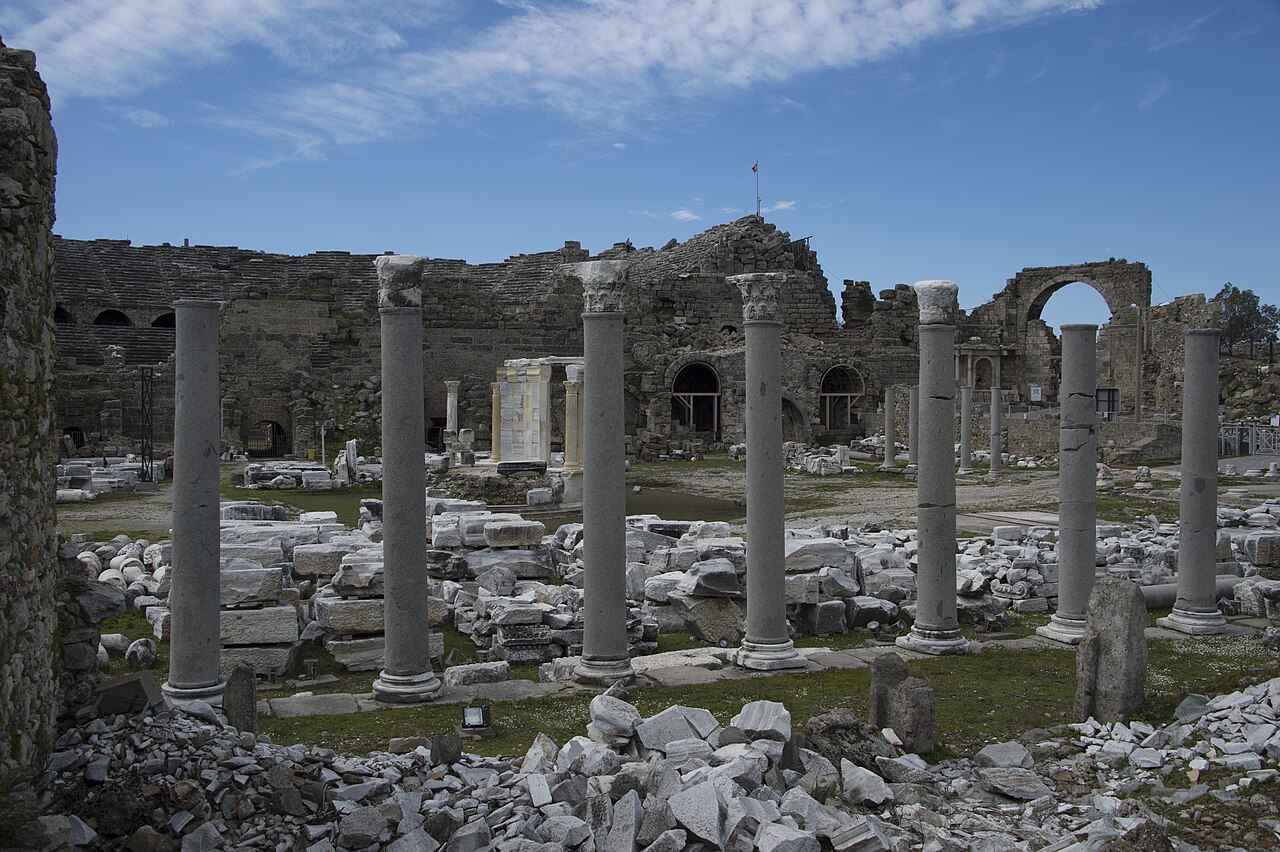
The Agora of Side is a distinct civic and commercial space within the ancient city on Side’s peninsula. Its surviving footprint is read through foundations, column drums, stone blocks, and architectural fragments rather than a complete standing building. The open square and the remains of its surrounding porticoes show where trade, administration, public meetings, and everyday movement once converged. Its importance is therefore spatial: the agora helps visitors understand how Side organized public life around a marketplace, streets, neighboring monuments, and access toward the harbor. Unlike a single monumental façade, this ruin rewards comparing alignments and distances across the archaeological landscape.
Checked 2026-08-26 · Source
The visible remains are primarily architectural traces rather than a complete standing building. Look for the outline of the colonnaded square, foundation platforms, scattered column drums, and portions of stoa structures that once framed the marketplace. Some blocks remain in place while others lie displaced across the archaeological ground. Drainage and water-management details can be partly observed among the ruins. The open layout makes it possible to compare the agora with the nearby theater and temple remains, but its meaning is easy to miss if you look only for intact walls. Pause to reconstruct the edges of the square and the covered walkways around it.
Checked 2026-08-26 · Source
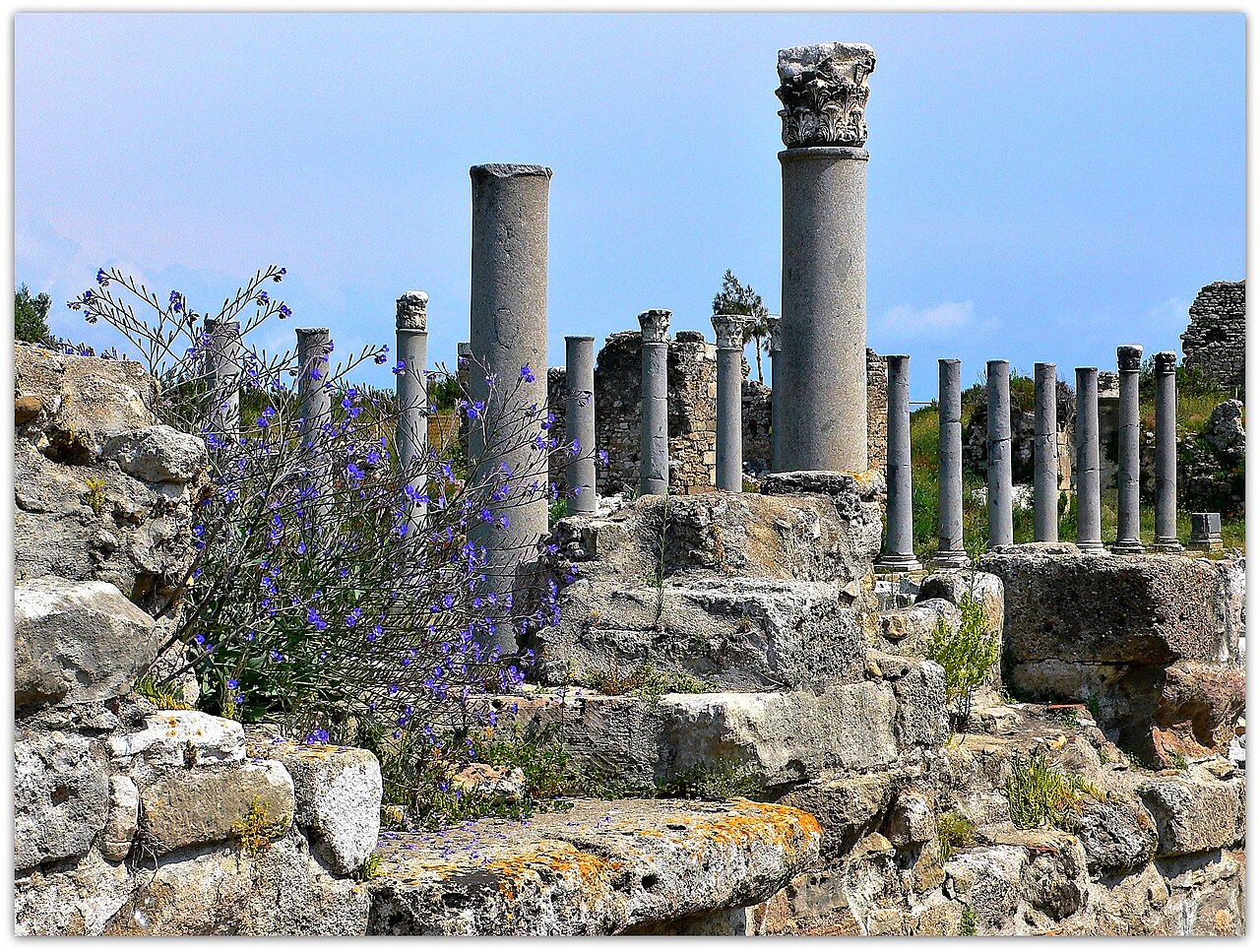
Allow around thirty to sixty minutes for a focused visit to the Agora of Side. A quick circuit of the visible remains may take about fifteen minutes, while visitors interested in construction details, urban planning, and the relationship with surrounding ruins will naturally need longer. The monument works particularly well as part of a half-day walk through Side’s ancient center, alongside the theater, temples, streets, and harbor area. Build in extra time for photographs and for moving carefully over irregular archaeological surfaces. Comfortable shoes make the visit more enjoyable, especially when you stop to examine scattered fragments rather than passing through quickly.
Checked 2026-08-26 · Source
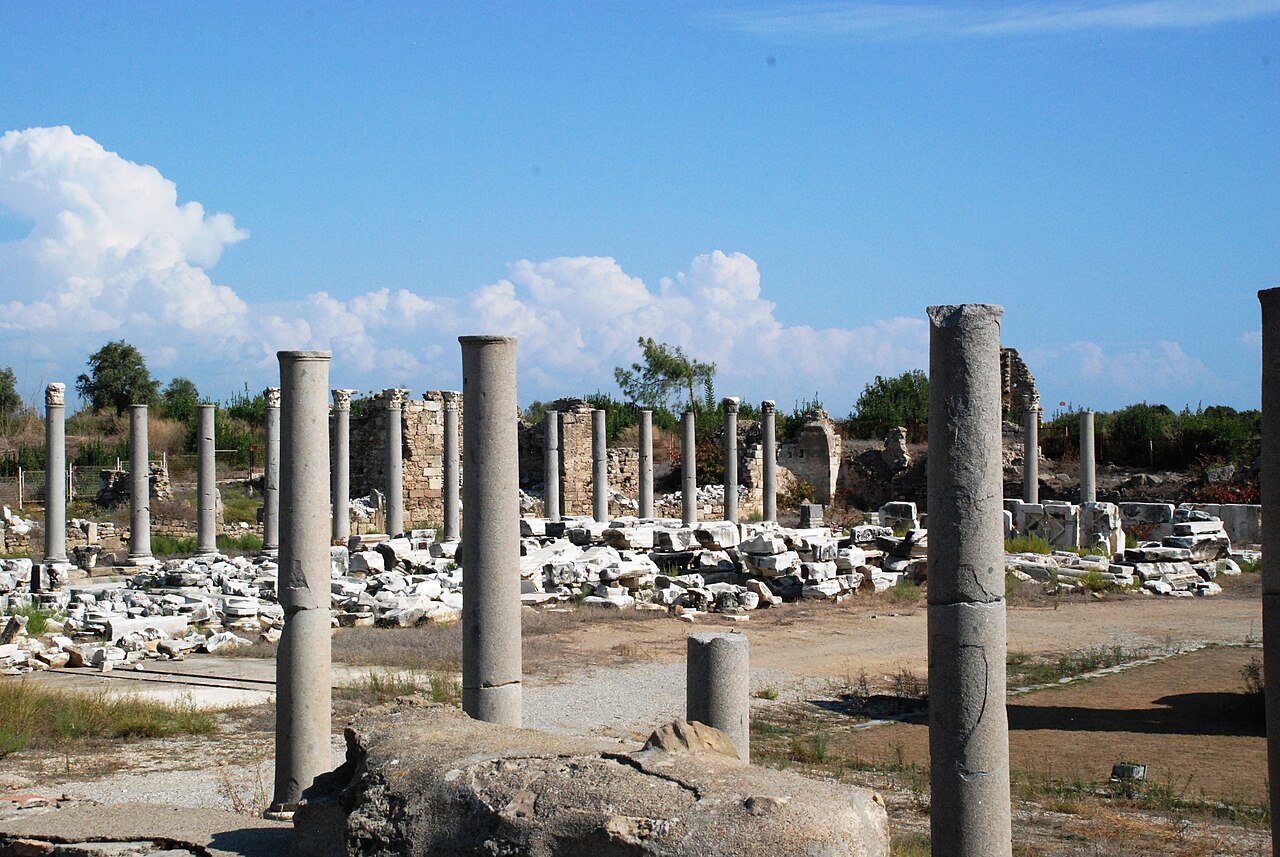
The agora is an exposed archaeological setting on the Mediterranean coast, so early or late in the day is usually more comfortable, particularly during the hot season. Spring and autumn can be agreeable for a longer walk across Side’s ancient quarter. Midday may feel demanding because the stone surfaces offer little shade. After rain, worn paving and loose stones may become slippery. Plan the agora together with the rest of the archaeological area and allow a slower pace when conditions are bright, hot, or wet. The monument’s open character is easiest to read in daylight, when its surviving footprint and surrounding streets can be compared clearly.
Checked 2026-08-26 · Source
No admission amount, payment rule, or ticket arrangement is recorded for the Agora of Side in the supplied place research. This guide therefore does not state a price or imply that entry is free. Treat the agora as one part of Side’s wider archaeological area when planning the visit, but no ticket structure is included here. The practical point is to avoid budgeting from an unsupported figure or assuming that a nearby monument’s arrangement applies to this specific ruin. The visible remains are described as an open archaeological setting, without a sourced admission rule attached to this place record.
Checked 2026-08-26 · Source
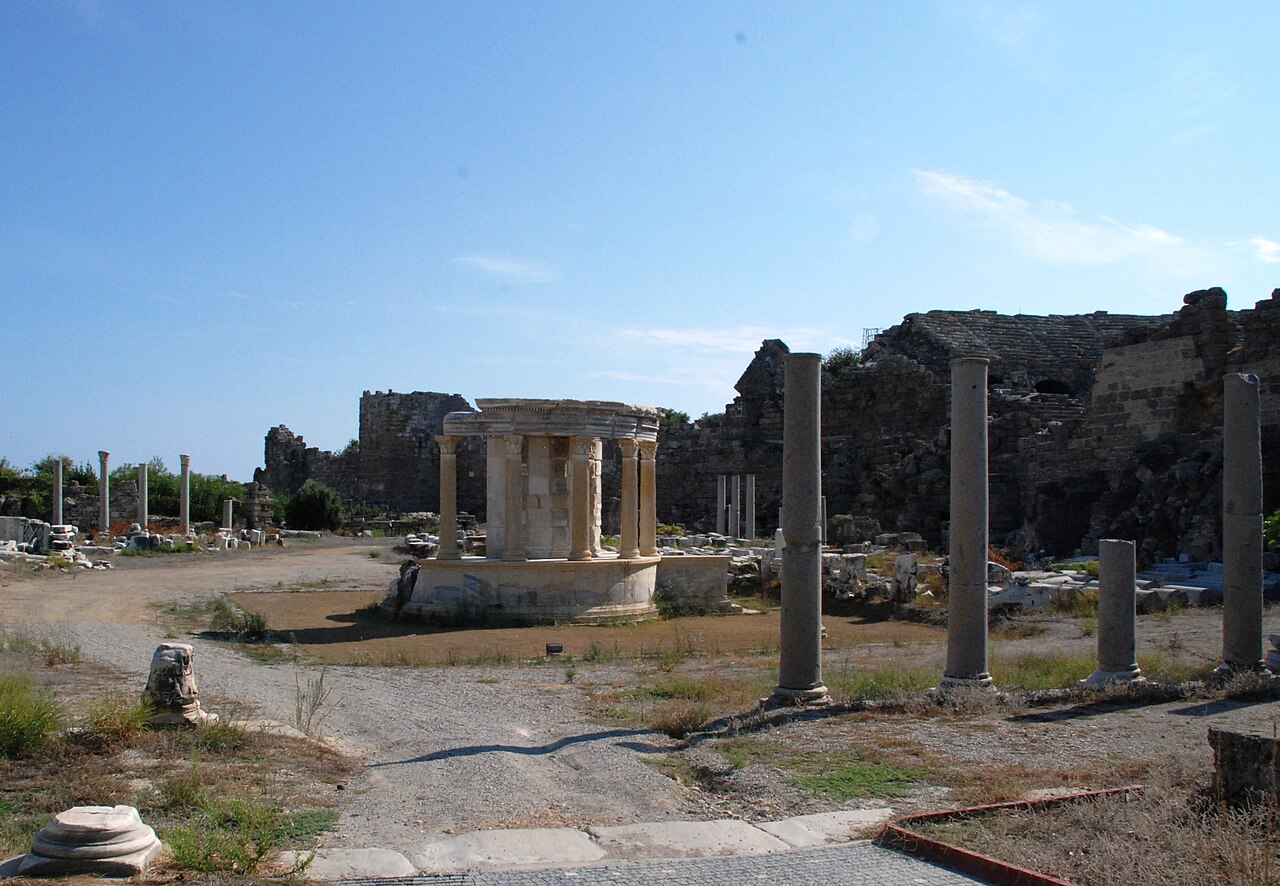
Side lies about seventy-five kilometres east of central Antalya along the D400 coastal route. Intercity buses reach modern Side, after which the ancient quarter is approached on foot; dolmuş services provide another connection with more flexible frequency. Drivers can use designated parking near the archaeological zone, while vehicle access on the historic peninsula is restricted. From the harbor or theater, continue through the walkable ancient-city core and follow archaeological-site signs toward the agora. The ground is generally flat but uneven, so the final approach is a walking route over historic surfaces rather than smooth urban pavement. Signage within the archaeological park helps connect the major monuments.
Checked 2026-08-26 · Source
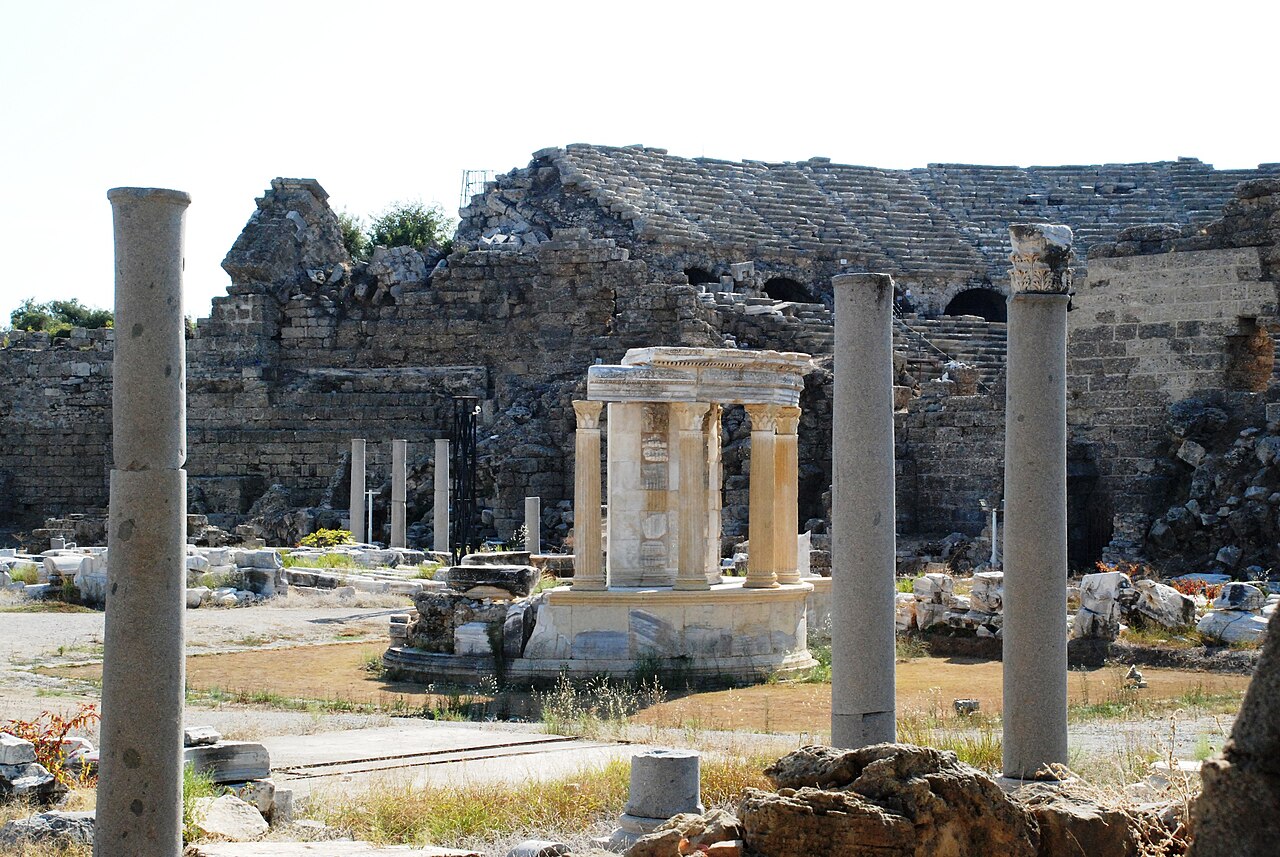
Expect uneven ancient surfaces, displaced blocks, loose stones, and partially buried remains. These conditions create a real trip risk, especially where the route crosses worn paving or changes level around foundations. The open setting also means strong sun and limited shade in warm weather; bring water, sun protection, and footwear with secure grip. Wet stone can be slippery. Stay on areas that appear intended for visitors, supervise children near unprotected edges, and do not climb on, move, or remove archaeological material. The monument is not a modern paved attraction, so pace and attention matter more than covering ground quickly. The terrain also makes wheelchair movement impractical across much of the agora.
Checked 2026-08-26 · Source
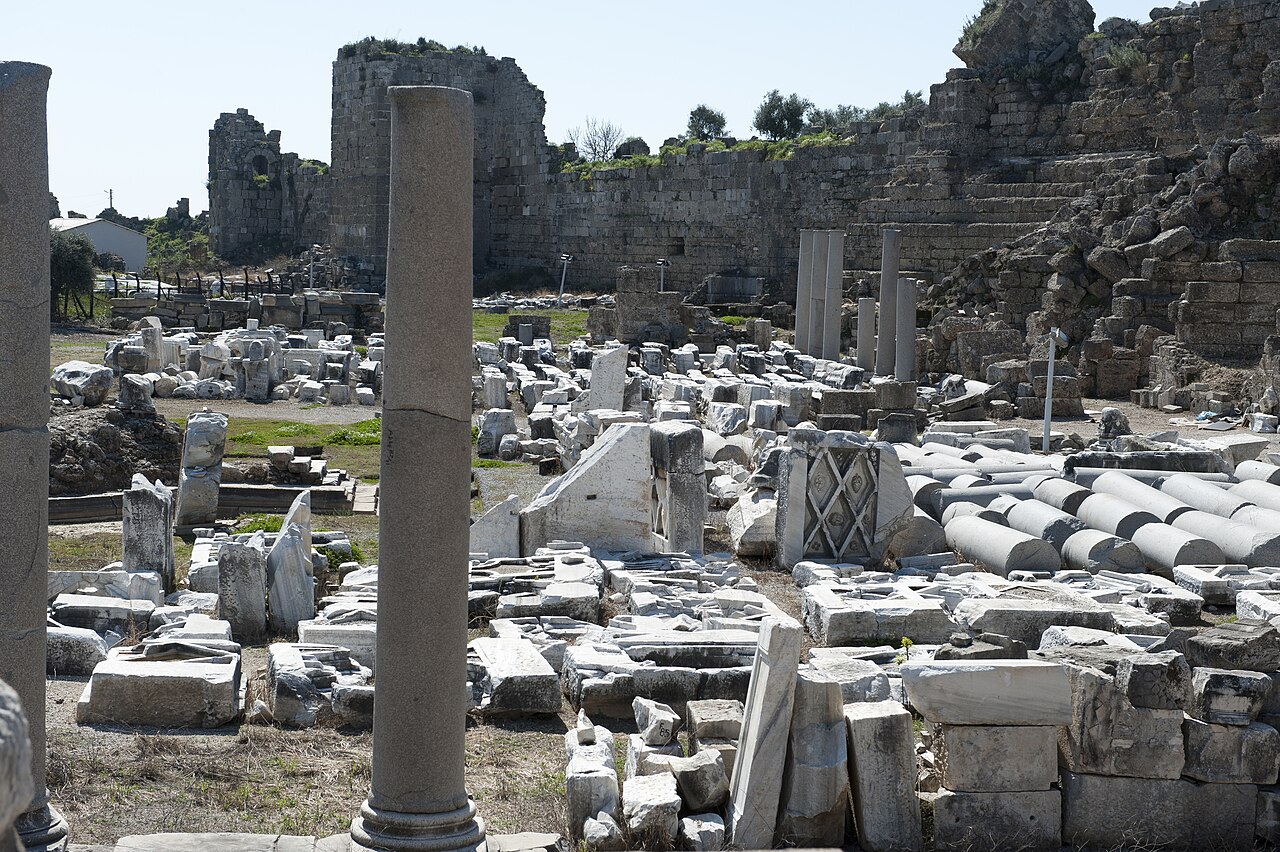
Photography at the Agora of Side is strongest when it explains the space rather than treating the ruins as isolated stones. Use a wide view to show the former marketplace footprint and its position within Side’s ancient urban fabric, then move closer for column drums, masonry joints, drainage details, and weathered surfaces. Low morning or late-afternoon light can bring out texture and make surviving alignments easier to read. Include neighboring ruins or the approach streets when you want the photograph to communicate how the agora connected public life with the rest of the city. Keep equipment and tripods from obstructing movement, and treat every stone as protected heritage while working across the uneven ground.
Checked 2026-08-26 · Source
Wheelchair movement is therefore impractical across much of the agora, and visitors with mobility limitations should expect difficult archaeological terrain.
It describes the monument as part of Side’s connected archaeological landscape, so this answer does not promise a tour schedule or claim a guaranteed guide service.
Do not climb on, move, or remove stones from the agora. The visible remains include fragile archaeological structures, displaced blocks, and weathered surfaces; keeping clear of them protects the site and reduces the risk of damage during your visit.
It describes an open archaeological area within Side’s ancient quarter, so visitors should plan their walk around the uneven ruins rather than relying on an on-site restroom facility.
Its open, exposed remains are described as easiest to understand in daylight, when the surviving footprint, fragments, and surrounding streets can be seen clearly.
The agora formed a civic and commercial focus within Side’s connected urban layout. Ancient streets linked this public marketplace with the theater, temple areas, and harbor, so its position helps explain how commercial, ceremonial, and waterfront parts of the city worked together. Its open footprint is best understood in that wider relationship.
Loading the interactive map…
The interactive map could not be loaded.

Last updated:
Source: OpenStreetMap contributors, Wikidata ·