
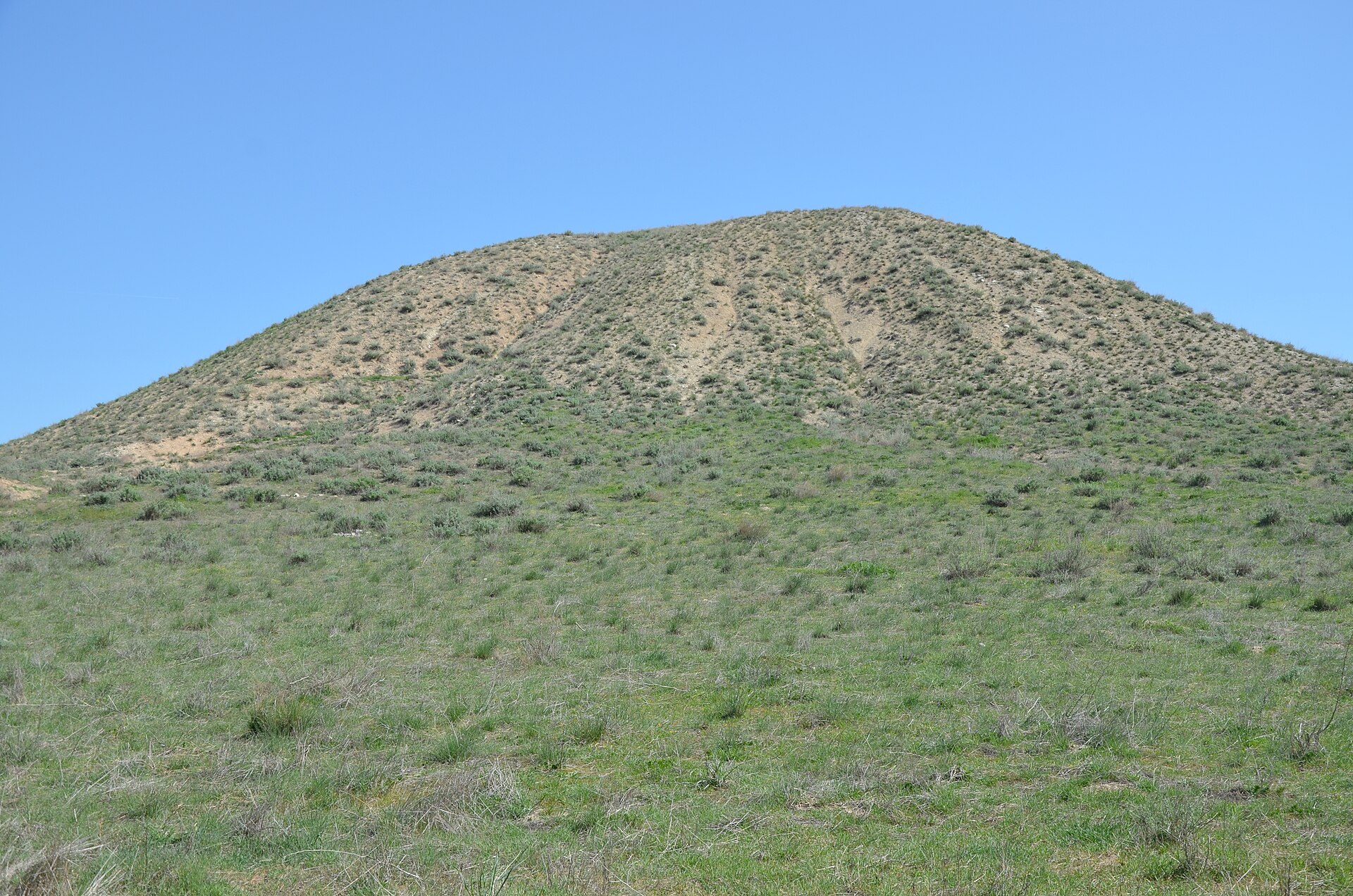
3 min walk
Tumulus MM
- Must see
- Historic monument
Language · 11 published
Museum · Ankara
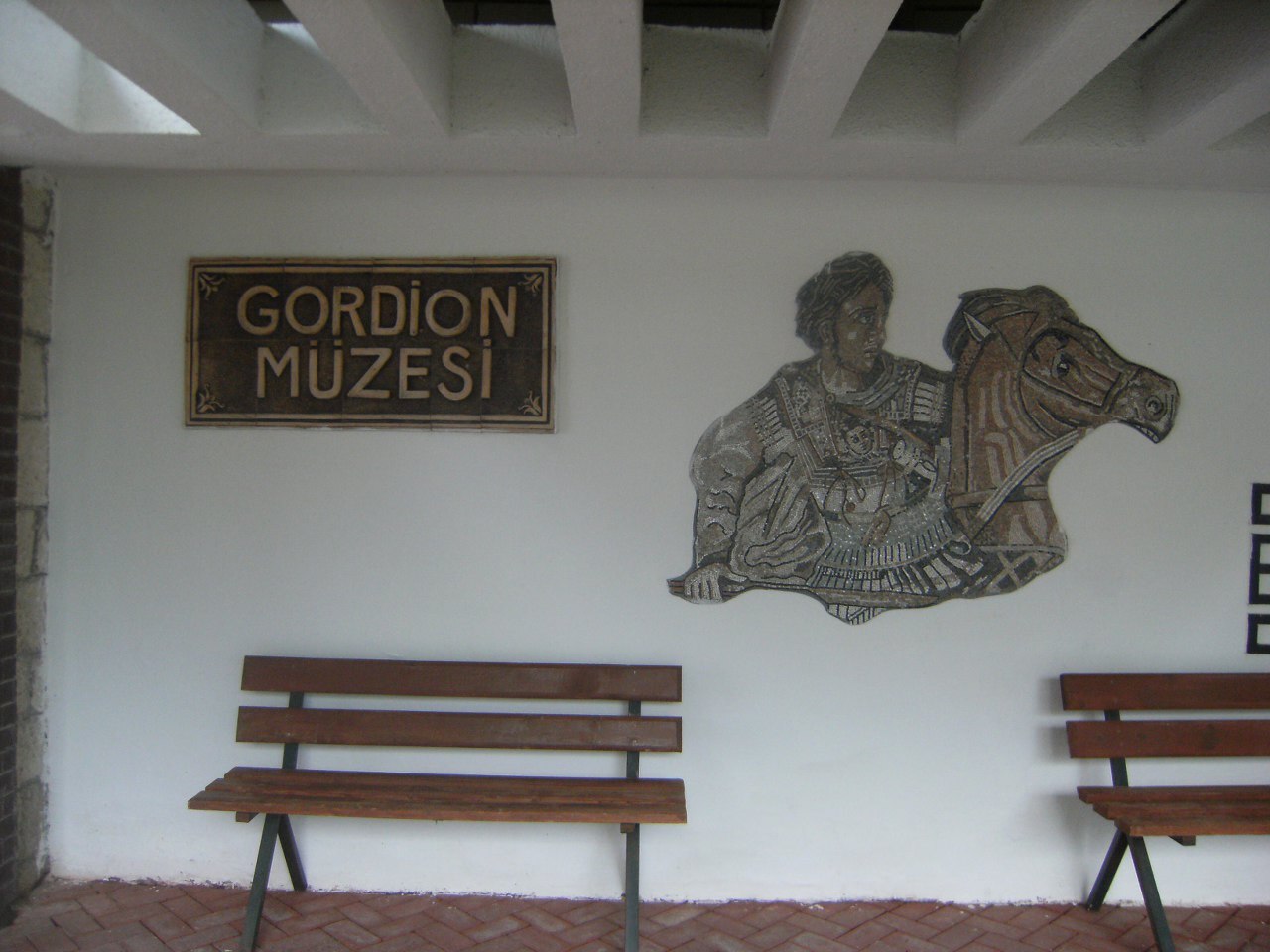
Gordion Müzesi
| Monday | 09:00 – 18:00 |
|---|---|
| Tuesday | 09:00 – 18:00 |
| Wednesday | 09:00 – 18:00 |
| Thursday | 09:00 – 18:00 |
| Friday | 09:00 – 18:00 |
| Saturday | 09:00 – 18:00 |
| Sunday | 09:00 – 18:00 |
Checked 2026-09-02 · Source
Read from the OpenStreetMap access tags; anything not listed has no tag recorded.
Set the group type to family in the planner and the day window contracts to about three quarters of a solo day.
Gordion Museum stands beside Yassıhöyük, the village associated with the ancient Phrygian capital of Gordion in Ankara Province. Established in 1963, it presents archaeological finds from the settlement and helps visitors understand the site’s long occupation. The visit connects indoor galleries with the archaeological landscape outside, including the mound areas. That combination makes the museum a useful starting point before walking around Gordion: objects, periods and excavation context are encountered in the same rural setting. The museum is in Yassıhöyük Mahallesi, about 18 kilometres northwest of Polatlı, so plan it as a dedicated excursion from Ankara rather than a brief central-city stop.
Checked 2026-09-02 · Source
The displays begin with Early Bronze Age finds and Early Phrygian material, including handmade pottery, iron tools and tools associated with textile production. In the new exhibition hall, a panoramic display case presents a typical structure from a destruction layer dated to about 700 BC. This reconstruction connects the artefacts with the buildings and settlement behind them. The hall also includes imported Greek ceramics dating from the 6th century BC to the 4th century AD, alongside Hellenistic and Roman-period material. The final section contains seals and coins discovered at Gordion. Together, the galleries show changing technologies, trade, daily life and administration across successive periods.
Checked 2026-09-02 · Source
Allow 60 to 90 minutes for the museum if you read the labels and examine the chronological displays carefully. Add time for the archaeological site, because the outdoor mound areas extend the visit beyond the galleries and require movement across open-air terrain. A focused museum visit may take roughly 45 minutes, but Gordion is more rewarding when the museum is treated as the first part of a wider stop. Travellers from Ankara or Polatlı should include the final road transfer to Yassıhöyük and allow a pause between the indoor exhibitions and the mound areas. Half a day gives the destination a comfortable pace without rushing the galleries or the landscape.
Checked 2026-09-02 · Source
The operator lists Gordion Museum as open every day from 09:00 to 18:00, while the ticket office closes at 17:30. Arriving early leaves more time to combine the exhibitions with the outdoor mound areas, especially when the journey includes a transfer from Polatlı. The archaeological site is open-air, so daylight and comfortable walking conditions matter for the wider experience. The daily schedule suits a day trip, but the last ticket time is earlier than the stated closing time. Arrive with enough margin to buy admission before 17:30 and to see the displays without compressing the outdoor part of the visit.
Checked 2026-09-02 · Source
Türkiye citizens can use MüzeKart under the applicable museum-entry rules, so bring a valid card if you have one and present it at the ticket office. The ticket office closes at 17:30 even though the museum remains open until 18:00. No separate child, student, group, combined-site or event price is provided in the research, so no additional tariff is stated here. The admission source is the Ministry of Culture and Tourism tariff document checked on 2 September 2026.
Checked 2026-09-02 · Source
From Ankara, travel first to Polatlı by public transport, high-speed train or suburban train. Gordion Museum is in Yassıhöyük Mahallesi, approximately 18 kilometres northwest of Polatlı. There is no regular public transport service between Polatlı and Yassıhöyük, so arrange a private vehicle, taxi or tour bus for the final leg. Reaching Polatlı therefore does not complete the journey to the museum. Public-transport travellers should organise the onward ride before leaving Polatlı, while a private car or organised tour simplifies the rural connection. The museum works best as a planned day trip with the transfer arranged in advance.
Checked 2026-09-02 · Source
Plan the museum and archaeological site as one indoor-and-outdoor visit. The official museum plan identifies exhibition halls, a museum garden and toilets, but it does not identify a step-free route or wheelchair-accessible entrance. Access should therefore be treated as limited. Beyond the building, the mound areas are open-air terrain and may be uneven or sloping, making them difficult for wheelchairs, pushchairs or visitors who need stable paths. Wear supportive shoes and consider mobility needs before travelling. Late arrivals have little margin because the ticket office closes at 17:30, one hour before the museum’s stated closing time.
Checked 2026-09-02 · Source
A useful photography sequence follows the museum’s chronology. Begin with the Early Bronze Age finds, then photograph the Early Phrygian handmade pottery, iron tools and textile-production tools before looking for the panoramic reconstruction of a structure from the destruction layer dated to about 700 BC. Imported Greek ceramics and later Hellenistic and Roman-period material provide a contrasting visual sequence, while seals and coins form a compact closing group. Outside, the mound areas place the collection in its archaeological setting. Take landscape views from suitable paths and watch your footing.
Checked 2026-09-02 · Source
Gordion Museum is in Yassıhöyük Mahallesi, approximately 18 kilometres northwest of Polatlı in Ankara Province. It stands beside the village associated with ancient Gordion and its archaeological site.
The museum was established in 1963 beside the village now known as Yassıhöyük. It presents archaeological material discovered at Gordion and introduces visitors to the wider site.
The collections include Early Bronze Age finds and Early Phrygian handmade pottery, iron tools and tools associated with textile production.
A panoramic display case presents a typical structure from a destruction layer dated to about 700 BC, connecting the gallery objects with Gordion’s settlement context.
The new hall includes imported Greek ceramics from the 6th century BC to the 4th century AD, together with Hellenistic and Roman-period material.
The final section displays seals and coins discovered at Gordion, offering a concise view of identification, exchange and administration in the archaeological record.
Loading the interactive map…
The interactive map could not be loaded.
Last updated:
Source: OpenStreetMap contributors, Wikidata ·