
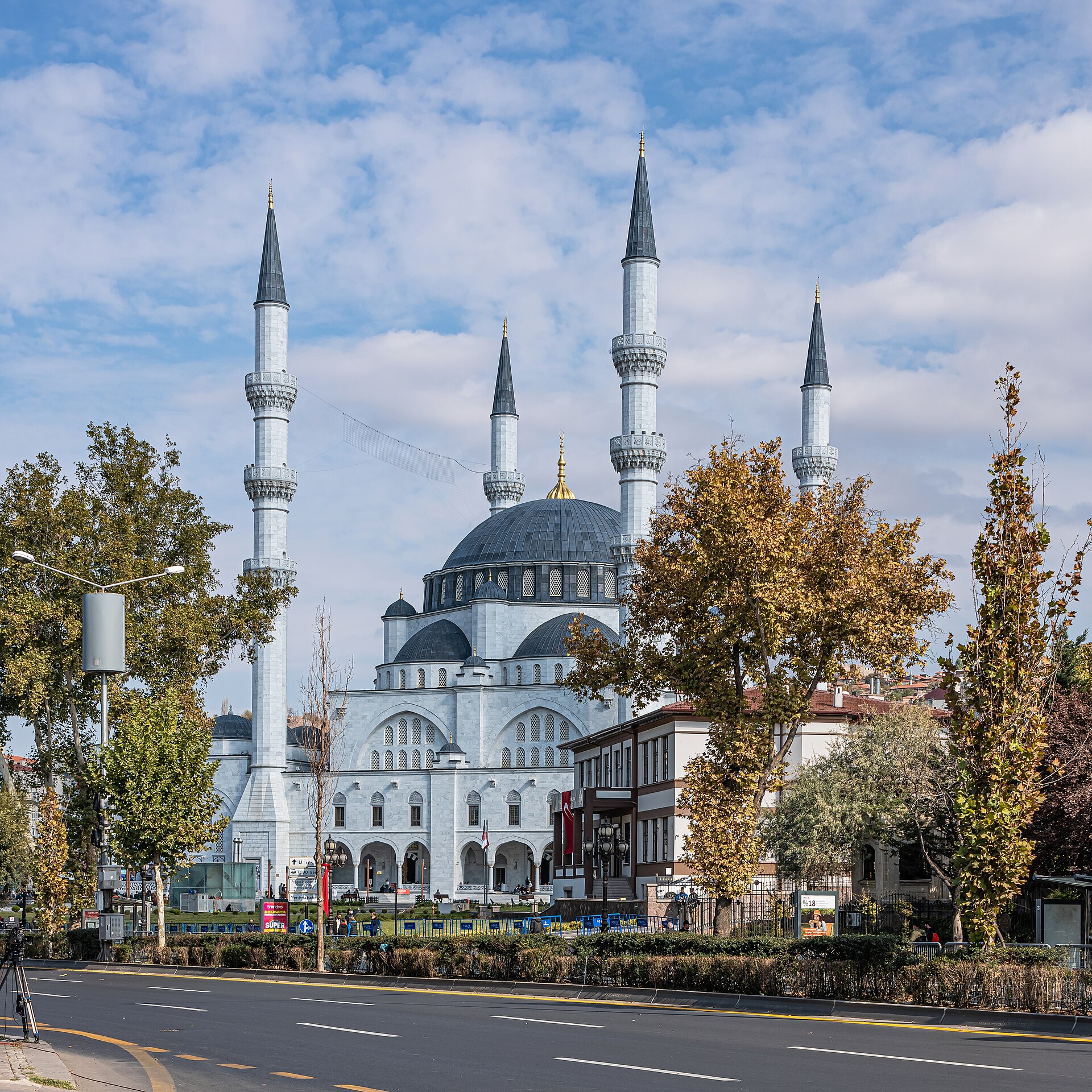
2 min walk
Melike Hatun Mosque
- Must see
- Place of worship
Language · 11 published
Museum · Ankara
Ankara Vakıf Eserleri Müzesi

| Monday | Closed |
|---|---|
| Tuesday | 09:00 – 17:00 |
| Wednesday | 09:00 – 17:00 |
| Thursday | 09:00 – 17:00 |
| Friday | 09:00 – 17:00 |
| Saturday | 09:00 – 17:00 |
| Sunday | 09:00 – 17:00 |
Checked 2026-09-02 · Source
Ankara Vakıf Museum is a specialised Ulus collection centred on objects preserved through the charitable foundation tradition known as vakıf. Its displays connect religious practice with the material skills that supported worship, learning and public benefit. Carpets, kilims, metalwork, tiles, woodwork and leather objects appear alongside handwritten works, Qurans, vakfiyes and calligraphy panels. A Kaaba covering and recovered cultural objects provide especially distinctive points of reference. The museum offers a concentrated way to consider how textiles, manuscripts, surfaces and inscriptions carry spiritual meaning while also recording institutional stewardship in Ankara’s historic centre. Its subject is therefore both artistic and social: the objects represent skilled production, devotional use and the foundation structures that preserved them.
Checked 2026-09-02 · Source
The displays reward close comparison between materials and functions. Carpets and kilims introduce woven pattern and texture; metalwork brings reflective surfaces; tiles add glazed colour; woodwork and leather show other forms of skilled making. Handwritten works, Qurans, vakfiyes and calligraphy panels shift attention toward writing, devotion and the documentation of charitable foundations. The Kaaba covering is a memorable textile highlight, while recovered cultural objects extend the museum’s emphasis on protection and stewardship. Look for contrasts between soft patterned fibres, hard decorated surfaces and the disciplined visual structure of lettering throughout the collection. Moving between these groups helps explain how the museum brings craft, religious life and charitable history into one compact visit.
Checked 2026-09-02 · Source
Allow roughly 45 to 75 minutes for a first visit if you want more than a quick overview. A shorter route can introduce the principal material groups in about half an hour, but the collection becomes more rewarding when you pause over carpet and kilim patterns, surface decoration, handwritten works and vakfiyes. Visitors interested in calligraphy or inscriptions may need longer to examine details without rushing. Since the museum is a compact cultural stop in Ulus, it fits naturally between nearby sights, while a slower visit can anchor a more focused decorative-arts and religious-history itinerary. Reserve additional time if comparing techniques or making detailed notes about manuscripts and inscriptions.
Checked 2026-09-02 · Source
The published schedule is Tuesday through Sunday, 09:00–17:00, with Mondays closed. Morning is a practical choice for visitors who want unhurried time with the textiles, manuscripts and calligraphic details, followed by other Ulus stops later in the day. The 17:00 closing time should be treated as the end of the visit window, not as an evening opening. The Tuesday–Sunday pattern works for both weekday and weekend routes, but Monday itineraries need a different museum or sight in this part of Ankara. A daytime visit also leaves room to continue along Atatürk Bulvarı and explore the historic centre.
Checked 2026-09-02 · Source
Adult admission is free according to the Vakıflar Genel Müdürlüğü museum information, so no adult ticket cost needs to be added to an Ankara day plan. This makes the museum easy to combine with other cultural visits in Ulus. Entry belongs within the published Tuesday–Sunday, 09:00–17:00 schedule, and visitors should follow any instructions given at the entrance. The recorded admission fact is limited to free adult entry; no additional paid tariff, concession, child price or event charge is recorded in the supplied operator or responsible-public-body research. The museum is consequently a useful low-cost stop for visitors planning several museums in the same district.
Checked 2026-09-02 · Source
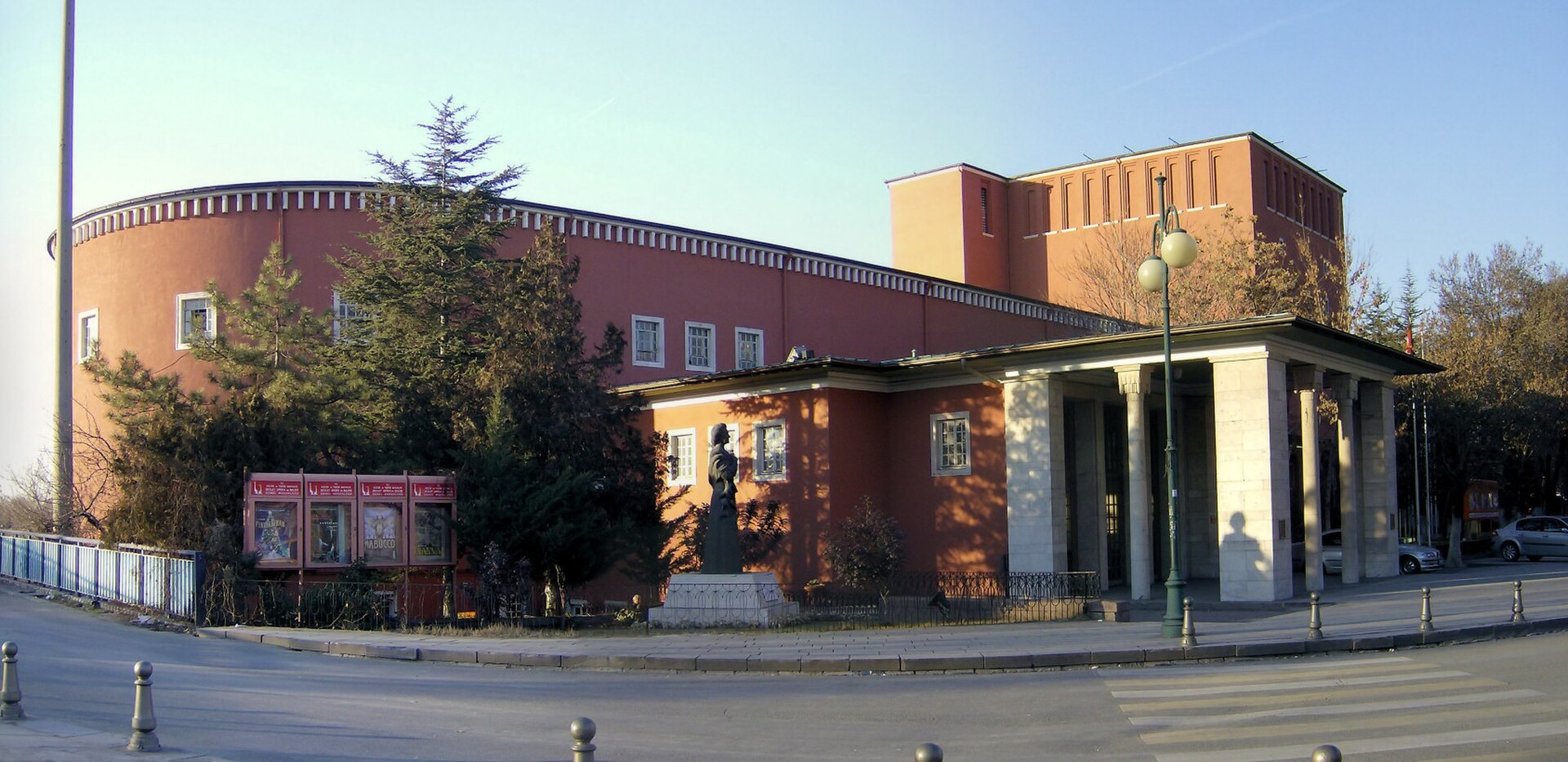
Ankara Vakıf Museum stands at Anafartalar Mahallesi, Atatürk Bulvarı No:23, Altındağ, Ankara, opposite the State Opera and Ballet building in Ulus. Visitors using public transport can choose services travelling towards Opera or Ulus, then use that prominent building as the orientation landmark. The address and opposite-building reference are most useful together when approaching along Atatürk Bulvarı. Its central position makes the museum a straightforward component of an Ulus walking route, linking this specialised collection with other historic and cultural stops in the district. The Opera and Ulus directions are the operator’s practical public-transport guidance; no route number is recorded here.
Checked 2026-09-02 · Source
Plan around the museum’s Monday closure and daytime schedule when building an Ulus route. The collection contains details that are easy to skim past: repeated woven motifs, lettering, inscriptions, decorated surfaces and the relationship between an object’s material and its religious or charitable setting. Keep the visit focused on observation rather than assuming that a short stop will reveal every manuscript or textile detail. Follow on-site directions around the displays, particularly where close viewing of handwritten works, Qurans or calligraphy could affect other visitors’ concentration. The museum’s specialised subject rewards patience, so avoid reducing the visit to a rapid checklist of object types.
Checked 2026-09-02 · Source
The strongest visual subjects are the collection’s changes of material and pattern: carpets and kilims, reflective metalwork, glazed tiles, carved wood, leather surfaces and the ordered forms of calligraphy panels. The Kaaba covering provides another distinctive detail to notice. Use photography only where the museum permits it and follow staff or display instructions, especially around manuscripts, Qurans and other sensitive objects. Even without taking pictures, noting a repeating motif, a surface treatment or a line of lettering can help preserve the character of this compact Ulus visit. Photographing details should remain secondary to quiet viewing, particularly when another visitor is studying a manuscript or calligraphic panel.
Checked 2026-09-02 · Source
The museum is open Tuesday through Sunday from 09:00 to 17:00.
It is closed on Mondays.
Adult admission is free.
It is at Anafartalar Mahallesi, Atatürk Bulvarı No:23, Altındağ, Ankara, opposite the State Opera and Ballet building in Ulus.
The displays include carpets, kilims, metalwork, tiles, woodwork, leather objects, handwritten works, Qurans, vakfiyes, calligraphy panels, a Kaaba covering and recovered cultural objects.
Take public transport towards Opera or Ulus and use the State Opera and Ballet building opposite the museum as your landmark.
Loading the interactive map…
The interactive map could not be loaded.

Last updated:
Source: OpenStreetMap contributors, Wikidata ·