
4 min walk
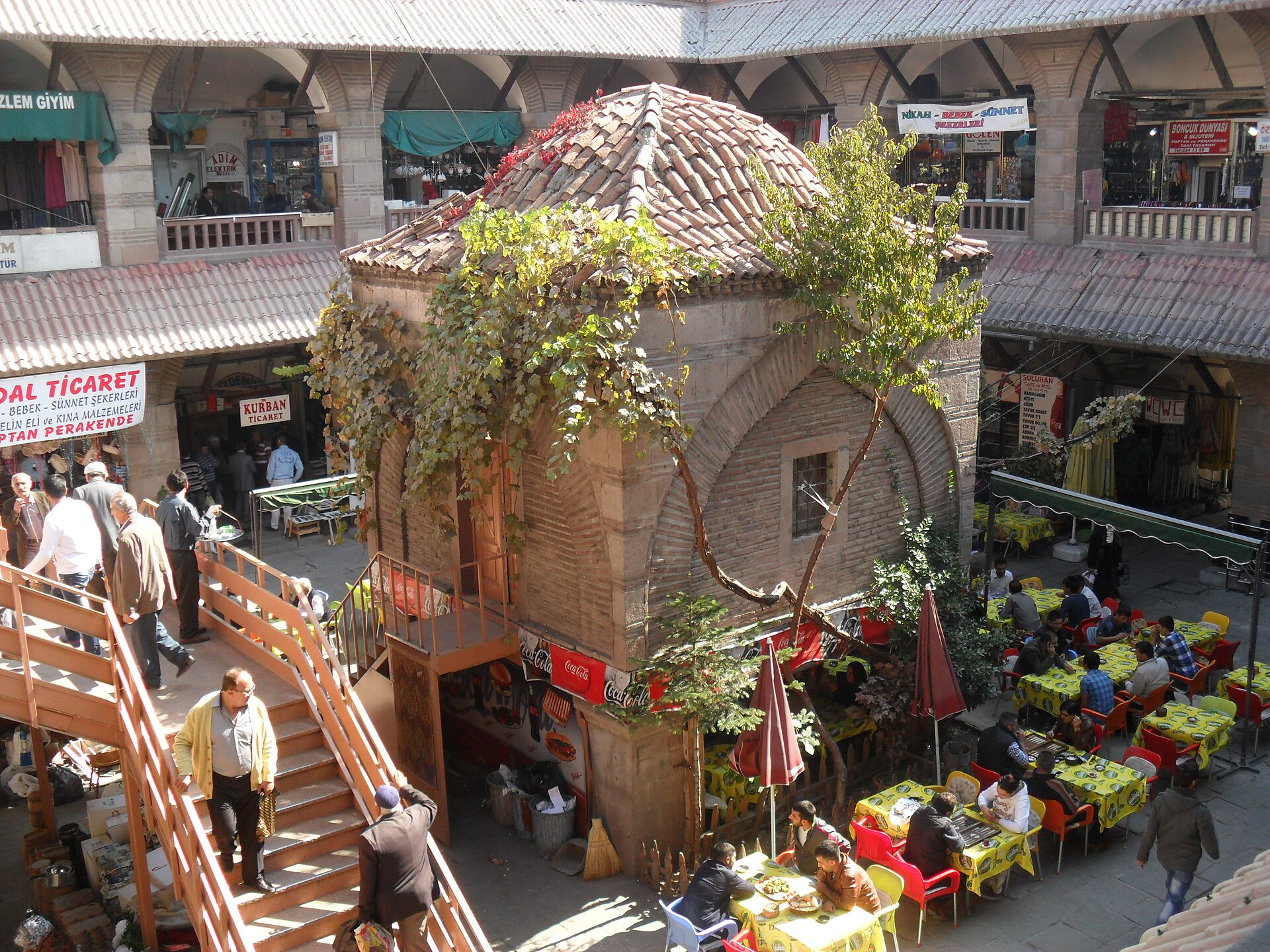
Suluhan
- Must see
- Historic monument
Language · 11 published
Historic monument · Ankara

Ankara Roma Tiyatrosu is an archaeological theatre in Ulus, Ankara’s historic core, within Altındağ district. Its remains are generally dated to the 2nd century AD, making the site a tangible Roman layer in a city better known today for republican monuments and museums. Excavation work led by the Museum of Anatolian Civilizations between 1982 and 1986 brought the theatre’s surviving structures into view. The location between Hisar Caddesi and Pınar Sokak places the remains on a historic hillside among Ulus’s dense heritage sites. This is an archaeological place to interpret through its surviving fabric and organised access, not a functioning theatre or a permanently scheduled daily attraction.
Checked 2026-09-02 · Source
The excavated complex includes vaulted parados structures, the orchestra, cavea seating areas and sections associated with the stage. Together, these remains reveal the basic organisation of a Roman performance venue: side access and circulation, a central performance area, rising audience seating and a stage zone. The value of the visit lies in seeing those relationships in their original archaeological setting rather than in a reconstructed interior. The theatre is part of a broader archaeological landscape, and the available municipal programme identifies the area as Arkeopark–Roma Tiyatrosu. A guided Ankara Miras visit can help visitors distinguish the different surviving elements while moving through the site.
Checked 2026-09-02 · Source
Set aside roughly 45 to 75 minutes for a focused scheduled visit. That planning range allows time to reach the meeting point, hear the guide’s explanation and examine the theatre’s excavated remains without treating the stop as a hurried photograph. It is an editorial itinerary estimate, not a duration published by the operator. If an Ankara Miras appointment links the theatre with another nearby heritage location, the overall activity may last longer. Arrival time, briefing and movement through the archaeological area should follow the confirmed programme, because access is organised around announced tours or appointments rather than a daily visitor timetable.
Checked 2026-09-02 · Source
Ankara Miras visits are announced for particular dates, so the useful time to come is the date and meeting time stated in the municipality’s current programme. The municipal 2026 event record specifically lists an archaeological excavation workshop at the Arkeopark–Roma Tiyatrosu area on 23 and 24 June 2026. That listing demonstrates event-based activity, not daily opening. Plan this stop around a confirmed Ankara Miras announcement and its application process, rather than assuming that an independent walk-in visit will be possible.
Checked 2026-09-02 · Source
The researched Ankara Miras construction-site tour format is free of charge and requires an online application. The admission record therefore applies to participation in that municipality-organised guided visit: there is no per-person ticket price for the researched tour. Submit the online form through the Ankara Metropolitan Municipality announcement when registration is offered, and keep the confirmation or appointment details for the visit. This information should not be extended to unrelated future events or programmes at the archaeological area whose own conditions are not covered by the supplied operator notice.
Checked 2026-09-02 · Source
Use Ankara Metro’s M1 line and leave the train at Ulus station. From the station, walk through the historic Ulus centre towards Hisar Parkı Caddesi, then continue to the area between Hisar Caddesi and Pınar Sokak. The approach crosses Ankara’s older hillside cityscape, so the final walk is better treated as a heritage route than as a simple level transfer. For an organised Ankara Miras visit, use the meeting point and entrance instructions in the confirmed municipal notice: a scheduled group may gather at an arranged access point rather than at an unrestricted gate.
Checked 2026-09-02 · Source
Expect an archaeological excavation setting on an inclined historic slope, not a level museum gallery. Wear secure footwear and allow time for careful movement around uneven or controlled areas. Visitor circulation may be supervised more closely during an excavation workshop or other appointment-based activity. Stay with the group, respect barriers and follow the guide’s instructions around exposed remains and working archaeological spaces.
Checked 2026-09-02 · Source
Photographs work best when they explain the theatre’s surviving layout: frame the orchestra with the cavea, record the stage sections and look for the vaulted parados structures that show how the venue was entered and organised. Wider views can place the remains on the Ulus hillside and connect the ancient structure with Ankara’s historic centre. Follow the guide’s directions, particularly during excavation workshops, and prioritise a few clear architectural details over repetitive shots.
Checked 2026-09-02 · Source
It is in Ulus, in Ankara’s Altındağ district, between Hisar Caddesi and Pınar Sokak.
The theatre is generally dated to the 2nd century AD.
Excavation work led by the Museum of Anatolian Civilizations took place between 1982 and 1986.
The theatre area was registered as a first- and second-degree natural protected site on 25 February 1992.
The excavations found vaulted parados structures, the orchestra, cavea seating areas and stage sections.
Visitors can apply online for Ankara Metropolitan Municipality’s Ankara Miras construction-site tours, which are organised free of charge.
Loading the interactive map…
The interactive map could not be loaded.

Last updated:
Source: OpenStreetMap contributors ·