


3 min walk · Altındağ
Julian Column
- Must see
- Historic monument
Language · 11 published
Place of worship · Altındağ, Ankara
Hacı Bayram Veli Camii
Read from the OpenStreetMap access tags; anything not listed has no tag recorded.
Set the group type to family in the planner and the day window contracts to about three quarters of a solo day.
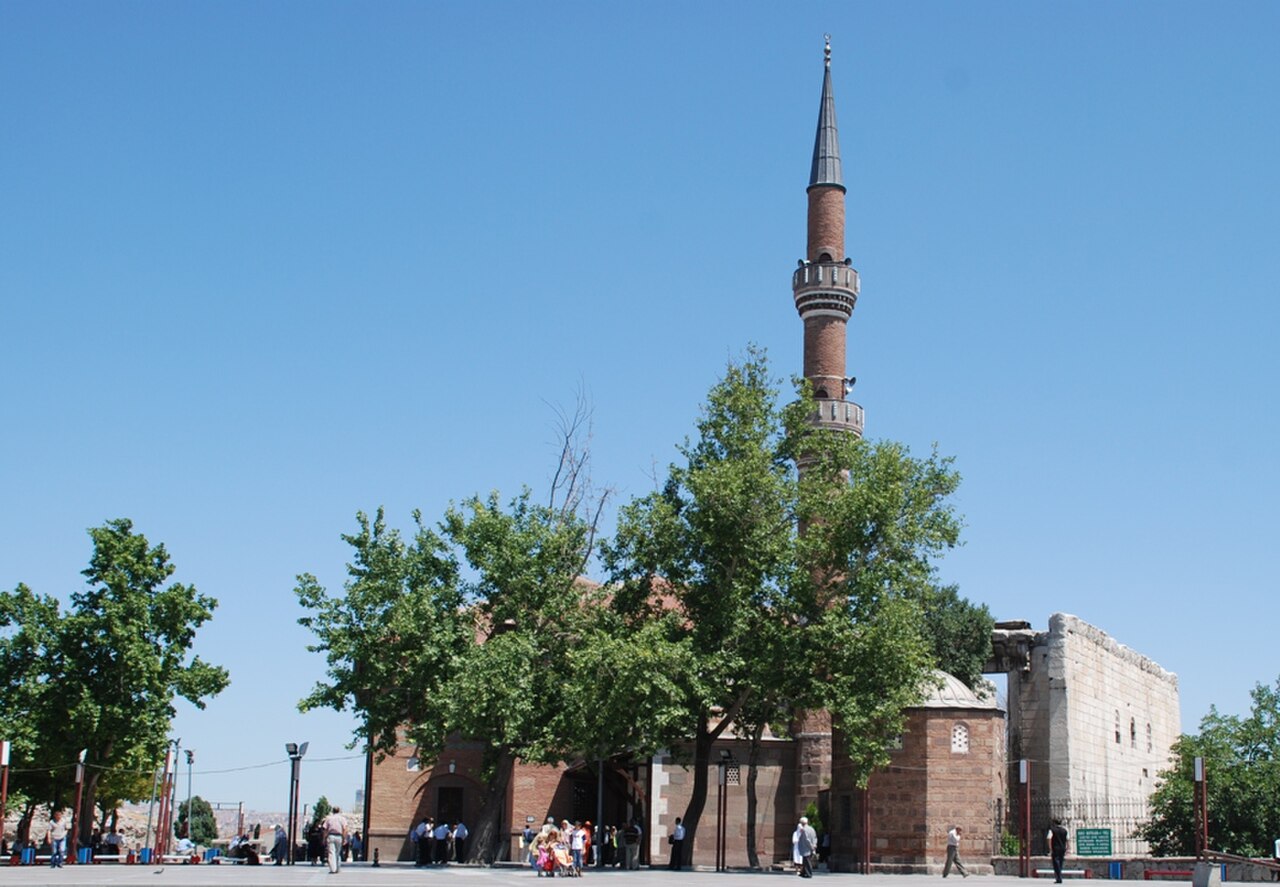
Hacı Bayram Mosque is an active place of worship in Ankara’s historic Ulus district, beside the Temple of Augustus. Built in 1427–1428, the mosque is closely associated with Hacı Bayram-ı Veli, whose tomb is attached to the building’s south wall. This is a working religious site rather than a museum with a fixed visitor timetable. Its importance comes from the meeting of Ottoman-era religious architecture, a significant Sufi memorial and ancient Roman remains immediately next door. Visitors should approach Hacı Bayram Mosque as a place of worship first, allowing prayer and congregational use to shape the visit.
Checked 2026-09-02 · Source
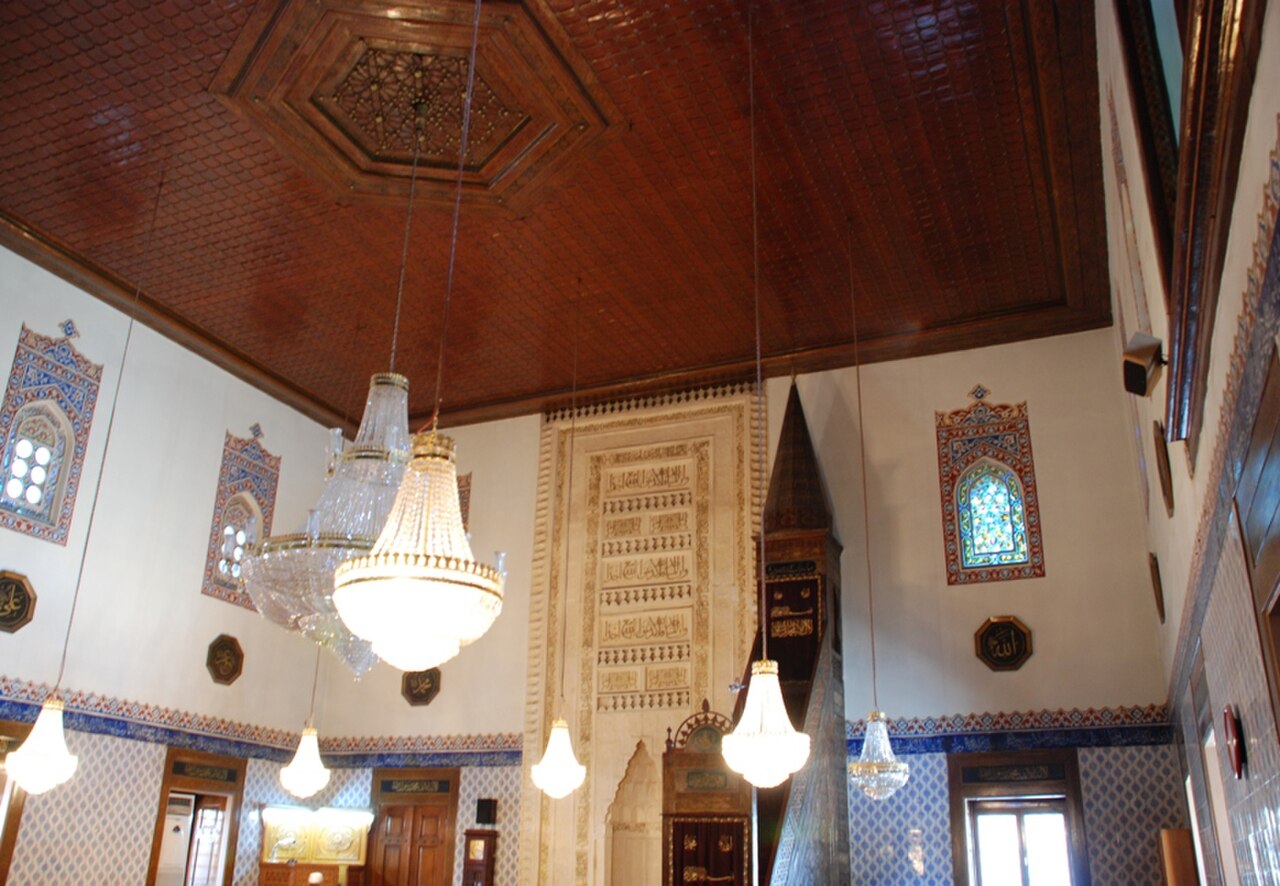
The mosque has a longitudinal rectangular plan, a stone base, brick walls and a tiled roof. Inside, the lower portions of the walls are decorated with Kütahya tiles up to the level of the lower windows, giving the prayer space a distinctive patterned ceramic character. Hacı Bayram-ı Veli’s tomb is directly attached to the mosque’s south wall, making the complex both a prayer hall and a memorial destination connected to his memory. Immediately beside it, the Temple of Augustus adds a sharply contrasting layer of Roman masonry and inscriptions to the later Ottoman religious setting.
Checked 2026-09-02 · Source
Allow about 30–45 minutes for a considerate visit, with extra time to appreciate the relationship between the mosque, the attached tomb and the Temple of Augustus. A shorter stop can cover the exterior, the neighbouring Roman monument and a quiet look inside when access is appropriate. The timing is not governed by a museum route or ticket slot: prayer, sermons and congregational activity determine how long visitors can remain in particular areas. Build flexibility into the visit, especially around prayer times, Friday worship and religious programmes listed by the local religious authority.
Checked 2026-09-02 · Source
There is no fixed museum opening schedule for this mosque. The local Diyanet authority lists Hacı Bayram Mosque in active worship and sermon programmes, and visitor access follows the order of worship and prayer times. Plan around prayer rather than relying on a guaranteed sightseeing window. Early or mid-day visits may work when the prayer area is available, while Friday and programme periods can be busier or more restricted. Keep the visit adaptable and accept that worshippers’ needs take priority if staff or congregants ask visitors to pause or move. The same principle applies to the tomb: a religiously significant space may require quieter behaviour or temporary patience even when the building itself is open for worship.
Checked 2026-09-02 · Source
Admission is free: no ticket is required for worship or for a visit. Because the mosque is an active religious building, free entry does not mean unrestricted museum access. The prayer hall may be temporarily unavailable to sightseers during prayer, sermons or other congregational activity, and practical entry conditions can change with the religious programme. Dress modestly, follow on-site directions and avoid treating the interior as a conventional attraction. The attached tomb and surrounding historic setting are part of the visit, but respect for worship remains the governing condition. There is no separate admission price supplied for the mosque or tomb, and visitors should not expect a timed ticket, ticket desk or museum-style admission procedure.
Checked 2026-09-02 · Source
The address is Sarıbağ Sokak No:13 in Hacı Bayram Mahallesi, Ulus. By metro, get off at Ulus Metro station: Ankara Metropolitan Municipality’s Ulus Historic City Centre transport plan identifies the Ulus Metro stop exit among the pedestrian access points serving the area around Hacı Bayram Mosque. From the station, continue on foot through the historic centre towards the mosque and the Temple of Augustus. The final approach is a busy heritage and worship setting, so allow time to orient yourself and yield to local pedestrian movement rather than expecting a vehicle-side entrance. The address is useful for navigation, but the immediate surroundings are better understood as a pedestrian heritage precinct than as a conventional roadside attraction.
Checked 2026-09-02 · Source
Treat the mosque as an active place of worship. Prayer times, Friday worship, sermons and other religious programmes can affect where visitors may stand and whether the interior is available. Wear clothing suitable for a mosque, behave quietly and follow directions from staff or worshippers. The site is beside a major archaeological monument, but it is not a staged museum environment: congregational needs come first. Access is partly step-free rather than fully confirmed. A 26-metre ramp leads from Güvercin Sokak to the mosque, yet step-free access to every interior area has not been verified.
Checked 2026-09-02 · Source
Photography should remain secondary to worship. Take exterior photographs from public circulation areas without blocking entrances, prayerful movement or views for people visiting the tomb. Inside, ask permission or follow posted and staff instructions before taking pictures, and stop immediately if photography is discouraged during prayer or a sermon. The most distinctive visual comparison is outside: the mosque’s brick-and-stone Ottoman-era form, attached tomb and tiled roof stand beside the Temple of Augustus, where ancient Roman remains create a contrasting backdrop. Keep equipment discreet, avoid flash in occupied prayer spaces and do not position yourself in a way that interrupts people approaching the tomb. Exterior viewpoints can communicate the layered setting without intruding on worship.
Checked 2026-09-02 · Source
Hacı Bayram Mosque is in Ankara’s Ulus district, beside the Temple of Augustus, at Sarıbağ Sokak No:13 in Hacı Bayram Mahallesi.
The mosque was built in 1427–1428.
Hacı Bayram-ı Veli’s real name was Numan bin Koyunluca Ahmet. He was born in 1352 in Ankara’s Solfasol village.
It has a longitudinal rectangular plan, a stone base, brick walls and a tiled roof.
The tomb is attached to the mosque’s south wall.
The interior walls are decorated with Kütahya tiles up to the lower windows.
Loading the interactive map…
The interactive map could not be loaded.

Last updated:
Source: OpenStreetMap contributors, Wikidata ·