
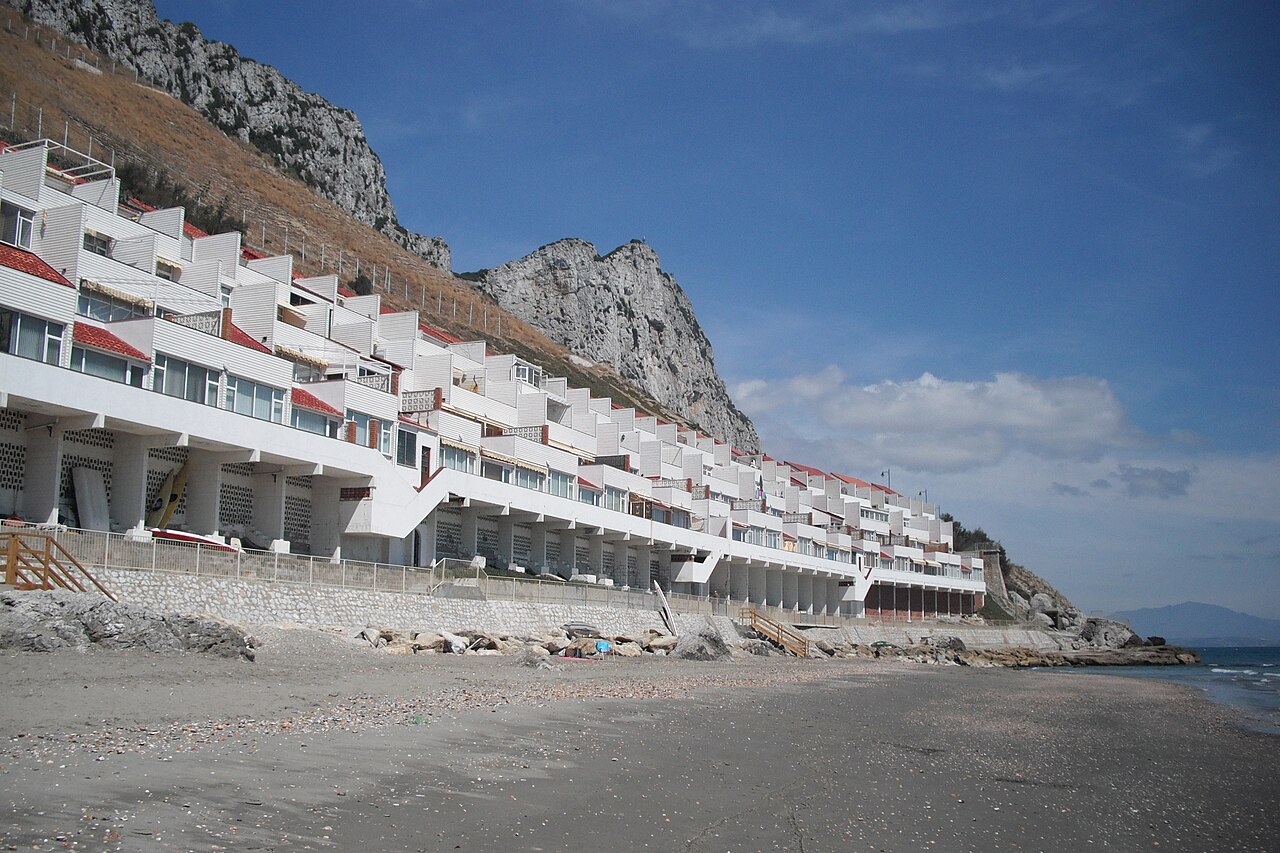
25 min walk
Sandy Bay
- Must see
- Nature site
Language · 11 published
Nature site · Cape Town
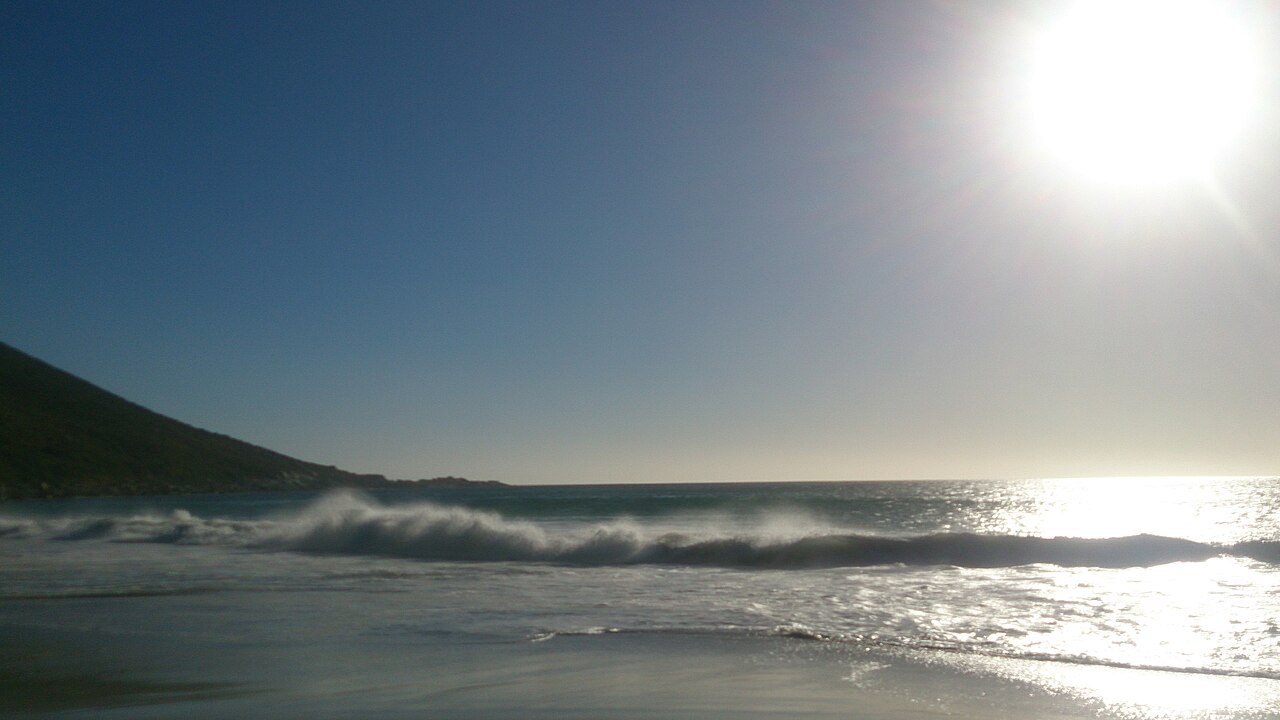
Llandudno Beach is a natural Atlantic cove below the mountains of Cape Town’s Cape Peninsula. Its undeveloped shoreline, sand and surrounding rock formations create a quieter coastal setting than the city’s more built-up beaches. Come for open scenery, fresh air and wide views across the ocean, with the steep slopes adding a dramatic backdrop. Llandudno Beach is an undeveloped-feeling Atlantic cove situated below mountains on the Cape Peninsula. The beach is recognised as one of the most photogenic coastal landscapes in the region. It lies within the broader Cape Town metropolitan area and offers a natural setting without significant commercial development along its immediate shoreline. The surrounding terrain features steep mountainous backdrop that contributes to its dramatic visual character. Visitors encounter a relatively wild coastal environment compared to more urbanised beaches in the area. No confirmed entrance fee is recorded.
Checked 2026-08-26 · Source
The cove combines sandy and pebbly areas with rocky edges and the Atlantic Ocean to the west. Mountain slopes rise directly behind the beach, framing the shoreline and limiting the built space around it. There are no permanent commercial structures or beachside services described here, so the experience centres on the natural landscape rather than organised attractions. The beach itself consists of sand and pebble areas with the Atlantic Ocean forming its western boundary. The mountainous terrain rises directly behind the cove. There are no recorded permanent commercial structures or amenities on the beach itself, consistent with its undeveloped character. The natural features include rock formations at the cove edges and the steep shoreline gradient. Vegetation on the slopes above the beach forms part of the landscape. The absence of built infrastructure distinguishes this location from more serviced beaches elsewhere on the peninsula.
Checked 2026-08-26 · Source
Allow one to three hours for a typical visit to Llandudno Beach. That is enough time to walk across the compact cove, sit on the sand, enjoy the mountain view and take photographs. Add more time if you want to linger through changing light or watch the sunset. The beach also works as a short scenic stop on a peninsula drive. A visit duration depends on individual purpose. Those coming for photography may stay through changing light conditions. Beach recreation visitors might spend several hours. The compact nature of the cove means the physical area does not require extended time to traverse. Swimming and sunbathing activities fit typical beach visit patterns. Sunset viewing extends evening stays. No recorded time limits or entry restrictions govern visit length. Visitors should plan according to personal tolerance for exposed coastal conditions and available daylight hours during their stay.
Checked 2026-08-26 · Source
Summer generally brings warmer weather and longer daylight for sitting on the beach, while winter is cooler and more changeable on the Atlantic coast. Wind can affect comfort in every season. Early morning and late afternoon give the cove softer light and longer shadows, making those periods especially rewarding for landscape photography and quieter walks.
Checked 2026-08-26 · Source
Llandudno Beach is presented as a public coastal setting without a ticketed attraction or admission gate. The visit is centred on the shoreline, ocean and mountain scenery rather than paid exhibits or rides. Because the beach has little commercial development, bring the food, water and other personal supplies you want for your time beside the cove.
Checked 2026-08-26 · Source
Reach Llandudno Beach by road from Cape Town and follow the coastal route around the peninsula before descending toward the cove. A private vehicle is the practical choice described for this location. The approach passes through steep coastal terrain, so allow time for winding roads and use only lawful parking near the residential surroundings.
Checked 2026-08-26 · Source
The Atlantic water is cold, and coastal conditions can include strong currents and wind. The steep terrain and natural shoreline require care on the approach and around rocks. This is a relatively undeveloped beach, so bring suitable clothing and supplies and plan for less immediate assistance than at a heavily serviced urban beach. Keep children close to you near the water.
Checked 2026-08-26 · Source
Llandudno Beach offers strong landscape compositions: a west-facing Atlantic cove, rocky edges, open sand and steep mountains rising behind it. Late afternoon light can illuminate the slopes while sunset places colour over the ocean. Wind may affect tripods and loose equipment, so secure your gear. The compact beach makes it easy to try several viewpoints during one visit.
Checked 2026-08-26 · Source
It is an undeveloped-feeling Atlantic cove with sand, rocks and a steep mountainous backdrop on the Cape Peninsula.
Yes. The ocean, cove, rocky edges and mountains provide strong landscape subjects, especially in early or late daylight.
Plan for one to three hours, with extra time if you want to photograph changing light or watch sunset.
The beach faces the Atlantic, where water is cold and currents can be strong.
Drive from Cape Town along the Cape Peninsula’s coastal roads and descend toward the cove.
The shoreline is described as having no significant permanent commercial development, so bring the supplies you need.
Loading the interactive map…
The interactive map could not be loaded.

Last updated:
Source: OpenStreetMap contributors ·