

.jpg)


1 min walk · Stari Grad
Japanese Fountain
- High
- Art and culture venue
Language · 1 published
Historic monument · Градска општина Стари град, Belgrade
Гробница народних хероја

The Tomb of the People's Heroes sits under the walls of Belgrade Fortress, and it was not filled all at once: four communist figures were buried there one at a time over nine years, from 1948 to 1957, as each death or reburial came due.
Ivo Lola Ribar, a Yugoslav Partisan leader who died in 1943 at age 26, and Ivan Milutinović, a military officer and revolutionary killed in 1944, were the first two interred, on 29 March 1948, the year the tomb was built. Đuro Đaković, a communist activist killed by police in 1929 — well before the Partisan war the other two fought in — was reburied there on 29 April 1949, the twentieth anniversary of his death. Moša Pijade, a revolutionary and postwar Yugoslav politician who lived until 1957, was the last to be buried, in March of that year.
The City Assembly of Belgrade declared the tomb a Monument of Culture in 1983, formally protecting a site that had already stood for thirty-five years by then.
Checked 2026-08-24 · Source
Sculpted busts of the four sit over the tomb: Stevan Bodnarov, a Belgrade sculptor, made the busts of Ribar, Milutinović and Đaković in 1949, the year the site took its current form. Moša Pijade's bust followed only after his 1957 burial, made by a different sculptor, Slavoljub Stanković, and added in 1959 — so the four busts were not all carved by the same hand or in the same year, despite standing together as a single memorial today.
The tomb sits directly against the fortress walls, an outdoor memorial rather than an enclosed mausoleum — visible on the walk between Kalemegdan's other monuments without a separate entrance to find. Its position under the ramparts, rather than in a cemetery, places it among the working parts of the fortress rather than set apart in dedicated memorial grounds, the way a war cemetery elsewhere in the city would be laid out.
Checked 2026-08-24 · Source
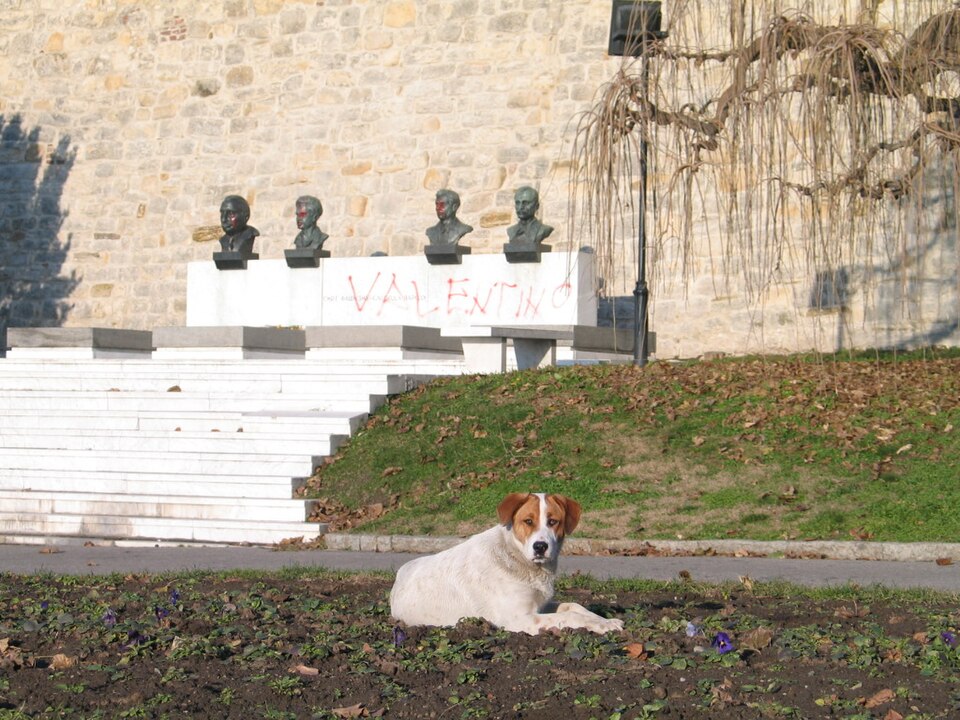
Five to ten minutes covers a straightforward reading of the four busts and the inscription against the fortress wall they sit beneath. It is a stop on a longer walk through Kalemegdan rather than a destination that asks for a route of its own, and most visitors reach it while moving between the park's other monuments and the ramparts above the river confluence.
Checked 2026-08-24 · Source
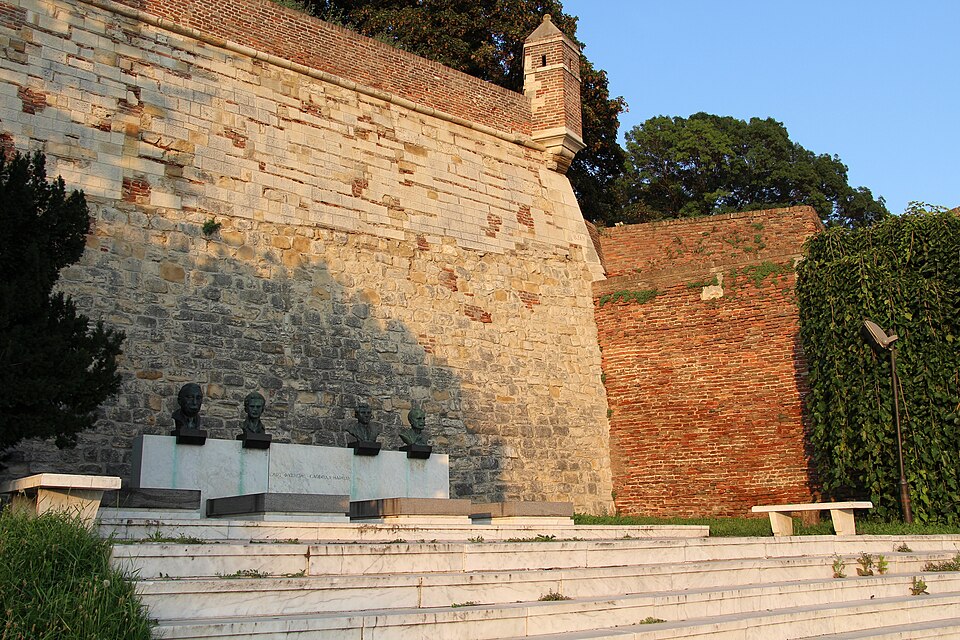
Any time Kalemegdan Park is open suits an outdoor memorial with no interior, no queue and no scheduled access; there is nothing time-sensitive recorded about visiting it. A clear afternoon reads the bust inscriptions better than an overcast one, simply because the relief lettering needs raking light to stand out against the plain fortress stone.
Checked 2026-08-24 · Source
Free. It is an open-air monument set into the Belgrade Fortress wall inside Kalemegdan Park, with no fence, no ticket booth and no admission fee recorded — the same free access as the park's other outdoor monuments and the fortress ramparts around it.
Checked 2026-08-24 · Source
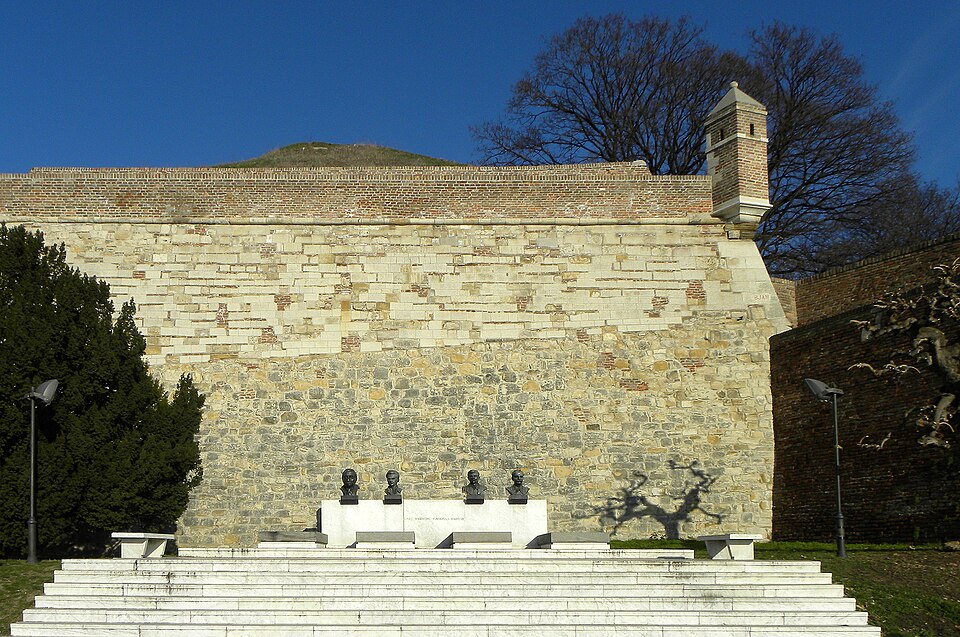
The tomb is set into the Belgrade Fortress walls within Kalemegdan Park, on the same walking network as the park's other monuments and gates, and reachable on foot from central Belgrade without needing a specific transport route — the same approach used for the Monument of Gratitude to France and Ružica Church nearby.
Checked 2026-08-24 · Source
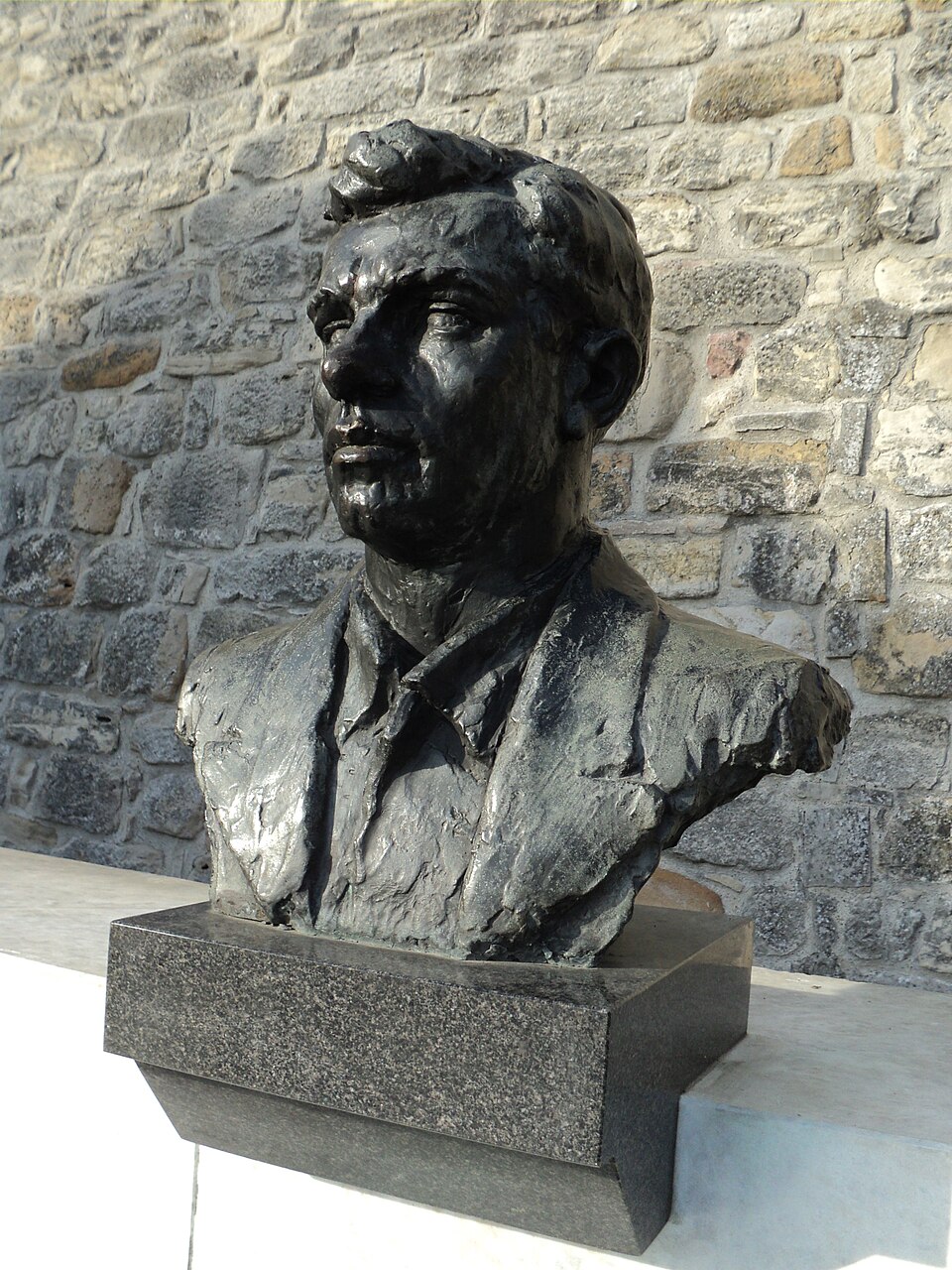
It is a memorial to four specific people from two distinct chapters of Yugoslav communist history — an interwar activist killed by police in 1929 and three Partisan-era figures who died between 1943 and 1957 — rather than a general war memorial, which is worth knowing before reading the busts' inscriptions. Belgrade is not the only city with a tomb of this name: comparable monuments exist in Zagreb and Ljubljana, honouring different figures, so a search for "Tomb of the People's Heroes" without the city name risks the wrong page. The site is unstaffed and carries no signage beyond the busts themselves, so a visitor who wants the biographies behind the four names should read them beforehand rather than expect an on-site panel.
Checked 2026-08-24 · Source
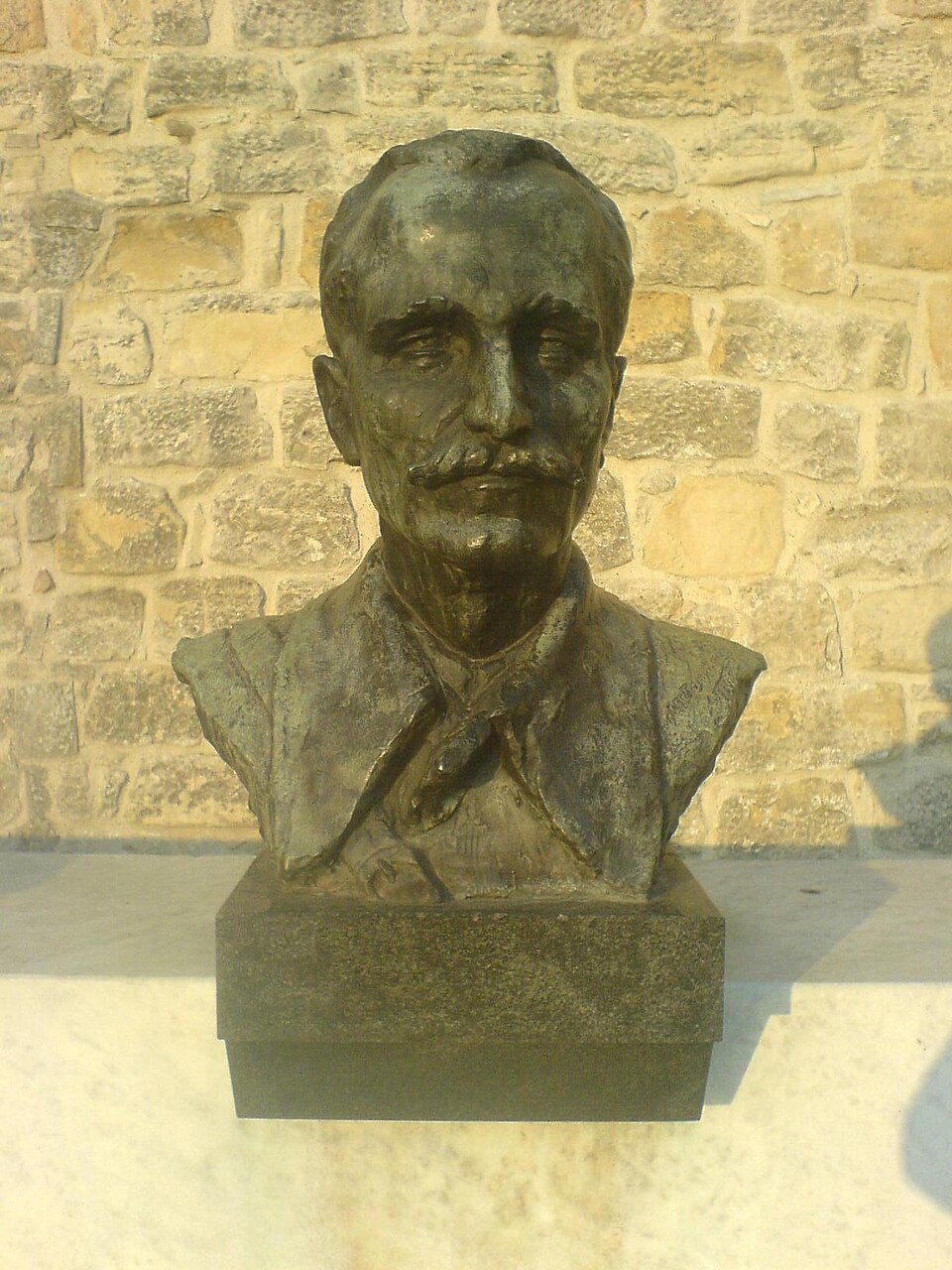
The four busts set against the plain fortress wall photograph best straight on, in the same daylight that suits Kalemegdan's other outdoor monuments; no restriction on photographing them is recorded. The wall itself gives a flat, uncluttered background, which makes an individual bust portrait easier here than at a monument set against a busier backdrop.
Checked 2026-08-24 · Source
Ivo Lola Ribar, Ivan Milutinović, Đuro Đaković and Moša Pijade — three Partisan-era communists and one activist killed before the Second World War.
In 1948, when the first two burials, of Ribar and Milutinović, took place on 29 March that year.
His remains were moved to the tomb on 29 April 1949, the twentieth anniversary of his 1929 death, a year after the tomb's first two burials.
Moša Pijade was buried there in March 1957, the month he died.
Stevan Bodnarov made the busts of Ribar, Milutinović and Đaković in 1949; Slavoljub Stanković made Pijade's bust, added in 1959.
No. It is an open-air monument inside Kalemegdan Park.
Loading the interactive map…
The interactive map could not be loaded.
Last updated:
Source: OpenStreetMap contributors, Wikidata ·