


2 min walk · Savski Venac
Monument to Gavrilo Princip
- High
- Historic monument
Language · 1 published
Museum · Градска општина Савски венац, Belgrade
Железнички музеј

| Monday | 09:00 – 15:00 |
|---|---|
| Tuesday | 09:00 – 15:00 |
| Wednesday | 09:00 – 15:00 |
| Thursday | 09:00 – 15:00 |
| Friday | 09:00 – 15:00 |
| Saturday | Closed |
| Sunday | Closed |
Parsed from OpenStreetMap opening hours on 2026-08-25.
The Railway Museum in Savski Venac is the national collection of Serbian and former Yugoslav railway history, founded on 1 February 1950. Its first exhibition, in 1953, was titled "Through the History of Yugoslav Railways".
The museum holds more than 40,000 objects along with its own archive and library, and is run by the national operator Serbian Railways (Železnice Srbije). It also operates the Šargan Eight, a narrow-gauge heritage line from Mokra Gora to Šargan Vitasi station in western Serbia, roughly 200 km from Belgrade. Construction began during the First World War, when the occupying Austro-Hungarian authorities pushed to connect Serbia and Bosnia using Russian and Italian prisoners of war as labour on the barren, snake-infested slopes of Šargan mountain; the line the museum now runs as a heritage attraction was restored to operation on 1 September 2003, and an extension into Višegrad, in Republika Srpska, Bosnia and Herzegovina, opened in 2010. In 2021 the line's home village, Mokra Gora, was named one of the best tourism villages in the world by the UN World Tourism Organization.
Checked 2026-08-24 · Source
Locomotives, rolling stock and railway equipment drawn from more than a century of Serbian and Yugoslav rail history, alongside the museum's own archive and library holdings — the working paper record behind the 40,000-object collection rather than a second display.
The Šargan Eight itself is a separate visit, not part of the Belgrade site: a 15.44 km narrow-gauge line that surmounts a 300 m descent by curving back on itself in the shape of a figure eight, so a train passes some points twice on the way down. It climbs from 404 m at Užice to 808 m at the Šargan tunnel through 22 tunnels and five larger bridges, finished by the Kingdom of Serbs, Croats and Slovenes in January 1925 after Austro-Hungarian construction stalled in the First World War. It runs today as a "Museum-Tourism Complex" with its own heritage trains, seated in Mokra Gora rather than in the capital.
Checked 2026-08-24 · Source
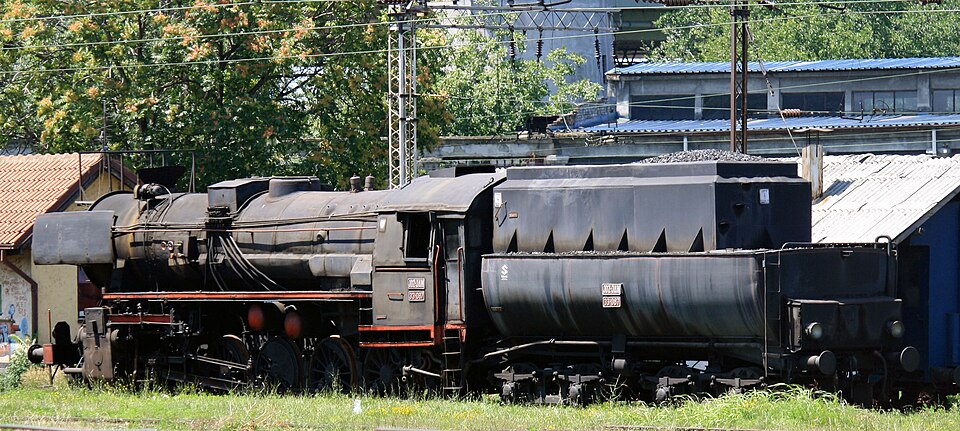
An hour is enough for the Belgrade museum's specialist collection; railway enthusiasts wanting the archive or library should contact the museum directly, since those are not necessarily on general display. A ride on the Šargan Eight itself, in western Serbia, is a separate half-day trip and not something folded into a Belgrade museum visit.
Checked 2026-08-24 · Source
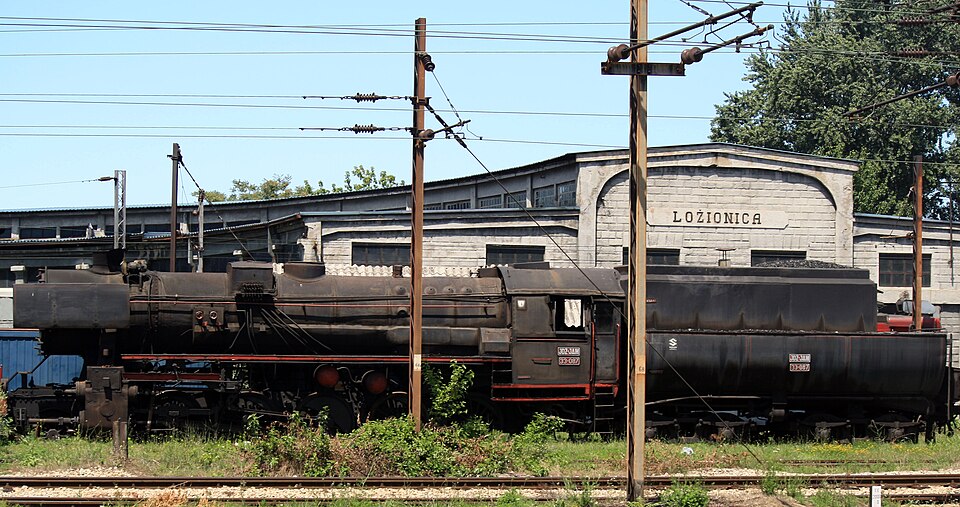
No seasonal pattern for the Belgrade museum itself is published on the sources this page uses — it is an indoor collection, so weather is not a factor in choosing a day. The Šargan Eight heritage line, by contrast, runs its own separate seasonal timetable in western Serbia and is a fair-weather trip.
Checked 2026-08-24 · Source
Opening hours and an admission price for the Belgrade museum are not published on the sources this page uses; contact the museum directly before visiting, by email ([email protected]) or phone (+381 11 3610334).
Separately, the Šargan Eight heritage line the museum operates in western Serbia is a fare-paying ride with its own booking arrangement, distinct from anything charged at the Belgrade site — its schedule and price are not covered by this page since it is a different destination entirely.
Checked 2026-08-24 · Source
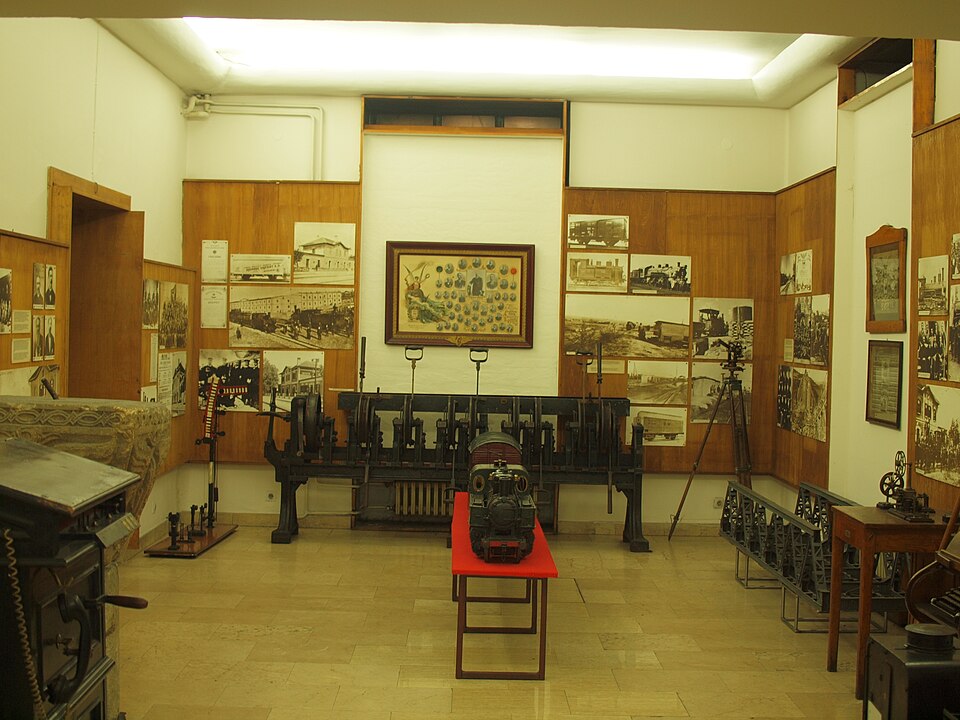
The museum is in the Savski Venac municipality of central Belgrade, the district that also holds the main railway station and much of the city's rail infrastructure — a fitting neighbourhood for a railway museum.\n\nBelgrade has no metro; trams, buses and trolleybuses cover the municipality, and the exact stop is not published on the sources this page uses.
Checked 2026-08-24 · Source
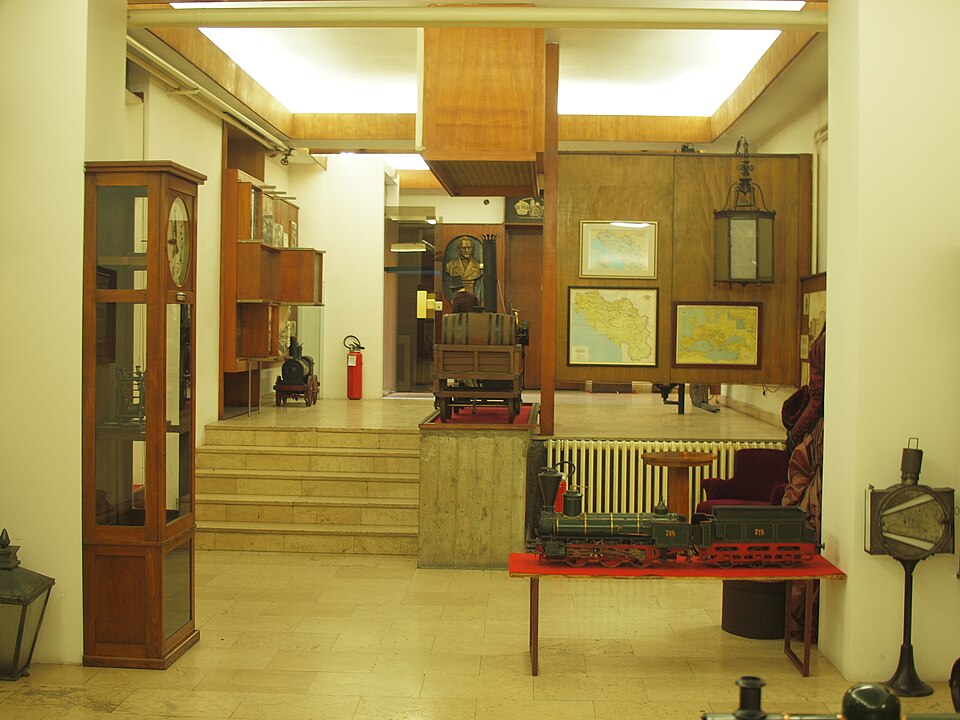
This is the museum in Belgrade, not the Šargan Eight heritage railway the same operator runs in western Serbia — the two are roughly 200 km apart, and a ticket or visit to one says nothing about the other.
Opening days for the Belgrade site are not published on the sources this page uses; confirming by phone or email before travelling avoids a wasted trip.
A visitor planning to combine both — the Belgrade museum and a ride on the Šargan Eight — should treat them as two separate outings on two separate days rather than a single itinerary, given the distance and the different booking arrangements each requires.
Checked 2026-08-24 · Source
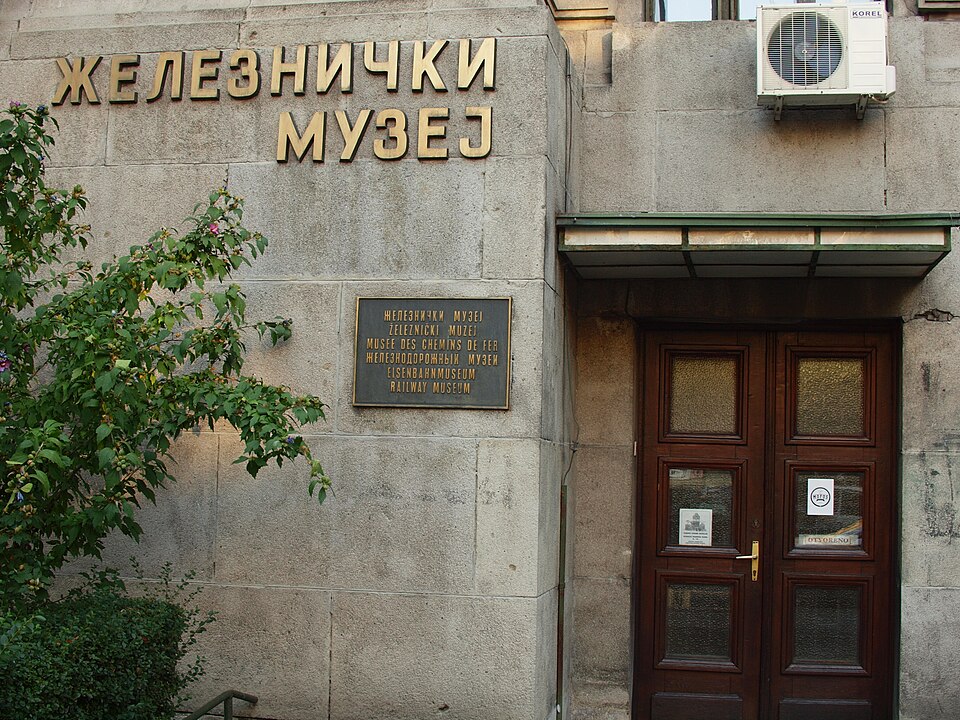
Locomotives and rolling stock are the obvious subject at the Belgrade museum; no photography restriction is published on the sources this page uses. The Šargan Eight's mountain figure-eight route, in western Serbia, is the more scenic railway photograph but is a separate trip entirely.
Checked 2026-08-24 · Source
On 1 February 1950; its first exhibition, "Through the History of Yugoslav Railways", opened in 1953.
Over 40,000 objects, plus a dedicated archive and library.
No — it is a separate site the museum operates in western Serbia, about 200 km from Belgrade, near Mokra Gora, restored to operation in 2003.
Serbian Railways (Železnice Srbije), the national rail operator, as of 2018.
Not published on the sources this page uses; contact the museum directly before visiting.
In the Savski Venac municipality of central Belgrade.
Construction began during the First World War as an Austro-Hungarian project to connect occupied Serbia and Bosnia by rail; it was abandoned and later restored as a heritage line in 2003.
Loading the interactive map…
The interactive map could not be loaded.
Last updated:
Source: OpenStreetMap contributors, Wikidata ·