Smart Self-Managed Tours

City guide · Saudi Arabia

Riyadh

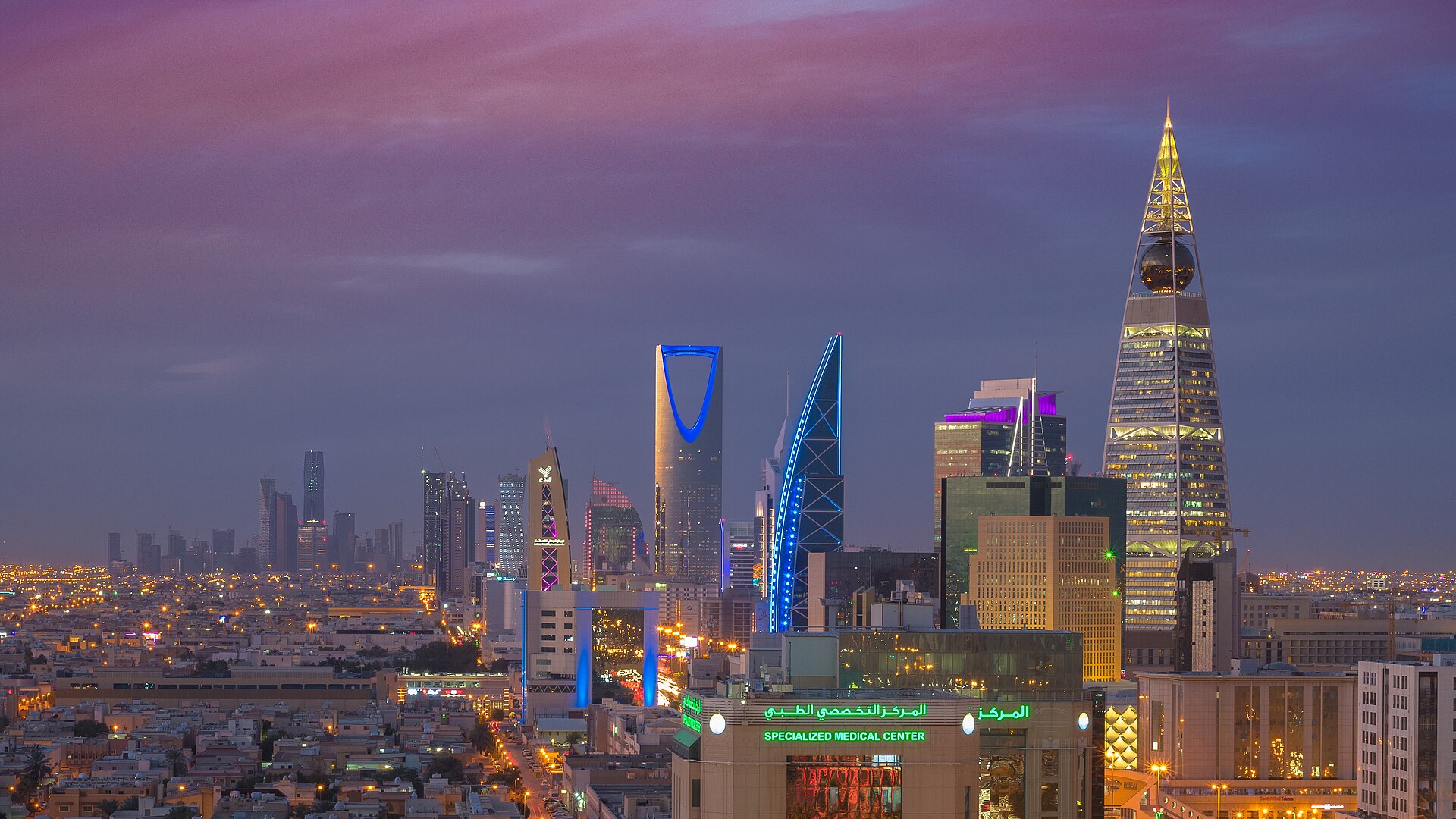
A photograph of Riyadh
Photograph · B.alotaby · CC BY-SA 4.0

Riyadh is a broad inland capital with historic, cultural and business districts separated by long urban corridors. Qasr Al Hukm and Al Masmak define the old central core; the National Museum and King Abdulaziz Historical Centre form a nearby cultural cluster. Olaya and the Kingdom Centre run north through the modern city, while KAFD and Diriyah sit farther northwest. Build each day around one corridor rather than crossing the capital repeatedly.

Practical information

Language spoken
Arabic; English is widely used in visitor services
National practical orientation; regional and minority languages may also be used
Dialling code
+966
International calling code; local area and mobile prefixes still apply
Currency
Saudi riyal (SAR)
Use the official local currency; card acceptance varies by place
Emergency number
911 unified in supported regions · 997 ambulance
Use only for an emergency; tourist assistance may use a separate number
Plug type
Type G · 230 V
Check that chargers support the recorded voltage before using an adapter
Tap water
Not recorded
No verified nationwide drinking-water statement was recorded

Turn this list into a plan

Set your days, your pace and the hours you actually want to be out. The planner works around closing days and travel time, and leaves room to eat.

Plan Riyadh

Planning a visit

Suggested stay
Not recorded
Getting around
Metro, bus and taxi
  1. January: best time to visit
  2. February: best time to visit
  3. March: best time to visit
  4. April: good time to visit
  5. May: recurring difficult conditions
  6. June: recurring difficult conditions
  7. July: recurring difficult conditions
  8. August: recurring difficult conditions — current month
  9. September: recurring difficult conditions
  10. October: good time to visit
  11. November: best time to visit
  12. December: best time to visit
  • Best time
  • Good time
  • Viable with trade-offs
  • Difficult conditions

Sources

Top things to see

Ranked by importance — sitelinks, pageviews and heritage status, not editor preference.

  1. Diplomatic Quarter Diplomatic Quarter
    02 2 hours

    Diplomatic Quarter

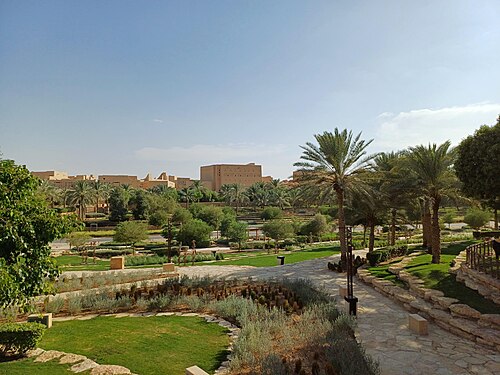
    The Diplomatic Quarter is a secure, purpose-built district in northwest Riyadh established to house foreign embassies and diplomatic missions. Covering a substantial planned area, it functions as a self-contained zone with restricted access protocols.

    • Must see
    • Activity
  2. Red Sand Dunes Red Sand Dunes
    03 2 hours

    Red Sand Dunes

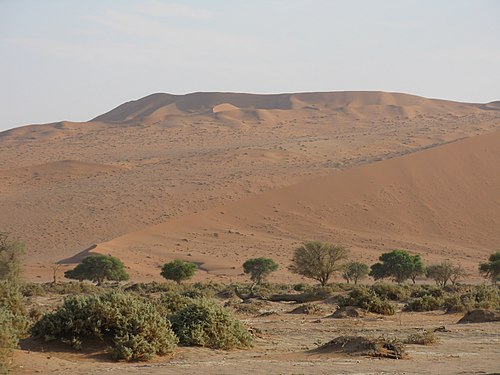
    The Red Sand Dunes are a natural desert landscape near Riyadh, Saudi Arabia. The local name is كثبان الرمال الحمراء. This area features distinctive reddish sand formations characteristic of the Najd region.

    • Must see
    • Activity

Source: OpenStreetMap contributors, Wikidata ·

How the city is laid out

Old Riyadh centres on Qasr Al Hukm, Al Masmak and Al Zal Market. The National Museum lies north of this core in the King Abdulaziz Historical Centre. Olaya Road forms the principal modern spine through towers, hotels and shopping areas. KAFD occupies a newer northern district, while the Diplomatic Quarter and historic Diriyah lie west and northwest. Desert-edge destinations such as Wadi Hanifah or Jebel Fihrayn require separate road planning outside the central visitor grid.

Checked 2026-08-26

Getting around

Use Riyadh Metro and the integrated bus network for journeys that align with their routes, then use a taxi or other regulated road transport for destinations beyond convenient stations. Riyadh Municipality describes the public transport project as an integrated train-and-bus network, while official journey tools handle route planning and tickets. Distances and summer heat make long cross-city walks impractical; walking is best reserved for individual heritage, museum or business clusters.

Checked 2026-08-26

Common questions

How many days should I plan for Riyadh?

No fixed stay length is recorded. Plan separate blocks for Old Riyadh, the National Museum area, Olaya, KAFD or Diriyah, then add any desert-edge excursion independently.

Is central Riyadh walkable?

Walking works inside Qasr Al Hukm, a museum complex or another defined cluster. The city's major districts are too dispersed for a continuous sightseeing walk.

Does Riyadh have an integrated public transport network?

Yes. Riyadh Municipality describes an integrated metro and bus network developed under the King Abdulaziz Public Transport Project.

Which Riyadh heritage sites combine naturally?

Al Masmak, Qasr Al Hukm and Al Zal Market form the old-city cluster. The National Museum and King Abdulaziz Historical Centre belong to another nearby cultural block.

Should Diriyah be treated as a central stop?

No. Historic Diriyah lies northwest of the central core and deserves a planned journey rather than an improvised extension of an Olaya or downtown walk.