

3 min walk
Masmak Fort
- Must see
- Museum
Language · 11 published
Historic monument · Riyadh
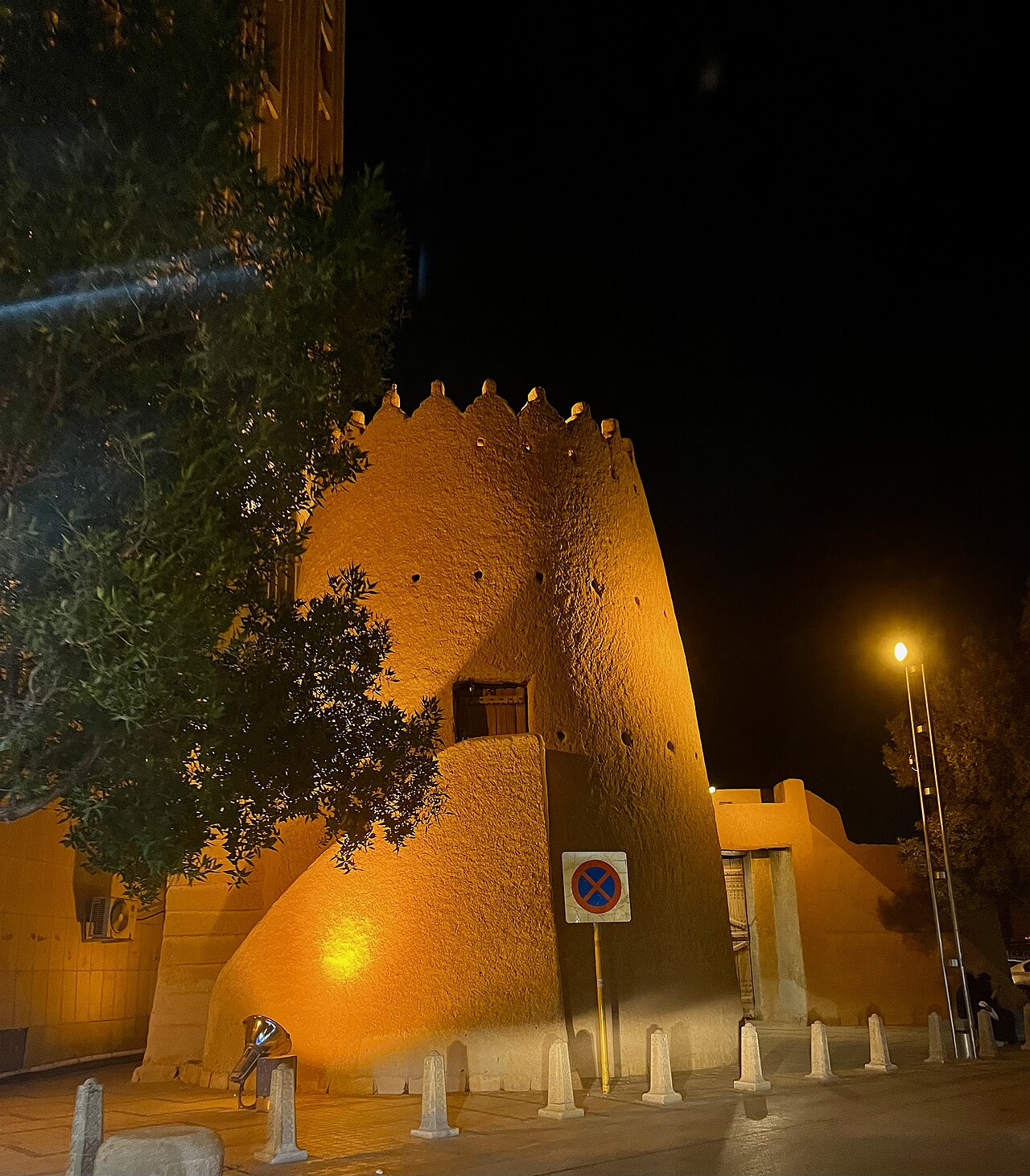
Al Thumairi Gate, known locally as بوابة الثميري, stands as a historic entry point within Riyadh's urban fabric. The structure represents part of the defensive architecture that once defined the old city boundaries. Its name derives from the Thumairi district, an area with deep roots in the capital's development. The gate serves as a tangible marker of Riyadh's transformation from a walled settlement to a sprawling modern metropolis. Visitors encounter it as a physical reminder of Najdi building traditions and the strategic importance of controlled access points in historical Arabian settlements.
Checked 2026-08-26
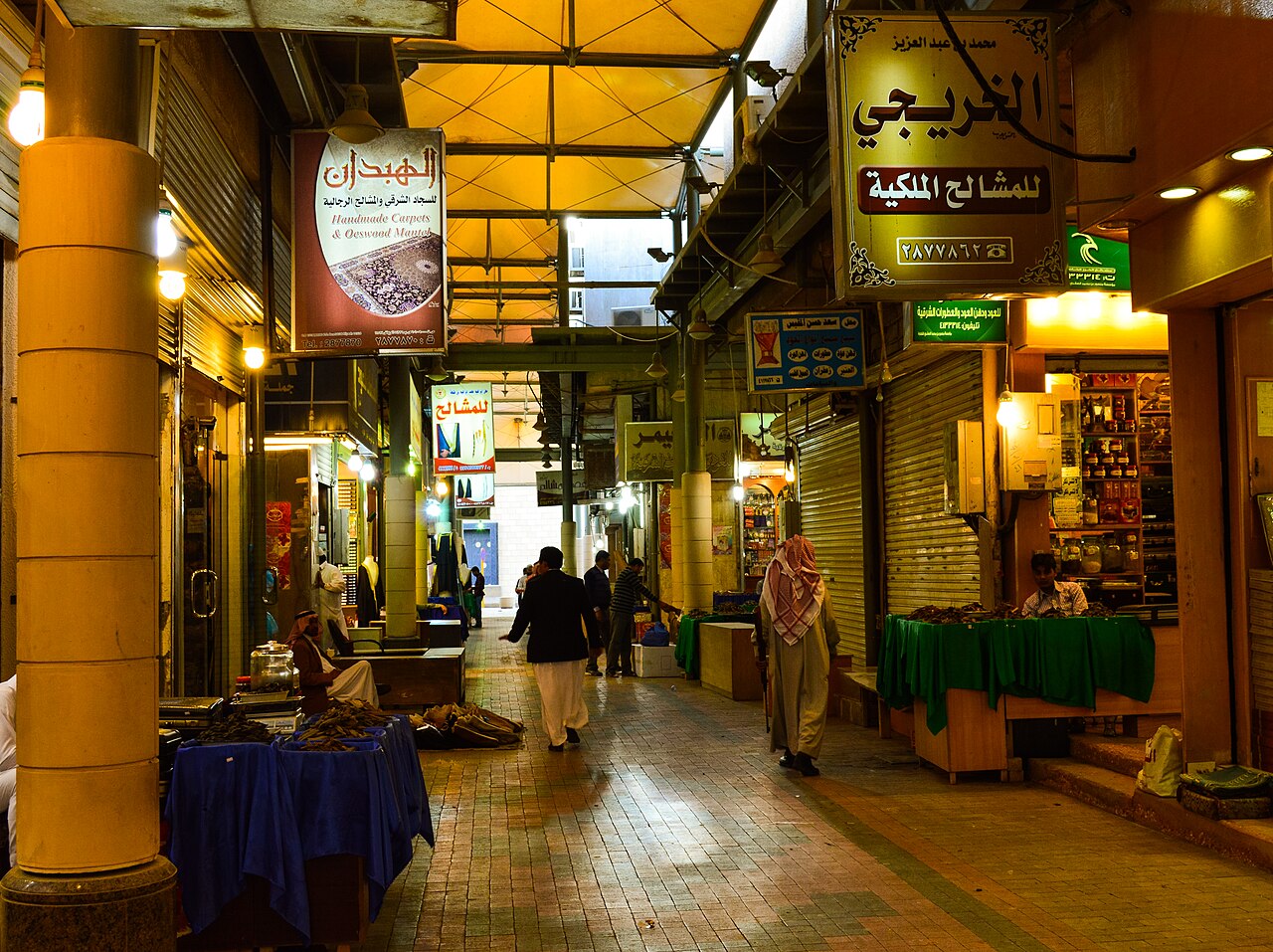
The gate itself constitutes the primary feature, with architectural elements typical of traditional Najdi construction. Visitors should not expect extensive interior spaces or museum installations. The surrounding Thumairi district contains additional heritage structures, markets, and residential quarters that collectively form a historic neighborhood worth exploring on foot. The immediate vicinity includes commercial activity and street-level establishments. The gate functions more as a waypoint and photographic landmark than a destination with contained attractions. Contextual appreciation requires understanding its role within the broader old city rather than anticipating discrete internal exhibits.
Checked 2026-08-26
A dedicated visit to Al Thumairi Gate requires minimal time, approximately fifteen to thirty minutes for observation and photography. Most visitors incorporate it into broader explorations of the historic district, extending their engagement to several hours when combined with nearby sites. The gate suits brief stops during walking tours rather than extended dedicated visits. Travelers should calibrate expectations accordingly, planning it as one component among multiple heritage points in central Riyadh. Those with particular interest in urban history or architectural documentation may linger longer examining construction details and contextual relationships with adjacent structures.
Checked 2026-08-26
Operator-confirmed hours are Not recorded pending review. Visitors should independently verify accessibility before planning specific visits. Riyadh's climate strongly influences comfortable exploration; the scorching summer months from May through September present challenging conditions for outdoor heritage walking. Cooler periods between November and March offer more agreeable temperatures for district navigation. Evening hours may provide atmospheric lighting for photography and reduced daytime heat, though individual comfort varies. Friday prayer times affect surrounding commercial activity. No confirmed seasonal closures or special opening arrangements have been documented from authoritative sources regarding this specific structure.
Checked 2026-08-26
Operator-confirmed prices are Not recorded pending review. The gate appears to function as a publicly accessible urban monument without controlled entry systems typical of ticketed attractions. Visitors should not anticipate admission fees for approaching or photographing the structure from public thoroughfares. Any surrounding commercial establishments operate independently. The absence of documented ticketing infrastructure suggests free access, though this remains unverified through direct operator confirmation. Travelers encountering payment requests should exercise appropriate caution and seek clarification. Budget planning should prioritize transportation and guided services rather than anticipated entry costs for the gate itself.
Checked 2026-08-26
Al Thumairi Gate occupies a position within Riyadh's central historic district, accessible via the city's developing public transportation network and conventional taxi services. The emerging Riyadh Metro will eventually serve this corridor, though operational status requires current verification. Presently, ride-hailing applications and private vehicles constitute primary access methods. The gate's location amid dense urban fabric means parking constraints apply. Walking from nearby accommodations in the city center represents a viable option for appropriately situated visitors. Wayfinding benefits from combining the local name بوابة الثميري with the English designation when consulting navigation tools or requesting assistance.
Checked 2026-08-26
Urban traffic surrounding the gate demands pedestrian vigilance, as historic districts accommodate both vehicular movement and foot exploration without fully separated infrastructure. Construction and development activity in rapidly evolving Riyadh may affect access routes or sightlines without advance notification. The gate's integration into functioning commercial surroundings means visitor behavior should respect local norms regarding photography of individuals and private property. Heat exposure during warmer months poses genuine health risks for unprepared walkers. Limited shade around the monument itself necessitates sun protection. Visitors should verify structural stability and safety markings independently, as heritage preservation standards vary across individual sites.
Checked 2026-08-26
The gate offers straightforward photographic subjects emphasizing traditional Najdi architectural forms against contemporary urban backdrops. Morning and late afternoon light typically provides favorable conditions for exterior documentation. The structure's relatively modest scale benefits from contextual shots incorporating surrounding streetscape rather than isolated framing. No confirmed restrictions on photography have been documented, though discretion regarding nearby commercial activity and passersby remains advisable. Tripod use in pedestrian thoroughfares may attract attention or obstruction. The juxtaposition of historical fabric against Riyadh's modern skyline presents compelling compositional opportunities for photographers interested in urban transformation narratives and the visual documentation of heritage within dynamic cities.
Checked 2026-08-26
The gate represents historical defensive architecture associated with the old city boundaries, though specific construction phases and original wall integration require specialist verification beyond available documentation.
The structure functions primarily as a monument rather than an active passage; whether pedestrian movement through any opening is permitted or physically possible is Not recorded from authoritative sources.
No confirmed guided tour services specifically dedicated to Al Thumairi Gate have been documented; visitors typically encounter it during independent exploration or broader city touring arrangements.
Using both the Arabic name بوابة الثميري and English designation improves wayfinding accuracy with local drivers and digital mapping platforms serving Riyadh.
Specific conservation history, restoration dates, or reconstruction events are Not recorded from verified sources; present fabric condition and authenticity should be assessed by informed observation.
The Thumairi district contains commercial establishments, though specific services, their quality, and their precise proximity to the gate itself are Not recorded pending direct verification.
Loading the interactive map…
The interactive map could not be loaded.
Last updated:
Source: OpenStreetMap contributors ·