.jpg)

3 min walk
Arabian Horse Museum
- Must see
- Museum
Language · 11 published
Historic monument · Riyadh
الطريف
| Monday | 17:00 – 00:00 |
|---|---|
| Tuesday | 17:00 – 00:00 |
| Wednesday | 17:00 – 00:00 |
| Thursday | 17:00 – 00:00 |
| Friday | 17:00 – 00:00 |
| Saturday | 17:00 – 00:00 |
| Sunday | 17:00 – 00:00 |
Checked 2026-08-31 · Source
Read from the OpenStreetMap access tags; anything not listed has no tag recorded.
Set the group type to family in the planner and the day window contracts to about three quarters of a solo day.
At-Turaif District is the historic quarter of Diriyah, northwest of Riyadh. It was the original seat of the House of Saud and the capital of the first Saudi state from 1744 until the Ottoman-Egyptian campaign of 1818. Its surviving mud-brick palaces, mosques, homes, and defensive walls show the traditional Najdi style of central Arabia. UNESCO inscribed At-Turaif as a World Heritage Site in 2010. Visit for a direct encounter with the origins of Saudi political history and the urban character of an old Arabian settlement. At-Turaif District is a historic quarter in Diriyah, on the northwestern edge of greater Riyadh. It formed the original seat of the House of Saud and served as the capital of the first Saudi state from 1744 until the Ottoman-Egyptian campaign of 1818. At-Turaif lies in Diriyah, historically separate from Riyadh but now functionally part of the greater metropolitan area approximately twenty kilometers northwest of central Riyadh.
Checked 2026-08-26 · Source
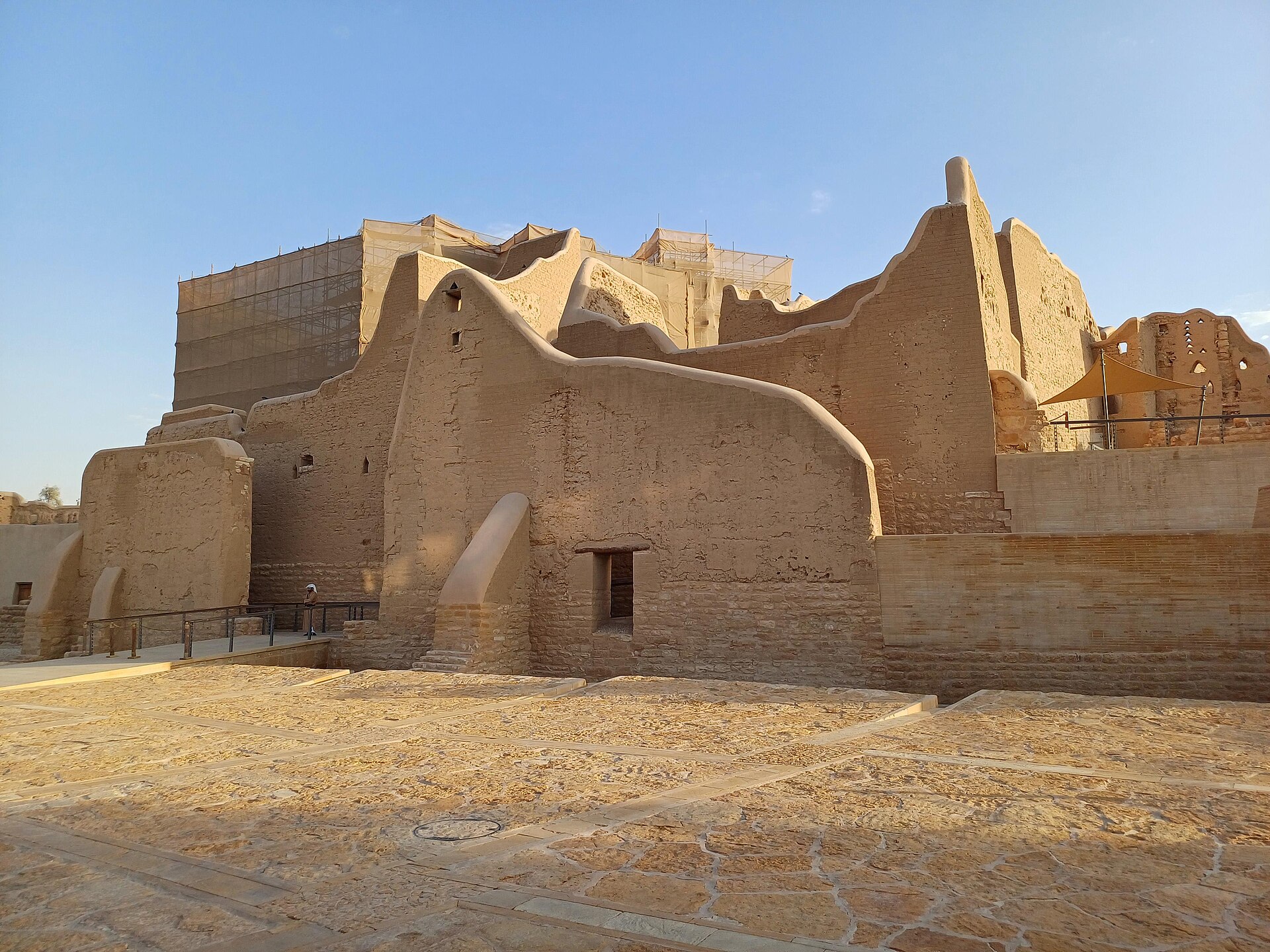
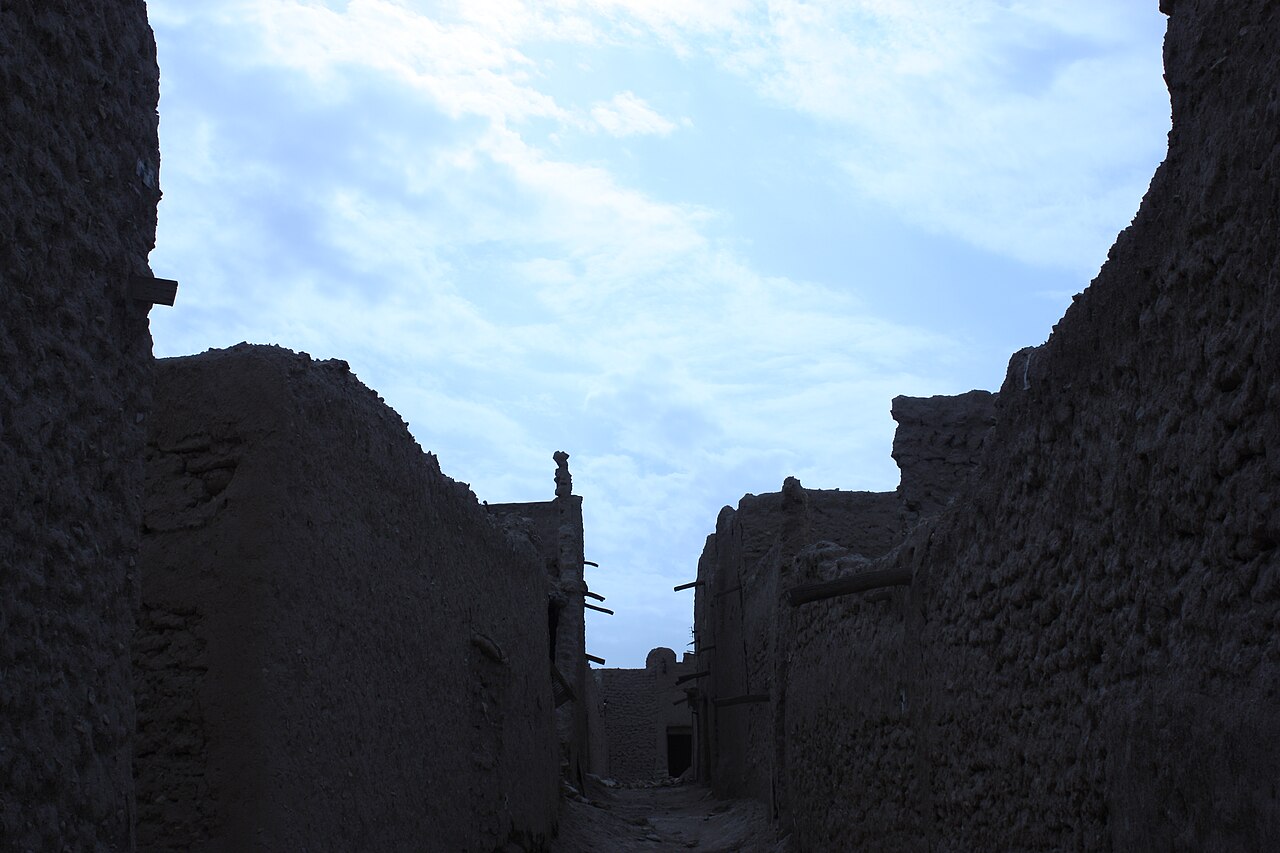
Salwa Palace forms the largest complex within the district, joined by residential palaces, administrative buildings, a mosque, and surviving stretches of the defensive wall system. The buildings use local mud brick, rammed earth, and palm wood. Look closely at the triangular windows, decorated wooden doors, thick walls, and irregular surfaces produced by traditional construction. Restored sections sit beside partially ruined structures, so the visit combines architectural detail with visible layers of preservation. The wider Diriyah Gate area adds museums, cultural venues, dining, and public spaces around the historic core.
Checked 2026-08-26 · Source
Set aside two to four hours for At-Turaif itself. That gives enough time to walk between the main structures, study the mud-brick details, read historical interpretation, and pause at elevated points. The district covers uneven ground and several levels, with paths and occasional stairs shaping the pace. A shorter visit can focus on Salwa Palace and the principal architectural views. If you also explore Diriyah Gate museums, cultural venues, restaurants, or shops, the same outing can fill much of a day.
Checked 2026-08-26 · Source
The cooler months from November through March are the most comfortable period for walking through this open-air heritage district. Riyadh summers regularly exceed forty degrees Celsius, so midday walks from May through September can be physically demanding. Morning and evening light gives the mud-brick walls a strong sense of texture and depth. Ramadan and other Islamic observances can affect access and nearby services. Plan the district alongside indoor cultural stops when the weather is hot, and allow a slower pace across exposed paths.
Checked 2026-08-26 · Source
At-Turaif sits within the changing Diriyah Gate destination, where access arrangements can differ between the historic district, museums, exhibitions, and cultural programmes. Some experiences use timed entry or reservations, while other areas may have separate arrangements. Treat the district as one part of a larger cultural visit and keep your plans flexible if you intend to add special exhibitions or premium experiences. The historic quarter is a heritage setting rather than a conventional shopping attraction, so allow time for walking between its buildings and surrounding venues.
Checked 2026-08-26 · Source
At-Turaif is approximately twenty kilometres northwest of central Riyadh, in Diriyah beyond the King Saud University area. A private vehicle or ride-hailing service is the simplest way to reach this peripheral destination. Major Riyadh roads direct traffic toward Diriyah, and the district lies within a developing visitor zone with dedicated road infrastructure and parking facilities. There is no metro station directly serving At-Turaif. Leave extra time for traffic on the corridor, especially when travelling from central Riyadh during busy periods.
Checked 2026-08-26 · Source
Wear comfortable shoes and prepare for uneven surfaces, steps, exposed ground, and limited shade. In hot weather, carry drinking water, use sun protection, and take pauses rather than rushing between structures. Do not climb walls or enter protected restoration areas. Conservative dress is appropriate for this religious and historical setting. Construction in the surrounding Diriyah Gate zone can alter routes and facilities. Keep children close near uneven edges, and follow staff directions wherever a historic structure or restoration area is restricted.
Checked 2026-08-26 · Source
Warm evening light brings out the texture of the earth-toned walls, while the triangular windows and carved wooden doors provide strong close-up subjects. Elevated points offer views toward the Wadi Hanifah valley and the wider historic settlement. Night illumination can create a different mood around key structures. Ask before photographing people, private activity, or commercial work. Follow local restrictions on tripods, professional equipment, and drones. A respectful approach protects both the privacy of residents and the atmosphere of this important heritage site.
Checked 2026-08-26 · Source
At-Turaif is in Diriyah, approximately twenty kilometres northwest of central Riyadh, within the greater Riyadh metropolitan area.
The district contains Salwa Palace, residential and administrative buildings, a mosque, defensive walls, and mud-brick details characteristic of Najdi architecture.
Children can visit with close supervision because the district includes uneven ground, steps, exposed edges, and strong heat during summer.
Allow two to four hours for the historic district, with additional time if you include museums, cultural venues, dining, or shops in Diriyah Gate.
It was the capital of the first Saudi state and preserves a significant example of traditional Najdi urban architecture. UNESCO inscribed it as a World Heritage Site in 2010.
A private vehicle or ride-hailing service is the simplest option from Riyadh; no metro station serves the district directly.
Loading the interactive map…
The interactive map could not be loaded.

Last updated:
Source: OpenStreetMap contributors, Wikidata ·