
2 min walk
Arabian Horse Museum
- Must see
- Museum
Language · 11 published
Place of worship · Riyadh
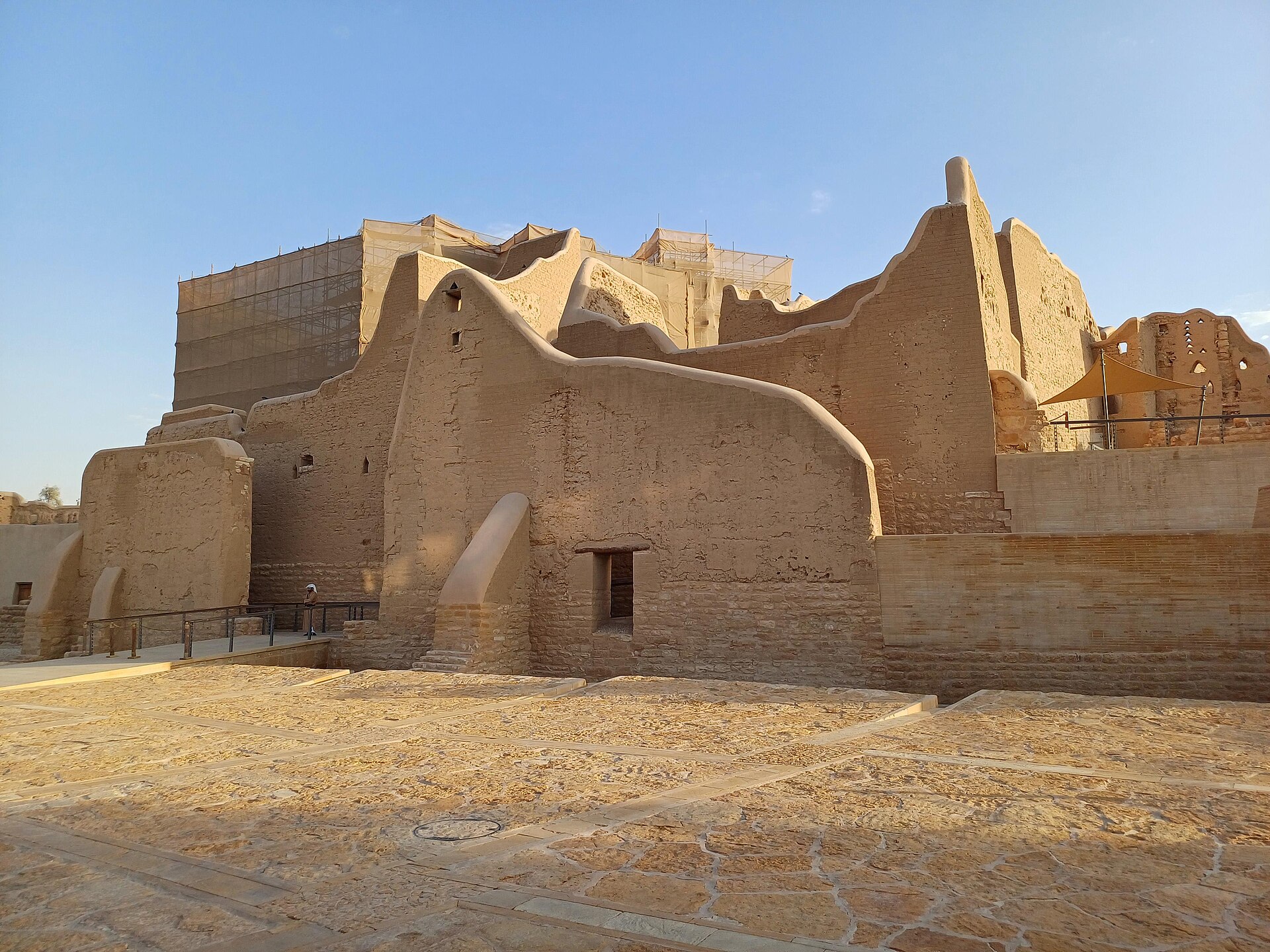
Imam Mohammad ibn Saud Mosque is an active religious and cultural landmark in the Diriyah area of Riyadh. Its name honours Imam Mohammad ibn Saud, founder of the First Saudi State, linking the place with the historical story of Saudi Arabia. For travellers, the mosque is best approached as a functioning place of worship and as part of the wider Diriyah landscape, where religious practice and regional history meet. The Imam Mohammad ibn Saud Mosque stands as a significant religious and cultural landmark in the Diriyah area of Riyadh. Named after the founder of the First Saudi State, this mosque represents an important chapter in Saudi Arabian history and religious tradition. The structure serves both as an active place of worship for the local community and as a point of interest for visitors exploring the historical Diriyah district. Its presence marks the area's transformation from a Wadi Hanifah component to a more distinctly recognizable landmark within the broader Riyadh region.
Checked 2026-08-26 · Source
The mosque contains the spaces required for Islamic worship, including prayer areas oriented towards the qibla, a mihrab and a minbar used during religious services. Ablution facilities support ritual preparation before prayer. The interior is not arranged as a conventional tourist museum, and its primary purpose remains communal worship. Visitors interested in the building should therefore give priority to its religious function, quiet atmosphere and relationship with Diriyah’s historic setting. As an active mosque, the interior contains prayer halls designed to accommodate worshippers, with architectural features typical of Saudi religious buildings. The space includes mihrab indicating prayer direction, minbar for sermons, and ablution facilities for ritual purification.
Checked 2026-08-26 · Source
Allow thirty minutes to one hour for respectful exterior observation and for taking in the mosque’s connection with Diriyah. Someone attending a prayer will spend time according to the service rather than a sightseeing schedule. The mosque also works as a short stop within a broader exploration of the district. Move slowly, leave room for worshippers and avoid treating the visit as a rapid photo opportunity before immediately departing.
Checked 2026-08-26 · Source
Prayer times shape the mosque’s daily life and are more important than a tourist timetable. Exterior viewing during a quiet daytime period may be more comfortable for visitors focused on architecture and history, while prayer periods bring active worship and greater sensitivity. Riyadh’s cooler months make outdoor observation easier than the hottest summer days. Ramadan and other Islamic occasions can bring a different rhythm, so plan with particular respect for worshippers and local religious activity.
Checked 2026-08-26 · Source
The mosque is a religious institution, not a conventional commercial attraction. Worship and respectful observation are distinct from buying a ticket to a museum or entertainment venue. If the mosque forms part of an organised Diriyah excursion, any fee belongs to the wider tour arrangement rather than necessarily to the building itself. Keep the focus on appropriate conduct and the historical setting, not on expecting a packaged visitor attraction with a standard ticket experience.
Checked 2026-08-26 · Source
The mosque is in Diriyah, northwest of central Riyadh. Private cars, taxis and ride-hailing services are practical for reaching this part of the metropolitan area. It can be paired with other Diriyah heritage stops, making a car-based or guided district visit efficient. Traffic and the broad scale of Riyadh can extend travel time. Once nearby, follow local signs and keep access routes clear during periods when worshippers are arriving or leaving.
Checked 2026-08-26 · Source
Wear conservative clothing covering the arms and legs, and women should cover their hair when entering or approaching the prayer environment. Keep voices low, avoid interrupting worship and give congregants priority. Non-Muslim visitors may face limits on interior access at an active mosque. Riyadh’s summer heat can make the outdoor approach demanding, so carry water and shorten the visit during severe conditions. Prayer times bring more activity, traffic and sensitivity around the building.
Checked 2026-08-26 · Source
Exterior photography should remain discreet and should not disturb worshippers or people entering and leaving the mosque. Ask permission before photographing individuals, and do not make interior images without explicit approval. Avoid professional-looking setups, tripods and extended filming in a functioning religious space. The most respectful photographs concentrate on the architecture from public areas. If staff or worshippers indicate that cameras are unwelcome, stop immediately and continue the visit without recording it.
Checked 2026-08-26 · Source
Its name honours Imam Mohammad ibn Saud, founder of the First Saudi State, connecting the mosque with Saudi Arabia’s early political history.
It stands in the Diriyah area northwest of central Riyadh and can be combined with other heritage stops in the district.
Allow thirty minutes to one hour for respectful exterior observation, unless you are attending a prayer service.
Wear conservative clothing covering arms and legs; women should also cover their hair when entering or approaching the prayer environment.
The mosque becomes an active place of worship, with increased congregational activity and a greater need for quiet, space and respectful distance.
Discreet exterior photography from public areas is the most appropriate choice; avoid photographing people and seek permission before any interior recording.
Loading the interactive map…
The interactive map could not be loaded.
Last updated:
Source: OpenStreetMap contributors ·