

.jpg)

01
1 hr 30 min
Rizal Shrine
The Rizal Shrine is a museum dedicated to José Rizal, the national hero of the Philippines.
- Must see
- Museum
- Manila
Language · 11 published
Country guide
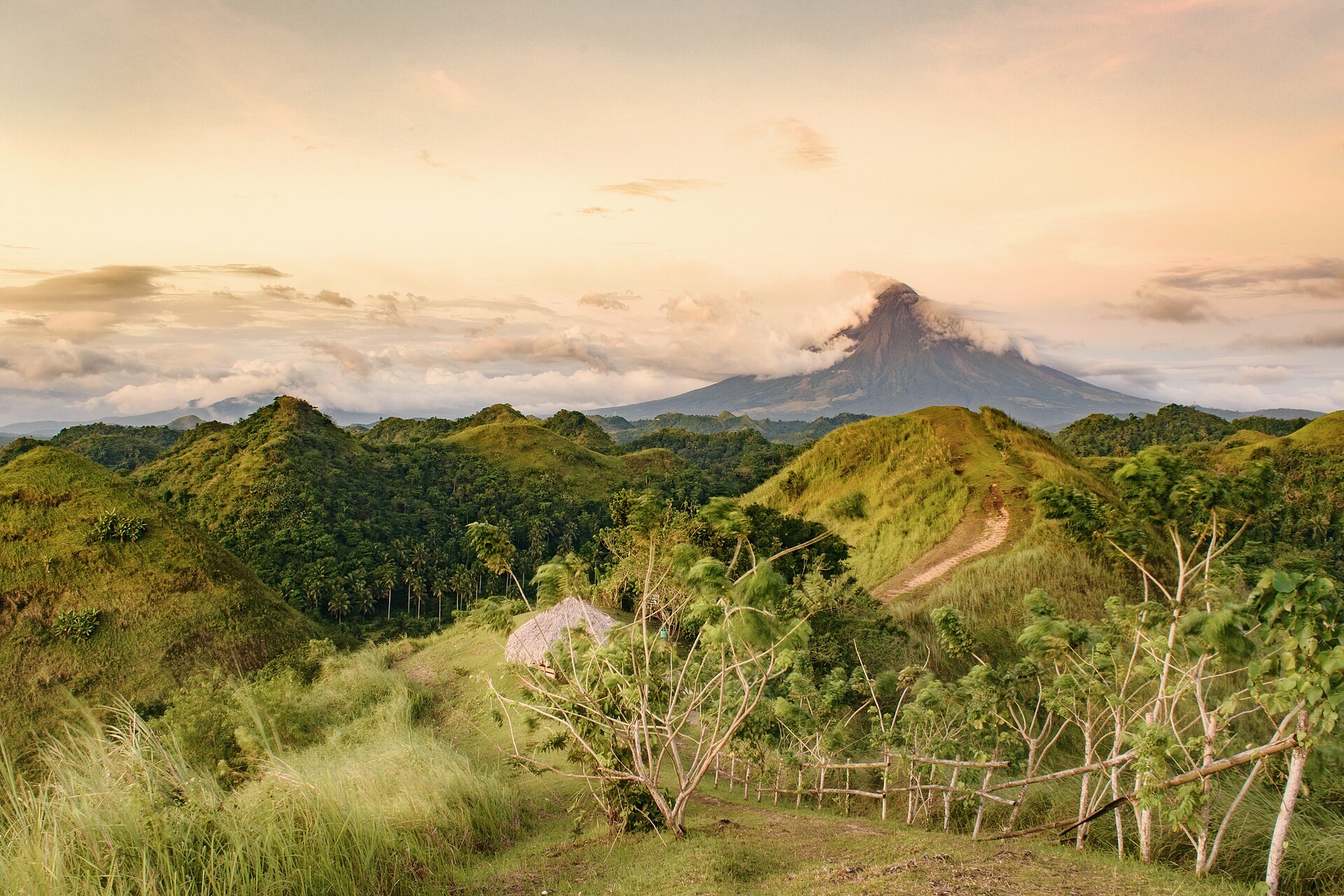
About 7,641 islands hold more than 114 million people, and the Philippines divides north to south into three parts — Luzon, the Visayas, Mindanao — which is the division a traveller ends up planning around. Luzon carries Manila and the national institutions; the Visayas are the middle scatter of smaller islands where most beach itineraries land; Mindanao in the south is the least visited of the three. Nothing here joins up by road for long. The land adds up to only about 300,000 square kilometres, but it is strung across a stretch of the western Pacific wide enough that a domestic flight is usually the honest answer.
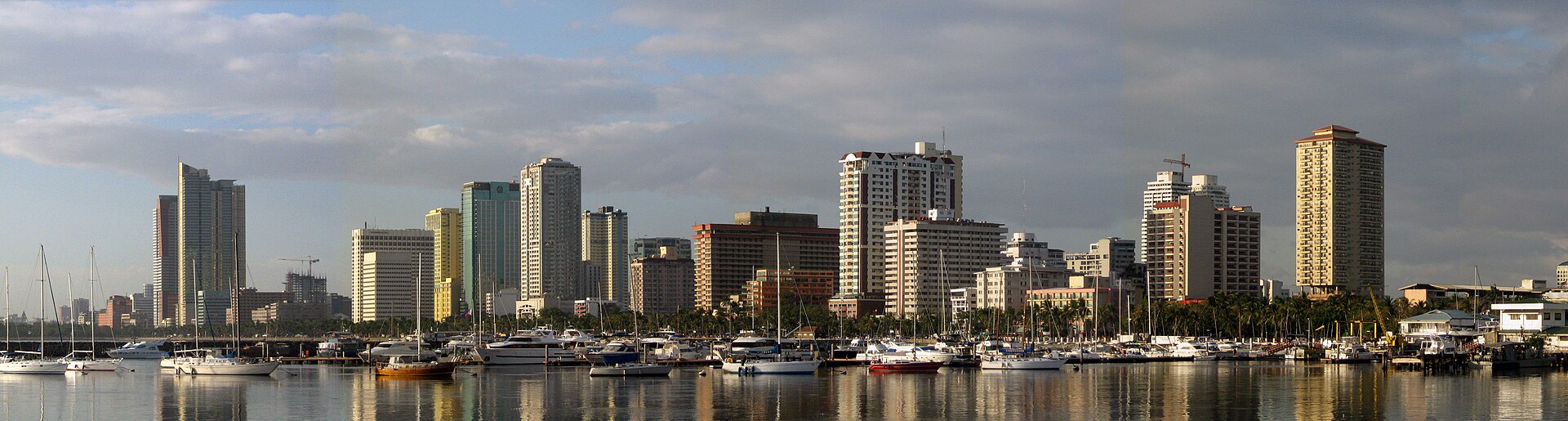
Every city catalogued in this country so far, ranked by how much there is to see.
Photograph · Mike Gonzalez (TheCoffee) · CC BY-SA 3.0

Photograph · Patrickroque01 · CC BY-SA 4.0
Ranked by importance — sitelinks, pageviews and heritage status, not editor preference.
58 places match
Category
Typical visit duration
Interests
The Rizal Shrine is a museum dedicated to José Rizal, the national hero of the Philippines.

The National Museum of Anthropology is a major cultural institution in Manila, Philippines. It serves as a repository of the country's anthropological and archaeological heritage, housing collections that document Filipino prehistory, ethnography, and material culture.
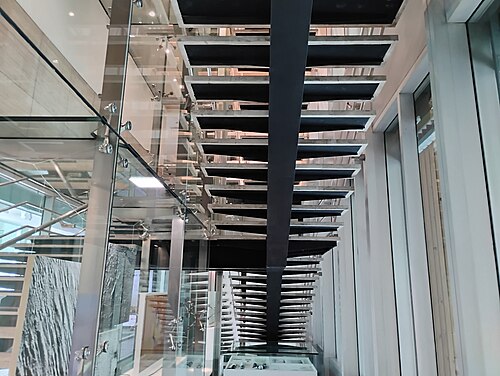
Ayala Museum is a private museum located in the Makati Central Business District of Metro Manila. It was established by the Ayala Foundation and occupies a distinctive building within the Ayala Center commercial complex.

The National Museum of Natural History is a museum in Manila, Philippines, dedicated to the country's natural heritage. It is part of the National Museum of the Philippines complex and occupies the former Department of Tourism building in Rizal Park.

Casa Manila is a museum located within the historic walled district of Intramuros in Manila. It presents a reconstructed Spanish colonial-era house, representing the lifestyle of the ilustrado or educated upper class during the late nineteenth century.
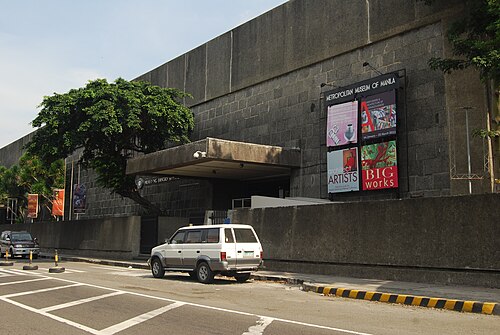
The Metropolitan Museum of Manila is an art museum located in the capital of the Philippines. It serves as a cultural institution dedicated to promoting Philippine art and fostering appreciation for visual arts among local and international audiences.
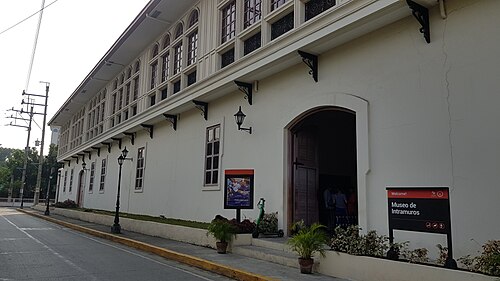
Museo de Intramuros is a museum located within the historic walled district of Intramuros in Manila, Philippines. The institution occupies a significant position in Metro Manila's cultural tourism landscape, serving as a meaningful visitor destination according to available tourism documentation.
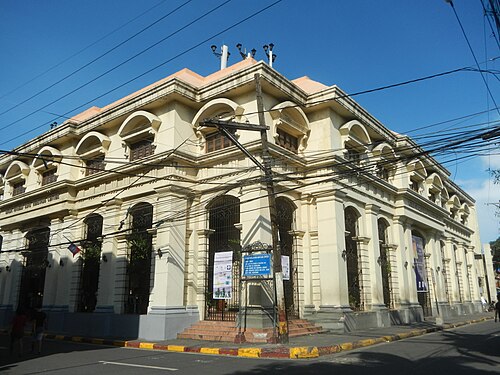
Bahay Tsinoy is a museum in Manila dedicated to Chinese Filipino heritage and history. The institution documents the centuries-long presence and contributions of Chinese immigrants and their descendants in Philippine society.

Bahay Nakpil-Bautista is a heritage house in Quiapo, Manila, recognized as a significant cultural landmark. Built in 1914 by architect Arcadio Arellano, it exemplifies the bahay na bato style with Art Nouveau details.

Casa Gorordo is a house museum in Cebu's historic Parian district and a National Historical Landmark.
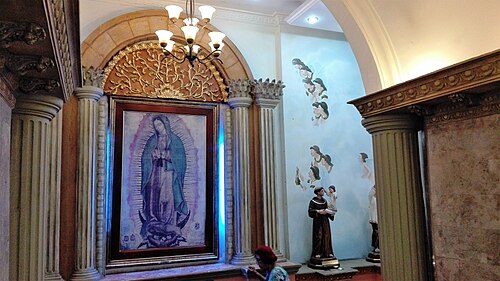
The Archdiocesan Museum of Cebu is a religious and cultural museum located in Cebu City, Philippines. It is housed within the historic compound of the Cebu Metropolitan Cathedral, one of the oldest ecclesiastical structures in the country.

Calvo Museum is a heritage institution located in Metro Manila, Philippines. It occupies a historic building and serves as a repository for cultural artifacts and memorabilia related to Philippine history and commerce.

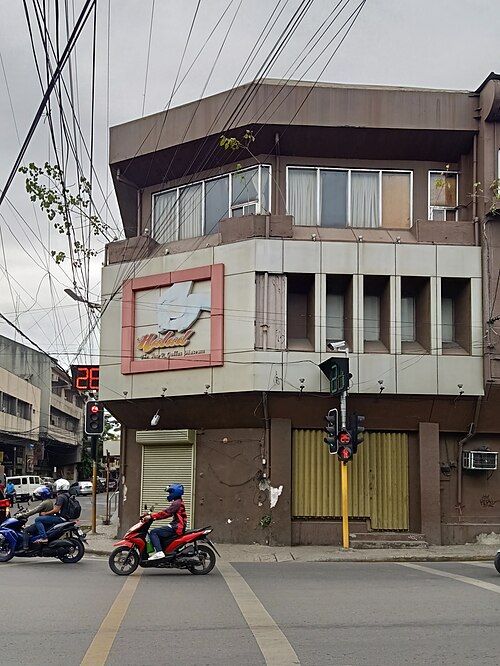
Jose R. Gullas Halad Museum is a cultural institution located in Cebu City, Philippines. The museum is named after Jose R. Gullas, a significant figure in Cebu's cultural and educational landscape.
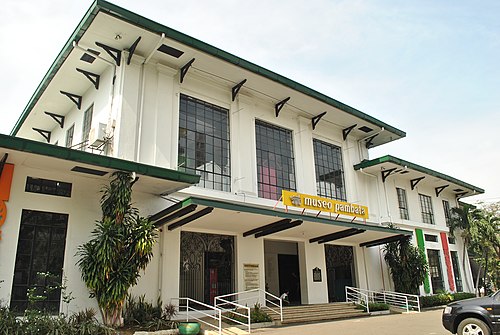
Museo Pambata is a public interactive children's museum located in Ermita, Manila. The institution focuses on providing hands-on learning experiences for young visitors through participatory exhibits and educational programming.

Museo Sugbo is a museum in Cebu City, Philippines. It occupies a building with historical significance in the city's heritage landscape. The structure itself represents an important chapter in Cebu's urban development.
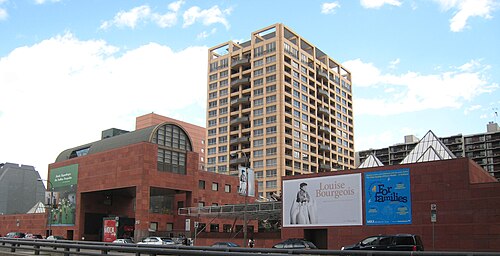
The Museum of Contemporary Art and Design is a cultural institution in Metro Manila dedicated to modern artistic expression. It serves as a platform for Filipino and international contemporary artists, showcasing works that reflect current social, political, and cultural discourse.
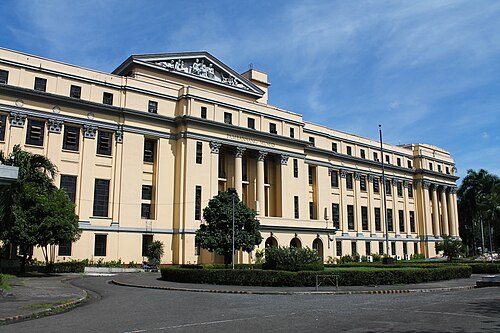
The National Museum of Fine Arts is a major cultural institution in Manila, Philippines. It occupies the historic Old Legislative Building, an imposing neoclassical structure completed in 1926 that has served multiple governmental functions before its conversion to museum use.

The National Museum of the Philippines - Cebu is a regional branch of the national museum system, located in Cebu City on Cebu Island. It serves as a cultural repository preserving and exhibiting artifacts relevant to the region's heritage.
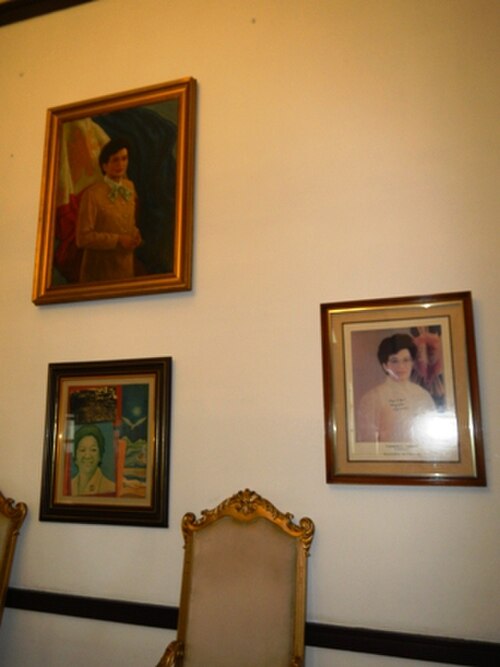
The Presidential Museum and Library is a cultural institution in Manila dedicated to preserving and presenting Philippine presidential history. It houses collections related to the nation's chief executives and their administrations.


The University of San Carlos Museum is a cultural institution located within the University of San Carlos, one of the oldest universities in the Philippines.

The Yap-Sandiego Ancestral House is a heritage structure in Cebu City, recognised among the city's notable historical attractions. It represents a preserved example of Spanish colonial-era residential architecture in the Philippines.
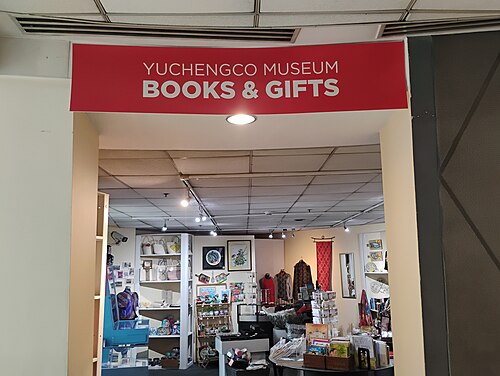
Yuchengco Museum is a public art and cultural museum located in Makati, Metro Manila. It was established by the Yuchengco family to house their collection of Filipino and international art, as well as to promote cultural education.
Source: OpenStreetMap contributors, Wikidata ·
Ten to fourteen days should focus on one or two island groups, such as Manila with Palawan or Cebu with nearby Visayan islands. Each additional island adds a terminal transfer and weather exposure, so keep the final night close to the international departure airport.
Use the official eTravel service for any required arrival registration and check Bureau of Immigration guidance for the passport and length of stay. Registration is not a substitute for a visa when one is required, and unofficial lookalike services should not be used.
The Philippine Ports Authority documents passenger terminals and inter-island links, including Batangas services toward Mindoro, Palawan, Panay, Negros, Cebu and Mindanao. Confirm the exact port and terminal with the licensed carrier. Domestic-air routing and claims about Manila or Cebu as flight hubs are Not recorded by this source, so they are not inferred here.
Dry-season expectations vary by island and typhoon exposure matters more than a single national calendar. Build the trip around the weather pattern of the selected island group, keep sea-transfer days flexible and monitor official storm notices before any ferry leg.
The Philippine peso is used nationwide. Cash is important on smaller islands and for local road transport, while city hotels and larger businesses more often accept cards; use bank-connected machines and check whether island services add separate terminal or environmental fees.
Call 911 for the recorded emergency service; power standards include Types A, B and C at 220 V. Tap-water safety is Not recorded in this dataset, so confirm supply locally, and retain carrier and terminal contacts whenever the itinerary includes sea travel.