

290 min walk
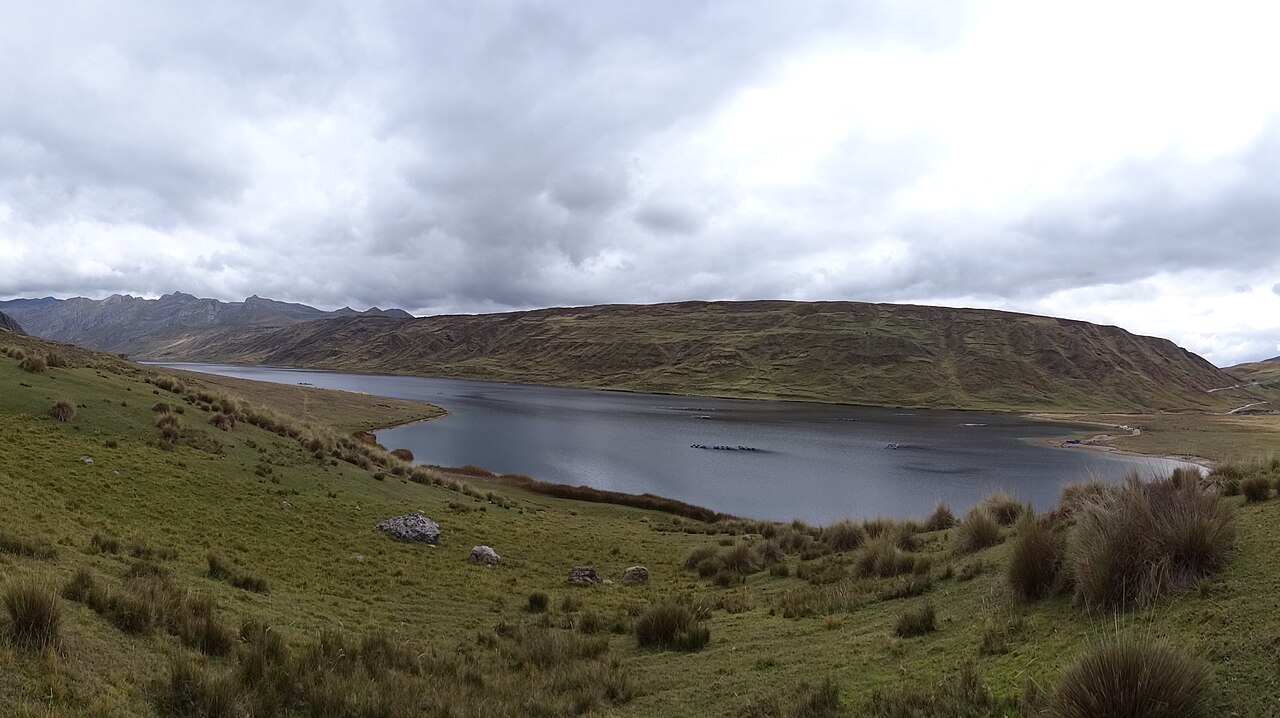
Lake Junín
- Must see
- Nature site
Language · 11 published
Nature site · Lima

Huayllay National Sanctuary is a protected natural area in Peru, located in the Pasco Region. The sanctuary is recognized for its distinctive geological formations, particularly its extensive rock forest created by volcanic and erosive processes over geological time. Established to conserve these unique formations and associated ecosystems, the area represents an important site for both natural heritage preservation and scientific study. The sanctuary lies at high altitude in the central Andes, contributing to its distinctive environmental characteristics. Its protected status reflects national commitment to preserving unusual geomorphological features that attract researchers and visitors interested in Peru's diverse natural landscapes.
Checked 2026-08-28
The sanctuary contains a remarkable stone forest featuring numerous rock formations of varied shapes and sizes, sculpted by natural forces. These formations create a dramatic landscape often compared to a petrified forest. The area supports high-Andean ecosystems with native vegetation adapted to cold, elevated conditions. Wildlife includes species typical of the puna grassland and high-elevation environments, though specific inventories are Not recorded. The geological structures themselves serve as the primary attraction, with formations bearing names based on their perceived resemblance to objects or figures. Visitor facilities and marked trails are Not recorded. The sanctuary's interior remains primarily in natural condition with minimal developed infrastructure.
Checked 2026-08-28
Visitor duration at Huayllay National Sanctuary varies considerably based on individual interests and physical adaptation to high altitude. A basic circuit observing main rock formations may require several hours of walking. Photography enthusiasts or geology-focused visitors typically allocate longer periods to explore and document the diverse formations. Those combining sanctuary visits with acclimatization needs may plan extended stays in the broader region. No standardized tour duration is recorded. Visitors should assess personal fitness and altitude tolerance, as the sanctuary's elevation exceeds 4,000 meters. Multi-day visits incorporating nearby attractions are possible but require independent logistical planning as packaged itineraries are Not recorded.
Checked 2026-08-28
The sanctuary experiences high-Andean climate conditions with cold temperatures year-round and pronounced seasonal variation in precipitation. The dry season, approximately May through September, generally offers more favorable conditions for outdoor exploration with reduced rainfall. Wet season months present greater challenges for access and visibility. Visitors should verify current accessibility with regional tourism authorities or protected area management before traveling, as conditions may affect road conditions and sanctuary access. Weather at this altitude changes rapidly; preparation for cold, wind, and intense solar exposure is essential regardless of season. Local guidance on current conditions is advisable. Check the operator's own site for the travel date before relying on a schedule or fare.
Checked 2026-08-28
Entry requirements and fee structures for Huayllay National Sanctuary are Not recorded pending review. As a national protected area, the sanctuary likely falls under Peruvian national protected areas administration, though specific management arrangements are unconfirmed. Visitors should consult official Peruvian protected area authorities, regional tourism offices, or verified local operators for current entry procedures and any applicable fees. Payment methods, advance booking requirements, and potential guide obligations remain unverified. Travelers are cautioned against relying on unofficial sources for financial or procedural information, as policies for protected areas may change and enforcement practices vary by location and period. Check the operator's own site for the travel date before relying on a schedule or fare.
Checked 2026-08-28
Huayllay National Sanctuary is located in the Pasco Region of central Peru, accessible from the city of Cerro de Pasco or potentially from Lima via overland routes. The journey involves significant altitude gain from coastal or lower-elevation starting points. Public transportation options are Not recorded; visitors typically rely on private vehicle, organized transport, or local arrangements from nearby population centers. Road conditions vary seasonally and may present challenges, particularly during wet periods. No airport serves the immediate area directly. Detailed routing, travel times, and current road status are Not recorded. Visitors should obtain recent local intelligence on access conditions, as remote high-Andean routes may be subject to disruption without warning.
Checked 2026-08-28
Altitude poses the primary concern; the sanctuary's elevation exceeds 4,000 meters, creating significant risk of altitude sickness for unacclimatized visitors. Symptoms including headache, nausea, and fatigue require immediate attention and possible descent. Weather conditions change rapidly with potential for cold, wind, and intense ultraviolet exposure. Remote location means limited emergency services and communication coverage. Trail conditions, signage, and visitor safety infrastructure are Not recorded. Visitors should carry adequate provisions, warm clothing, sun protection, and emergency supplies. Informing others of intended routes and expected return is prudent. Water sources may require purification. Wildlife encounters are possible; maintaining appropriate distance from all animals is advisable. Solo exploration of unfamiliar terrain carries inherent risks.
Checked 2026-08-28
The stone forest formations offer exceptional subjects for landscape and geological photography, with dramatic shapes and textures created by natural erosion. Early morning and late afternoon light typically provide optimal conditions for capturing dimensional qualities of rock surfaces, though specific golden hour timing varies seasonally. The high-altitude environment produces intense, clear light with strong shadows. Wide-angle lenses accommodate expansive formations; telephoto options isolate specific features against mountain backgrounds. Night sky photography may benefit from reduced light pollution at this remote location, though cloud patterns are unpredictable. Drone regulations are Not recorded. Tripod use assists in low-light conditions. Visitors should secure equipment against wind and protect gear from dust and temperature extremes.
Checked 2026-08-28
Not recorded.
Visitors should verify current fee structures with official Peruvian protected area authorities before traveling. Check the operator's own site for the travel date before relying on a schedule or fare.
Not recorded.
Visitors must verify current accessibility with regional tourism authorities or protected area management.
The distance and road conditions make this challenging, though specific travel times are Not recorded. Most visitors likely base themselves in the Pasco Region.
Not recorded.
Loading the interactive map…
The interactive map could not be loaded.

Last updated:
Source: OpenStreetMap contributors, Wikidata ·