


4 min walk
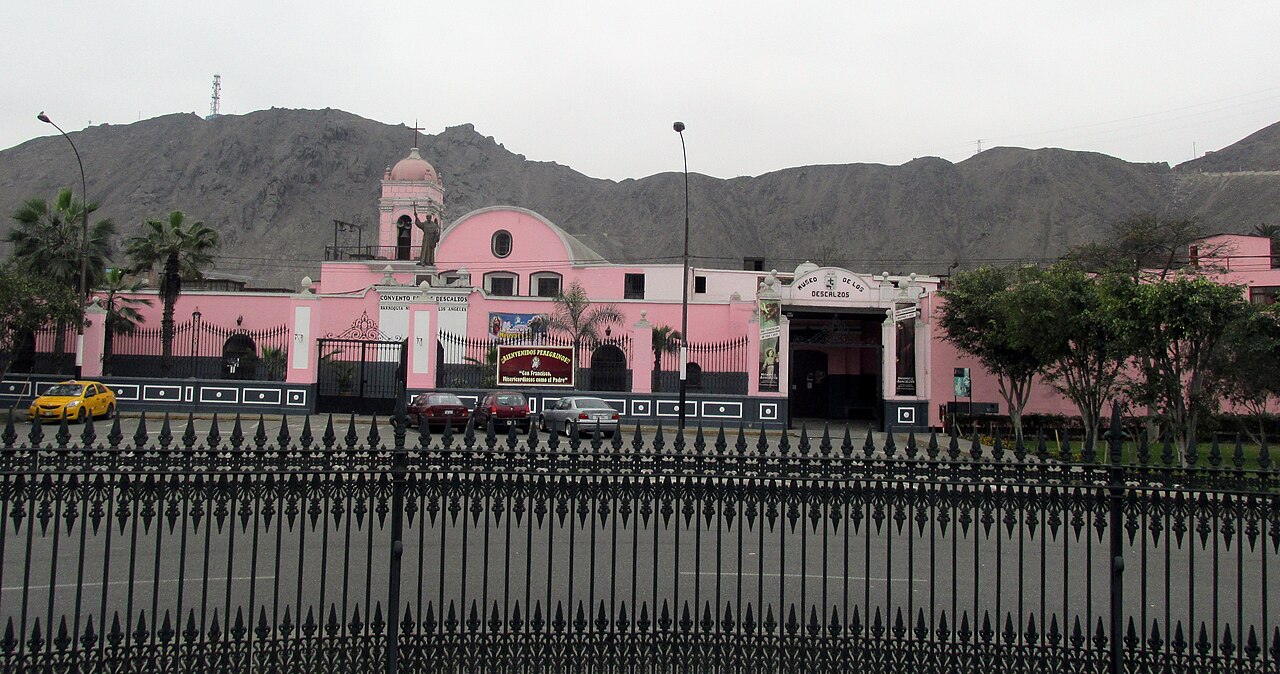
Convento de los Descalzos
- Must see
- Place of worship
Language · 11 published
Nature site · Lima

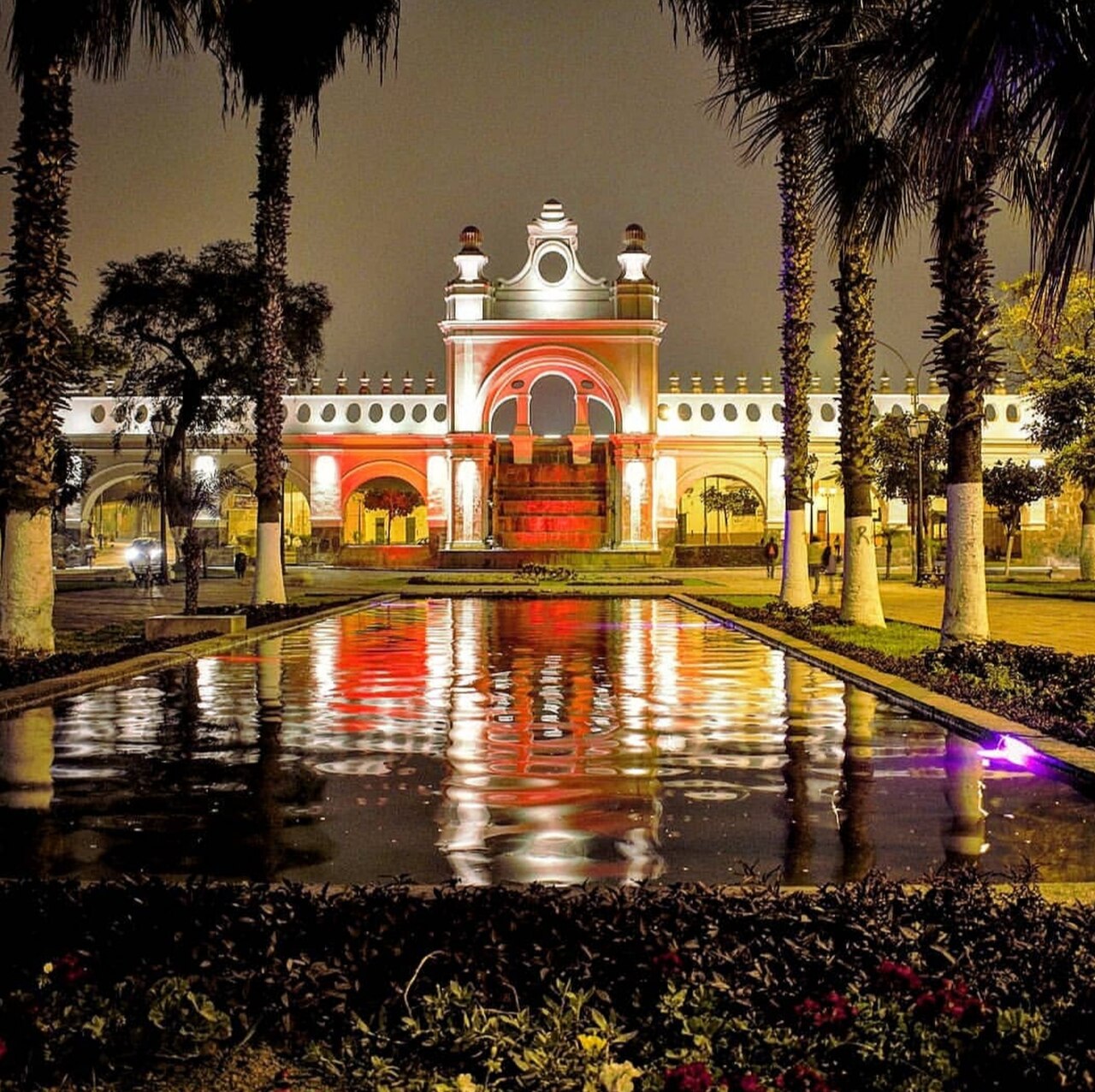
Alameda de los Descalzos is a historic promenade in Lima's Rímac district. This tree-lined walkway dates to the colonial era and served as a ceremonial route connecting important religious and civic sites. The avenue derives its name from the Discalced Franciscans, whose monastery lies nearby. The promenade represents one of Lima's earliest urban planning achievements and reflects the city's Spanish colonial heritage. Its significance is recognized through UNESCO World Heritage listing as part of Lima's historic centre ensemble.
Checked 2026-08-26
The alameda features nineteenth-century sculpture lining its length, constituting a significant outdoor art collection. These works adorn the pedestrian route and contribute to its distinctive character. The promenade connects several heritage sites of historical importance, creating a corridor of cultural value. The tree planting and formal layout demonstrate historic landscape design principles. The sculptural program represents a later layer of embellishment added to the original colonial infrastructure, blending artistic periods into a coherent public space.
Checked 2026-08-26

The promenade's linear nature suggests a walking visit of moderate duration. Visitors typically traverse the alameda while connecting multiple destinations in the Rímac district. The experience combines transit with appreciation of the sculptural elements and surrounding heritage context. Time required depends on whether visitors pause to examine individual sculptures or simply pass through. Integration with nearby sites extends the overall visit substantially. The walkway functions as both destination and connector within broader heritage exploration. The strongest visit keeps attention on what is distinctive here while leaving room for the next stop. That approach makes Alameda de los Descalzos useful in both a focused first visit and a slower return to the city.
Checked 2026-08-26

Visitors should verify current accessibility before planning. Daylight hours offer optimal conditions for viewing the nineteenth-century sculptures and architectural context. Evening atmosphere may suit those seeking the promenade's aesthetic qualities, though individual comfort with urban surroundings should guide timing. Weather considerations include Lima's characteristic garúa mist during winter months and generally mild conditions year-round. Special events or maintenance may affect access without advance notice. Alameda de los Descalzos also earns time in a lima itinerary because The historic Rímac promenade is lined by nineteenth-century sculpture and connects several heritage sites. Its value becomes clearer when the stop is compared with the surrounding streets and the other ranked places nearby. Check the operator's own site for the travel date before relying on a schedule or fare.
Checked 2026-08-26
The promenade's public nature suggests open access without formal admission, though this requires verification. No ticketing infrastructure is evident from available sources. Visitors should confirm whether any associated heritage sites impose separate charges. Budget planning should remain flexible pending authoritative information. The alameda's function as a public thoroughfare traditionally implies free passage, but contemporary management practices may have introduced modifications requiring direct confirmation from local authorities. A flexible visit lets travellers connect Alameda de los Descalzos with the rest of the day without treating one room, viewpoint or photograph as the whole experience. The useful pace depends on personal interest and conditions on arrival. Check the operator's own site for the travel date before relying on a schedule or fare.
Checked 2026-08-26

The Rímac district lies across the river from Lima's historic centre core, accessible by bridge crossings. Public transportation serves the general area, with specific routing requiring local inquiry. Walking from central Lima heritage sites provides contextual approach. The promenade's linear form means entry points vary; identifying connecting heritage sites assists orientation. Taxi or rideshare services offer direct access. Visitors should exercise standard urban awareness, particularly regarding personal belongings and route selection. Nighttime travel warrants additional caution.
Checked 2026-08-26

Urban surroundings require standard visitor vigilance regarding personal security and belongings. The promenade's heritage character exists within a working-class district context. Some adjacent areas may present conditions unfamiliar to international visitors. Sculpture condition varies; preservation challenges affect certain elements. Traffic interfaces where the alameda crosses vehicle routes demand attention. Weathered surfaces may create slip hazards. Informational signage may be limited. The historic environment includes uneven paving and other physical characteristics requiring careful navigation. Solo visitors should consider timing visits during busier periods.
Checked 2026-08-26

The nineteenth-century sculptures offer substantial photographic subjects against the tree-lined avenue. Morning and afternoon light penetrate the canopy differently, creating varied conditions. The linear perspective provides compositional opportunities. Heritage site connections suggest contextual photography beyond the promenade itself. Tripod use may attract attention in this urban setting. Respect for other pedestrians maintains appropriate conduct. Sculpture detail shots document the artistic heritage. The alameda's role as processional route informs narrative photographic approaches. Equipment security warrants ongoing attention in public space.
Checked 2026-08-26
Yes, it falls within the designated area of Lima's historic centre, recognized by UNESCO.
It refers to the Discalced Franciscans, a branch of the Franciscan order; 'descalzos' means barefoot or discalced.
No, the sculptures date to the nineteenth century, representing a later addition to the colonial-era promenade.
Visitors should exercise standard urban caution; the area requires awareness appropriate to its working-class district context.
The monastery of the Discalced Franciscans is nearby; separate verification of its visitor access is required.
Not recorded pending review; the public nature of the space suggests open access but confirmation is advised.
Loading the interactive map…
The interactive map could not be loaded.
Last updated:
Source: OpenStreetMap contributors, Wikidata ·