Sacsayhuaman
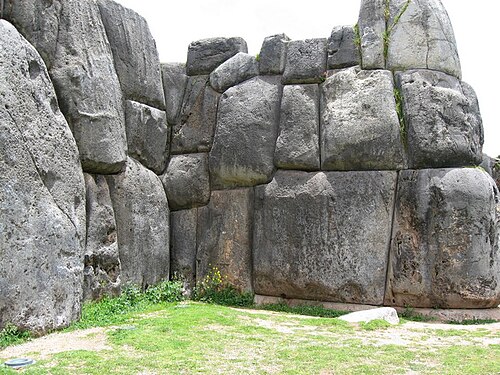
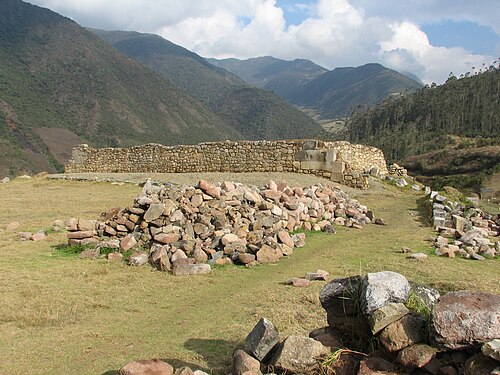
Sacsayhuaman, known locally as Saqsaywaman, is an immense Inca ceremonial and defensive complex situated on a hill above Cusco.
- Must see
- Historic monument
Language · 11 published
City guide · Peru
Cusco's visitor core is compact but steep, centred on Plaza de Armas and adjoining historic streets. San Blas rises above the centre, while Qorikancha and the southern streets form another walkable cluster. Sacsayhuamán and nearby archaeological sites sit beyond the central grid, and the Sacred Valley and Machu Picchu are separate regional journeys. Altitude and cobbled slopes make realistic pacing more important than short map distances.
Set your days, your pace and the hours you actually want to be out. The planner works around closing days and travel time, and leaves room to eat.
Ranked by importance — sitelinks, pageviews and heritage status, not editor preference.
100 places match
Category
Typical visit duration
Sacsayhuaman, known locally as Saqsaywaman, is an immense Inca ceremonial and defensive complex situated on a hill above Cusco.
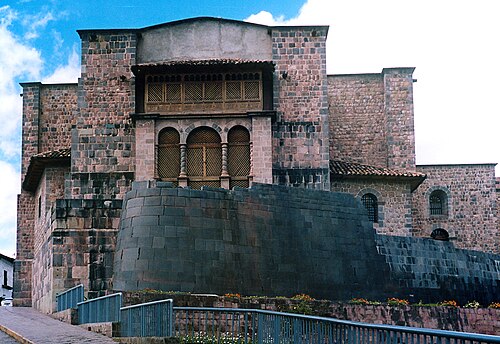
The Convent of Santo Domingo stands on the Qorikancha complex in central Cusco.
Plaza de Armas del Cusco stands as the historic main square of Cusco, Peru, occupying the ceremonial heart of the former Inca capital. Spanish colonial architecture now dominates the space, with arcades, churches, and portals surrounding the open plaza.
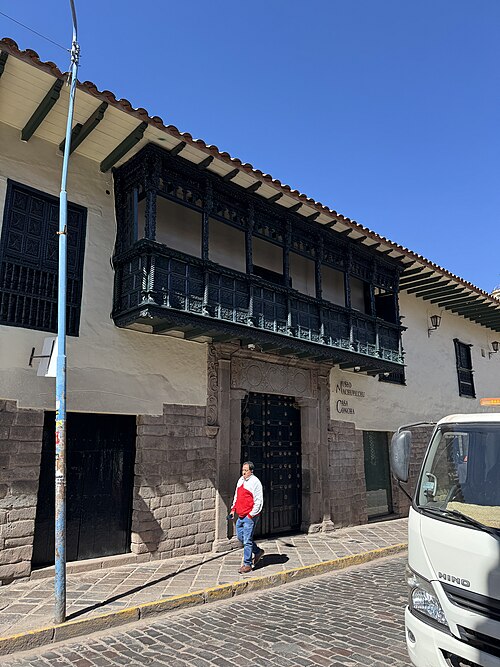
The Museo Machu Picchu - Casa Concha is a museum housed in a colonial-era building in Cusco, Peru. It was established to display the principal collection of archaeological artifacts returned from Yale University's excavations at Machu Picchu.
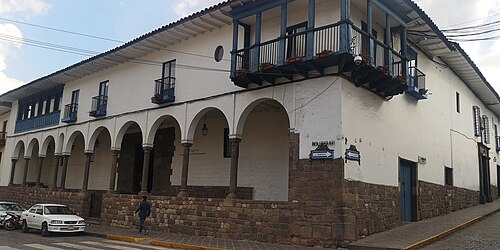
The Regional Historical Museum of Cusco, known locally as Museo Histórico Regional del Cusco, occupies the Casa Garcilaso, a key historic residence in the city.
The Museum of Religious Art occupies the former palace of Inca Roca, a significant noble residence in the Inca imperial capital. The building later passed to colonial religious authorities and was adapted for ecclesiastical use.
Inkilltambo is a restored Inca ceremonial and agricultural complex situated on the urban edge of Cusco, Peru. The site represents a significant archaeological zone that combines religious and farming functions typical of Inca landscape engineering.
La Merced Church and Convent, known locally as Iglesia y Convento de La Merced, stands in Cusco as a significant colonial religious complex. The basilica and convent together form one canonical visitor destination.
San Francisco Church and Convent is a colonial religious complex in Cusco, Peru. Its local name is Iglesia y Convento de San Francisco de Asís.
Santa Catalina Convent and Museum is a colonial religious complex in Cusco, Peru, operating as both an active monastery and a public museum. Established during the Spanish colonial period, it represents one of the city's significant historic religious institutions.
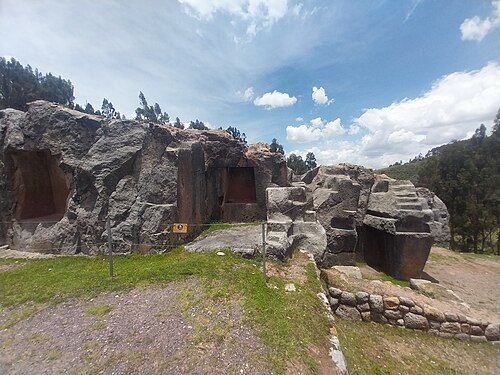
The Temple of the Moon, or Templo de la Luna, is a rock-cut ceremonial site located on the hills near Sacsayhuaman above Cusco.
Cusco is a city in southeastern Peru, historically the capital of the Inca Empire. Located in the Andes Mountains at high elevation, it serves as a gateway to the Sacred Valley and Machu Picchu.
Iglesia de Santiago Apóstol is a colonial parish church located in the south-western sector of Cusco's historic centre, away from the main Plaza de Armas cluster.
Vilcabamba, known locally as Willkapampa, is an archaeological site in the Cusco region of Peru. It served as the final refuge and capital of the Inca state after the Spanish conquest of Cusco in 1533.
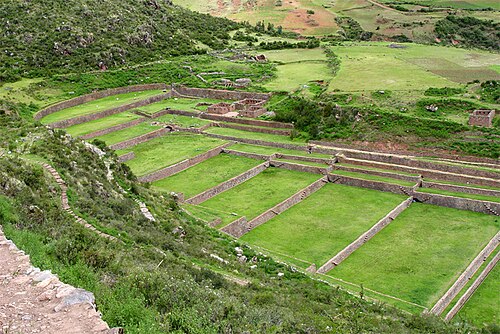
Tipón is an archaeological site in the Cusco region of Peru, recognized as a significant example of Inca hydraulic engineering. The complex features agricultural terraces with integrated irrigation channels that remain functional.
Wiñay Wayna is an Inca archaeological site situated along the Inca Trail to Machu Picchu in the Cusco Region of Peru. The name translates from Quechua as 'Forever Young.' The ruins occupy a steep hillside overlooking the Urubamba River valley.
Sayhuite is an Inca archaeological complex in Curahuasi district, Apurímac, rather than a monument inside Cusco city. Peru's Ministry of Culture identifies it as a nationally protected pre-Hispanic archaeological monument and one of Apurímac's representative heritage sites.
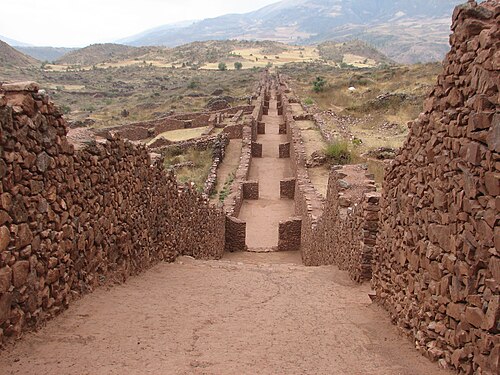
Piquillacta is a pre-Inca archaeological site located southeast of Cusco in the Lucre Basin of Peru.
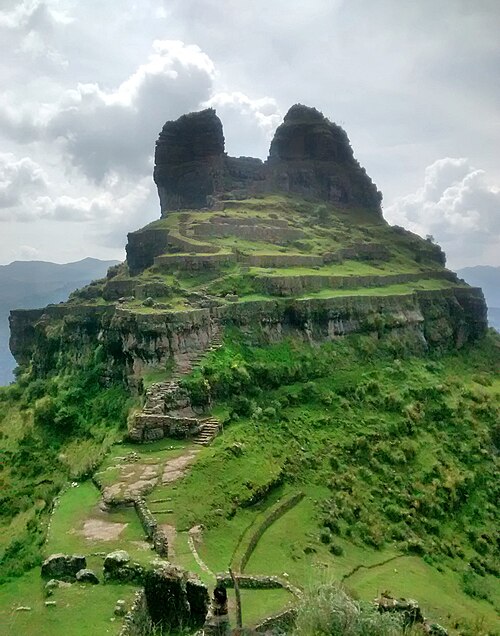
Waqrapukara is an archaeological site situated southeast of Cusco, Peru. The name translates from Quechua as "horn fortress," referencing the distinctive horn-shaped rock formations that dominate the landscape.
Coricancha, known locally as Qurikancha, was the most important temple in the Inca Empire. Located in Cusco, Peru, it was dedicated primarily to Inti, the sun god.
Vitcos is an archaeological site in the Cusco region of Peru, identified in OpenStreetMap data as way/37114982. The location appears in Wikidata as Q2045814. Situated in the broader Vilcabamba area, it represents Inca-period remains.
Suntur, locally known as Sóndor, is an archaeological site near Cusco, Peru. The location appears in Wikidata and OpenStreetMap records as a place of historical significance in the region.
Quriwayrachina, locally known as Corihayrachina, is a populated place situated in La Convención Province within the Cusco Region of Peru. The settlement lies in the Peruvian Andes, forming part of the broader Vilcabamba valley area historically associated with Inca-era activity.
Raqch'i is an archaeological site in the Cusco region of Peru, located on the route between Cusco and Puno. The site is primarily known for the Temple of Wiracocha, a significant Inca religious structure.
Rumicolca, known locally as Portada Rumikolka, is an archaeological site near Cusco, Peru. This Inca structure served as a gateway and checkpoint along the important route toward the Collasuyu region of the Inca Empire.
Tarahuasi, known locally as Zona arqueológica Tarawasi, is an archaeological site near Cusco, Peru. The site represents Inca-period construction and serves as a cultural heritage location in the broader Sacred Valley region.
Inka Wasi is an archaeological site located in the Ayacucho region of Peru, not in Cusco city itself. The site represents pre-Columbian Inka architectural remains, demonstrating the expansive reach of the Inka Empire across Andean territories.
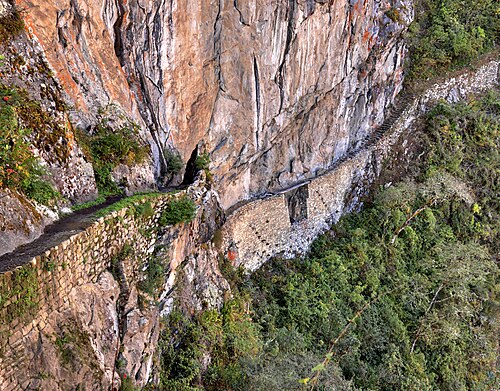
The Inca Bridge, known locally as Puente Inka, is a historical structure near Cusco, Peru. This site forms part of the broader archaeological heritage associated with Inca engineering and construction techniques.
Muyuq Marka, also known locally as Muyuqmarka, is a circular archaeological tower foundation located within the Sacsayhuamán complex above Cusco, Peru.
Ñusta Hisp'ana is an archaeological site located near Cusco, Peru. The site is known for its carved stone features and forms part of the broader Inca cultural landscape in the Sacred Valley region.
Pinkuylluna is an archaeological site on the steep hill east of Ollantaytambo's historic settlement. Peru's official tourism inventory records long occupation evidence from the Formative period onward, including Middle Horizon burials, Late Intermediate Killke ceramics, and later structures.
Pongo de Mainique is a dramatic gorge and canyon on the Urubamba River in the Cusco region of Peru. The name derives from local Quechua terminology associated with this significant geographical feature.
Wamanmarka is an archaeological site located near Cusco, Peru. The site represents pre-Columbian Inca heritage and forms part of the broader cultural landscape of the Sacred Valley region.
The Temple of the Moon, or Templo de la Luna, is a rock-cut ceremonial site located on the hills near Sacsayhuaman above Cusco.
Source: OpenStreetMap contributors, Wikidata ·
Plaza de Armas anchors the cathedral, museums and colonial streets. San Blas occupies the hillside northeast of the square, with narrow lanes and steep approaches. Qorikancha and Avenida El Sol extend south. Sacsayhuamán, Q'enqo, Puka Pukara and Tambomachay form an archaeological corridor outside the compact core. The Sacred Valley, Rainbow Mountain and Machu Picchu require dedicated transport and should never be treated as nearby city stops.
Checked 2026-08-26
Walk within the historic centre when altitude and slopes allow, and use authorised taxis or organised transport for higher or outlying sites. Regional trains, buses and licensed transfers serve Sacred Valley and Machu Picchu routes, but departure stations and ticket conditions vary. Confirm each leg through the official traveller guide and relevant operator. Build extra time into the first day rather than scheduling a dense itinerary immediately after arrival.
Checked 2026-08-26
Plaza de Armas, Qorikancha and lower central streets form the main walking core
No fixed stay length is recorded; separate city time from regional archaeological journeys.
Walk the centre slowly and use authorised transport for higher or outlying sites.
Machu Picchu requires separate train, road and ticket arrangements outside a city walking day.
A lighter first day accounts for altitude, slopes and the effort of cobbled streets.