


.jpg)
.jpg)
.jpg)

16 min walk
Pucará
- High
- Historic monument
Language · 11 published
Historic monument · Cusco
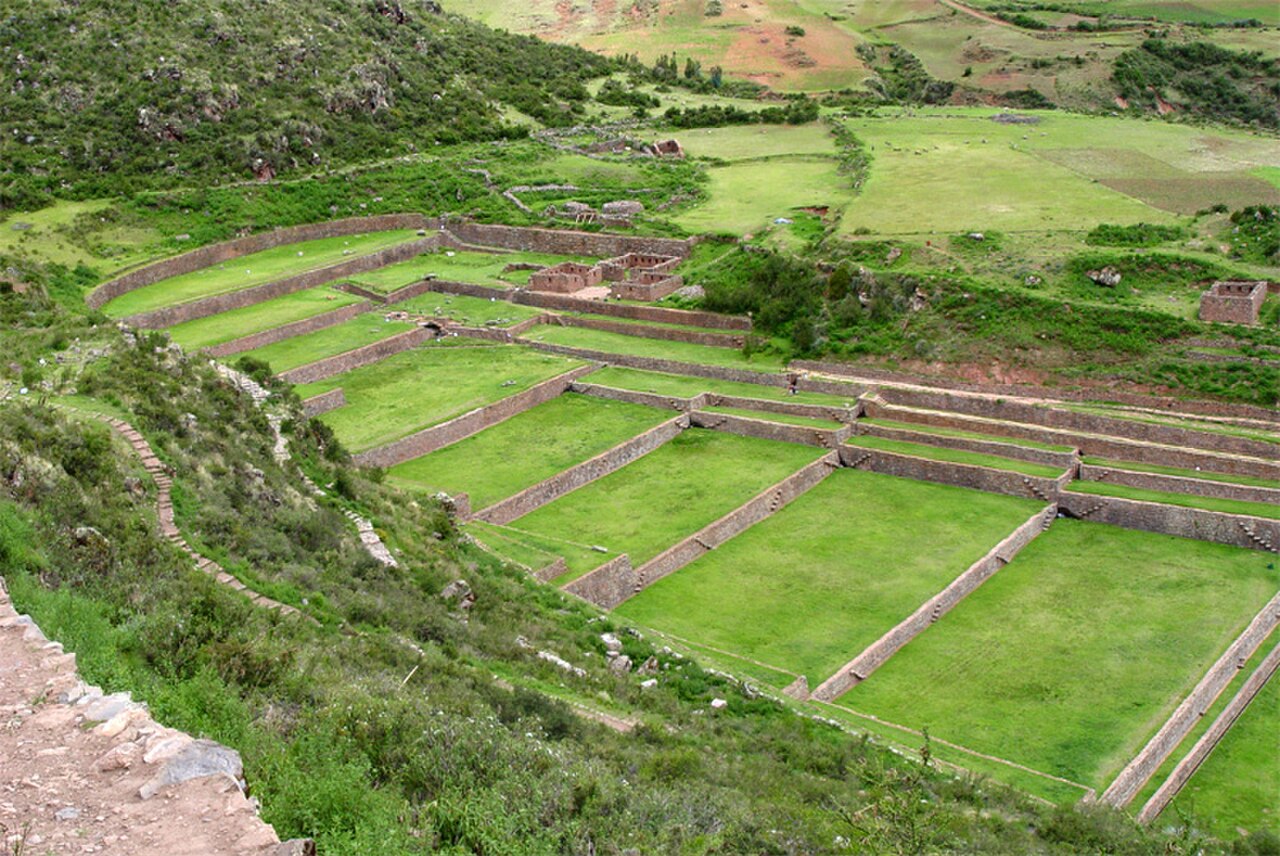
Tipón is an archaeological site in the Cusco region of Peru, recognized as a significant example of Inca hydraulic engineering. The complex features agricultural terraces with integrated irrigation channels that remain functional. Located southeast of Cusco city, it forms part of the broader valley's archaeological landscape. The site demonstrates sophisticated water management techniques developed by the Inca civilization. Its preservation allows visitors to observe ancient engineering principles in a mountain setting. The location provides views of the surrounding Sacred Valley terrain.
Checked 2026-08-28
The site contains multiple agricultural terraces arranged on a hillside, with stone-lined water channels distributing flow across levels. A central fountain structure and various water features are present throughout the complex. Terraces vary in size and demonstrate different construction phases. The upper sections include ceremonial or residential structures. Water enters from a natural spring above the site and flows through the engineered system. The layout shows hierarchical water distribution with controlled drainage. Stone masonry quality varies across different terrace levels, suggesting possible construction during different periods.
Checked 2026-08-28
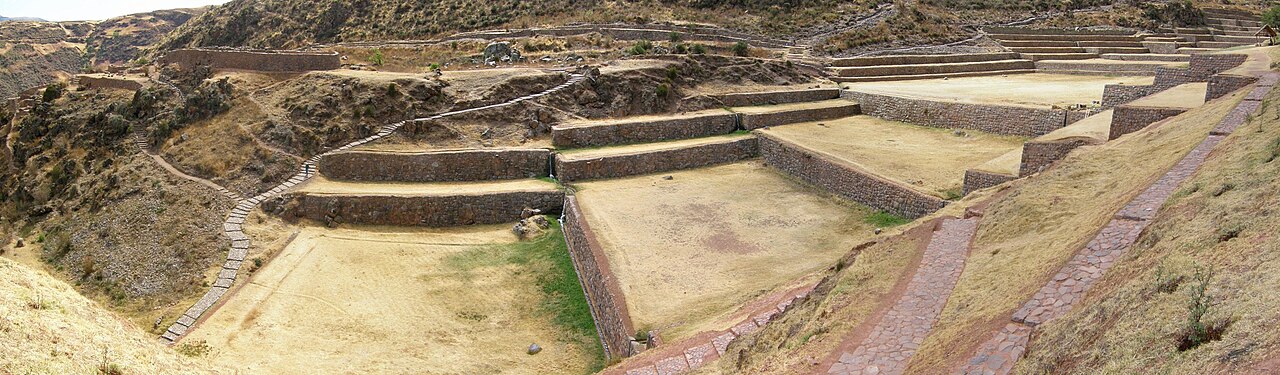
Visitors typically allocate between one and two hours for exploring the main terrace areas and water channels. The hillside terrain requires moderate physical effort, with stone pathways and some uneven surfaces. Those interested in detailed examination of the hydraulic engineering may extend their visit. The compact nature of the central complex allows efficient coverage compared to larger archaeological sites in the region. Weather conditions and individual pace affect duration. Combined visits with nearby archaeological sites in the southern valley are common for full-day itineraries from Cusco.
Checked 2026-08-28

The dry season from May to October generally offers more stable conditions for visiting mountain archaeological sites in the Cusco region, with reduced rainfall and clearer visibility. Wet season months from November to April can bring afternoon precipitation and muddy trail conditions. Morning visits typically provide better light for observation and photography. Operator-confirmed hours are Not recorded pending review. Visitors should verify current access times through official channels before travel. Seasonal agricultural activity in surrounding fields may affect local road conditions.
Checked 2026-08-28
Access to Tipón typically requires the Cusco Tourist Ticket, which covers multiple archaeological sites in the region, though specific ticket requirements should be confirmed. Operator-confirmed prices are Not recorded pending review. The partial ticket option including southern valley sites may be applicable. Payment methods and exact fee structures should be verified at official tourism offices in Cusco. Some visitors combine Tipón with Pikillacta and other nearby sites using regional ticket options. Carry identification and keep tickets accessible for inspection points. Tipón is best treated as a distinct stop rather than a generic example of its category. Focus on the setting, surviving features and visitor route visible on arrival.
Checked 2026-08-28

Tipón lies approximately 25 kilometers southeast of Cusco city. Public transportation options include colectivo shared vans departing from designated points in Cusco toward the town of Tipón, followed by walking or local transport to the archaeological entrance. Private vehicle access follows paved and improved roads to the vicinity. Taxi or tour services from Cusco offer direct transport. Road conditions vary seasonally. The final approach involves ascending from the valley road to the site entrance. Signage may be limited; confirming routes with local operators is advisable. Travel time from central Cusco typically ranges 45-75 minutes depending on mode.
Checked 2026-08-28

The high altitude of the Cusco region affects visitors unaccustomed to elevation; gradual acclimatization is essential before exertion. Terrace edges and water channels present slip hazards, particularly when wet. Sun exposure is intense at altitude; protection and hydration are necessary. Limited shade exists across the open terrace complex. Local dogs may be present near the entrance area. Informal guides may offer services; verify credentials if official interpretation is desired. Water flowing through channels is not treated for drinking. Weather changes rapidly in mountain environments. Secure belongings on open terrain.
Checked 2026-08-28

The terrace geometry and water channels offer structured compositions against mountain backdrops. Morning light illuminates the eastern-facing slopes favorably. Water reflections in channels create visual interest during flow periods. Wide-angle lenses accommodate the expansive terrace arrays. The elevation provides atmospheric perspective of the valley below. Tripod use policies are Not recorded pending review. Drone operation should follow Peruvian aviation regulations and site-specific restrictions. Overcast conditions reduce harsh shadows across stone surfaces. Seasonal vegetation changes affect color palette. Respectful photography of any active agricultural or community areas surrounding the archaeological zone is essential.
Checked 2026-08-28
No. Tipón is a separate archaeological site located in the southern valley near Cusco, not connected to the Machu Picchu complex.
No. The water flowing through the ancient channels is not treated and should not be consumed.
A guide is not mandatory for entry. Informal guides may be available at the site; official credentials should be verified if specialized interpretation is desired.
The hillside terrain with stone pathways and uneven surfaces presents significant challenges for visitors with limited mobility.
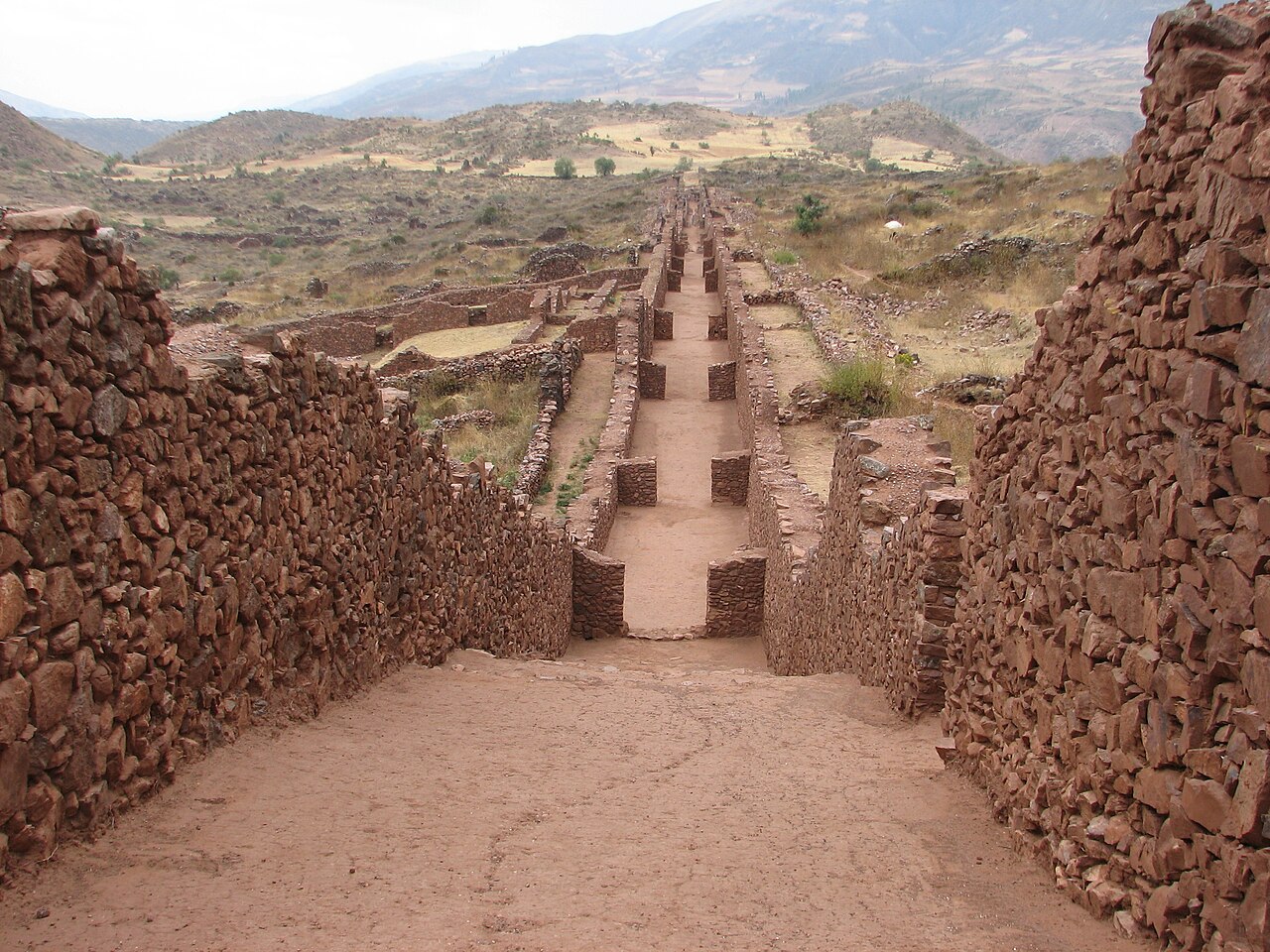
Yes. Many visitors combine Tipón with nearby archaeological sites such as Pikillacta in a single day trip from Cusco.
On-site facilities are minimal. Visitors should bring water, sun protection, and any needed supplies from Cusco.
Loading the interactive map…
The interactive map could not be loaded.
Last updated:
Source: OpenStreetMap contributors, Wikidata ·