


1 min walk
San Blas Church
- Must see
- Place of worship
Language · 11 published
Museum · Cusco

| Monday | 08:00 – 20:00 |
|---|---|
| Tuesday | 08:00 – 20:00 |
| Wednesday | 08:00 – 20:00 |
| Thursday | 08:00 – 20:00 |
| Friday | 08:00 – 20:00 |
| Saturday | 08:00 – 20:00 |
| Sunday | 08:00 – 20:00 |
Parsed from OpenStreetMap opening hours on 2026-08-26.
The Coca Museum, known locally as Museo de la Coca, is a specialist museum in Cusco dedicated to the cultural, historical, and traditional significance of the coca leaf in Andean societies. Located in a city that was the heart of the Inca Empire, the museum provides cultural context for understanding how indigenous communities have used coca for centuries. It serves as a complementary destination to Cusco's major museums, offering focused insight into a plant central to Andean identity, ritual, and daily life rather than competing with larger institutional collections.
Checked 2026-08-26
The museum presents exhibitions exploring the coca leaf's multifaceted role in Andean culture, including its traditional uses in chewing, ritual offerings, and medicine. Displays likely cover botanical aspects, historical accounts from pre-Columbian through colonial periods, and the leaf's significance in contemporary indigenous practices. The museum distinguishes between traditional coca use and cocaine production, an important educational distinction for international visitors. Artifacts, informational panels, and possibly ethnographic materials illustrate how coca functions as a sacred plant and social custom rather than merely a stimulant, helping visitors understand its legitimate cultural context.
Checked 2026-08-26
Visitors typically spend approximately one to two hours exploring the Coca Museum's exhibitions. This duration allows sufficient time to read informational displays, examine artifacts, and absorb the cultural and historical narrative presented. The museum's specialized focus means it does not require the half-day or full-day commitment of larger institutions like the Museo de Arte Precolombino or Museo Inka. Its compact nature suits travelers seeking meaningful cultural context without extensive time investment. Visitors often combine this museum with exploration of Cusco's historic centre, making it practical for itineraries balancing multiple attractions in the former Inca capital.
Checked 2026-08-26

Operator-confirmed opening hours are Not recorded pending review. Visitors should verify current schedules directly with the museum before planning their visit, as hours may vary seasonally or change without notice in online sources. Cusco's dry season from May to September generally offers more predictable conditions for walking between attractions in the historic centre. The museum's indoor setting provides shelter during the rainy season from November to March. Morning visits may offer quieter conditions for reading detailed exhibits. Confirming operational status is advisable, as small specialist museums occasionally modify access arrangements.
Checked 2026-08-26
Operator-confirmed admission prices are Not recorded pending review. Visitors should expect to pay an entrance fee consistent with small private museums in Cusco, though exact amounts require direct verification. The museum may offer discounted rates for students, seniors, or Peruvian residents with appropriate identification. Some visitors find the cost reasonable given the specialized knowledge gained. Payment methods should be confirmed in advance, as smaller establishments may have limited card facilities. Budget-conscious travelers might inquire whether combination tickets exist with nearby attractions, though no such arrangements are documented. Cash in Peruvian soles is the safest assumption for admission payment.
Checked 2026-08-26
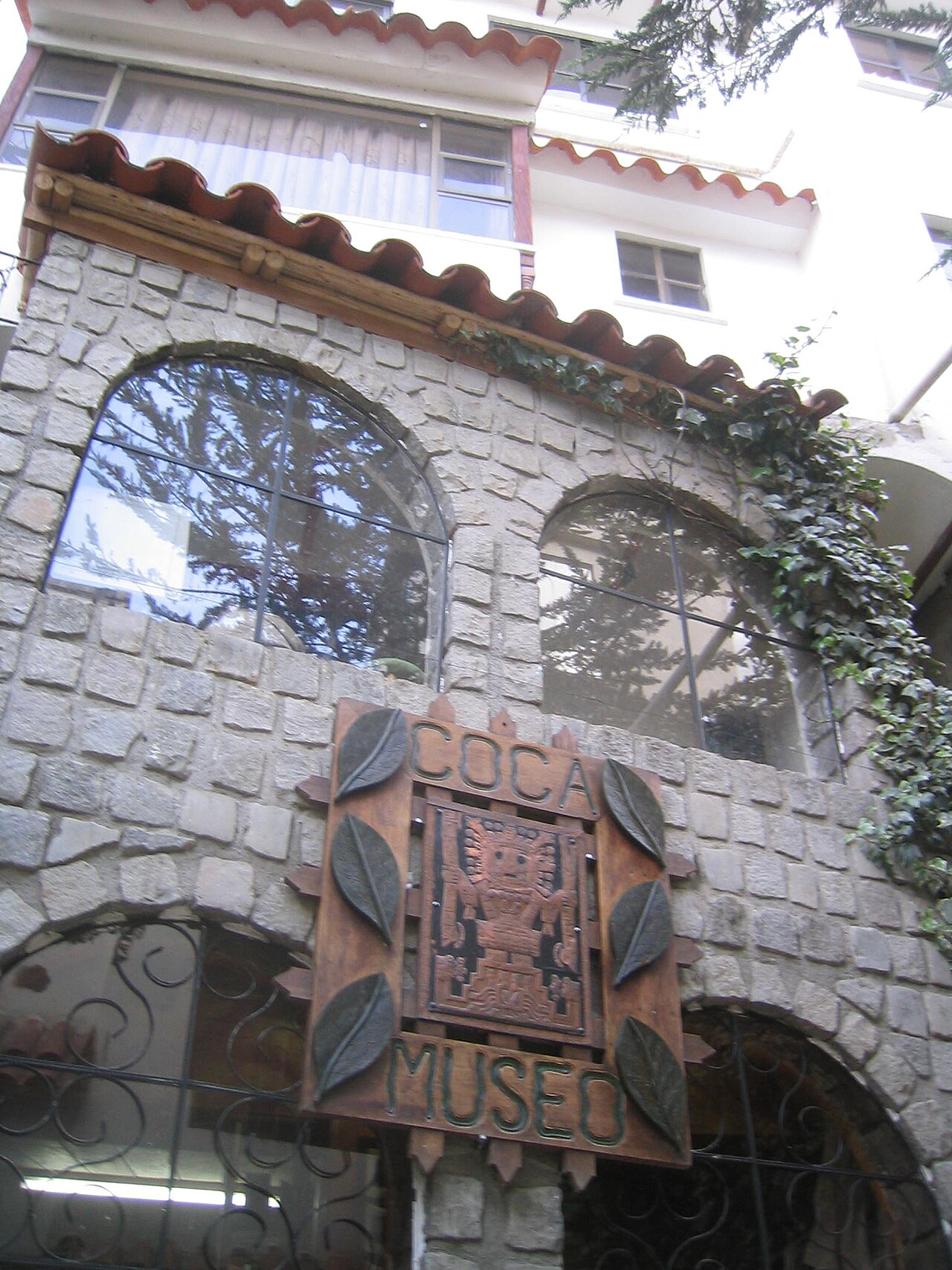
The Coca Museum occupies a location within Cusco's historic centre, accessible on foot from the Plaza de Armas and surrounding accommodations in the tourist district. Most visitors staying in central Cusco reach the museum by walking through the city's narrow colonial streets and Inca foundations. Taxis are readily available for those staying farther afield, though drivers may require the local name Museo de la Coca for clarity. No specific public transport directions are recorded. The central location means visitors typically encounter the museum while exploring the San Blas neighbourhood or other historic area attractions, integrating it naturally into walking itineraries.
Checked 2026-08-26
Visitors should maintain respectful awareness that coca leaf carries complex associations, including controversial international drug policy contexts. The museum presents traditional Andean perspectives that may differ from visitors' home-country framings. Photography policies require verification on arrival. Small museums in Cusco sometimes have limited English signage; visitors with minimal Spanish may benefit from translation applications or guided context. The museum's educational purpose deserves attentive engagement rather than superficial treatment. Visitors should not expect comprehensive coverage of contemporary political debates surrounding coca cultivation. Those sensitive to discussions of drug production should note the museum necessarily addresses this distinction for educational clarity.
Checked 2026-08-26
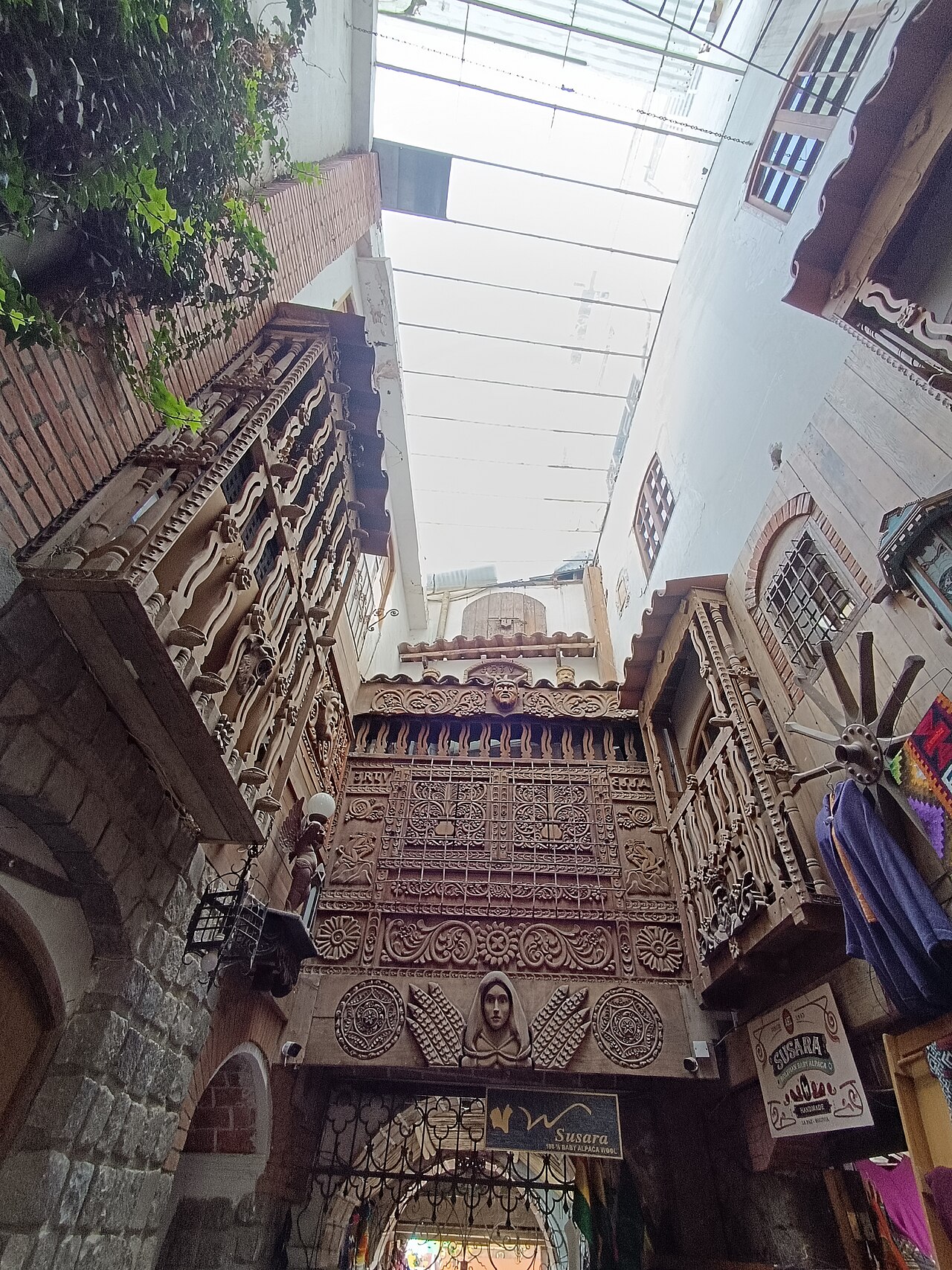
Photography policies at the Coca Museum are Not recorded. Visitors should inquire about camera use upon entry and respect any posted restrictions or staff guidance. Small museums frequently limit flash photography to preserve artifacts and display materials. Some exhibits may prohibit photography entirely, particularly if containing sensitive cultural items or loaned materials. Visitors wishing to document their experience should seek explicit permission rather than assuming general photography rights. Video recording likely faces stricter limitations than still photography. Respecting institutional policies supports preservation efforts and maintains positive visitor-museum relationships. Sharing images on social media should accompany accurate contextual description of the museum's educational mission.
Checked 2026-08-26
The museum offers valuable cultural context for understanding Andean traditions, particularly as a complement to major museums. Visitors with strong interest in indigenous culture find it worthwhile; those prioritizing Inca archaeology may prefer larger institutions.
No. The museum distinguishes traditional coca leaf use from cocaine production, presenting historical and cultural perspectives on a plant sacred to Andean communities. Its educational purpose is contextual understanding, not substance promotion.
The extent of English language provision is Not recorded. Small Cusco museums vary in multilingual support. Visitors with minimal Spanish may encounter limitations in detailed exhibit comprehension.
Whether the museum operates a shop selling coca teas, candies, or other products is Not recorded. Such items are widely available elsewhere in Cusco for visitors interested in traditional coca leaf products.
The Coca Museum is smaller and more specialized than institutions like the Museo Inka or Museo de Arte Precolombino. It functions best as supplementary context rather than a primary destination, appropriate after visiting major collections.
Whether the museum offers guided tours in any language is Not recorded. Visitors seeking guided interpretation should inquire directly or consider whether independent exploration suits their learning preferences.
Loading the interactive map…
The interactive map could not be loaded.
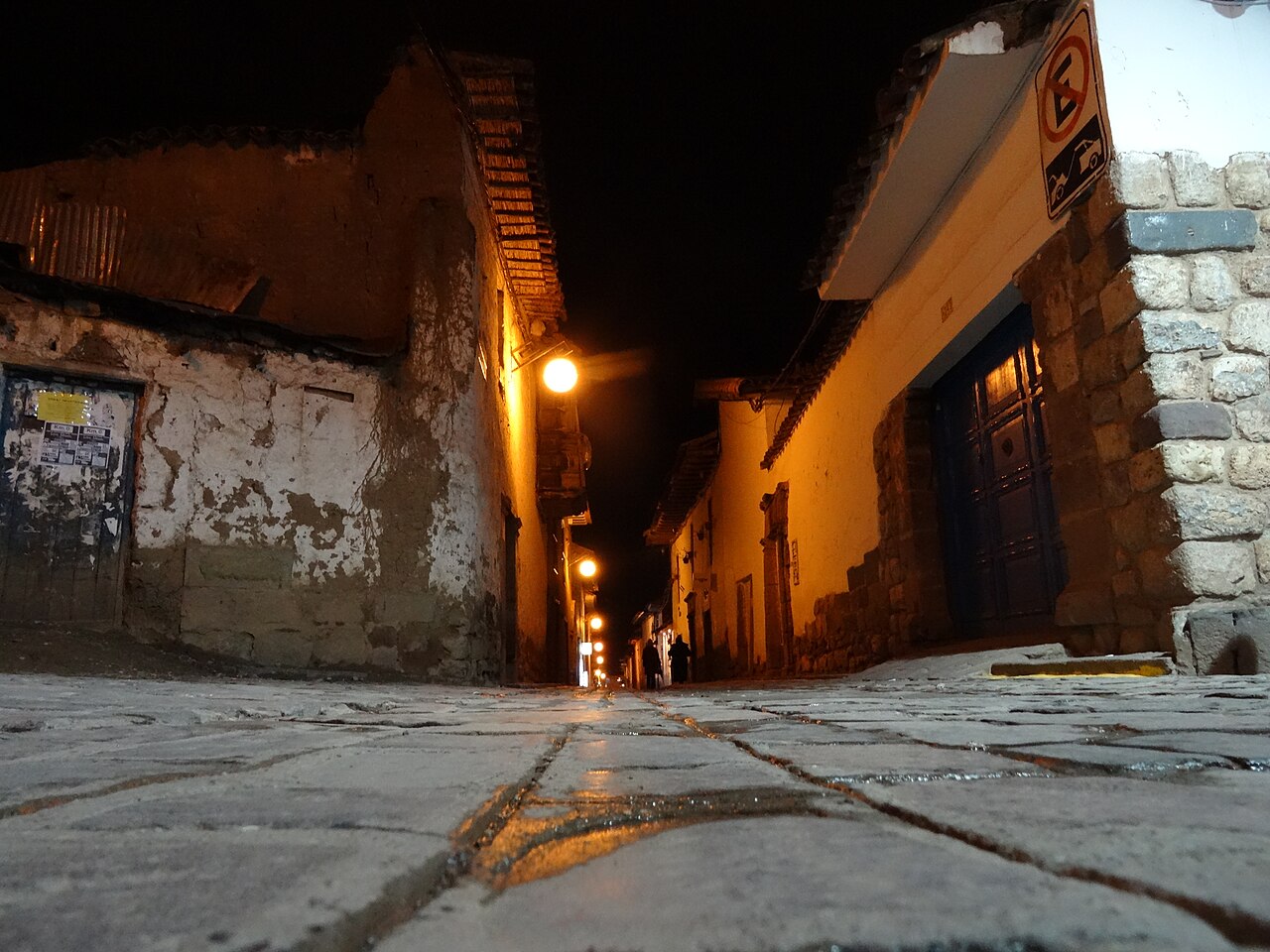

Last updated:
Source: OpenStreetMap contributors ·