


141 min walk
Chinchero
- Must see
- Historic monument
Language · 11 published
Historic monument · Cusco

Huchuy Qosqo is an Inca archaeological complex situated on a hilltop above the Sacred Valley near Cusco, Peru. Its name translates from Quechua as Little Cusco. The site served as an important administrative and ceremonial center during the Inca period. Today it represents a significant but less visited alternative to more famous ruins in the region. The complex is primarily accessed through hiking routes from Cusco or the Sacred Valley, making it an excursion oriented toward active visitors. The surrounding landscape features high Andean terrain with views across the valley below. The site holds cultural importance for understanding Inca settlement patterns outside their capital.
Checked 2026-08-26
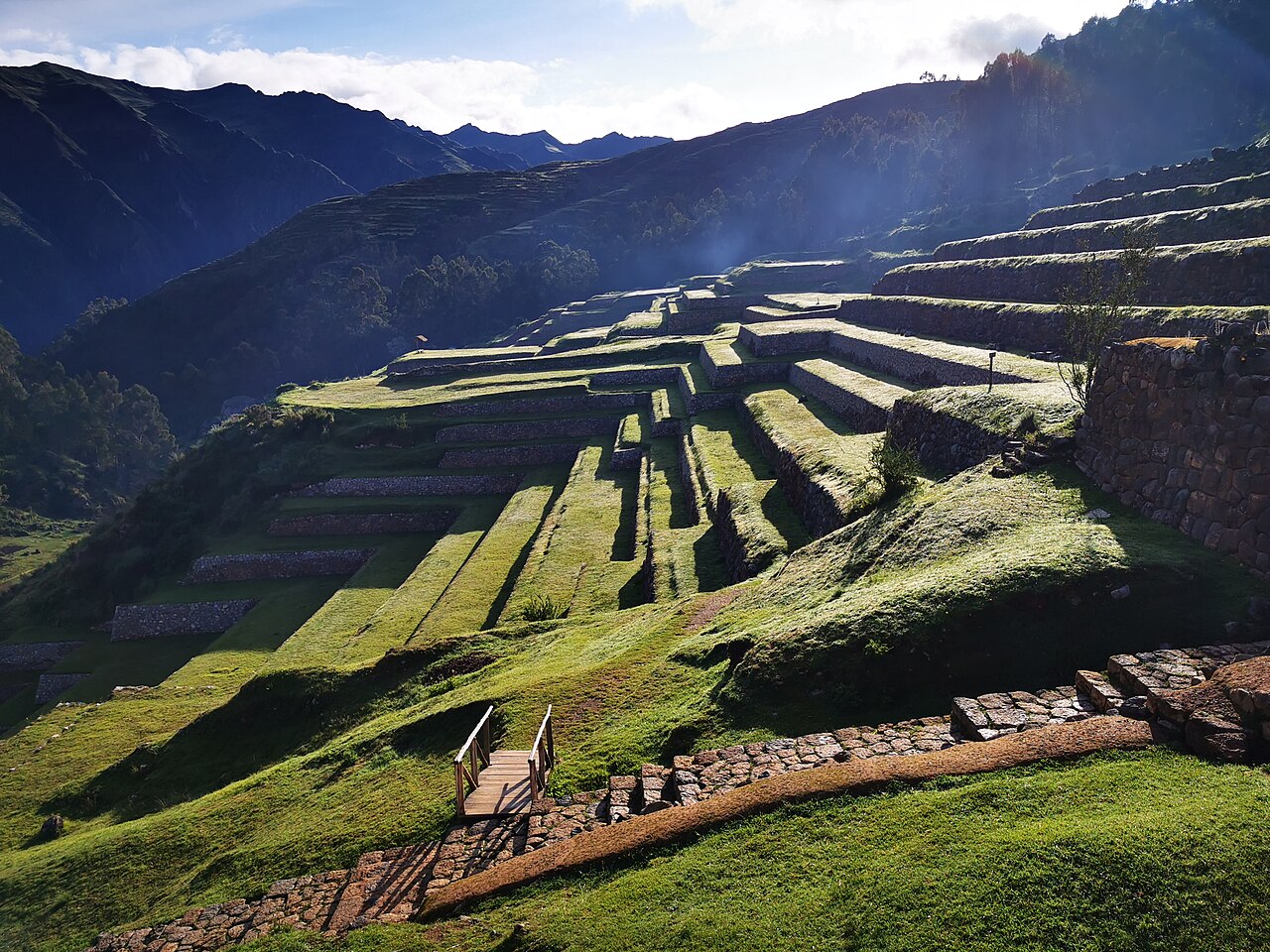
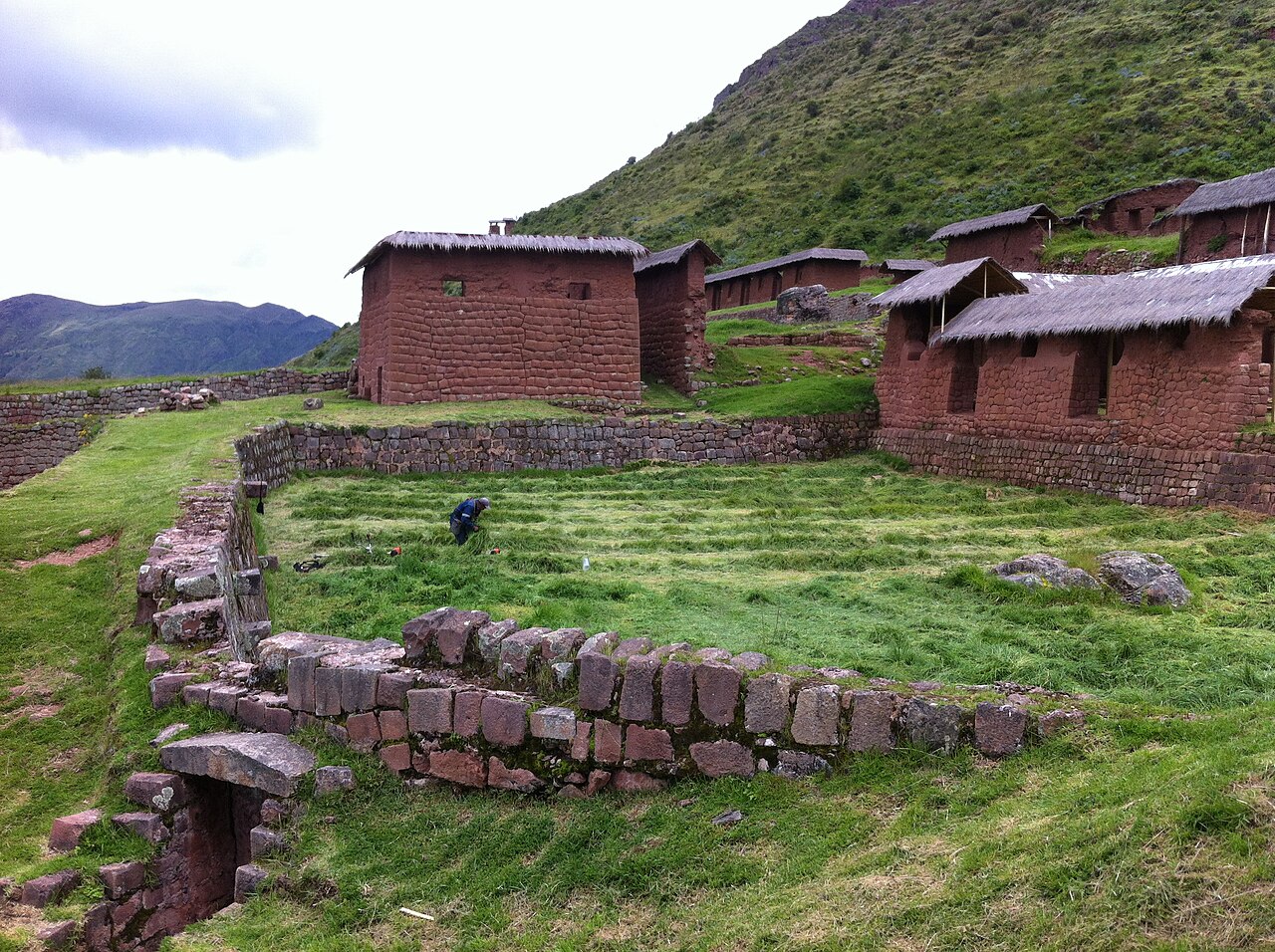
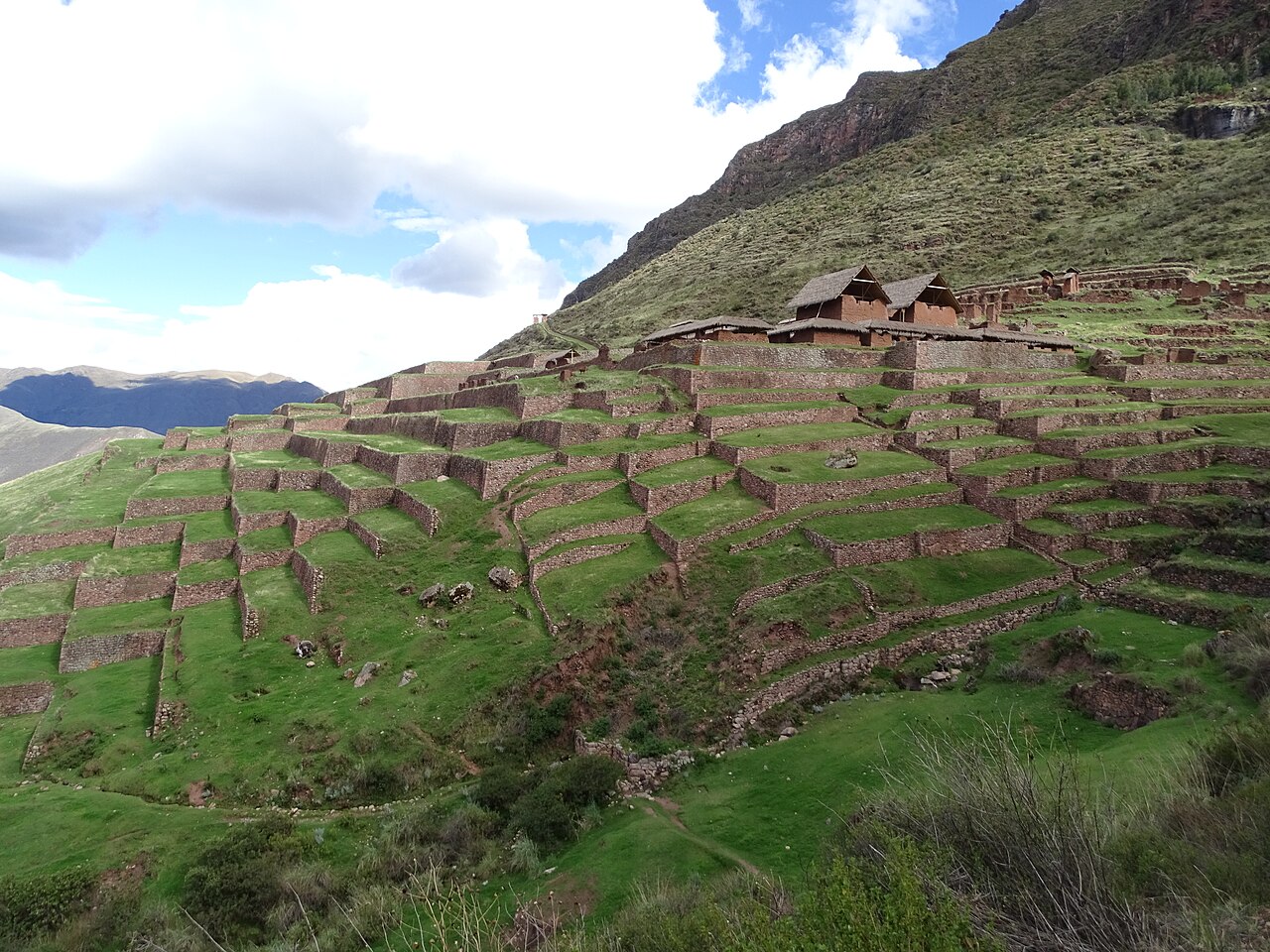
The archaeological complex contains stone structures typical of Inca construction, including terraces, walls, and building foundations. Visitors can observe the remains of what archaeologists interpret as residential, ceremonial, and agricultural spaces. The terracing systems demonstrate Inca engineering adapted to steep hillside conditions. Some structures show evidence of later colonial period modifications. The exact inventory of features remains subject to ongoing archaeological interpretation. Visitors should not expect fully reconstructed buildings comparable to sites like Machu Picchu. The ruins exist in a state of partial preservation, with some walls standing while others have collapsed. The layout suggests hierarchical spatial organization common to Inca settlements.
Checked 2026-08-26
The excursion to Huchuy Qosqo typically requires a full day when undertaken from Cusco. Hiking times vary considerably based on the chosen route, individual fitness, and whether visitors arrange return transportation or trek back. The approach from Lamay in the Sacred Valley offers a shorter walking option. Some visitors incorporate the site into multi-day trekking itineraries connecting various Sacred Valley locations. Day-trippers should account for travel to the trailhead, the hike itself, time spent exploring the ruins, and return journey. Weather conditions in the Andes can affect both hiking pace and overall schedule. Adequate time allocation reduces rushed decisions at altitude.
Checked 2026-08-26

The dry season from May to September generally offers more stable conditions for hiking in the Cusco region, though weather remains variable at high altitude. Rainy season months present increased challenges for trail conditions and visibility. Visitors should verify current access arrangements before traveling, as archaeological site management policies may change. Morning starts are advisable regardless of season to allow sufficient daylight for hiking and exploration. Fog and cloud cover can obscure the valley views that constitute part of the site's appeal. Local agricultural cycles may affect trail usage by community members. Check the operator's own site for the travel date before relying on a schedule or fare.
Checked 2026-08-26
The archaeological site falls under heritage management authorities. Visitors should expect that some form of entry fee may apply, consistent with practices at other Peruvian archaeological sites. The official municipal source provided is https://cosituc.gob.pe/inicio/ for potential updated information. Trekking routes may pass through community lands where additional local fees are sometimes requested. Independent travelers bear responsibility for confirming current costs and payment methods. Guided services represent a separate expense if arranged. Budgeting should include potential costs for transportation, any required permits, and contingency funds. Receipts should be requested for all payments made. Check the operator's own site for the travel date before relying on a schedule or fare.
Checked 2026-08-26

Multiple approaches exist for reaching Huchuy Qosqo. From Cusco, trekkers typically travel first to trailheads at Patabamba or another high community, then descend toward the ruins. Alternative access begins from Lamay in the Sacred Valley, involving an uphill hike. Public transportation reaches some trailhead villages, though schedules require local verification. Private vehicle arrangements offer more flexibility but cost more. The final approach to the ruins is exclusively on foot along mountain trails. Route finding demands attention as paths may be poorly marked. Hiring local guides or mule handlers supports community economies and reduces navigation uncertainty. Advance planning is essential given remote conditions.
Checked 2026-08-26
Altitude affects all visitors to this region, with trailheads and the site itself situated well above sea level. Acclimatization in Cusco before attempting the hike is strongly advised. Trail conditions include steep sections, uneven surfaces, and potential exposure to weather. Mobile phone coverage is unreliable or absent along routes. Water sources require purification treatment. Sun intensity at high altitude causes burns rapidly despite cool temperatures. Informing others of intended routes and return times constitutes basic safety practice. Weather changes quickly in mountains; carrying adequate layers is essential. Solo hiking carries elevated risk. Respect for local communities and their lands is obligatory.
Checked 2026-08-26

The hilltop position offers panoramic photographic opportunities across the Sacred Valley when weather permits. Early morning light typically provides optimal conditions before clouds accumulate. The stone textures of Inca construction photograph well in diffused light or during golden hours. Wide-angle lenses accommodate the expansive landscape context. The ruins themselves present compositional challenges due to their fragmented state. Visitors should photograph respectfully, avoiding any handling of loose stones or entering restricted areas. Tripod use may be impractical given hiking requirements. Battery performance decreases in cold temperatures; spares should be carried. Memory cards warrant backup given the remote location. Drone operation requires verification of current regulations.
Checked 2026-08-26
No. The site and access trails sit at high elevation where altitude sickness poses genuine health risks. Visitors should spend several days in Cusco or similar altitude before attempting this excursion.
Independent trekking is physically possible for experienced hikers, though route finding challenges and safety considerations mean many visitors benefit from local guidance. No regulation information is confirmed.
No. Huchuy Qosqo is significantly smaller, less reconstructed, and receives far fewer visitors. Expect archaeological remains in a more natural state of preservation rather than a polished tourist presentation.
Essential items include water purification means, sun protection, layered clothing, rain protection, snacks, basic first aid, and navigation aids. Specific packing should reflect season and individual needs.
No. The site lacks lodging facilities. Visitors typically return to Cusco or Sacred Valley towns, or camp according to applicable regulations which require verification.
The source https://cosituc.gob.pe/inicio/ is the official Cusco municipal portal. Language availability and specific content about Huchuy Qosqo require direct verification by visitors.
Loading the interactive map…
The interactive map could not be loaded.

Last updated:
Source: OpenStreetMap contributors, Wikidata ·