


71 min walk
Bimmah Sinkhole
- Must see
- Viewpoint
Language · 11 published
Historic monument · Muscat

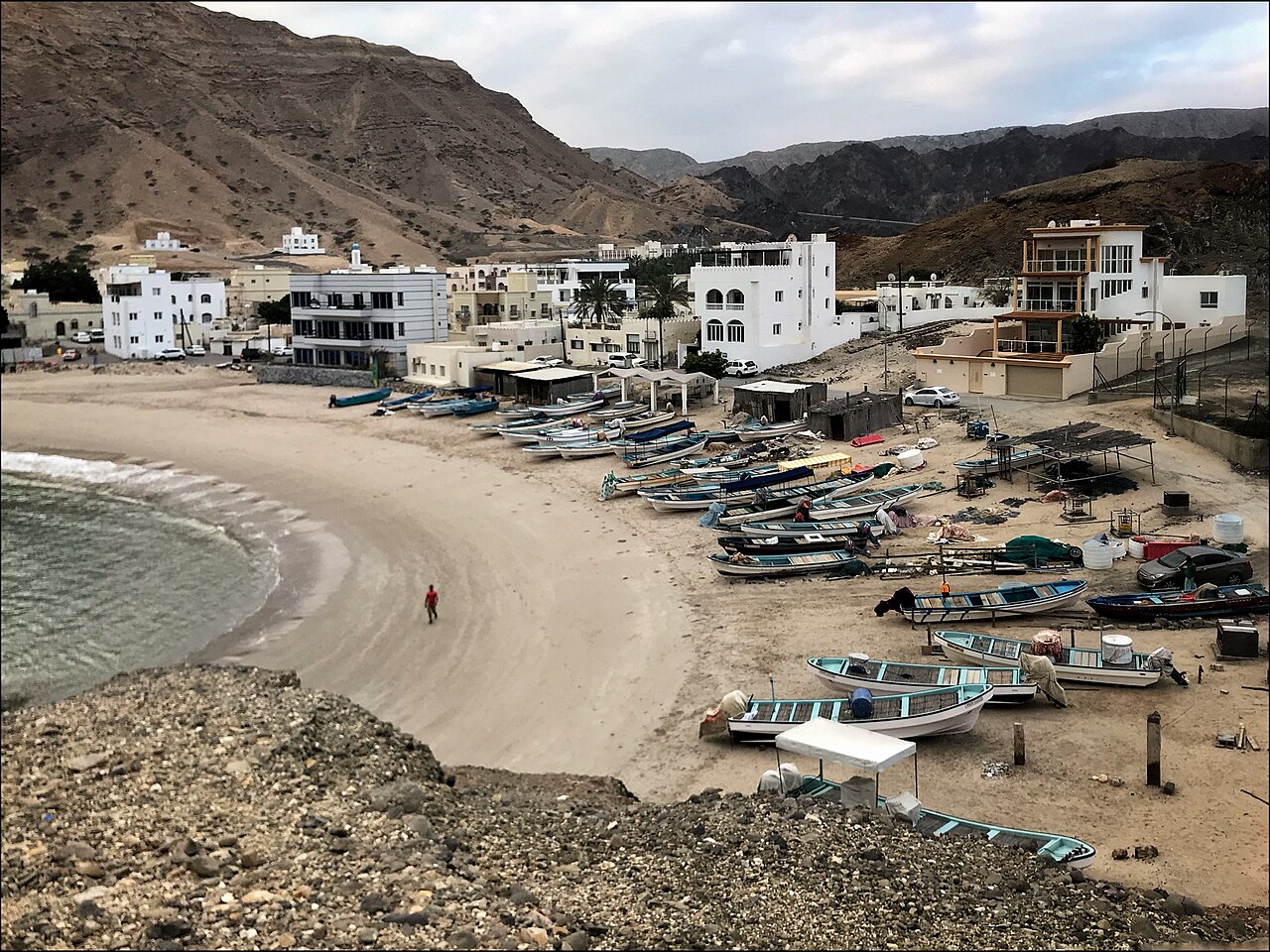
Wadi Al Arbeieen is a rugged wadi in Muscat Governorate, offering a substantial off-road nature excursion away from the city’s developed coastal areas. Its character comes from natural pools, date-palm groves, small villages and steep limestone walls. The combination of water, arid rock and traditional settlement creates a varied landscape for travellers who want a more demanding encounter with Oman’s interior terrain than a paved urban sightseeing route provides. Wadi Al Arbeieen, known locally as Wādī al-Arbaʿīn, is a rugged wadi located within Muscat Governorate. It represents a substantial off-road nature excursion destination characterized by its natural terrain. The wadi features pools, palm groves, scattered villages, and steep limestone walls that define its dramatic landscape. The area offers visitors an authentic encounter with Oman's interior wadi systems, distinct from more developed tourist corridors along the coastal strip. No. The ranking note explicitly describes a substantial off-road nature excursion through rugged terrain. Standard rental vehicles lack capability for wadi bed conditions.
Checked 2026-08-26 · Source
The wadi’s main sights are spread through a natural rocky corridor. Seasonal pools sit among date palms, while steep limestone walls enclose parts of the route. Small villages add a human dimension, showing how settlement and water exist together in an arid environment. Beyond the palms, vegetation is sparse and the terrain remains rugged. Expect a landscape to explore gradually by vehicle and on foot, with the pools, rock walls and villages providing the strongest points of interest. The wadi contains natural pools formed by seasonal water flow, stands of date palms providing shade and greenery, and small villages where local communities maintain traditional settlement patterns. Steep limestone walls rise on either side of the wadi bed, creating a dramatic geological enclosure.
Checked 2026-08-26 · Source

Wadi Al Arbeieen deserves a multi-hour outing and often works best as a full-day plan from Muscat. Time is needed for the journey beyond paved roads, progress through rugged sections, pauses beside pools and palms, and the return trip. The depth of exploration determines the final length, but a rushed visit loses the wadi’s main appeal. Build in a generous margin for slow driving, route decisions and changing ground conditions.
Checked 2026-08-26 · Source

Cooler months are more comfortable for exploring exposed rock and walking near pools and palms. After rain, water levels may be more attractive, but rain can also create dangerous flash-flood conditions in the wadi. Summer heat increases the demands of driving, walking and carrying supplies. Check the wider weather pattern before setting out, because rainfall upstream can affect a wadi even when the sky above the entrance looks clear. Start early enough to protect your return daylight.
Checked 2026-08-26 · Source
This is a natural wadi system with scattered villages and no described standard visitor entrance. Plan for an outdoor excursion rather than a managed attraction with a conventional ticket desk. The possible costs of the day relate to transport, an arranged tour or guide services, plus food and water for a remote route. Respect village areas and the surrounding landscape as you move between the wadi’s natural pools, palms and limestone walls.
Checked 2026-08-26 · Source

Reaching Wadi Al Arbeieen requires an off-road-capable vehicle once the paved network ends. A prepared 4WD journey or specialised tour is more suitable than a standard rental car for rough wadi-bed terrain. Navigation can be difficult where routes pass through villages and natural sections, so local driving knowledge is valuable. Carry a route plan, allow generous travel time and choose a vehicle whose capability matches the ground rather than relying on ordinary city transport.
Checked 2026-08-26 · Source

Flash floods are the most serious hazard, including rain falling far upstream while the immediate valley remains dry. Avoid entering or continuing through flowing water, and reconsider the journey when storms threaten the catchment. Steep limestone walls may shed rock, pools can hide uneven depths, and recovery of a stranded vehicle is difficult. Heat and dehydration add risk, while phone coverage may fail in enclosed sections. Carry more water and emergency supplies than the planned route length suggests, and tell someone your route and return time.
Checked 2026-08-26 · Source

Photograph the contrast between blue-green pools, date palms, dry rock and steep limestone walls. Village scenes can add scale and show how people live within the wadi landscape, but privacy deserves particular respect. Morning and late-afternoon light can reveal wall textures and create stronger relief than flat overhead sun. Protect cameras from dust, moisture and knocks during off-road travel. Keep photography secondary to safe route choices, especially when weather changes or the ground becomes difficult.
Checked 2026-08-26 · Source
Use an off-road-capable vehicle suited to rugged wadi terrain. A standard rental car is not suitable for progression through rough wadi-bed sections.
The wadi contains natural pools, date-palm groves, steep limestone walls and small villages within a rugged arid landscape.
Plan a multi-hour excursion, often a full day from Muscat, because the journey, off-road sections, exploration and return all require substantial time.
Flash floods are the main danger. Rain upstream can send water into the wadi even when conditions near you look dry.
Carry ample water, food, emergency supplies, suitable footwear and a route plan. Phone coverage may fail in enclosed valley sections, so prepare for limited communication.
It offers a rugged interior landscape of pools, palms, villages and limestone walls, reached through off-road terrain rather than ordinary city streets.
Loading the interactive map…
The interactive map could not be loaded.
Last updated:
Source: OpenStreetMap contributors ·