
4 min walk
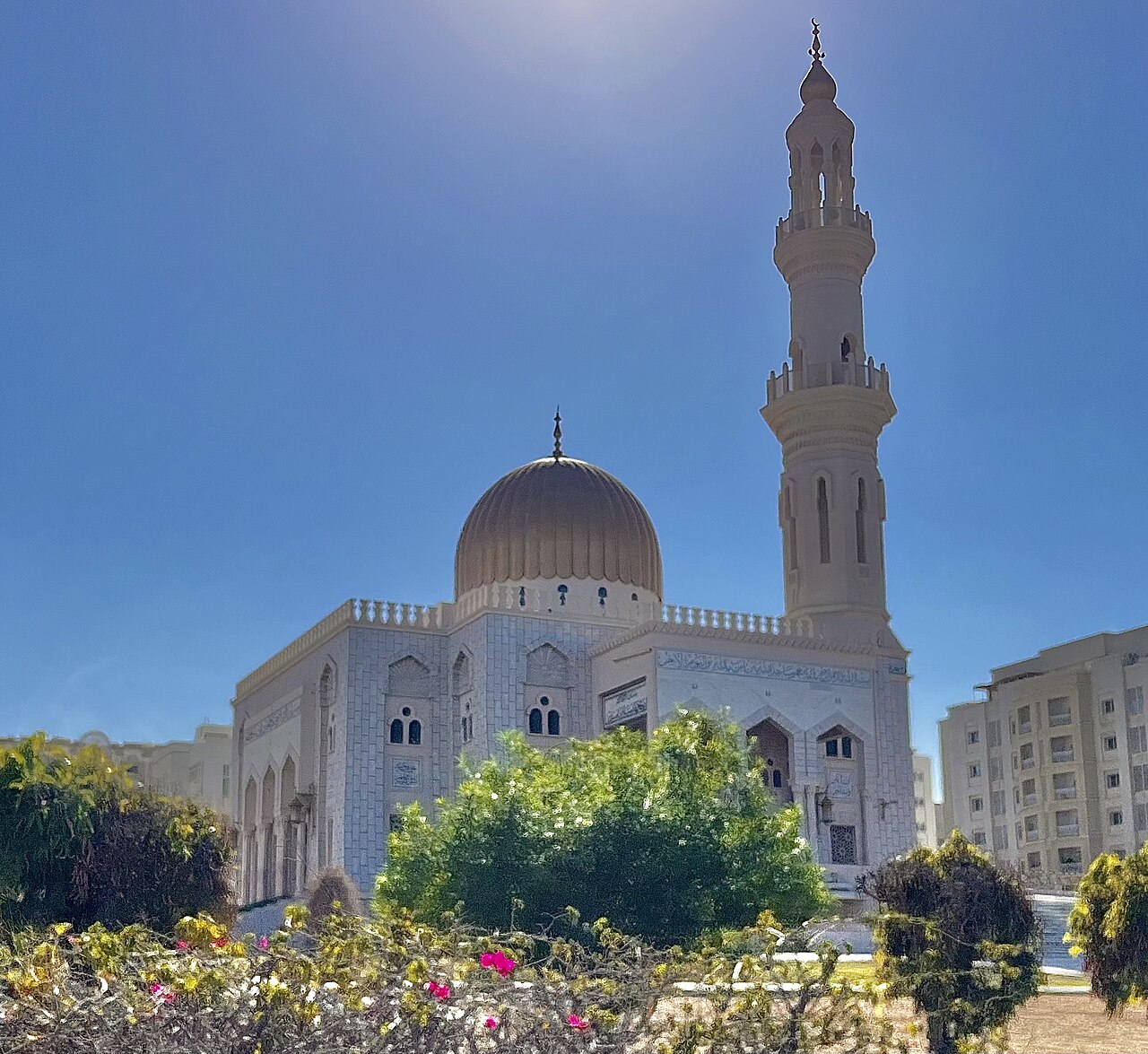
Zawawi Mosque
- Must see
- Place of worship
Language · 11 published
Museum · Muscat
متحف التاريخ الطبيعي
| Monday | 08:00 – 13:30 |
|---|---|
| Tuesday | 08:00 – 13:30 |
| Wednesday | 08:00 – 13:30 |
| Thursday | 08:00 – 13:30 |
| Friday | Closed |
| Saturday | 09:00 – 13:00 |
| Sunday | 08:00 – 13:30 |
Checked 2026-08-31 · Source
Read from the OpenStreetMap access tags; anything not listed has no tag recorded.
Set the group type to family in the planner and the day window contracts to about three quarters of a solo day.
The Oman Natural History Museum is a national institution in Muscat dedicated to preserving and presenting the Sultanate's natural heritage. Its Arabic name is Matḥaf at-Tārīkh aṭ-Ṭabīʿī. The museum serves as the country's primary repository for natural-history specimens, encompassing geological formations, plant species, animal life, fossil records, and marine ecosystems. It holds particular distinction for its comprehensive whale hall, which showcases Oman's significant cetacean biodiversity. Sunday–Thursday 08:00–13:30; Saturday 09:00–13:00; Friday closed. The current Experience Oman guide lists visitor hours on Sunday–Thursday and Saturday only; Friday is the weekly closure day.
Checked 2026-08-31 · Source
The museum's collections span five core disciplines: geology, flora, fauna, fossils, and marine life. The whale hall constitutes a notable highlight, displaying specimens and information related to Oman's whale populations. Geological exhibits present the country's rock formations and mineral resources. Botanical sections document native plant species adapted to arid conditions. Fauna displays cover terrestrial wildlife, while fossil collections preserve evidence of prehistoric life in the region. Marine galleries extend coverage to coastal and oceanic ecosystems. The current Experience Oman guide lists visitor hours on Sunday–Thursday and Saturday only; Friday is the weekly closure day.
Checked 2026-08-31 · Source
Visitor duration depends on individual engagement with the multidisciplinary collections. A comprehensive examination of all five thematic areas—geology, flora, fauna, fossils, and marine life including the whale hall—requires substantial time. Casual visitors may complete a general overview more quickly. Those with specific interests in particular disciplines, such as cetacean biology or regional paleontology, should allocate additional time. School groups and researchers typically spend extended periods. The museum's scope as a national collection suggests content density warranting unhurried exploration. Adult admission is OMR 0.500 for Omani visitors and OMR 1 for foreign visitors. Official government delegations and organized school trips are exempt.
Checked 2026-08-31 · Source
The museum's accessibility may vary according to Omani institutional schedules, which often differ from Western commercial patterns. Friday closures are common for government-affiliated venues in the Sultanate. Seasonal considerations include Muscat's climate: summer months bring extreme heat and humidity that affect comfortable transit and outdoor waiting conditions. Winter months offer milder temperatures. Sunday–Thursday 08:00–13:30; Saturday 09:00–13:00; Friday closed. The museum is inside the Ministry of Heritage and Tourism complex in Al Khuwair’s Ministries District, off Al Wazarat Street. Mwasalat Route 1 serves the named Al Khuwair–Ministry of Housing and Al Khuwair–Ministry of Interior stops in the district.
Checked 2026-08-31 · Source
Admission policies for national museums in Oman vary; some government institutions offer free entry while others charge modest fees, with potential variations for citizens, residents, and international visitors. The museum's status as a national natural-history collection suggests public-service orientation, though this does not guarantee free admission. Group rates, educational discounts, or special exhibition supplements may apply. Adult admission is OMR 0.500 for Omani visitors and OMR 1 for foreign visitors. Official government delegations and organized school trips are exempt. Disabled access is listed among the museum’s facilities. Visitor parking is available at the museum complex.
Checked 2026-08-31 · Source
The museum is located in Muscat, Oman's capital city. Muscat's urban structure comprises dispersed districts connected by road networks; private vehicle or taxi represents typical visitor transport. Rental car operation requires international driving permit and awareness of local traffic patterns. Ride-hailing services operate with varying coverage. The museum is inside the Ministry of Heritage and Tourism complex in Al Khuwair’s Ministries District, off Al Wazarat Street. Mwasalat Route 1 serves the named Al Khuwair–Ministry of Housing and Al Khuwair–Ministry of Interior stops in the district. Visitor parking is available at the museum complex.
Checked 2026-08-31 · Source
Museum environments in Oman typically maintain climate-controlled interiors, though transitions between air-conditioned spaces and outdoor heat require adaptation. Footwear suitable for extended standing on hard surfaces is advisable. Photography restrictions may apply to specific specimens or galleries without explicit signage. Language of exhibits is unspecified; Arabic and English dual presentation is common in Omani national institutions but not guaranteed throughout. Disabled access is listed among the museum’s facilities. It is in the Ministry of Heritage and Tourism complex in the Ministries District of Al Khuwair, Muscat. The museum opened on 30 December 1985.
Checked 2026-08-31 · Source
Many museums permit non-flash photography for personal use while restricting commercial or professional imaging. Flash photography potentially damages light-sensitive specimens including fossils, preserved biological materials, and archival displays. The whale hall and other featured collections may carry specific prohibitions. Tripod and selfie-stick use often faces restriction due to spatial and safety considerations. Visitors should seek explicit permission before photographing individual specimens, particularly if labels indicate scientific or conservation sensitivity. Staff direction on photography should be followed immediately. The museum opened on 30 December 1985. The displays cover Oman’s terrain, geology, plants, insects, terrestrial wildlife and marine life.
Checked 2026-08-31 · Source
It is in the Ministry of Heritage and Tourism complex in the Ministries District of Al Khuwair, Muscat.
The museum opened on 30 December 1985.
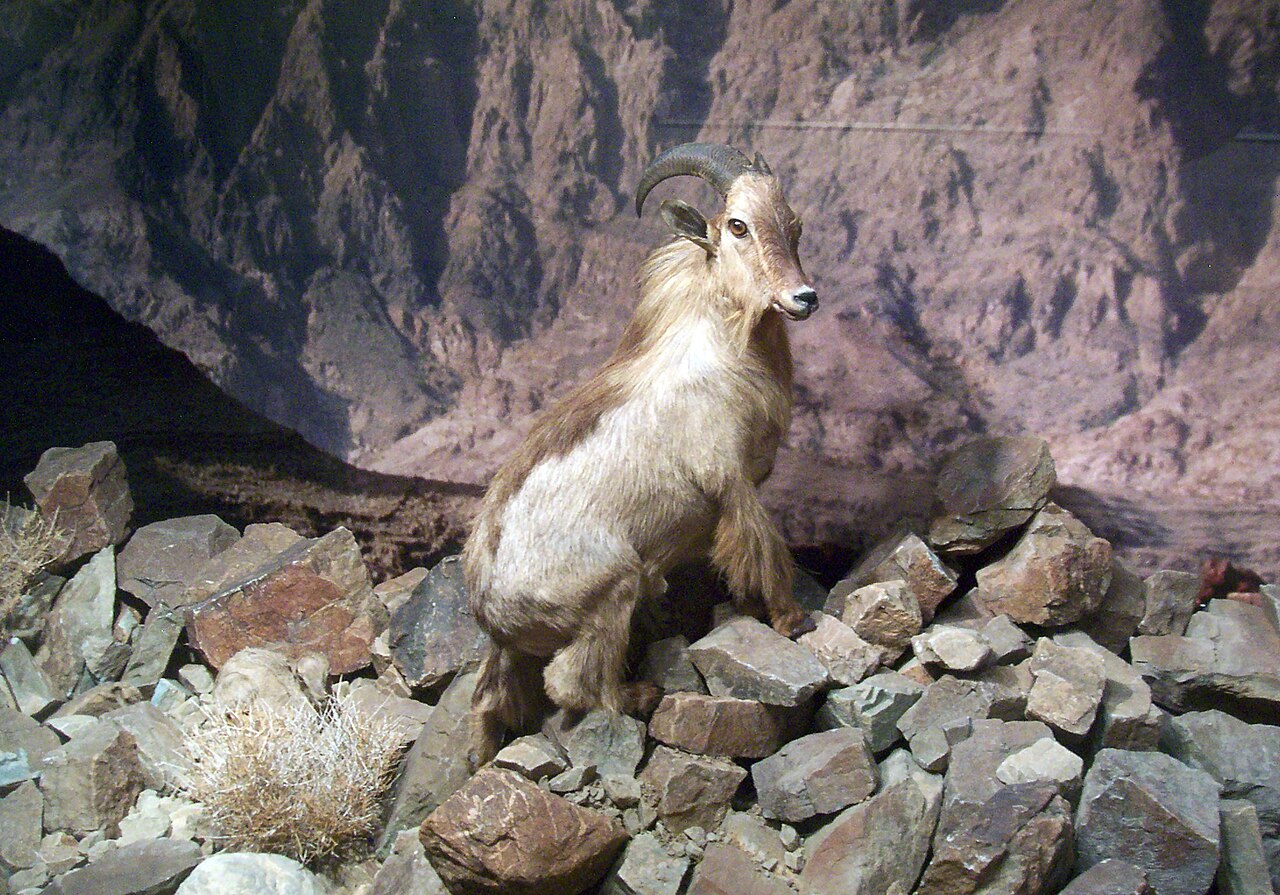
The displays cover Oman’s terrain, geology, plants, insects, terrestrial wildlife and marine life.
The collection includes a fossilized tree from Al Wusta’s Al Huqf area dated to about 260 million years ago and fossil coral from Wadi Al Sahtan dated to about 270 million years ago.
The Whale Hall contains a 14-metre sperm-whale skeleton together with other whale skeletons and skulls.
Its national herbarium and animal, shell, insect and fossil collections contain more than 40,000 specimens gathered across Oman.
Loading the interactive map…
The interactive map could not be loaded.


Last updated:
Source: OpenStreetMap contributors, Wikidata ·