


7 min walk
Fort Al-Mirani
- Must see · Heritage site
- Historic monument
Language · 11 published
Museum · Muscat
| Monday | 09:00 – 17:00 |
|---|---|
| Tuesday | 09:00 – 17:00 |
| Wednesday | 09:00 – 17:00 |
| Thursday | 09:00 – 17:00 |
| Friday | Closed |
| Saturday | 09:00 – 17:00 |
| Sunday | 09:00 – 17:00 |
Parsed from OpenStreetMap opening hours on 2026-08-26.
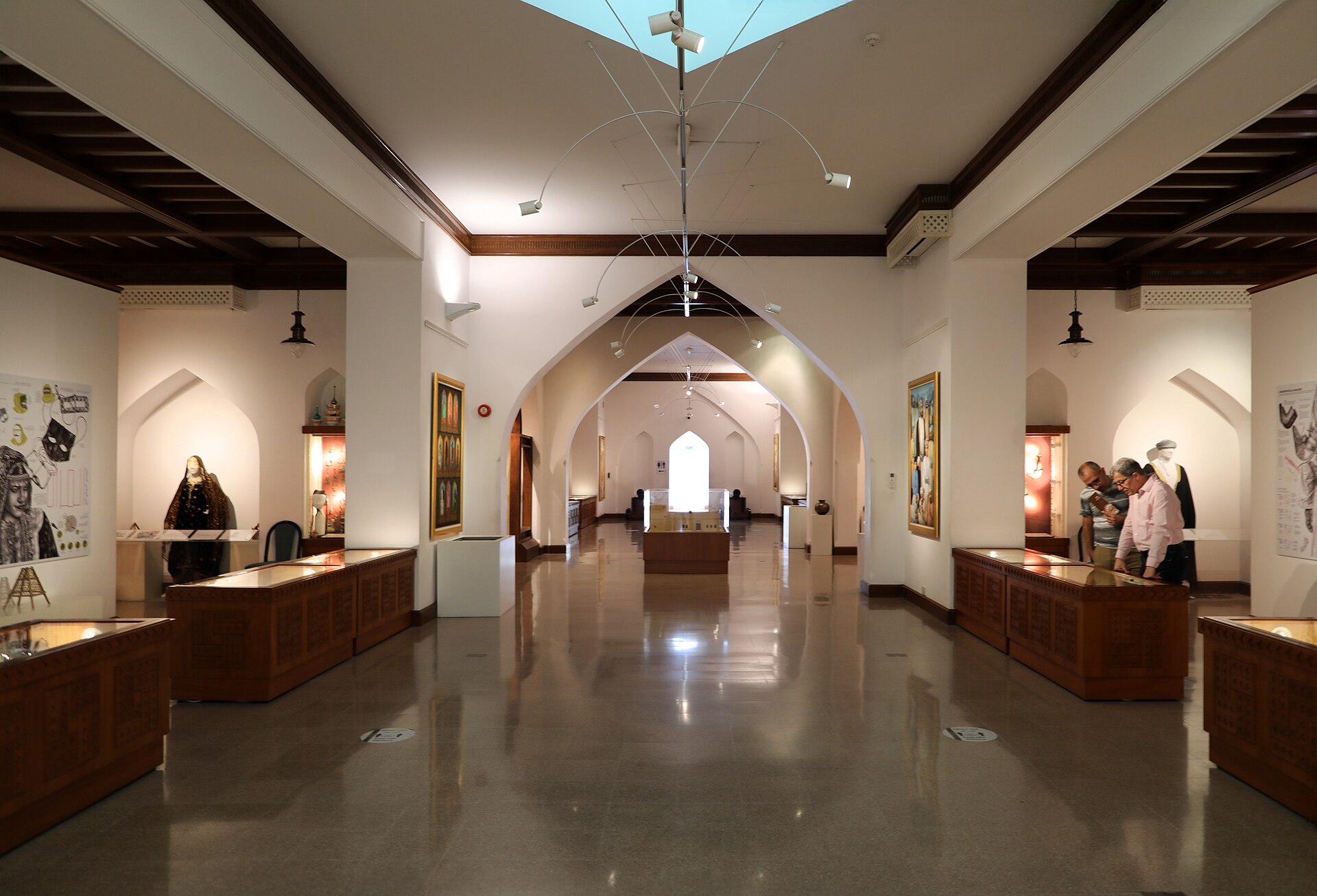
Bait Al Zubair Museum is a cultural institution in Muscat, Oman, dedicated to Omani heritage and arts. Housed in a traditional building in the Old Muscat area near the harbour, it presents collections reflecting the country's history, customs, and material culture. The museum operates as a private foundation rather than a state-run facility, which shapes its curatorial approach. Its local name, Bayt az-Zubayr, indicates its origins as a family house. The institution has established itself as a significant point of interest for visitors seeking understanding of Omani identity beyond superficial tourism.
Checked 2026-08-26
The museum contains permanent displays of Omani costume, weaponry, jewellery, and domestic artefacts. Traditional dress sections illustrate regional variations across the Sultanate. A recreated coffee shop scene demonstrates social customs. The facility includes a library and hosts temporary exhibitions. Gardens with traditional architecture surround parts of the complex. The collections emphasise everyday objects and ceremonial items rather than archaeological finds. Photography restrictions apply in certain galleries. Visitors should expect a quiet, contemplative atmosphere rather than interactive or multimedia-heavy presentation. The curatorial approach favours preservation and respectful display of heritage materials.
Checked 2026-08-26
Most visitors allocate between one and two hours for a complete visit, depending on interest in detailed examination of textiles and craft objects. The compact layout of the traditional building limits extended wandering, though the garden areas permit brief respite. Readers of accompanying labels and those studying costume details may require additional time. The museum does not demand strenuous physical effort, making it suitable for varied mobility levels. Combined visits with nearby Old Muscat attractions, including the harbour area and Sultan's Palace vicinity, naturally extend the overall duration of a cultural excursion in this district.
Checked 2026-08-26
Operator-confirmed hours are Not recorded pending review. Visitors should consult the official website at baitalzubair.com or contact the museum directly before planning attendance. Climate considerations for Muscat suggest morning visits during hotter months, as the building lacks modern climate control in all areas. The museum's location in Old Muscat means it integrates conveniently with harbour-area sightseeing. Religious and national holidays in Oman may affect accessibility. Seasonal tourism peaks in Muscat occur during European winter months, potentially affecting crowding. Advance verification remains essential given limited public transportation frequency to this historic district.
Checked 2026-08-26
Operator-confirmed prices are Not recorded pending review. The museum may operate with admission fees or suggested donations given its private foundation status. Visitors should consult the official website or contact staff directly for current pricing structures. Potential discounts for students, seniors, or groups are unverified in available sources. Cash payment in Omani rials likely predominates. The institution's independent operation suggests pricing policies may differ from government museums. Budget-conscious travellers should verify costs before arrival rather than assuming free entry. Combination arrangements with other cultural sites in Muscat are not documented in available reference materials.
Checked 2026-08-26
Bait Al Zubair Museum occupies a position in Old Muscat, the historic harbour district separated from modern Muscat by a coastal road corridor. Public bus services reach the general area with limited frequency. Taxis and ride-hailing services provide more reliable access, though drivers may require specific instruction given the museum's location within a network of older streets. Walking from the harbour front or Muttrah area involves distance and elevation change unsuitable for all visitors. Parking availability immediately adjacent appears restricted. Signage in Old Muscat can prove inconsistent, suggesting advance map consultation or guided accompaniment.
Checked 2026-08-26
The traditional building configuration includes staircases and thresholds that may challenge visitors with mobility limitations. Climate control varies across galleries, creating temperature fluctuations. Photography prohibitions in specific sections require attentive observation of signage. The quiet atmosphere demands respectful behaviour inconsistent with loud group dynamics. Nearby military and governmental installations in Old Muscat impose security considerations and photography restrictions in surrounding streets. Limited refreshment facilities mean advance hydration planning. The museum's cultural sensitivity regarding Omani heritage objects necessitates appropriate dress and conduct. Language support beyond Arabic and English is not guaranteed in available documentation.
Checked 2026-08-26
Photography restrictions apply within certain galleries of Bait Al Zubair Museum, particularly where costume and textile displays are concerned. Visitors must observe posted signage and staff instructions without assumption of blanket permission. Flash photography likely prohibited throughout to protect sensitive materials. The exterior traditional architecture and garden areas may permit photography, though surrounding governmental buildings in Old Muscat create broader restrictions on street-level imaging. Drone operation would face severe limitations given proximity to official installations. Visitors prioritising photography should verify specific permissions in advance through direct museum contact rather than relying on general tourist assumptions about cultural institutions.
Checked 2026-08-26
No, it operates as a private foundation, which influences its curatorial decisions and operational policies.
The emphasis lies on ethnographic materials including costume, weaponry, and domestic objects rather than archaeological excavations.
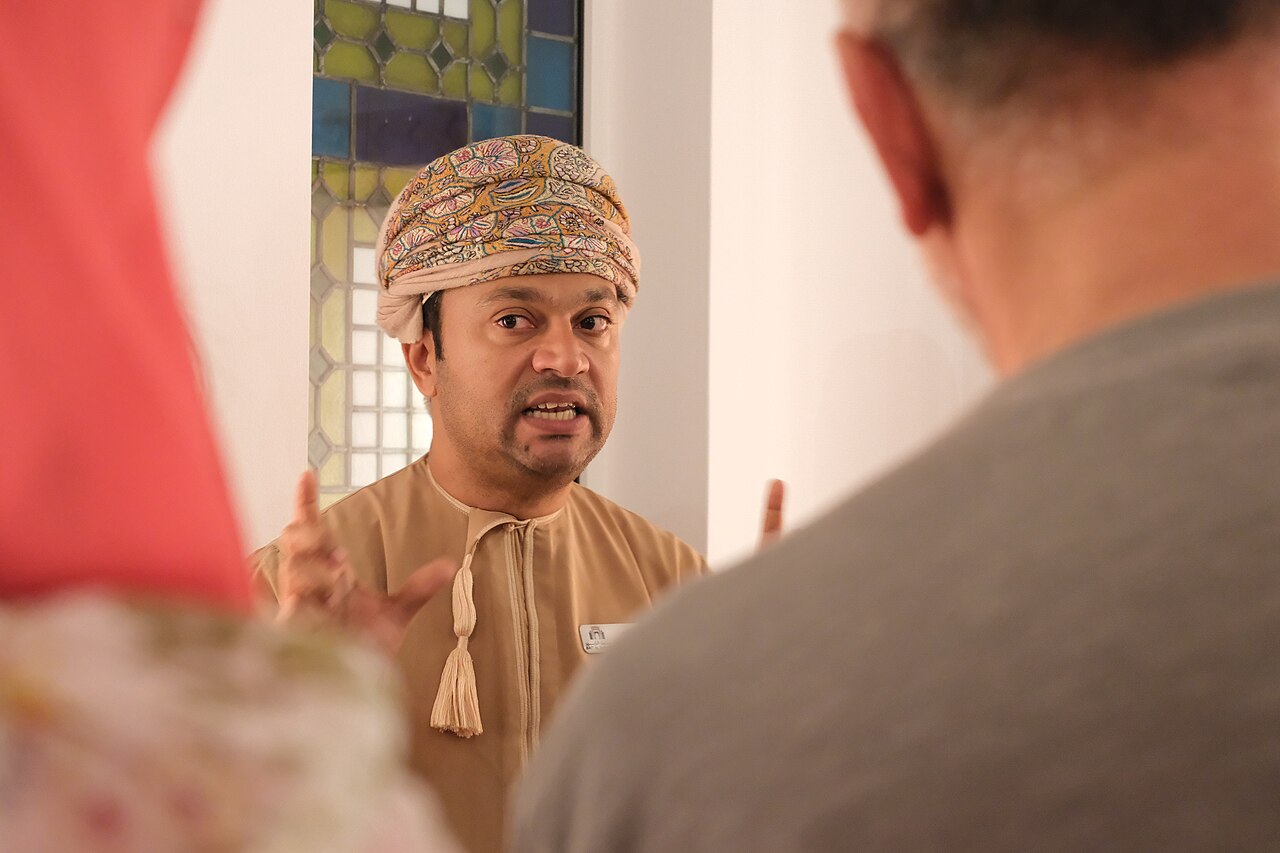
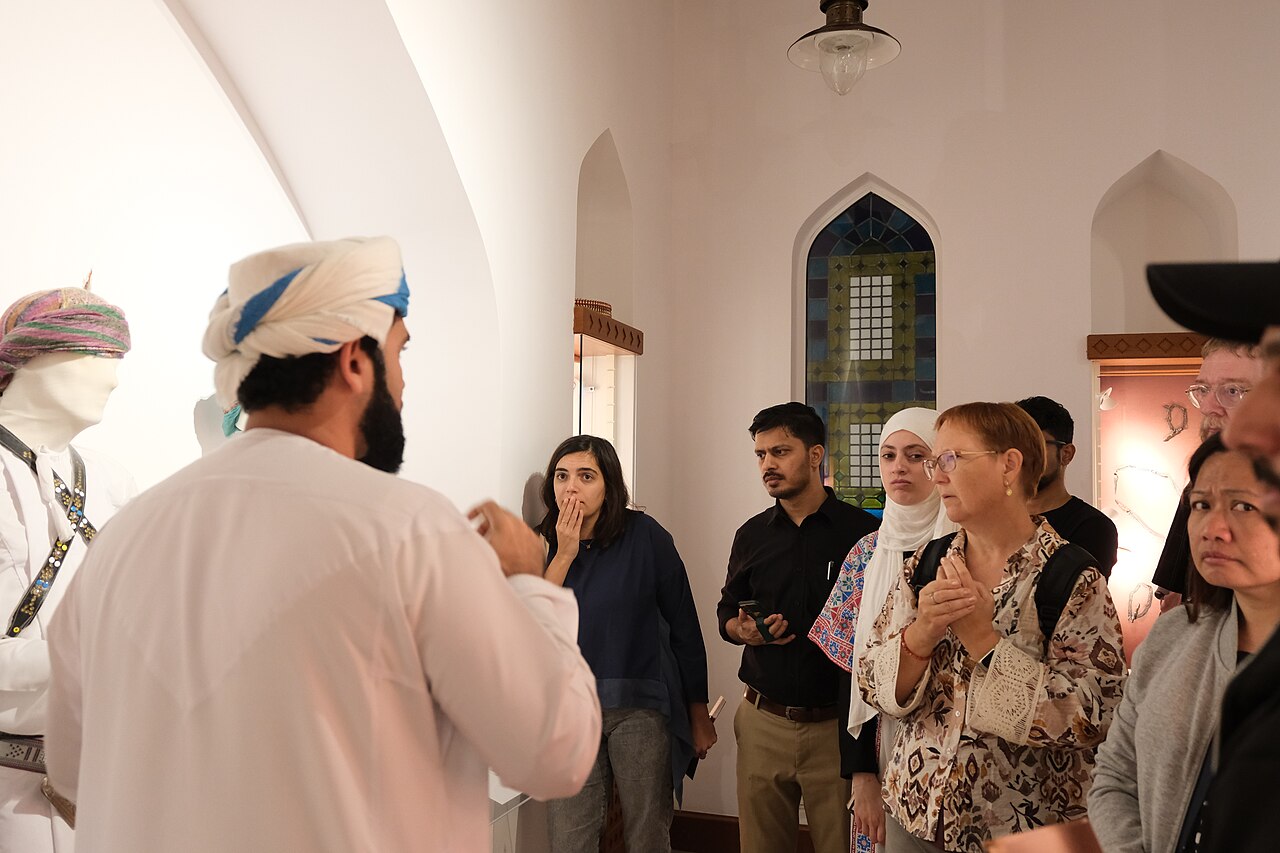
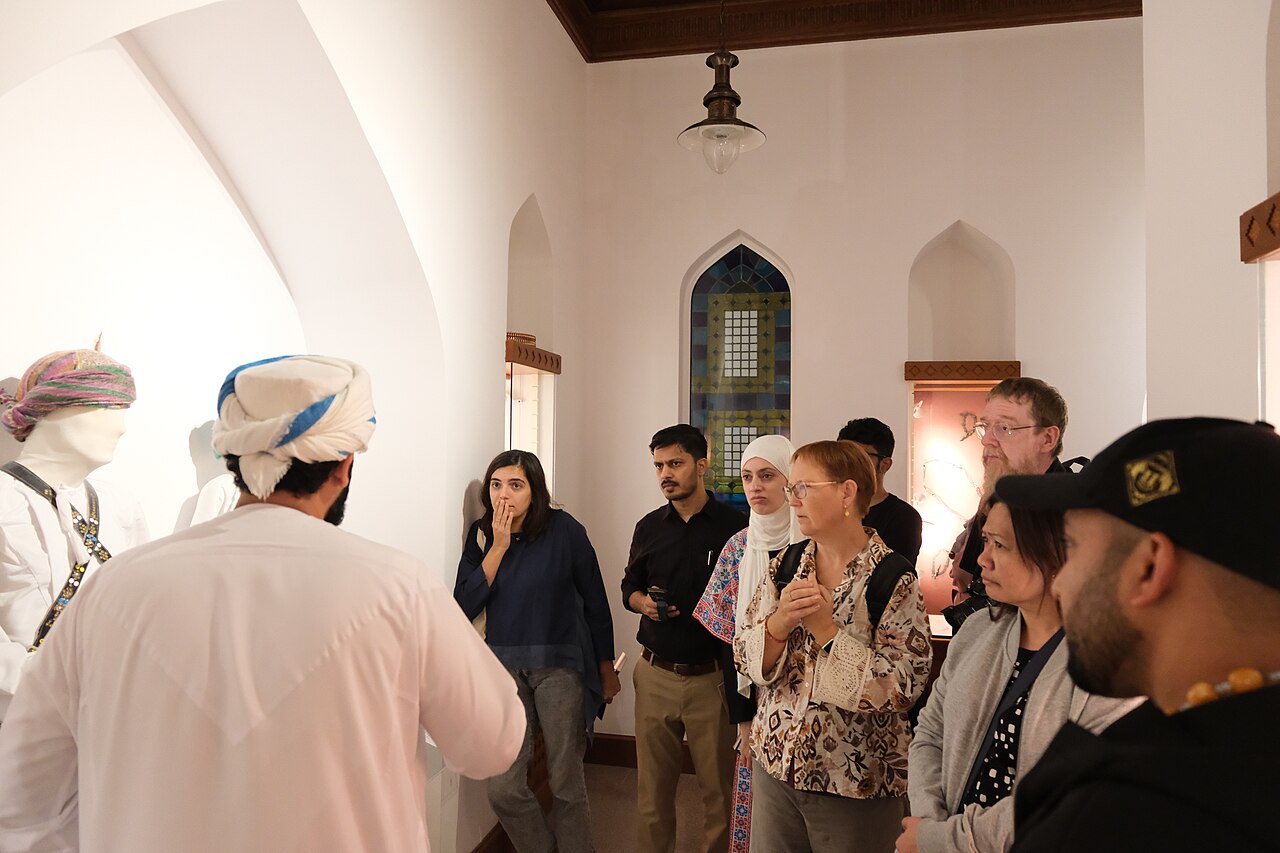
Available documentation does not confirm regular guided tour schedules; visitors should inquire directly with the museum.
Traditional building features including staircases present challenges; specific accessibility provisions are not documented in available sources.
The quiet, contemplative atmosphere and lack of interactive displays may limit engagement for younger children compared to modern museums.
Available sources do not confirm retail or dining facilities; visitors should plan accordingly for refreshments and souvenirs.
Loading the interactive map…
The interactive map could not be loaded.

Last updated:
Source: OpenStreetMap contributors ·