.jpg)
.jpg)
,_islas_Ad_Dimaniyat,_Om%C3%A1n,_2024-08-13,_DD_17.jpg)
.jpeg)
.jpeg)
.jpeg)

388 min walk
Al Mouj Muscat
- Must see
- Activity
Language · 11 published
Nature site · Muscat
Read from the OpenStreetMap access tags; anything not listed has no tag recorded.
Set the group type to family in the planner and the day window contracts to about three quarters of a solo day.
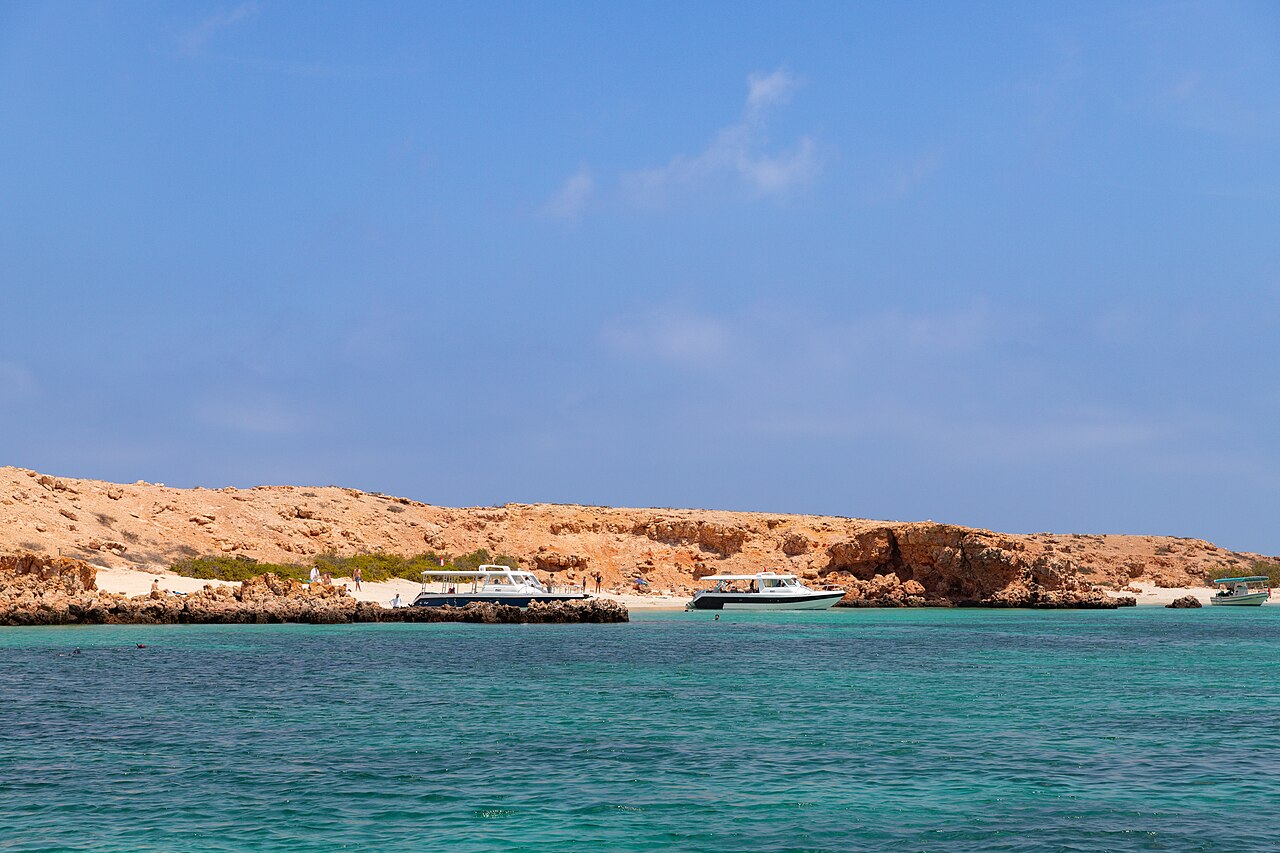
The Daymaniyat Islands Nature Reserve, known locally as Maḥmiyyat Juzur ad-Dīmāniyyāt aṭ-Ṭabīʿiyya, is a protected archipelago off the coast of Muscat Governorate in northern Oman. The reserve encompasses several small islands and surrounding marine waters, designated for conservation of marine ecosystems and biodiversity. It lies in the Gulf of Oman and represents one of Oman's significant natural protected areas, recognized for its coral reef systems and importance to marine wildlife. Permit-based access; island landing and camping are prohibited annually from 1 May through 31 October. Outside that period, landing is permitted, while camping is restricted to Jabal Al Kabeer and Al Joon.
Checked 2026-08-31 · Source
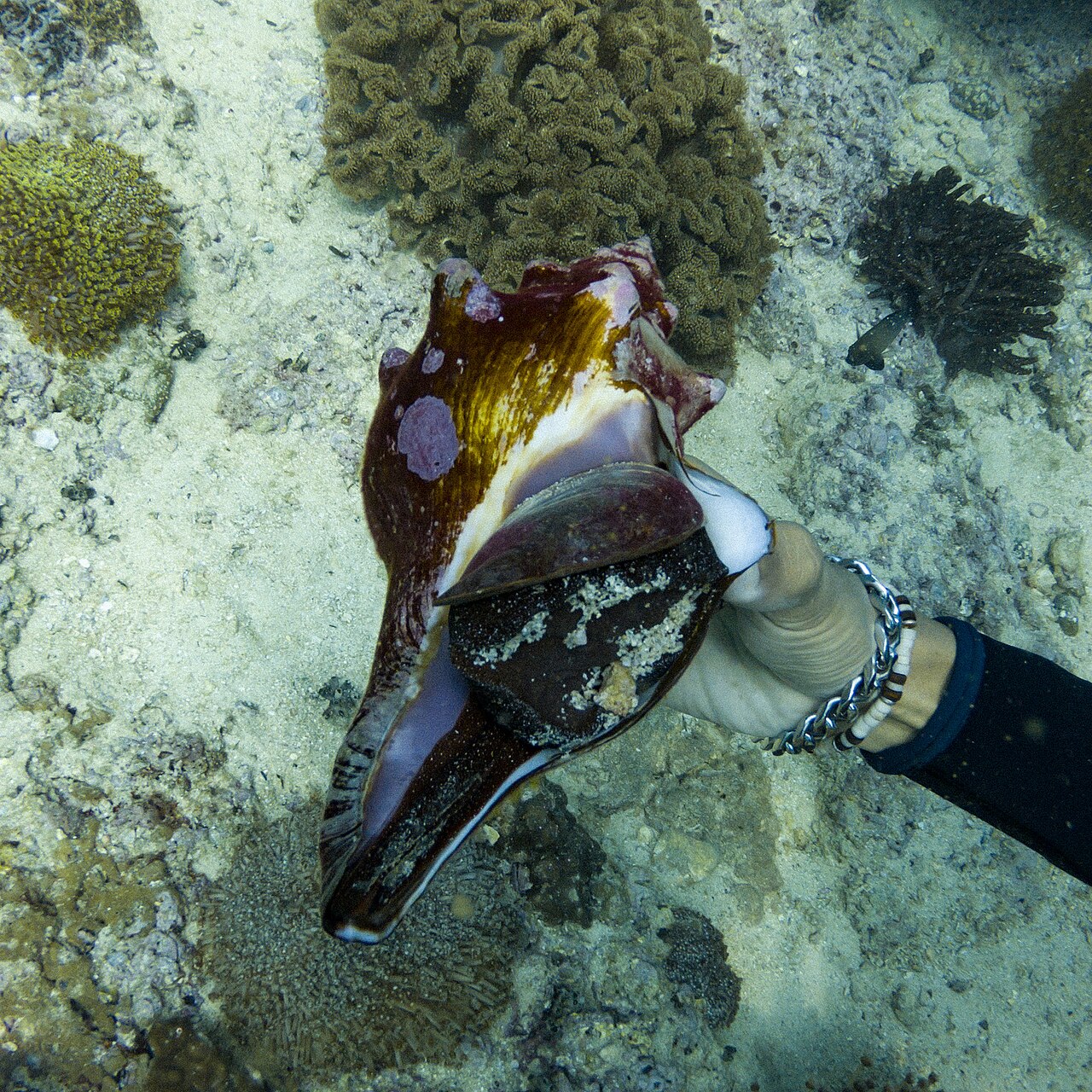
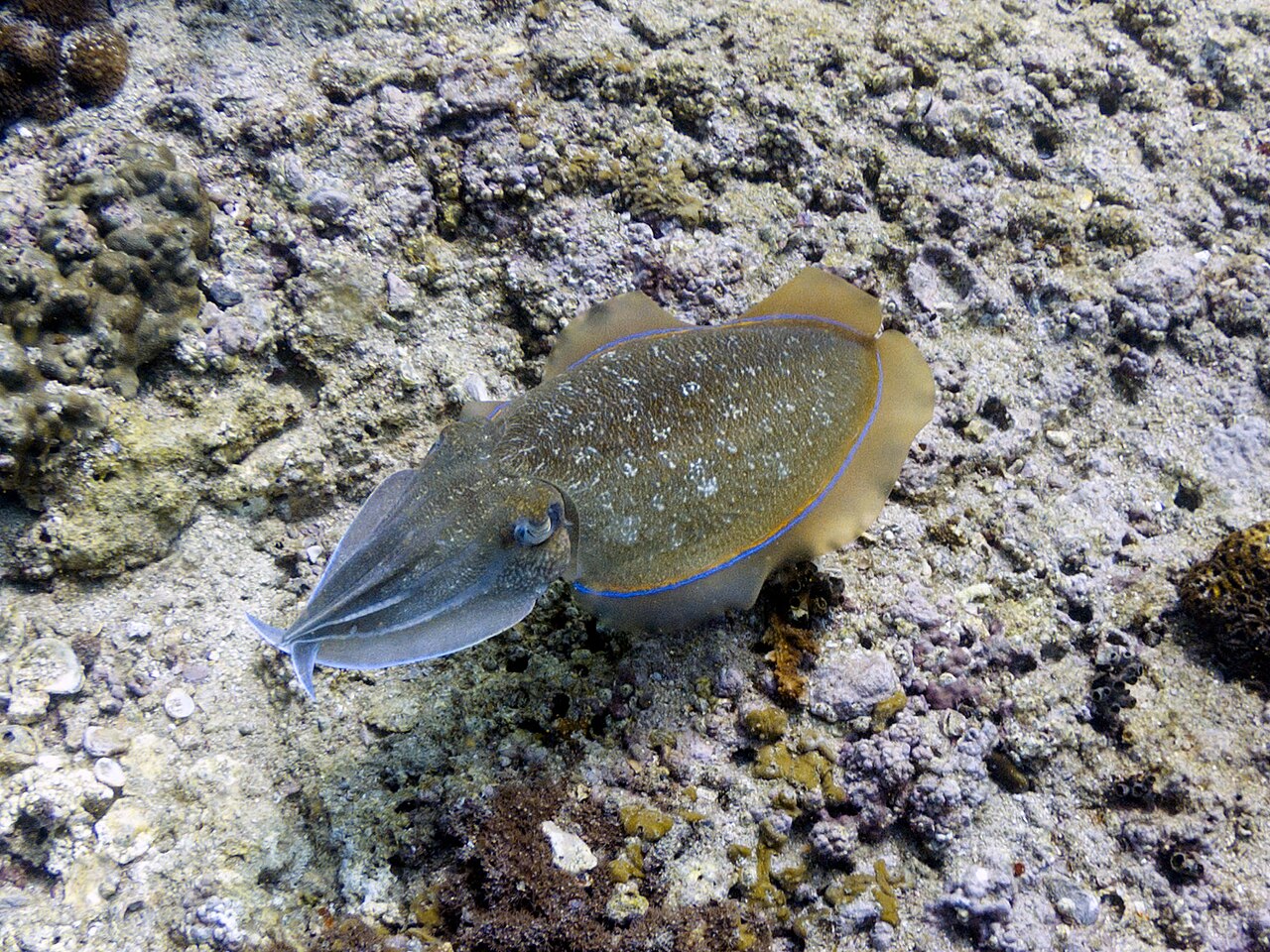
The reserve contains marine habitats including coral reefs that support diverse underwater life. Sea turtles frequent the islands, with some beaches serving as nesting sites. Various fish species inhabit the reef systems, and the waters attract migratory marine birds. The islands themselves are rocky formations with limited vegetation. Snorkeling and diving activities reveal the underwater landscape. The protected status restricts development, so facilities on the islands are minimal or absent. On 31 August 2026, the annual island-landing closure was in force. The Environment Authority publishes permit conditions rather than daily gate hours; diving permits remain a separate access category.
Checked 2026-08-31 · Source
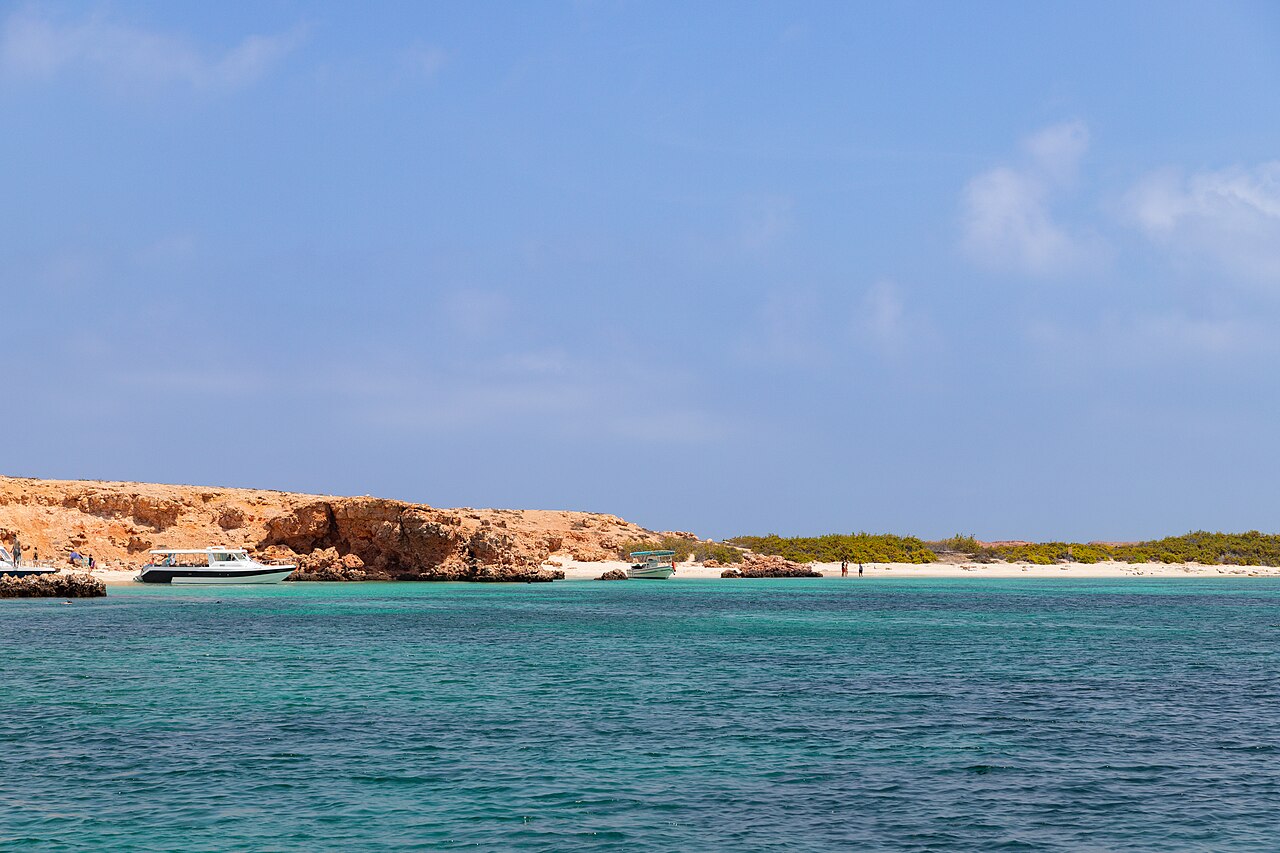
A visit to the Daymaniyat Islands typically requires a full day given boat transit times from mainland departure points. The crossing from Muscat-area marinas takes substantial time each direction. Most organized excursions allocate several hours at the islands for snorkeling, diving, or beach activities. Multi-day camping trips are possible for permitted groups but require advance arrangements. Day trips remain the standard visitor experience. One-day adult visit permit: OMR 1 for Omani nationals and OMR 3 for foreign visitors. Adult visit-and-diving permit: OMR 3 for Omani nationals and OMR 6 for foreign visitors. Boat-tour charges are separate.
Checked 2026-08-31 · Source

The Gulf of Oman experiences seasonal variations in sea conditions that affect access to the Daymaniyat Islands. Summer months bring high temperatures and humidity. Winter offers milder conditions. Visitors should consult current marine forecasts and tour operators before planning. Permit-based access; island landing and camping are prohibited annually from 1 May through 31 October. Outside that period, landing is permitted, while camping is restricted to Jabal Al Kabeer and Al Joon. The offshore reserve has no land connection; the Ministry of Heritage and Tourism directs visitors to reach it by boat from Al Mouj.
Checked 2026-08-31 · Source
Access to the Daymaniyat Islands Nature Reserve requires permits as it is a protected area. Individual visitors cannot typically access the islands independently and must arrange visits through licensed tour operators. Some operators may bundle reserve permits within overall trip costs. Visitors should verify what is included in any quoted price. One-day adult visit permit: OMR 1 for Omani nationals and OMR 3 for foreign visitors. Adult visit-and-diving permit: OMR 3 for Omani nationals and OMR 6 for foreign visitors. Boat-tour charges are separate.
Checked 2026-08-31 · Source
The Daymaniyat Islands lie offshore from the Al Batinah South Governorate coast, northwest of Muscat city. Access is exclusively by boat from mainland departure points. Tour operators typically depart from marinas in the Muscat area or from coastal points nearer the islands. Private vessel access requires proper permits. Travel to Al Mouj in Muscat and continue by boat; the Ministry of Heritage and Tourism specifically names Al Mouj as the departure point for the islands. No public transport serves the offshore reserve itself, so the final leg is necessarily by boat and requires an Environment Authority entry permit.
Checked 2026-08-31 · Source
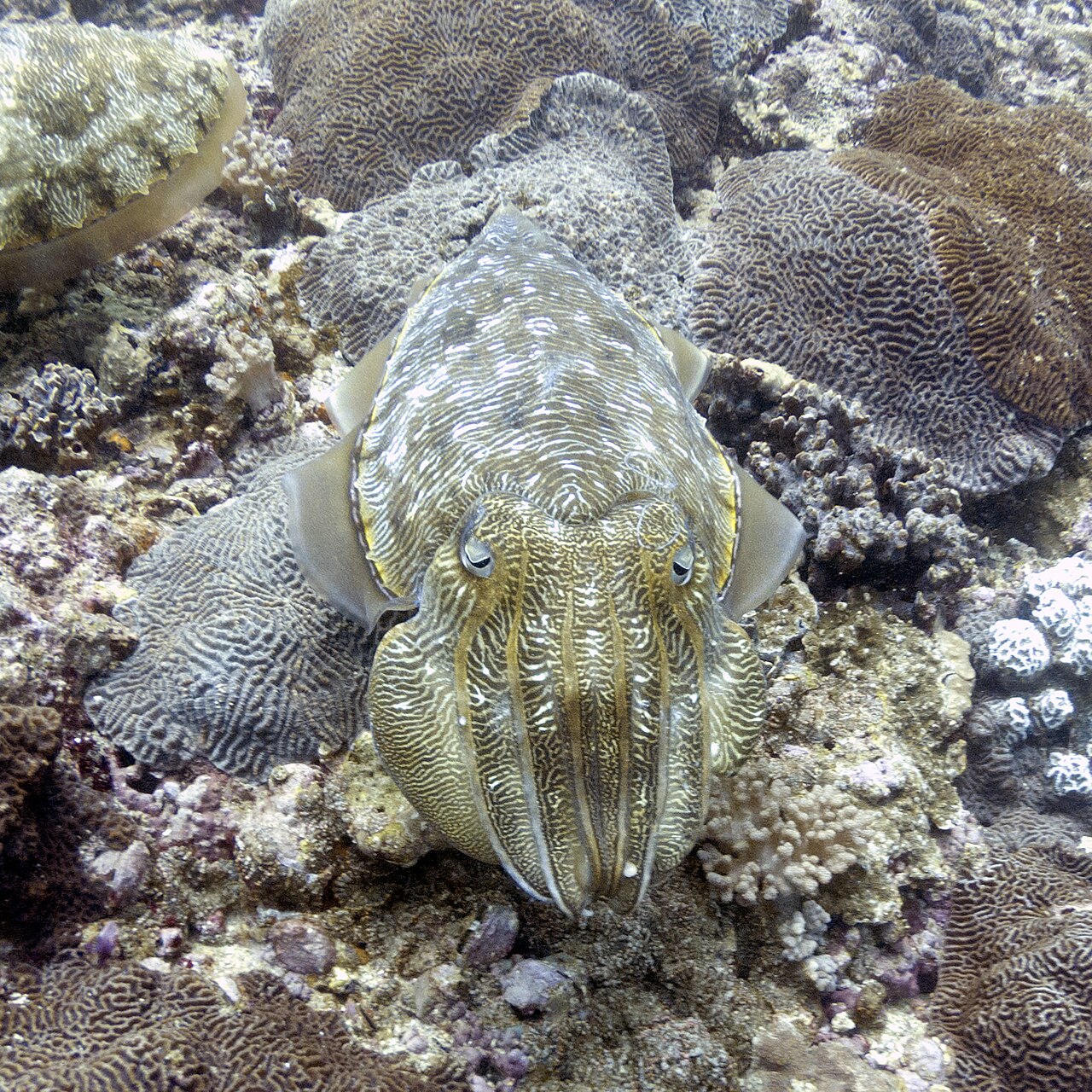
Marine conditions in the Gulf of Oman can change rapidly, affecting boat journeys and in-water activities. Strong currents may occur around the islands. Sun exposure is intense with limited shade on the islands. Proper marine footwear protects against sharp coral and rocky surfaces. Jellyfish and other marine life present natural hazards. Visitors must follow guide instructions and reserve regulations. The offshore reserve has no land connection; the Ministry of Heritage and Tourism directs visitors to reach it by boat from Al Mouj. Island landing is prohibited from May through October, including on the checked date.
Checked 2026-08-31 · Source
The Daymaniyat Islands offer underwater photography opportunities around coral reef systems and marine life encounters. Surface photography captures rocky island formations, clear waters, and bird life. Early and late daylight provides optimal natural lighting above water. Underwater visibility varies with conditions. Waterproof equipment is necessary for submarine images. Respect for wildlife takes priority; flash photography should not disturb nesting turtles or marine animals. Backups of digital images are advisable given the remote setting and exposure to salt water. Yes. The Environment Authority issues electronic permits for visits, diving, and eligible overnight stays; applications proceed through submission, electronic payment, review, and permit receipt.
Checked 2026-08-31 · Source
Yes. The Environment Authority issues electronic permits for visits, diving, and eligible overnight stays; applications proceed through submission, electronic payment, review, and permit receipt.
No. Landing and camping are prohibited every year from 1 May through 31 October.
Camping is limited to designated places on Jabal Al Kabeer and Al Joon, with a maximum of 12 people or five tents per permit.
The Ministry of Heritage and Tourism identifies diving, snorkeling, kayaking, jet skiing, and camping among the reserve’s visitor activities.
Visitors must not collect or damage coral or marine species, and must not disturb or touch nesting turtles or their eggs.
The Environment Authority describes the reserve as an archipelago of nine islands off the coasts of Seeb and Barka.
Loading the interactive map…
The interactive map could not be loaded.

Last updated:
Source: OpenStreetMap contributors ·