.jpg)
.jpg)


2 min walk
Lakes District Museum Arrowtown
- Must see
- Museum
Language · 11 published
Historic monument · Queenstown
| Monday | 00:00 – 23:59 |
|---|---|
| Tuesday | 00:00 – 23:59 |
| Wednesday | 00:00 – 23:59 |
| Thursday | 00:00 – 23:59 |
| Friday | 00:00 – 23:59 |
| Saturday | 00:00 – 23:59 |
| Sunday | 00:00 – 23:59 |
Checked 2026-08-31 · Source
Read from the OpenStreetMap access tags; anything not listed has no tag recorded.
Set the group type to family in the planner and the day window contracts to about three quarters of a solo day.
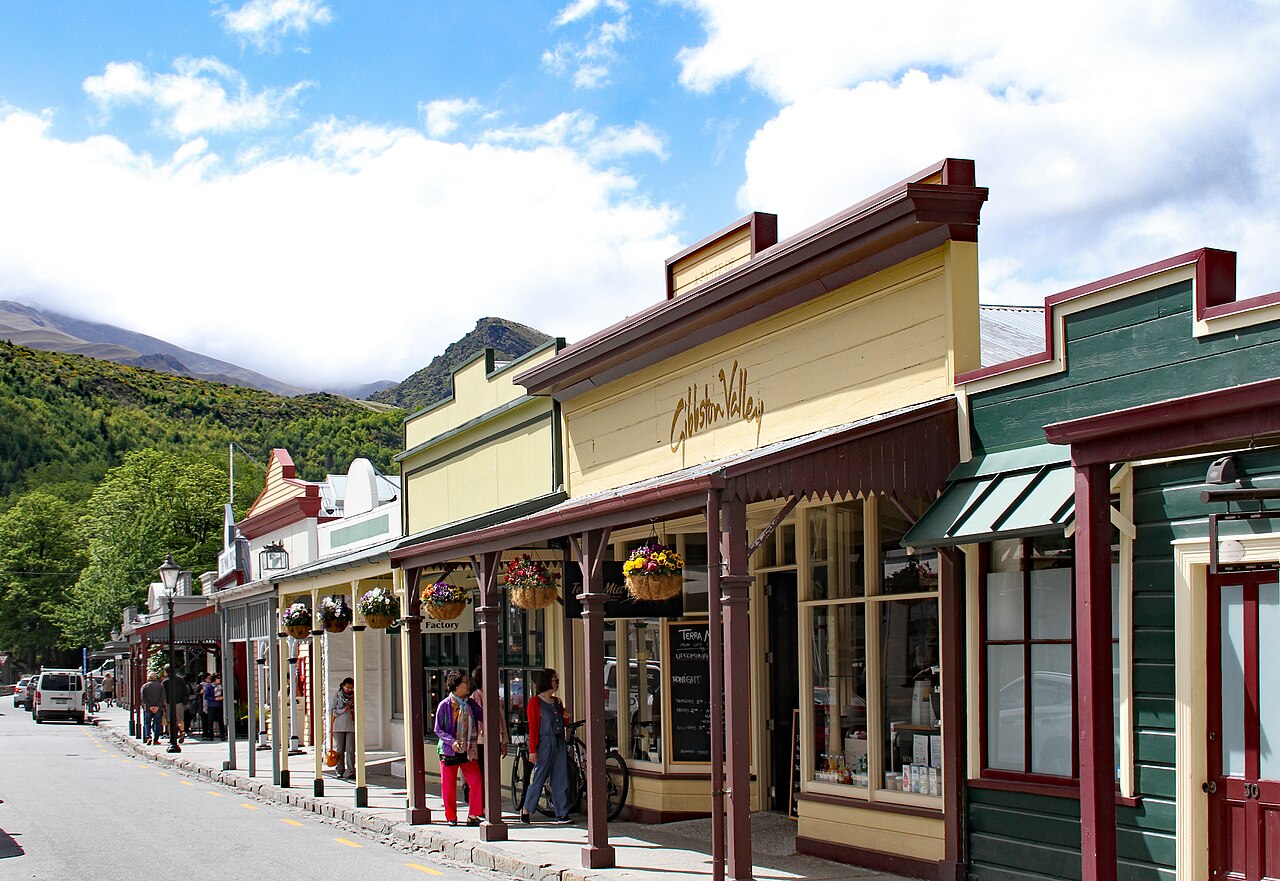
Arrowtown Historic Precinct is a preserved gold-rush town centre in Arrowtown, a short drive from Queenstown. The precinct retains much of its nineteenth-century character, with original and reconstructed buildings lining the main street. It emerged during the Otago gold rush of the 1860s and became a significant settlement. The area now functions as a self-guided heritage destination where visitors can walk through the historic streetscape. It is administratively distinct from the nearby Chinese Settlement, which is a separate reserve with its own interpretive focus and should not be confused with this precinct.
Checked 2026-08-26
The precinct contains historic buildings including shops, cottages, and former commercial premises from the gold-rush era. Notable structures include the former bank building and various preserved or restored storefronts. The streetscape preserves the scale and materials of a nineteenth-century colonial town. Interpretive signage provides historical context. The surrounding area includes tree-lined avenues that contribute to the precinct's atmosphere. Some buildings house contemporary businesses operating within heritage shells. The nearby Arrow River, where gold was first discovered, runs adjacent to the precinct and forms part of the broader historical landscape visitors typically explore.
Checked 2026-08-26
A self-guided walk through the main street of the historic precinct typically requires between thirty minutes and one hour for basic observation. Visitors with strong interest in architectural detail or gold-rush history may spend up to two hours examining individual buildings and reading interpretive material. The duration extends considerably if combined with the separate Chinese Settlement reserve, riverside walks, or nearby trails. Many visitors allocate half a day to Arrowtown overall, incorporating the precinct with lunch and peripheral exploration. The compact nature of the town centre means the core heritage experience is walkable and manageable within limited timeframes.
Checked 2026-08-26

Arrowtown experiences pronounced seasonal variation that affects visitor experience. Autumn brings notable foliage colour in the surrounding hills, drawing peak visitor numbers. Spring and summer offer milder conditions for walking the precinct. Winter can bring cold temperatures and occasional snow. The precinct itself operates as an open streetscape without controlled access points, though individual buildings and businesses maintain their own schedules. Visitors should verify current conditions before travel, as seasonal events and local holidays may influence both accessibility and crowding levels in the township. Check the operator's own site for the travel date before relying on a schedule or fare.
Checked 2026-08-26
The Arrowtown Historic Precinct functions as a public streetscape without entry gates or admission controls for general walking access. No standard precinct-wide ticket applies to the heritage area itself. Individual buildings or any museums operating within the precinct may apply separate charges, though specific current prices are Not recorded pending review. Some commercial premises operate as regular shops or cafes with standard consumer transactions. The separate Chinese Settlement reserve may have different arrangements. Visitors should carry funds for incidental purchases and any optional paid experiences they choose to enter, while budgeting primarily for transport and discretionary spending rather than admission.
Checked 2026-08-26
Arrowtown lies approximately twenty kilometres northeast of Queenstown by road. The most common access is private vehicle or rental car via State Highway 6 and the Arrowtown turnoff. Parking is available in the township, though spaces fill during peak periods. Scheduled bus services operate from Queenstown to Arrowtown, with frequency varying by season. Cycling is possible via the Arrow River Trail and surrounding network. The historic precinct occupies the central township area, reachable on foot from any parking or drop-off point. Signage directs visitors through the main street. No rail service exists. Walking from Queenstown is not practical given distance and terrain.
Checked 2026-08-26
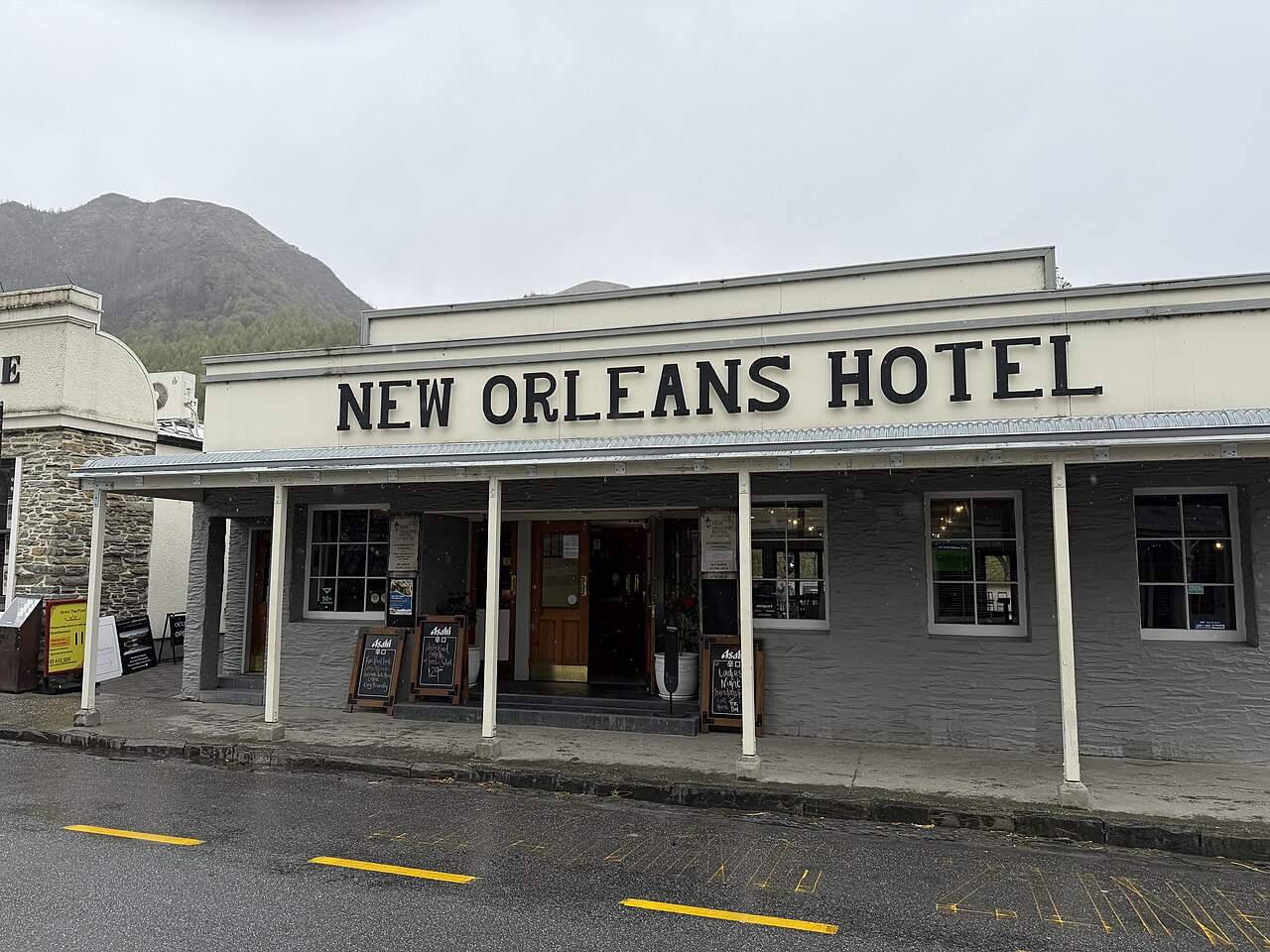
Vehicle traffic shares the main street in parts of the precinct, requiring pedestrian awareness. Some heritage buildings are private residences or businesses with restricted access; not all interiors are open to casual visitors. Weather conditions change rapidly in this region, with cold snaps possible even in warmer months. The nearby Arrow River has variable flow and unstable banks in places. Peak autumn visitation creates congestion in the township and parking pressure. The precinct's distinction from the Chinese Settlement reserve is important for accurate navigation and understanding; signage and maps should be consulted to locate each area correctly rather than assuming they are contiguous or identical.
Checked 2026-08-26
The historic streetscape offers consistent photographic subjects including weatherboard and stone buildings, verandahs, and streetscapes with mountain backdrops. Early morning and late afternoon provide favourable natural light and reduced pedestrian interference. Autumn foliage in surrounding trees adds seasonal colour to wider compositions. The main street's relatively narrow width allows building detail capture without excessive equipment. Some interiors may restrict photography; permission should be sought for private property. The adjacent Arrow River provides reflective water elements and alternative perspectives. Tripod use in pedestrian areas requires consideration of foot traffic. Commercial photography or organised shoots may require advance arrangement with relevant authorities or property holders.
Checked 2026-08-26
No. They are separate heritage areas. The historic precinct is the main gold-rush town centre. The Chinese Settlement is a distinct reserve telling a specific migrant story. Visitors should locate each separately.
No advance booking is required. The precinct is an open streetscape without controlled entry. Any individual buildings with managed access would be the exception, not the rule.
Not all buildings are open to the public. Some function as private residences or restricted commercial premises. Exteriors are generally viewable from the street. Check individual doors for access status.
Yes, scheduled bus services operate, though frequency varies seasonally. Private vehicle remains the most flexible option. Cycling is also possible via trails.
The open streetscape has no precinct-wide admission fee. Any charges would apply only to specific museums or attractions within individual buildings, not to general walking access.
The precinct offers a self-guided, unstructured experience in a living township. There is no single curated narrative or entry point. Visitors create their own route and pace, combining heritage observation with contemporary commercial activity.
Loading the interactive map…
The interactive map could not be loaded.


Last updated:
Source: OpenStreetMap contributors ·