.jpg)


90 min walk
Waiheke Island
- Must see
- Nature site
Language · 11 published
Viewpoint · Auckland

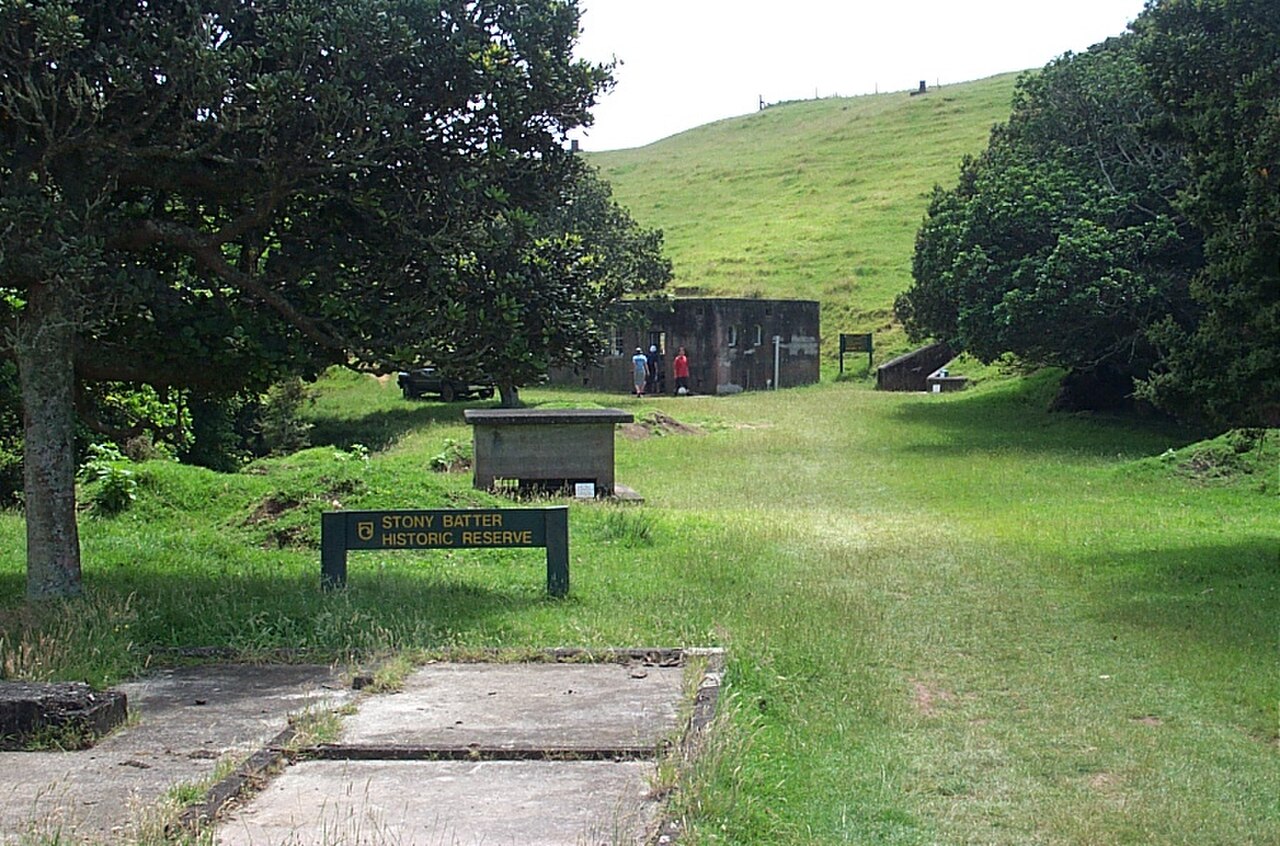
Stony Batter Historic Reserve is a coastal defence site on Waiheke Island in the Hauraki Gulf. Constructed during World War II, it formed part of New Zealand's network of fortifications designed to protect Auckland from naval attack. The reserve contains extensive tunnel systems, gun emplacements, and supporting military structures built into the island's volcanic landscape. The name derives from the stony terrain characteristic of the area. Managed by the Department of Conservation, the site represents significant 20th-century military heritage and offers visitors insight into New Zealand's wartime coastal defence strategy.
Checked 2026-08-26
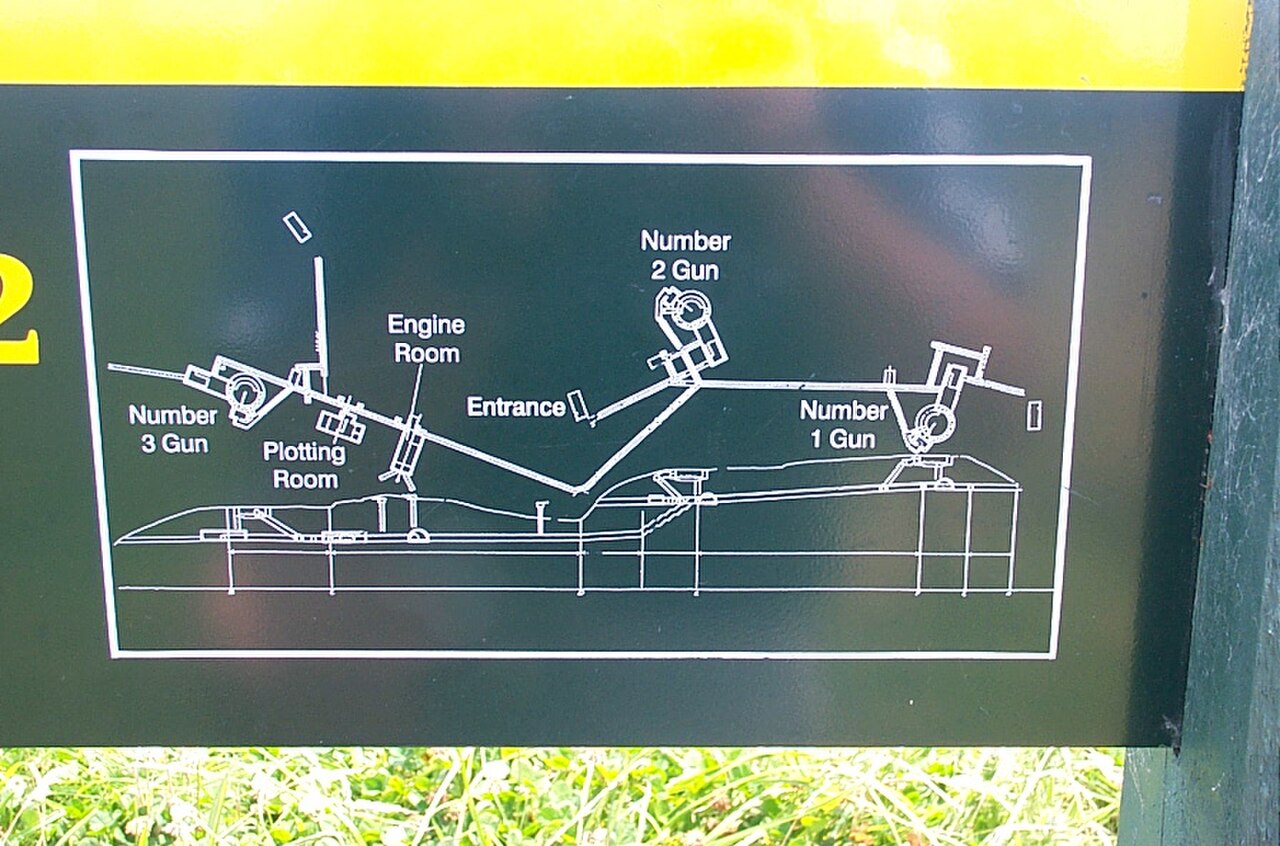
The reserve features underground tunnels carved through volcanic rock, connecting various military installations. Gun emplacements once housed heavy artillery positioned to defend shipping approaches to Auckland. Supporting structures include observation posts, ammunition stores, and crew accommodations. The tunnel network extends substantially below ground, creating a complex subterranean environment. Surface remains include concrete fortifications and earthworks blending with the natural topography. Interpretive signage may provide historical context at key locations. The volcanic geology of Waiheke Island provided natural advantages for defensive construction, with hardened rock offering protection and concealed positioning for military assets.
Checked 2026-08-26
Visitors should allocate approximately two to three hours for a thorough exploration of Stony Batter Historic Reserve. This duration allows time to traverse the tunnel network, examine surface structures, and appreciate the site's military engineering. The underground passages require careful navigation and suitable footwear. Those with limited mobility or discomfort in confined spaces may need to adjust their visit accordingly. Photography enthusiasts and history-focused visitors might extend their stay. The reserve's location on Waiheke Island necessitates ferry travel, meaning total excursion time from Auckland typically exceeds half a day when transportation is included.
Checked 2026-08-26
Visitors should consult the Department of Conservation website or contact their Auckland office for current access arrangements before planning a trip. Seasonal weather patterns in the Hauraki Gulf may affect ferry reliability and site conditions. Summer months generally offer more predictable maritime travel, though Waiheke Island experiences significant visitor numbers during this period. Winter visits may encounter reduced ferry schedules and wetter conditions within the tunnels. Daylight hours vary substantially throughout the year, influencing safe exploration of the outdoor components and tunnel entrances. Check the operator's own site for the travel date before relying on a schedule or fare.
Checked 2026-08-26
The Department of Conservation manages Stony Batter Historic Reserve; any applicable fees or access charges would be determined by this agency. Visitors should verify current cost structures through official channels prior to travel. Ferry transportation to Waiheke Island operates independently and represents a separate expense. Some heritage sites under Department of Conservation administration maintain free entry, while others require permits or guided tour bookings. Group visits may have different arrangements than individual access. Advance confirmation prevents unexpected complications upon arrival at the reserve. Check the operator's own site for the travel date before relying on a schedule or fare.
Checked 2026-08-26
Stony Batter Historic Reserve is located on Waiheke Island, accessible by passenger ferry from downtown Auckland. The journey across the Hauraki Gulf takes approximately forty minutes. Upon reaching Waiheke, visitors require additional land transport to reach the reserve's location on the eastern side of the island. Local bus services, rental vehicles, or arranged transfers may serve this purpose. Road conditions on Waiheke include unsealed sections approaching remote areas. The Department of Conservation website provides location details for navigation. Visitors should plan return ferry connections carefully, as services may be less frequent outside peak periods.
Checked 2026-08-26
The tunnel environment presents inherent hazards requiring visitor vigilance. Low ceilings, uneven surfaces, and limited lighting demand appropriate footwear and careful movement. Natural water seepage may create slippery conditions underground. The confined space may discomfort those with claustrophobia. Surface areas include unprotected drops and unstable ground near cliff edges. Weather exposure affects exposed pathways. No emergency services are immediately present at this remote location. Visitors should carry water, illumination, and communication devices. Informing others of intended return times represents prudent practice. Children require close supervision throughout the reserve due to structural and topographical risks.
Checked 2026-08-26
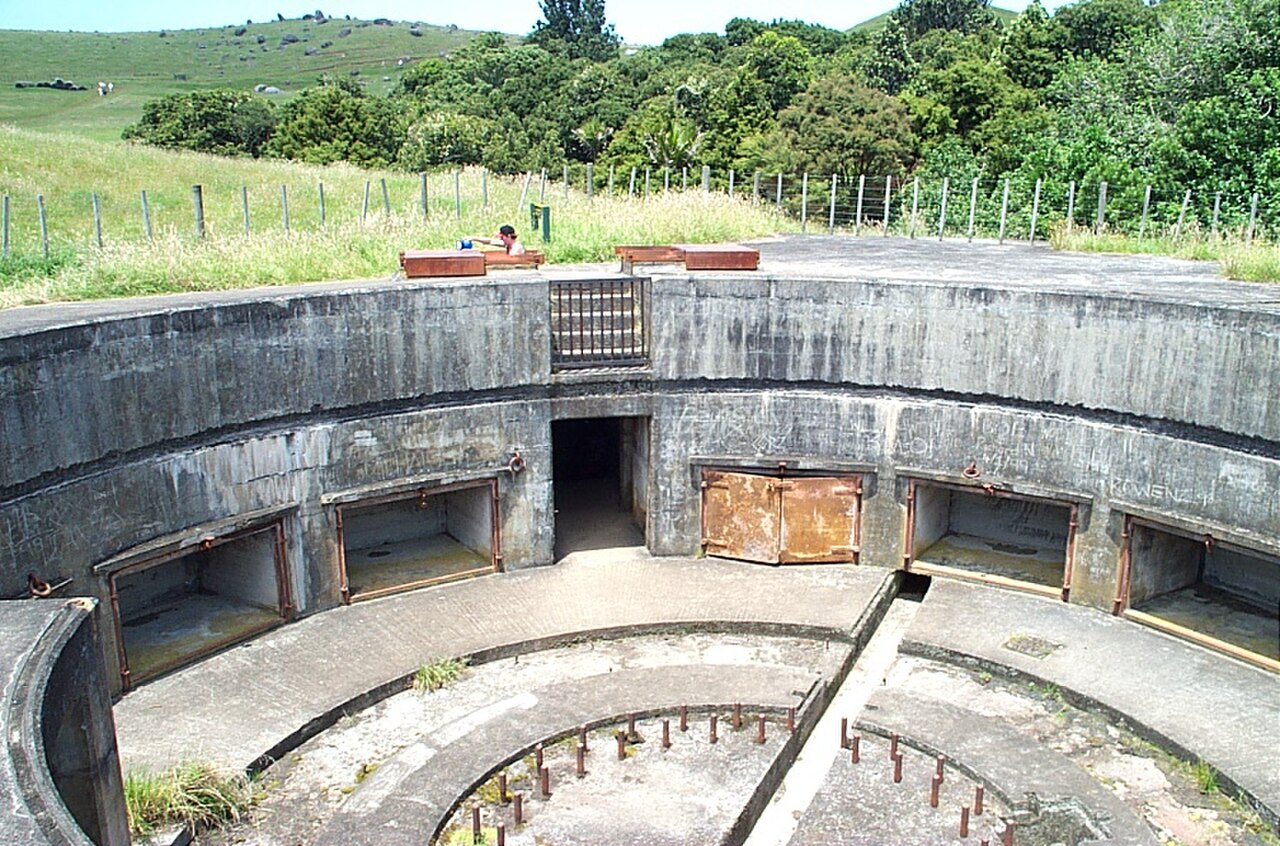
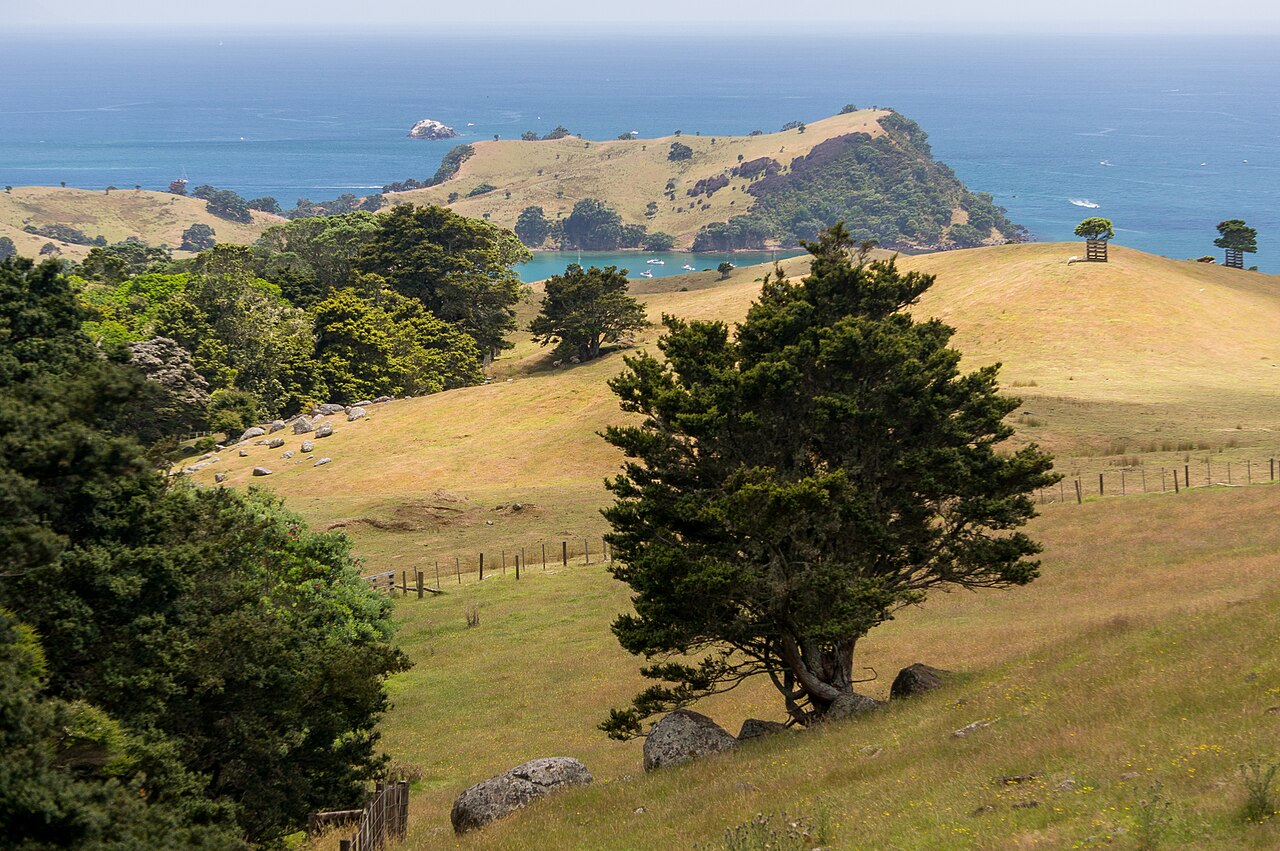
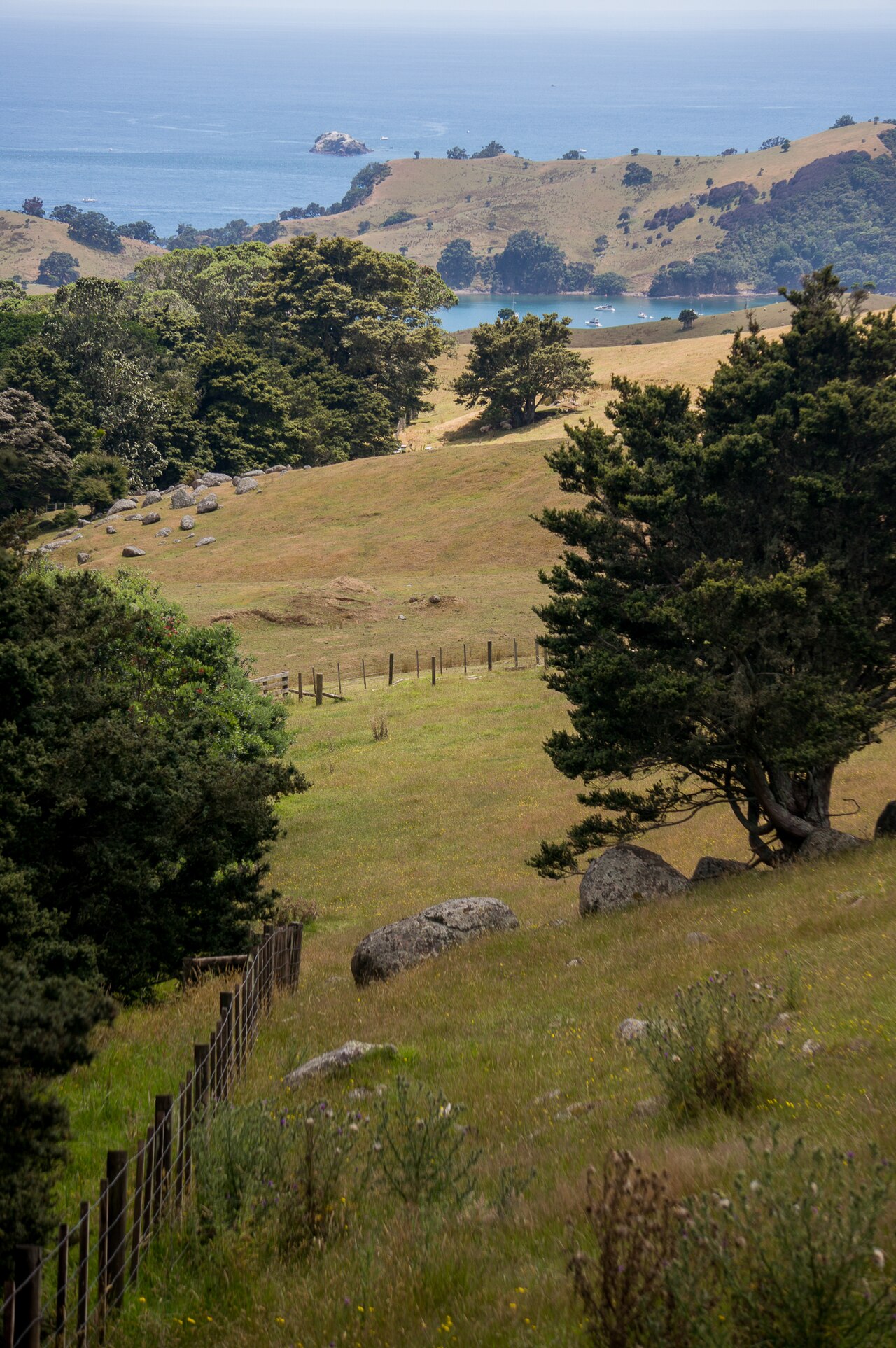
The dramatic contrast between engineered military structures and natural volcanic terrain offers compelling photographic subjects. Underground passages present challenging lighting conditions requiring longer exposures or artificial illumination. Tripods may prove valuable for tunnel photography though spatial constraints limit their deployment. Surface gun emplacements frame maritime vistas across the Hauraki Gulf. Early or late daylight enhances textural details of weathered concrete against native vegetation. Visitors should respect any posted restrictions on flash usage that might affect sensitive environments or other visitors' experience. The interplay of natural and constructed elements rewards patient photographic exploration throughout the reserve.
Checked 2026-08-26
Children may visit with close adult supervision due to tunnel hazards, uneven surfaces, and unprotected drops.
Guided tour requirements are Not recorded pending review; verify current access arrangements with the Department of Conservation.
No, the reserve is located on Waiheke Island and requires ferry transportation from Auckland.
The underground tunnels are unlikely to be wheelchair accessible due to stairs, uneven surfaces, and narrow passages.
On-site facilities are Not recorded pending review; visitors should carry sufficient water for their visit.
Pet policies are Not recorded pending review; consult Department of Conservation regulations before visiting with animals.
Loading the interactive map…
The interactive map could not be loaded.

Last updated:
Source: OpenStreetMap contributors, Wikidata ·