Smart Self-Managed Tours

Country guide

Japan

A photograph of Japan
Photograph · Midori · CC BY 3.0

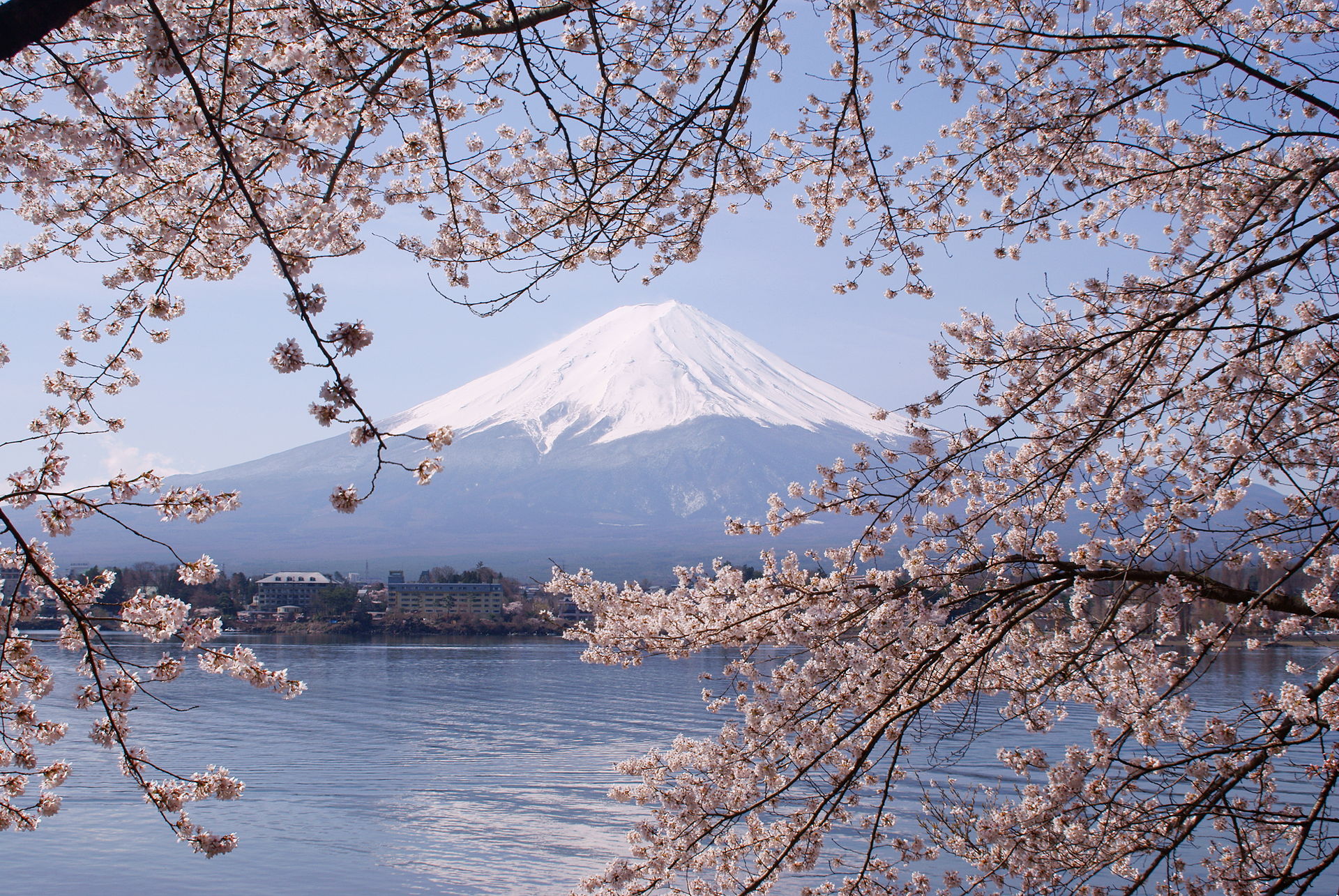
Around three quarters of Japan is mountain and forest, which pushes almost everyone onto the eastern coastal plains and makes the country far narrower in practice than 377,975 km2 suggests. Forty-seven prefectures, eight traditional regions and more than 14,000 smaller islands, and yet a first visit usually runs along a single rail corridor with Tokyo at one end and Kyoto and Osaka at the other. Tokyo is the capital and largest city of a country of almost 123 million people. Hokkaido in the north and Okinawa in the south are different climates rather than day trips, and both need their own week.

Cities

Every city catalogued in this country so far, ranked by how much there is to see.

Practical information

Language spoken
Japanese
National practical orientation; regional and minority languages may also be used
Dialling code
+81
International calling code; local area and mobile prefixes still apply
Currency
Japanese yen (JPY)
Use the official local currency; card acceptance varies by place
Emergency number
110 police · 119 fire and ambulance
Use only for an emergency; tourist assistance may use a separate number
Plug type
Type A · 100 V
Check that chargers support the recorded voltage before using an adapter
Tap water
Safe from the mains
JNTO states that tap water is safe to drink
Planning a visit

  1. January: seasonal closure recorded
  2. February: seasonal closure recorded
  3. March: seasonal closure recorded
  4. April: seasonal closure recorded
  5. May: seasonal closure recorded
  6. June: no seasonality data recorded
  7. July: no seasonality data recorded
  8. August: no seasonality data recorded
  9. September: seasonal closure recorded — this month
  10. October: seasonal closure recorded
  11. November: seasonal closure recorded
  12. December: seasonal closure recorded

Top things to see

Ranked by importance — sitelinks, pageviews and heritage status, not editor preference.

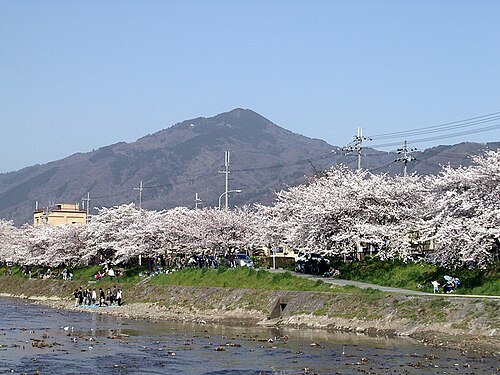
  1. Mount Hiei Mount Hiei
    02 20 min

    Mount Hiei

    比叡山

    Mount Hiei is a mountain located northeast of Kyoto, Japan, straddling the border between Kyoto Prefecture and Shiga Prefecture. The local name is 比叡山.

    • Must see
    • Viewpoint
    • Kyoto
  2. Mount Atago Mount Atago
    03 20 min

    Mount Atago

    愛宕山

    Mount Atago is a mountain in Kyoto, Japan, bearing the local name 愛宕山. The mountain holds religious significance as the site of Atago Shrine, a Shinto shrine dedicated to fire prevention and safe hearth.

    • High
    • Viewpoint
    • Kyoto
  3. Mount Kurama Mount Kurama
    04 20 min

    Mount Kurama

    鞍馬山

    Mount Kurama is a forested mountain in northern Kyoto Prefecture, Japan, known for its association with the Tengu, mythical long-nosed goblins of Japanese folklore.

    • High
    • Viewpoint
    • Kyoto
  4. Ōeyama
    08 20 min

    Ōeyama

    大枝山

    • High
    • Viewpoint
    • Kyoto
  5. Harukas 300 Harukas 300
    12 20 min

    Harukas 300

    ハルカス300

    Harukas 300 is an observation deck located at the summit of Abeno Harukas, a prominent skyscraper in Osaka. The facility occupies the building's top three floors, offering visitors elevated views across the Kansai region.

    • High
    • Viewpoint
    • Osaka
  6. SHIBUYA SKY SHIBUYA SKY
    13 20 min

    SHIBUYA SKY

    Shibuya Sky

    Shibuya Sky is an observation facility in Shibuya, Tokyo, offering panoramic views of the metropolitan area. Located within the Shibuya Scramble Square complex, the attraction occupies upper floors of a prominent high-rise building.

    • High
    • Viewpoint
    • Tokyo
  7. Mount Atago
    15 20 min

    Mount Atago

    愛宕山

    • High
    • Viewpoint
    • Tokyo
  8. Mount Ōiwa
    18 20 min

    Mount Ōiwa

    大岩山

    • High
    • Viewpoint
    • Kyoto
  9. Mount Oshio
    20 20 min

    Mount Oshio

    小塩山

    • High
    • Viewpoint
    • Kyoto
  10. Mount Otowa
    21 20 min

    Mount Otowa

    音羽山

    • High
    • Viewpoint
    • Kyoto
  11. Mount Ponpon
    22 20 min

    Mount Ponpon

    ポンポン山

    • High
    • Viewpoint
    • Kyoto
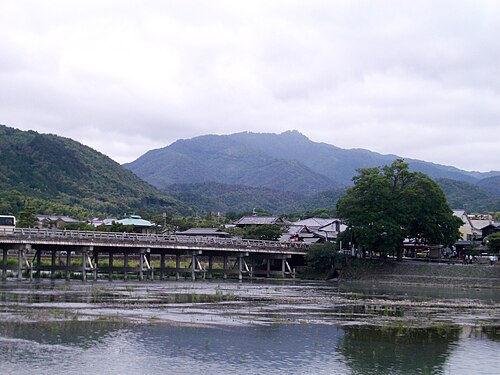
  12. Ogurayama
    23 20 min

    Ogurayama

    小倉山

    • High
    • Viewpoint
    • Kyoto
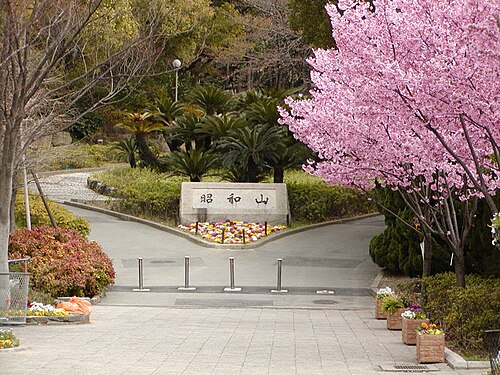
  13. Showazan Showazan
    24 20 min

    Showazan

    昭和山

    Showazan, known locally as 昭和山, is a notable visitor place in Osaka. It appears in the city's tourist information pool as a recognized destination for visitors exploring the urban landscape.

    • High
    • Viewpoint
    • Osaka
  14. Mount Asahi
    26 20 min

    Mount Asahi

    朝日山

    • High
    • Viewpoint
    • Kyoto
  15. Mt. Tatsugao
    30 20 min

    Mt. Tatsugao

    竜ヶ尾山

    • High
    • Viewpoint
    • Kyoto
  16. Tokyo City View
    32 20 min

    Tokyo City View

    東京シティビュー

    • Notable
    • Viewpoint
    • Tokyo
  17. Mount Nagara
    33 20 min

    Mount Nagara

    長等山

    • Notable
    • Viewpoint
    • Kyoto
  18. Mount Waka
    34 20 min

    Mount Waka

    若山

    • Notable
    • Viewpoint
    • Kyoto
  19. Tojō Park
    35 20 min

    Tojō Park

    戸定が丘歴史公園

    • Notable
    • Viewpoint
    • Tokyo
  20. Mount Daigo
    36 20 min

    Mount Daigo

    醍醐山

    • Notable
    • Viewpoint
    • Kyoto
  21. Arakawa lock gate
    42 20 min

    Arakawa lock gate

    荒川ロックゲート

    • Notable
    • Viewpoint
    • Tokyo
  22. Asukayama
    44 20 min

    Asukayama

    飛鳥山

    • Notable
    • Viewpoint
    • Tokyo
  23. Awata-yama
    45 20 min

    Awata-yama

    粟田山

    • Notable
    • Viewpoint
    • Kyoto
  24. Chausuyama
    57 20 min

    Chausuyama

    茶臼山

    • Notable
    • Viewpoint
    • Osaka
  25. Cristal view
    58 20 min

    Cristal view

    クリスタルビュー

    • Notable
    • Viewpoint
    • Tokyo
  26. Dream Bridge
    63 20 min

    Dream Bridge

    夢の大橋

    • Notable
    • Viewpoint
    • Tokyo
  27. Fujimi-dai
    67 20 min

    Fujimi-dai

    富士見台

    • Notable
    • Viewpoint
    • Tokyo
  28. Fuji View
    69 20 min

    Fuji View

    • Notable
    • Viewpoint
    • Tokyo
  29. Ginza Six Garden
    72 20 min

    Ginza Six Garden

    GINZA SIX ガーデン

    • Notable
    • Viewpoint
    • Tokyo
  30. Gongen-zan
    73 20 min

    Gongen-zan

    権現山

    • Notable
    • Viewpoint
    • Kyoto
  31. Grounding Tree
    76 20 min

    Grounding Tree

    グラウンディングツリー

    • Notable
    • Viewpoint
    • Osaka
  32. Hachitama
    78 20 min

    Hachitama

    球体展望室

    • Notable
    • Viewpoint
    • Tokyo
  33. Hana Sato
    79 20 min

    Hana Sato

    花サト

    • Notable
    • Viewpoint
    • Kyoto
  34. Hijiriyama
    81 20 min

    Hijiriyama

    聖山

    • Notable
    • Viewpoint
    • Kyoto
  35. Hikokumayama
    82 20 min

    Hikokumayama

    曾孫熊山

    • Notable
    • Viewpoint
    • Kyoto
  36. Hokutopia
    86 20 min

    Hokutopia

    北とぴあ

    • Notable
    • Viewpoint
    • Tokyo
  37. Jizo-san
    91 20 min

    Jizo-san

    地蔵山

    • Notable
    • Viewpoint
    • Kyoto
  38. Kagamiyama
    93 20 min

    Kagamiyama

    鏡山

    • Notable
    • Viewpoint
    • Kyoto
  39. Kamiyama
    95 20 min

    Kamiyama

    神山

    • Notable
    • Viewpoint
    • Kyoto
  40. Kawarake-nage
    96 20 min

    Kawarake-nage

    かわらけ投げ

    • Notable
    • Viewpoint
    • Kyoto
  41. Keshi-yama
    98 20 min

    Keshi-yama

    ケシ山

    • Notable
    • Viewpoint
    • Kyoto
  42. Keyaki-zaka
    99 20 min

    Keyaki-zaka

    けやき坂

    • Notable
    • Viewpoint
    • Tokyo
  43. Kogumayama
    100 20 min

    Kogumayama

    子熊山

    • Notable
    • Viewpoint
    • Kyoto

Source: OpenStreetMap contributors, Wikidata ·

Common questions

How long should a first trip to Japan be?

Ten to fourteen days supports four or five days in Tokyo, three or four in Kyoto, and two or three in Osaka. Add Nara or Himeji only after those bases have enough time, and avoid turning every rail stop into a hotel change.

What entry documents are needed for Japan?

Japan's visa exemption or visa requirement depends on passport and travel purpose. Confirm the current rule through Japan's Ministry of Foreign Affairs or the embassy responsible for the traveller's residence.

What is the best way to travel around Japan?

The Tokaido Shinkansen links Tokyo, Kyoto, and Osaka, while local rail and buses cover city travel. An IC card simplifies many local journeys but does not replace every reserved long-distance ticket, and luggage forwarding can reduce friction between bases.

When is a practical time to visit Japan?

March to May and October to November are broad options for the main-island route, with blossom and autumn periods creating concentrated demand. Confirm regional weather and reservations for the exact cities rather than assuming one national season behaves uniformly.

What money and payment basics apply in Japan?

Japan uses the yen (JPY). Electronic payment is common but not universal, so carry some yen for smaller businesses, ticket machines, or rural transport without assuming that one stored-value card works for every purchase.

What practical safety details should I save for Japan?

Japan's emergency numbers are 110 for police and 119 for fire or ambulance. Type A sockets operate at 100 V, which is lower than in the other wave-A countries, and mains tap water is recorded as safe.