3 min walk
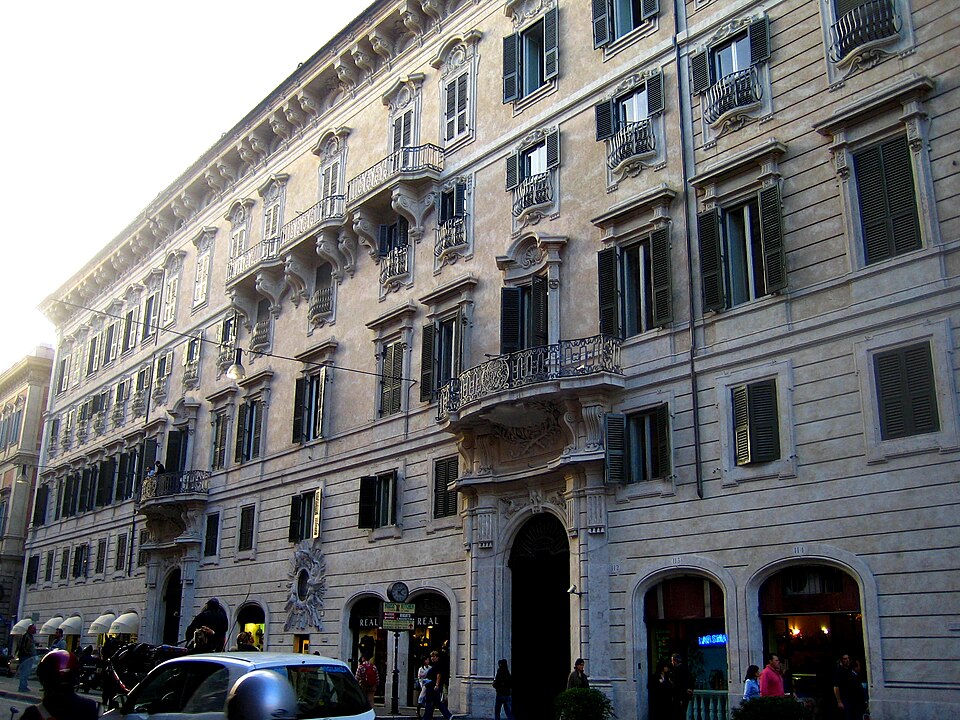
Galleria Doria Pamphilj
- Notable · Heritage site
- Museum
Language · 11 published
Activity · Rome
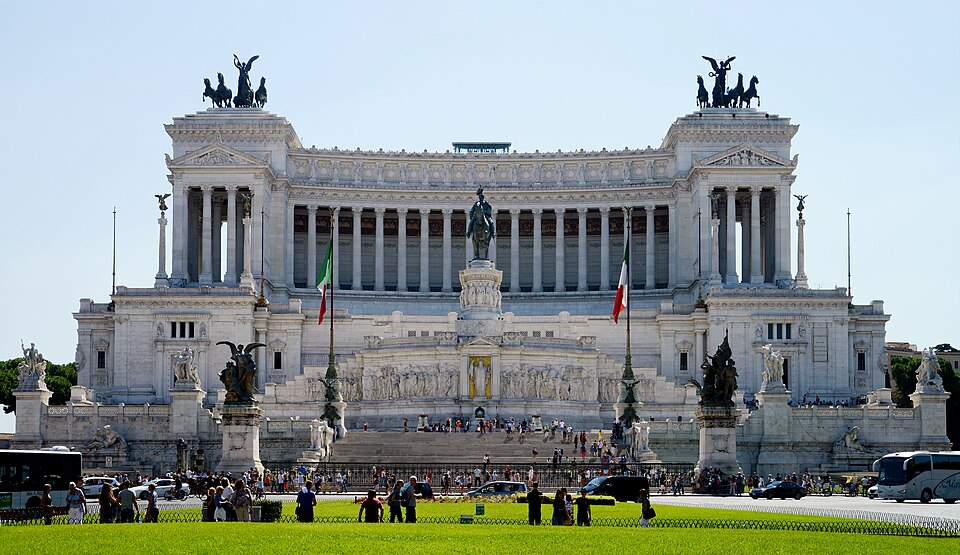
Piazza Venezia is a major central square in Rome, Italy, located at the foot of the Capitoline Hill. The square takes its name from the Palazzo Venezia, a Renaissance palace built for the Venetian cardinal Pietro Barbo, who later became Pope Paul II. The piazza serves as a crucial traffic intersection and a significant historical and ceremonial space in the city. It has long been a focal point for political gatherings, celebrations, and everyday Roman life, reflecting layers of history from antiquity through the twentieth century.
Checked 2026-08-26
The square contains several notable structures. The most prominent is the Monument to Vittorio Emanuele II, also known as the Altare della Patria or Vittoriano, a vast white marble monument completed in the early twentieth century. Palazzo Venezia stands on the square's north side, now a museum. The adjacent Palazzo delle Assicurazioni Generali mirrors its facade. The square also features the Tomb of the Unknown Soldier with its eternal flame, added to the monument in 1921 as a national memorial.
Checked 2026-08-26
Visitors typically spend between thirty minutes and one hour at Piazza Venezia itself, though this varies considerably with individual interest. The square functions primarily as a passageway and viewpoint rather than a destination requiring extended time. Many travellers combine their visit with exploration of the adjacent Monument to Vittorio Emanuele II, which demands additional time for its terraces and museum spaces. The surrounding area, including the Capitoline Hill and Via del Corso, encourages longer itineraries. Casual observation of traffic patterns and architectural details can occupy a brief stop.
Checked 2026-08-26
Piazza Venezia is an open public square accessible at all hours throughout the year. The Monument to Vittorio Emanuele II has specific visiting times that may vary by season and by section, including any museum, terrace, or exhibition spaces within the structure. Operator-confirmed hours are Not recorded pending review. Visitors should consult official sources before planning interior visits. The square experiences heavy tourist presence during summer months and major holidays. Early morning and evening hours offer comparatively calmer conditions for appreciation of the architecture and atmosphere.
Checked 2026-08-26
Access to Piazza Venezia itself is free of charge as a public thoroughfare. Certain portions of the Monument to Vittorio Emanuele II, including panoramic terraces and any museum facilities, may require paid admission. Operator-confirmed prices are Not recorded pending review. Visitors should verify current fee structures through official channels prior to arrival. Any charges for special exhibitions, guided services, or audio equipment would be additional. The Tomb of the Unknown Soldier and the exterior monument remain visible without payment. Piazza Venezia also earns time in a rome itinerary because WIKIDATA_EDITORIAL reconciliation for the ranked entry; identity and coordinates were verified without a nearby fallback. Its value becomes clearer when the stop is compared with the surrounding streets and the other ranked places nearby.
Checked 2026-08-26
Piazza Venezia occupies a highly central position with multiple access routes. Numerous bus lines converge at the square, making it one of Rome's most connected transit points. The area is readily walkable from major ancient sites including the Roman Forum, Colosseum, and Pantheon. The nearest Metro station requires some walking distance. The square's role as a traffic hub means pedestrian navigation demands awareness of surrounding vehicles, including buses and private traffic circulating around the central island. Cycling and scooter traffic also shares the road space.
Checked 2026-08-26
The intense vehicular traffic surrounding and crossing Piazza Venezia presents the primary safety consideration for pedestrians. The multiple lanes and constant bus movement require vigilance when crossing streets or accessing the central monument area. The white marble surfaces of the Vittoriano become extremely slippery in wet conditions. Summer heat radiates strongly from the stone paving and pale monument surfaces. The square offers minimal natural shade. Crowding around the Tomb of the Unknown Soldier and main staircases can restrict movement during peak visitation periods.
Checked 2026-08-26
The Monument to Vittorio Emanuele II provides a dramatic backdrop for photography, though its scale challenges standard lenses. The broad central staircases and colonnades offer symmetrical compositions. Panoramic views from any accessible terraces would capture Rome's skyline toward the Roman Forum and beyond. The contrast between the bright white marble and surrounding ochre and terracotta building tones creates visual interest. Night illumination of the monument produces striking effects. The busy traffic and crowds require patience for unobstructed shots. Drone use would be subject to strict regulatory restrictions in this central zone.
Checked 2026-08-26
No. Piazza Venezia is the square itself, while the Vittoriano is the Monument to Vittorio Emanuele II located within it.
Exterior areas are visible without charge. Interior spaces including terraces may require paid admission; verify current status officially.
The open square remains accessible. Monument interior hours are separate and operator-confirmed times are Not recorded pending review.
The square sits immediately adjacent to the Capitoline Hill with the Forum lying beyond, reachable by short walk.
The square itself offers minimal seating. Visitors should expect to stand or walk during their visit.
The open square presents cobblestone and uneven surfaces in areas. Specific monument accessibility features are Not recorded pending review.
Loading the interactive map…
The interactive map could not be loaded.
Last updated:
Source: OpenStreetMap contributors, Wikidata ·