2 min walk
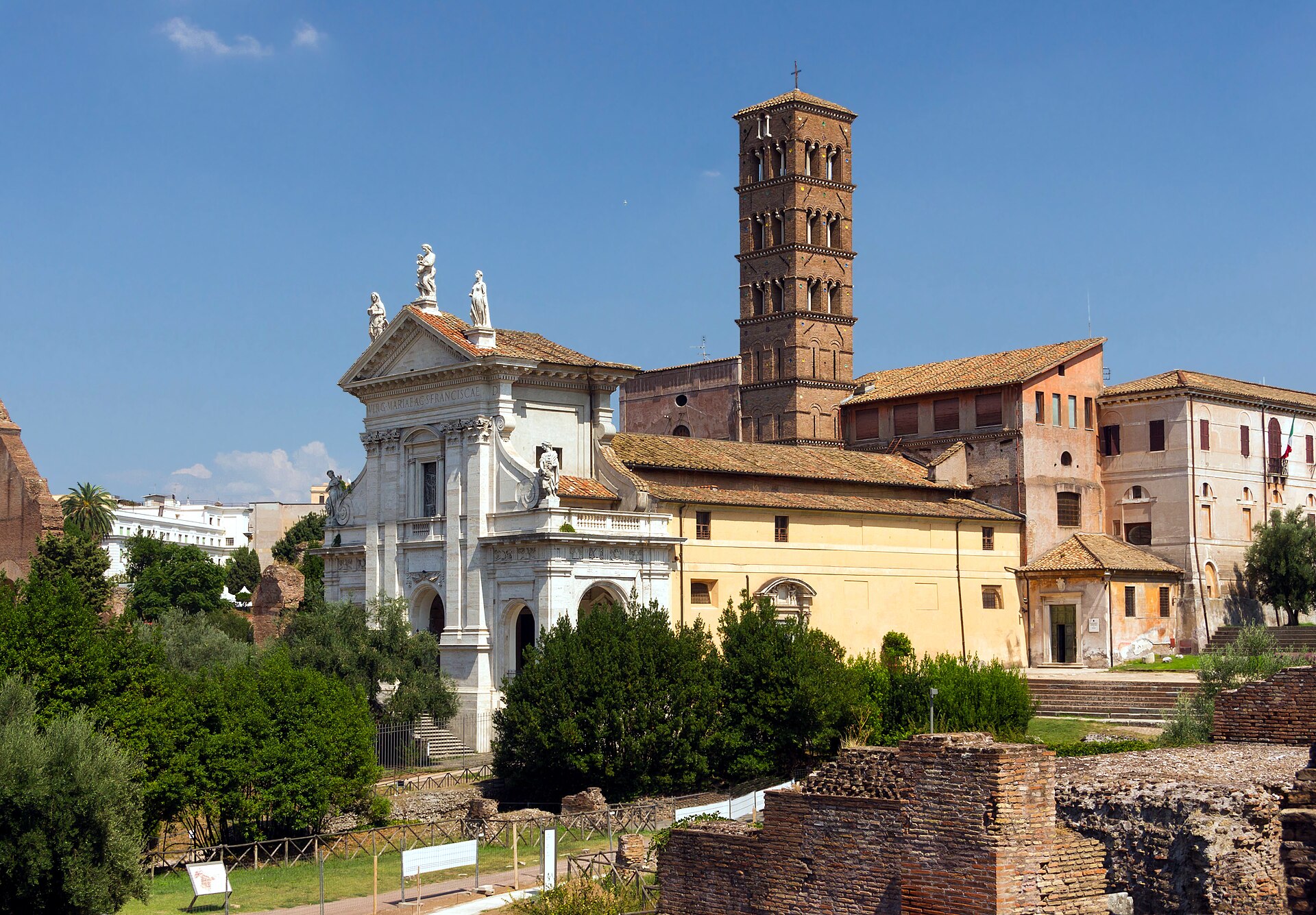
Santa Francesca Romana
- Must see · Heritage site
- Historic monument
Language · 11 published
Activity · Rome
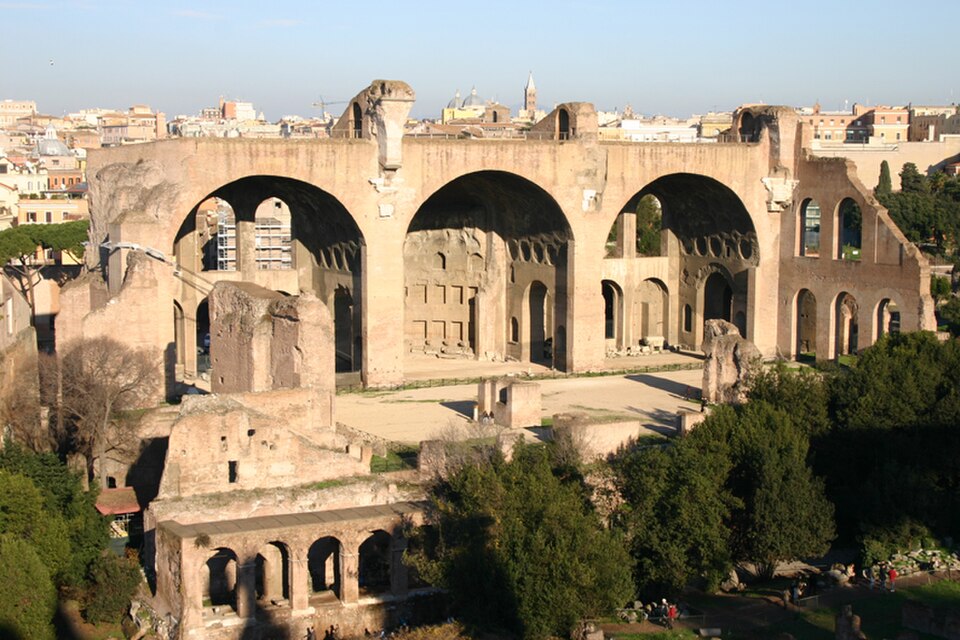
The Imperial Fora constitute a sequence of monumental public squares constructed in Rome across several centuries of antiquity. These fora were commissioned by successive emperors as extensions to the original Roman Forum, serving administrative, religious, and commercial functions. The complex includes the Forum of Caesar, Forum of Augustus, Forum of Nerva, and Forum of Trajan. Today the area forms an extensive archaeological zone situated between the Capitoline Hill and the Colosseum, with substantial ruins visible at street level and below.
Checked 2026-08-26
Visitors encounter remains of temples, basilicas, libraries, and commemorative columns across the multiple forum sites. The Column of Trajan stands prominently with its spiral relief depicting military campaigns. Foundations, pavement fragments, and reconstructed column sections mark the layouts of ancient buildings. Some areas contain later additions and modifications from subsequent eras. Archaeological investigations continue beneath and adjacent to the visible remains. The full extent of subterranean structures has not been completely excavated or made accessible to visitors. Fori Imperiali also earns time in a rome itinerary because WIKIDATA_EDITORIAL reconciliation for the ranked entry; identity and coordinates were verified without a nearby fallback. Its value becomes clearer when the stop is compared with the surrounding streets and the other ranked places nearby.
Checked 2026-08-26

The duration of a visit depends considerably on individual interest in archaeological remains and weather conditions. A superficial walk along the Via dei Fori Imperiali thoroughfare may take under an hour. More engaged examination of visible ruins from perimeter viewpoints and reading interpretive materials extends this substantially. Visitors combining this area with the adjacent Roman Forum and Palatine Hill typically allocate a half-day or longer. No standard guided circuit length is universally applicable to all visitor approaches and pacing preferences.
Checked 2026-08-26

The external areas along Via dei Fori Imperiali remain publicly accessible at street level during all hours, though visibility varies with natural light conditions. Early morning and late afternoon typically offer reduced pedestrian congestion and more favorable illumination for viewing architectural remains. Midday summer periods bring intense heat and limited shade across much of the exposed site. Seasonal variations in daylight hours affect evening viewing possibilities. Visitors should verify any access restrictions for excavated or enclosed portions separately. Check the operator's own site for the travel date before relying on a schedule or fare.
Checked 2026-08-26
The street-level external perimeter of the Imperial Fora requires no admission payment and remains freely accessible as public space. Certain portions of the archaeological zone may fall within ticketed areas administered in conjunction with adjacent sites. Visitors should consult official sources for current information regarding any paid access sections, combined ticketing arrangements, or reservation requirements. Pricing structures for archaeological sites in Rome have undergone modifications in recent years. No concession categories or eligibility criteria are confirmed here. Check the operator's own site for the travel date before relying on a schedule or fare.
Checked 2026-08-26

The Imperial Fora occupy a central location with multiple public transport connections. Metro line B serves Colosseo station at the southern end of the complex. Several bus routes traverse or terminate nearby. The area lies within reasonable walking distance from numerous historic center landmarks including the Capitoline Museums and Piazza Venezia. Pedestrian traffic along Via dei Fori Imperiali remains heavy throughout daylight hours. Cyclists should note restricted circulation zones in surrounding streets. Driving and parking present considerable difficulty in this densely central area.
Checked 2026-08-26

Uneven ancient pavement surfaces and modern cobblestones present trip hazards throughout the area. Minimal shelter exposes visitors to full sun and rain without retreat options. Street-level traffic along the bordering roadway requires awareness at crossings. Crowd density peaks during mid-morning and early afternoon hours. Some viewpoints lack protective barriers at height. Unofficial guides and street vendors operate in surrounding areas. Visitors should secure belongings against opportunistic theft in congested zones. Comfortable footwear with substantial soles proves essential for extended walking on hard irregular surfaces.
Checked 2026-08-26

The open-air ruins permit unrestricted photography from public thoroughfares and accessible viewpoints. Elevated perspectives from the Capitoline Hill terraces and certain adjacent building levels offer comprehensive vistas across the forum complex. Morning light illuminates western-facing remains; afternoon conditions favor eastern sections. Night illumination of some monuments creates alternative photographic conditions, though artificial lighting coverage is incomplete across the entire zone. Tripod use in heavily trafficked pedestrian areas may attract scrutiny. Drone operation requires appropriate authorization and is prohibited without specific permits in this central archaeological zone.
Checked 2026-08-26
Much of the Imperial Fora remains visible only from street level and surrounding viewpoints. Some portions may be entered through specific access points with appropriate tickets, though the extent of walkable interior areas varies. Visitors should verify current accessible zones through official sources.
The Imperial Fora are distinct from and adjacent to the earlier Roman Forum. They comprise separate later complexes built by individual emperors. The two areas are sometimes administered together but represent different phases and functions of ancient Roman public architecture.
Various commercial tour operators include the Imperial Fora in their Rome itineraries. Official on-site guided services are Not recorded pending review. Visitors may engage licensed guides or utilize published materials and mobile applications for self-directed interpretation.
The street-level perimeter along paved thoroughfares presents fewer obstacles than interior archaeological zones. Uneven ancient surfaces within excavated areas may restrict access. Specific accommodation provisions are Not recorded pending review. Visitors should consult official accessibility statements.
Sun protection and water prove essential given minimal shade and limited refreshment vendors directly on site. Comfortable walking shoes with substantial soles accommodate hard uneven surfaces. Weather-appropriate clothing should account for exposed conditions without shelter options.
Public restrooms, seating, and refreshment options are limited immediately adjacent to the forum remains. The surrounding historic center contains numerous commercial establishments at varying distances. Visitors should anticipate needs before arriving at the archaeological zone itself.
Loading the interactive map…
The interactive map could not be loaded.
Last updated:
Source: OpenStreetMap contributors, Wikidata ·


.jpg)


