2 min walk
Palatine Hill
- Must see
- Historic monument
Language · 11 published
Historic monument · Rome
Palatino
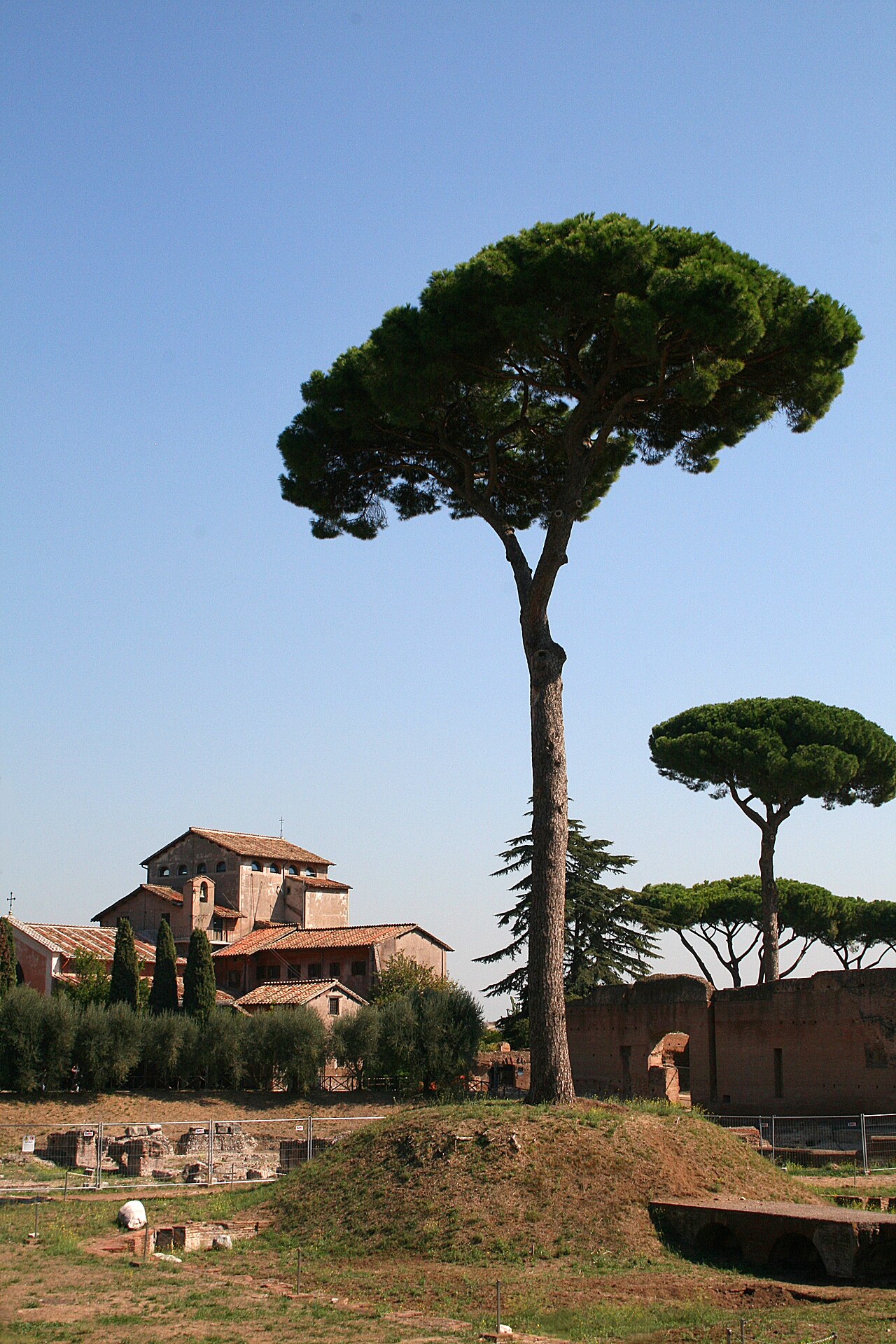
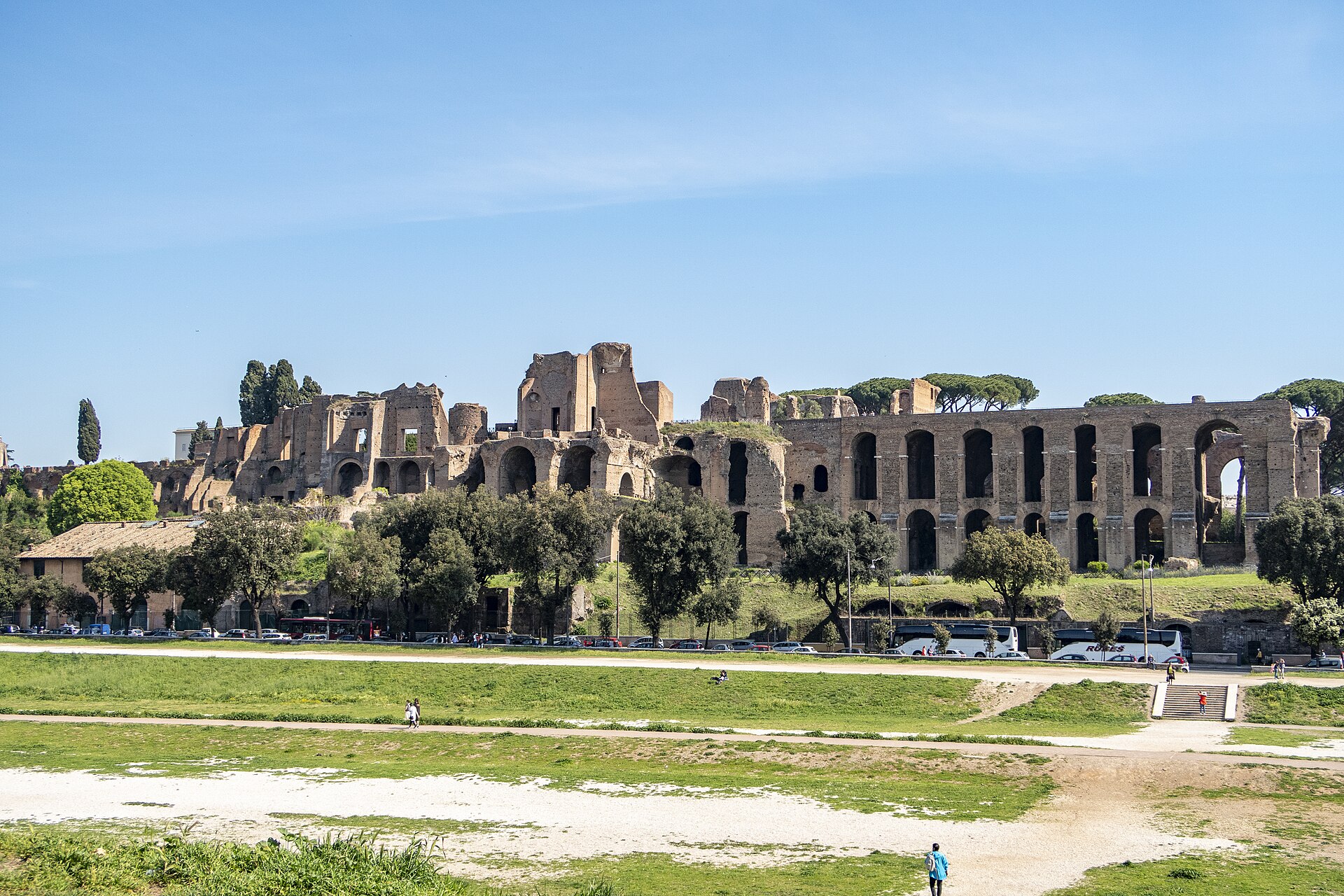
Palatino is one of Rome's seven hills and the centremost of the famous trio that includes Capitoline and Aventine. Archaeological evidence indicates human settlement here dating to approximately the tenth century BCE. Roman mythology identifies this hill as the location where Romulus founded the city, making it central to Rome's foundational narrative. The site contains extensive archaeological remains spanning multiple historical periods. Visitors explore open-air ruins rather than a conventional museum experience. Palatino also earns time in a rome itinerary because Exact unique production name match within the declared city scope. Its value becomes clearer when the stop is compared with the surrounding streets and the other ranked places nearby.
Checked 2026-08-26
The archaeological zone encompasses imperial palace complexes, residential foundations, temple remnants, and garden terraces. Notable structures include the Domus Augusti, Domus Flavia, and the Stadium of Domitian. Substantial portions of the palaces of Augustus, Tiberius, and Septimius Severus are accessible. The Farnese Gardens occupy part of the hill. Excavations continue, with some areas periodically closed for archaeological work. Interpretive signage varies across the site. The adjacent Palatine Museum houses finds from ongoing excavations, though specific collection details are not recorded.
Checked 2026-08-26
Visitors typically allocate between ninety minutes and three hours for exploration, depending on interest depth and physical stamina. The terrain involves uneven surfaces, inclines, and exposed conditions without substantial shade over much of the area. Those with mobility limitations should assess conditions carefully. The combined ticket with the adjacent Roman Forum and Colosseum encourages extended visitation. Comprehensive examination of all accessible sectors demands significant walking. Water, sun protection, and appropriate footwear are essential practical considerations for comfort and safety. A flexible visit lets travellers connect Palatino with the rest of the day without treating one room, viewpoint or photograph as the whole experience. The useful pace depends on personal interest and conditions on arrival.
Checked 2026-08-26

The site operates as an outdoor archaeological zone with seasonal variation typical of Italian state-run cultural properties. Summer months bring intense heat and limited shade, creating potentially uncomfortable conditions. Morning visits generally offer cooler temperatures and reduced crowding. Rain transforms unpaved areas muddy and slippery. Winter provides milder temperatures by northern European standards but shorter daylight hours. Visitors should verify current schedules through official channels before planning, as archaeological sites frequently adjust access for maintenance or preservation needs. Check the operator's own site for the travel date before relying on a schedule or fare.
Checked 2026-08-26
Palatino shares integrated ticketing with the Roman Forum and Colosseum, constituting a single archaeological circuit. Various concession categories typically apply at Italian state sites, though specific eligibility requires verification. Advance reservation systems may operate during peak demand periods. Combined entry represents substantial value for visitors intending to see all three connected sites. Free entry days occur periodically under Italian cultural policy, but precise schedules are not recorded. Verification through official purchasing channels is essential before visitation. Check the operator's own site for the travel date before relying on a schedule or fare.
Checked 2026-08-26
The site sits between the Colosseum and Circus Maximus in central Rome. Metro line B serves Colosseo station nearby. Multiple bus routes traverse surrounding streets. The archaeological entrance on Via di San Gregorio provides primary pedestrian access. Signage from major surrounding monuments directs foot traffic. The Forum-Palatine connection allows internal passage between these linked sites. Central location permits walking access from numerous accommodations and attractions. Traffic restrictions in the historic centre affect private vehicle approaches. Bicycle and scooter rentals exist in surrounding areas for broader city exploration.
Checked 2026-08-26

Uneven ancient paving, exposed foundations, and irregular steps present trip hazards throughout. Minimal railings protect some elevated edges. Summer heat exhaustion risk is significant given limited shelter and water sources within the site boundaries. Free-roaming cats inhabit ruins; maintain respectful distance. Pickpockets operate in surrounding high-tourist zones. Some sectors close without advance notice for archaeological activity or safety assessments. After rainfall, stone surfaces become treacherously slick. The site lacks comprehensive modern amenities; facilities cluster at entrances. Children require close supervision near unprotected archaeological features.
Checked 2026-08-26
Personal photography for non-commercial purposes is generally permitted across open-air ruins. Tripod and professional equipment use may trigger restrictions requiring advance authorization. Interior museum spaces typically prohibit flash photography to protect light-sensitive materials. Drone operation is forbidden throughout this controlled archaeological zone. Best lighting for exterior photography occurs during early morning and late afternoon golden hours, when raking light emphasises texture in ancient masonry. Midday sun flattens detail and creates harsh shadows. The elevated position offers distinctive framing opportunities with the Forum, Circus Maximus, and contemporary Roman skyline as backgrounds.
Checked 2026-08-26
No. Palatino and the Roman Forum are adjacent but distinct archaeological zones, though they share integrated access ticketing.
The shared ticket includes multiple sites, but visitors are not compelled to visit all in one day. Check current validity periods.
Official guided services and independent licensed guides operate in the area. Specific arrangements require direct inquiry with site authorities.
Terrain presents significant challenges. Some paths may be navigable but comprehensive access is restricted by ancient topography and preservation requirements.
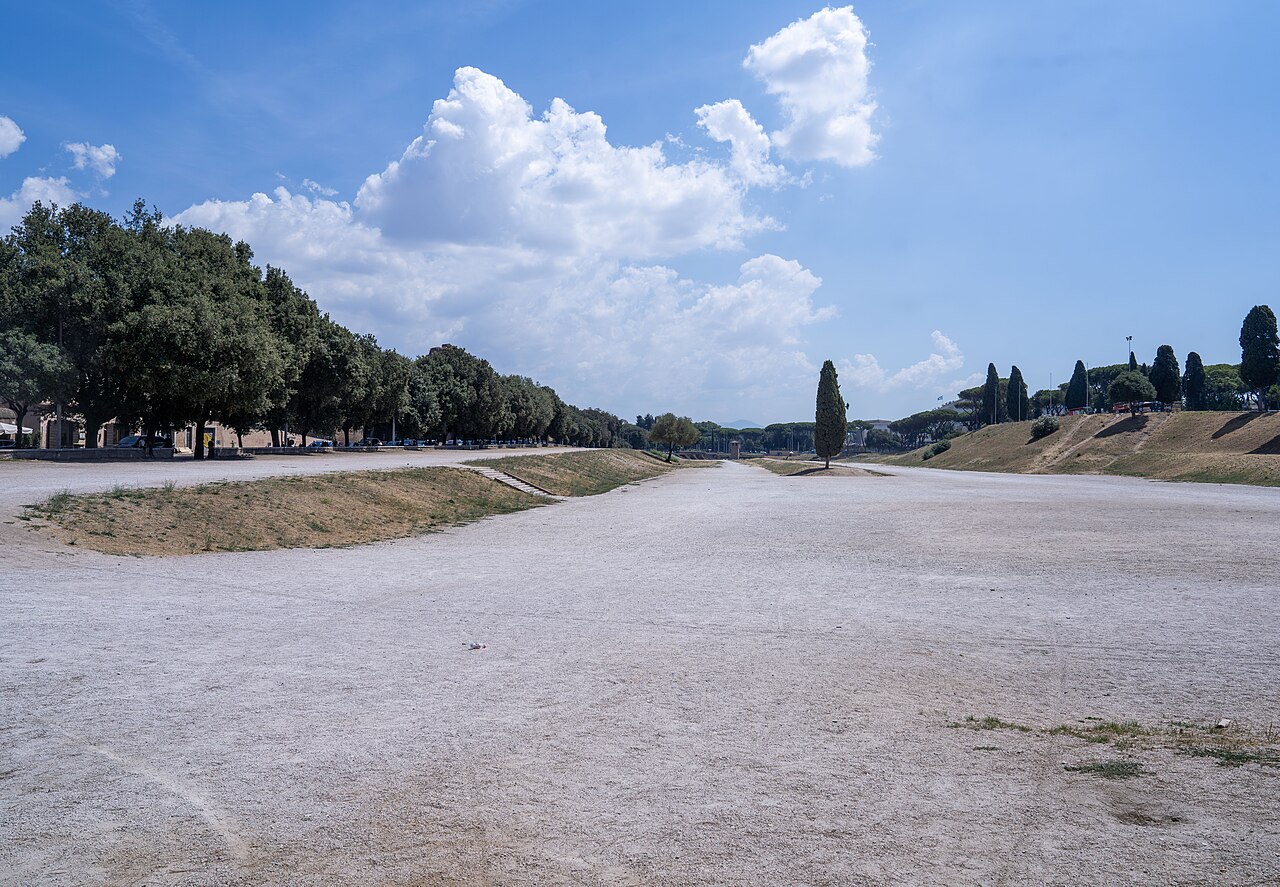
The adjacent Forum and nearby Colosseum form a logical itinerary. The Circus Maximus lies immediately south, though visible remains are limited.
No food service operates within the archaeological zone. The surrounding neighbourhood contains numerous dining options.
Loading the interactive map…
The interactive map could not be loaded.
Last updated:
Source: OpenStreetMap contributors ·
.JPG)
.jpg)
.jpg)