Smart Self-Managed Tours

City guide · Italy

Rome

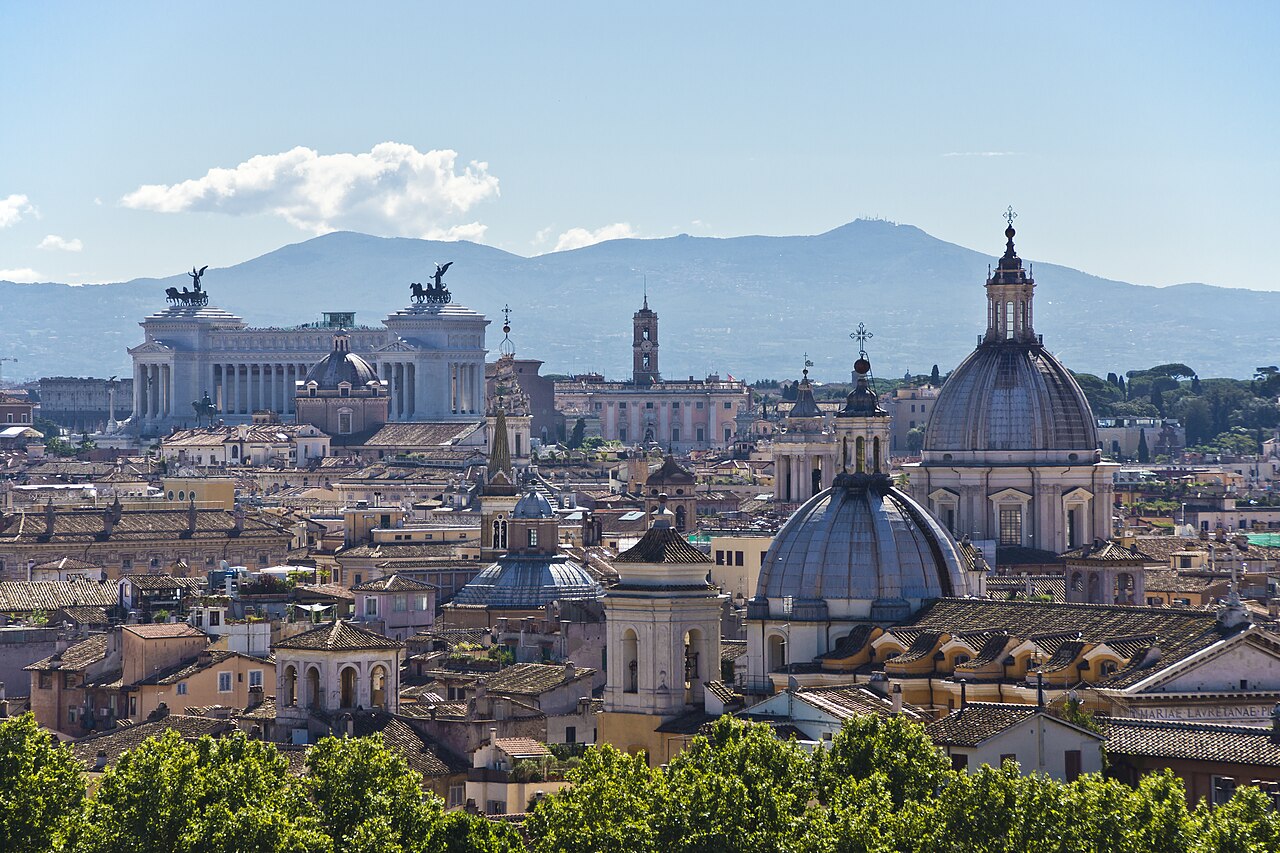
A photograph of Rome
Photograph · Bert Kaufmann from Roermond, Netherlands · CC BY-SA 2.0

Rome's comune covers 1,287.36 km² and held 2,746,984 people in 2025, with 4,223,885 across the metropolitan city, but the Rome a first-time visitor walks is a fraction of that. The historic centre in the central-western Italian peninsula has been a UNESCO World Heritage Site since 1980, and Vatican City — the smallest country in the world — lies inside Rome's own boundaries, so a single morning crosses an international border without anyone stopping to notice. Plan around that dense core rather than around the map of the comune, and the city stops being the exhausting thing it is reputed to be.

Practical information

Not recorded No country-level practical facts — language, currency, emergency number, plug type — are ingested yet. This section will populate once that data source is added.

Planning a visit

  1. January: seasonal closure recorded
  2. February: no seasonality data recorded
  3. March: no seasonality data recorded
  4. April: no seasonality data recorded
  5. May: seasonal closure recorded
  6. June: seasonal closure recorded
  7. July: seasonal closure recorded
  8. August: seasonal closure recorded — this month
  9. September: seasonal closure recorded
  10. October: seasonal closure recorded
  11. November: no seasonality data recorded
  12. December: no seasonality data recorded

Top things to see

Ranked by importance — sitelinks, pageviews and heritage status, not editor preference.

  1. Roman Forum
    02 1 hr 30 min

    Roman Forum

    The Roman Forum is the excavated floor of the valley between the Capitoline and Palatine hills, and it was the centre of Roman public life for more than a thousand years.

    • Must see
    • Historic monument
  2. Palatine Hill
    03 2 hours

    Palatine Hill

    The Palatine is the hill in the middle of the seven, rising between the Roman Forum on its north side and the Circus Maximus on its south, and it is the place Rome kept returning to.

    • Must see
    • Historic monument
  3. Trevi Fountain
    04 30 min

    Trevi Fountain

    The Trevi Fountain is the terminal display, the mostra, of the Acqua Vergine — the aqueduct brought into Rome in 19 BC and the only one of the ancient aqueducts that has run without interruption to the present day.

    • Must see
    • Historic monument
  4. Castel Sant'Angelo
    05 2 hours

    Castel Sant'Angelo

    Castel Sant'Angelo is a single drum of brick and travertine on the right bank of the Tiber, and it has been four different buildings without ever being rebuilt.

    • Must see
    • Historic monument
  5. Piazza Navona
    06 45 min

    Piazza Navona

    Piazza Navona is a long oval-ended square in the historic centre of Rome, and its shape is not a design decision of the Baroque period but the footprint of a Roman building.

    • Must see
    • Historic monument
  6. Spanish Steps
    07 30 min

    Spanish Steps

    The Spanish Steps are the staircase that carries Piazza di Spagna up the slope of the Pincio hill to the church of Santissima Trinità dei Monti standing above it.

    • Must see
    • Historic monument
  7. Accademia
    10 45 min

    Accademia

    • Notable
    • Historic monument

Source: OpenStreetMap contributors, Wikidata ·

How the city is laid out

Not recorded No editorial orientation text has been written for this city yet. It will appear here once the city guide is reviewed.

Getting around

Not recorded No transit lines, fares or ticket types are ingested yet. This section will populate once a public-transport data source is added.

Turn this list into a plan

Set your days, your pace and the hours you actually want to be out. The planner works around closing days and travel time, and leaves room to eat.

Plan Rome