


4 min walk
Palatino
- Must see
- Historic monument
Language · 1 published
Historic monument · Rome
Circo Massimo
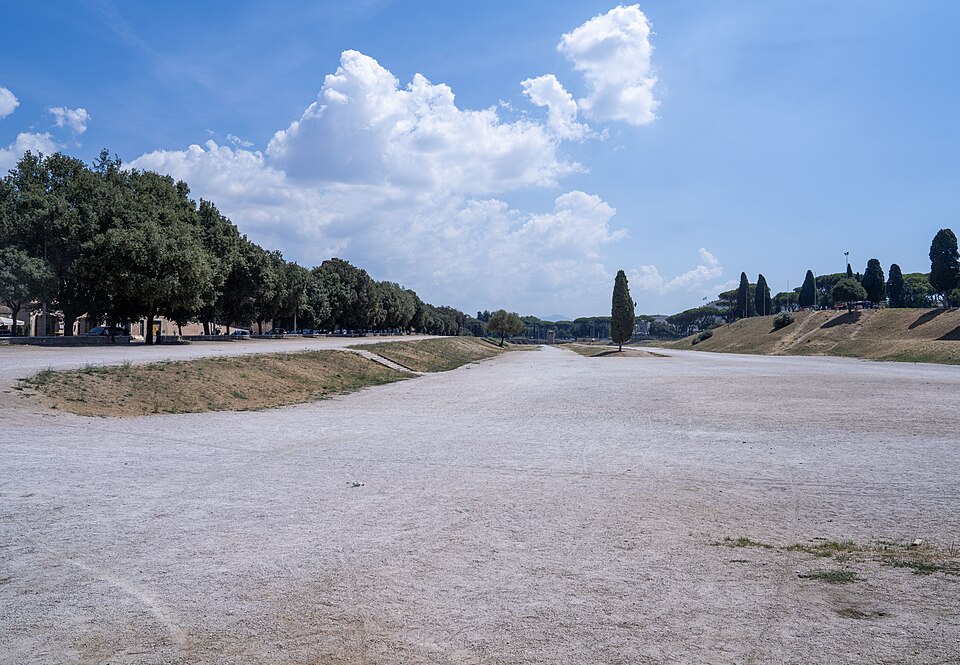
Circus Maximus, known locally as Circo Massimo, is an ancient Roman chariot racing stadium and mass entertainment venue situated in the valley between the Aventine and Palatine hills in Rome. It was the first and largest stadium in ancient Rome and its later Empire, measuring approximately 621 meters in length and 118 meters in width. The site could accommodate an estimated 150,000 spectators. Today it exists primarily as a public park and archaeological area, with visible traces of its original structure including the track outline and some reconstructed seating sections.
Checked 2026-08-26
The Circus Maximus today presents mainly as an open grassy expanse with the elongated oval shape of the original racetrack still clearly discernible. Visible remains include the spina, the central barrier around which chariots raced, partially reconstructed seating areas on the eastern side, and archaeological foundations. The site contains scattered ruins and architectural fragments. No substantial superstructure survives from antiquity. Modern visitors encounter a public space with walking paths, limited informational signage, and occasional temporary installations or events. The surrounding area includes embankments where tiered seating once rose.
Checked 2026-08-26
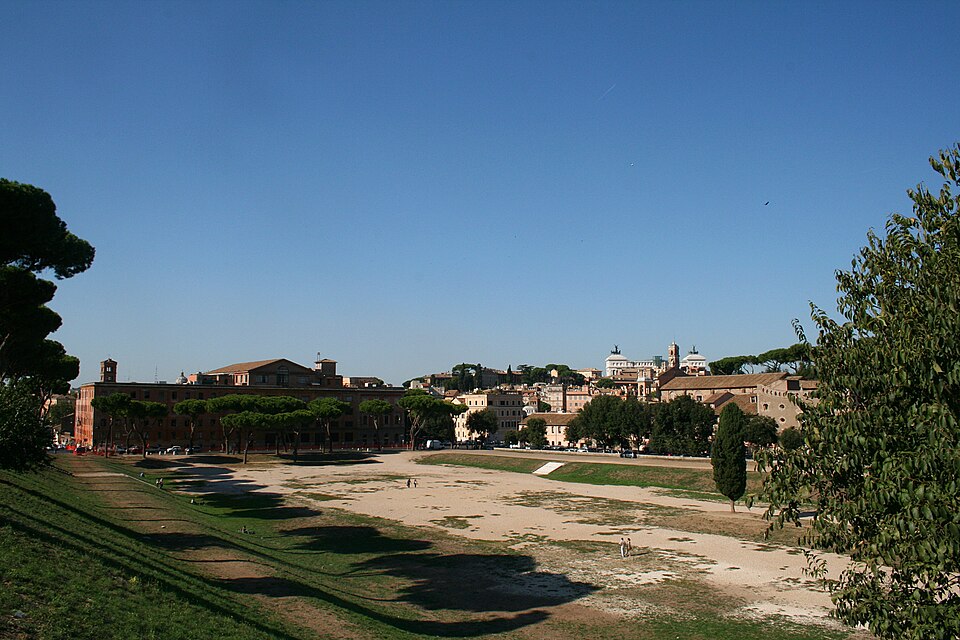
A typical visit to Circus Maximus requires between thirty minutes and one hour for casual observation of the site and its visible archaeological features. Visitors interested in Roman history may spend additional time examining the layout and contemplating the scale of ancient operations. The open nature of the space permits flexible duration without structured routing. Those combining this site with the adjacent Palatine Hill and Roman Forum should allocate extended time accordingly. No guided tours or interpretive programs are permanently stationed at this location, though external walking tours of Rome frequently include the Circus Maximus in their itineraries.
Checked 2026-08-26
Circus Maximus operates as a public park with generally open access during daylight hours. Specific seasonal variations in accessibility may occur. Operator-confirmed hours are Not recorded pending review. The open terrain offers minimal shade, suggesting consideration of sun exposure and temperature when planning visits. Summer midday conditions in Rome can prove strenuous. Spring and autumn typically provide more temperate conditions for extended outdoor exploration. Evening visits offer atmospheric views of the surrounding hills and distant monuments, though lighting conditions vary and personal safety considerations apply after dark in any urban public space.
Checked 2026-08-26
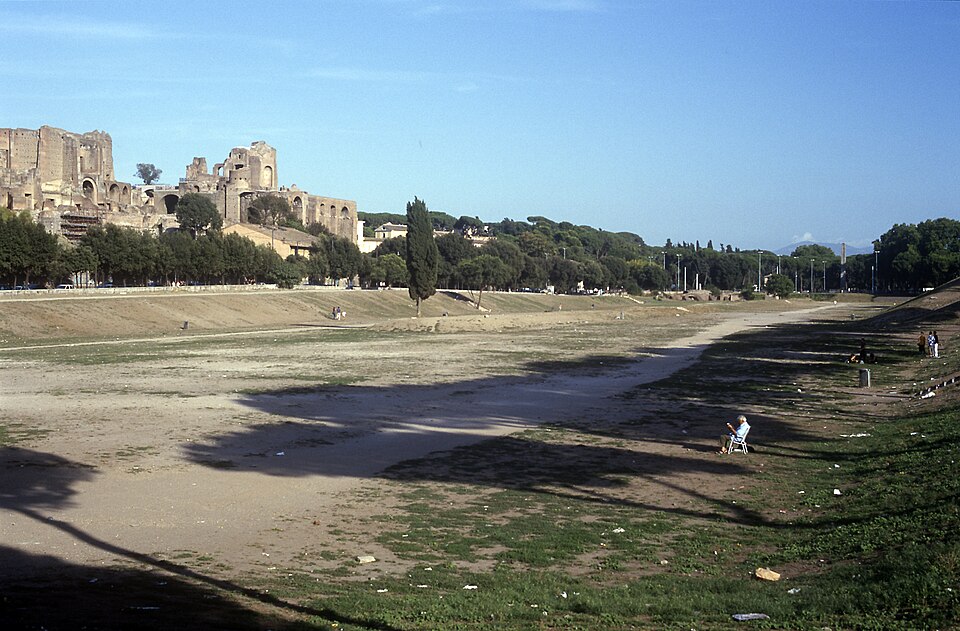
Access to Circus Maximus as a public park is generally free of charge. No ticketed entry system operates for standard daytime visitation. Special events, concerts, or temporary exhibitions occasionally staged within the site may impose separate admission requirements. Operator-confirmed prices are Not recorded pending review. Visitors should verify current conditions before travel. The adjacent archaeological sites of the Roman Forum and Palatine Hill require paid admission, with combined ticketing options available through official cultural heritage channels. Circus Maximus itself functions independently of these arrangements.
Checked 2026-08-26
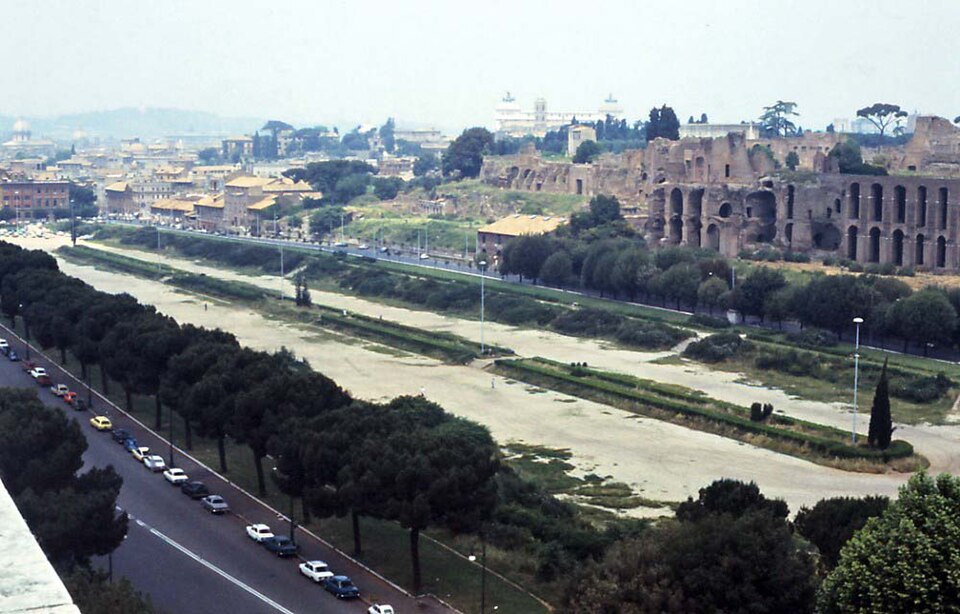
Circus Maximus sits centrally in Rome with multiple access options. The Circo Massimo metro station on Line B serves the site directly. Bus routes traverse the surrounding area. Walking connections from the Colosseum, Roman Forum, and Palatine Hill are feasible for able visitors. The Tiber River lies nearby to the west. Bicycle and scooter rentals operate in Rome for independent transport. Driving presents difficulties due to restricted traffic zones in central Rome and limited parking availability. Visitors should consult current public transport schedules as route frequencies and service patterns undergo periodic modification.
Checked 2026-08-26
The Circus Maximus terrain is predominantly uneven grass and dirt with exposed archaeological elements presenting tripping hazards. Weather conditions significantly affect surface quality, with mud and standing water possible after rainfall. Minimal shelter exists against sun or precipitation. Visitor facilities such as restrooms and drinking water are not permanently available on site. The surrounding urban environment requires standard awareness of personal belongings. Nighttime illumination is limited. Temporary event installations may alter normal access patterns or create additional hazards. Appropriate footwear and weather-appropriate clothing are strongly advised for this exposed archaeological environment.
Checked 2026-08-26
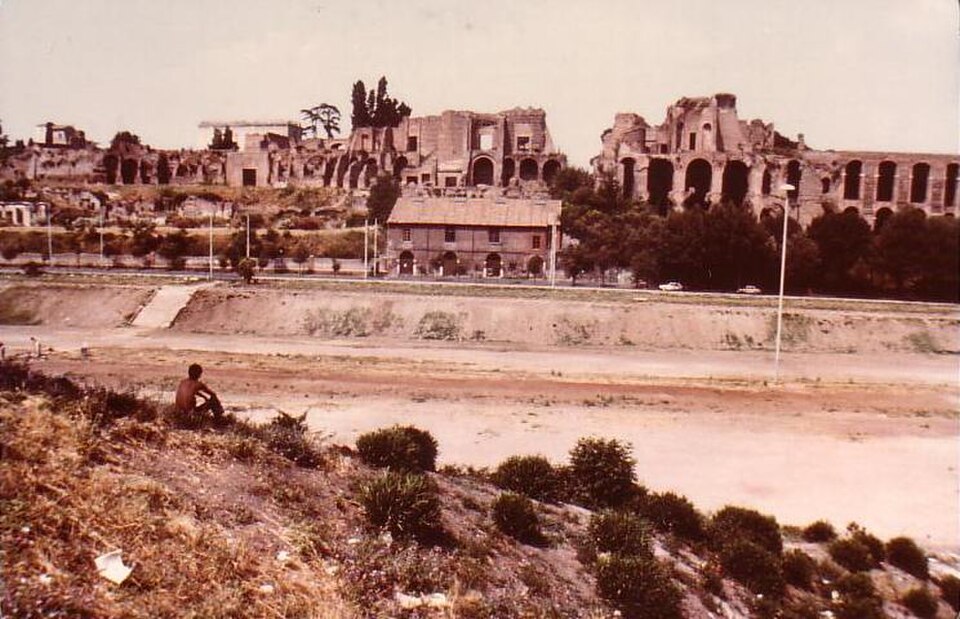
Photography at Circus Maximus faces no general restrictions for personal, non-commercial use. The expansive open space permits wide-angle captures of the stadium outline against the Palatine Hill backdrop. Early morning and late afternoon light conditions typically produce favorable atmospheric results. The unobstructed horizon enables sunset photography with monument silhouettes. Drone operation falls under Italian aviation regulations and municipal restrictions, requiring appropriate authorization. Commercial or professional photography may require permits from relevant authorities. Tripod use in crowded conditions warrants consideration of other visitors. Night photography possibilities depend on available ambient lighting from surrounding infrastructure.
Checked 2026-08-26
No. Circus Maximus was a chariot racing stadium, while the Colosseum was an amphitheater for gladiatorial combat and animal shows. They served different purposes and have different surviving structures.
Circus Maximus is an open public park without enclosed structures or formal entry points. Visitors walk across the archaeological site freely without ticketed admission to an interior space.
No chariot races occur at Circus Maximus. The site functions as a public park and occasional event venue, with no regular historical reenactments of ancient racing activities.
Very little original structure survives above foundation level. The site now appears as a grassy basin where stone seating tiers, columns, and architectural elements once stood prominently.
Circus Maximus operates independently with free public access. The paid ticket for the Roman Forum and Palatine Hill does not cover or include Circus Maximus.
Occasional concerts, cultural events, and temporary installations occur at Circus Maximus. No permanent scheduled programming operates. Specific event listings require consultation of current municipal or promotional sources.
Loading the interactive map…
The interactive map could not be loaded.
Last updated:
Source: OpenStreetMap contributors, Wikidata ·