
7 min walk
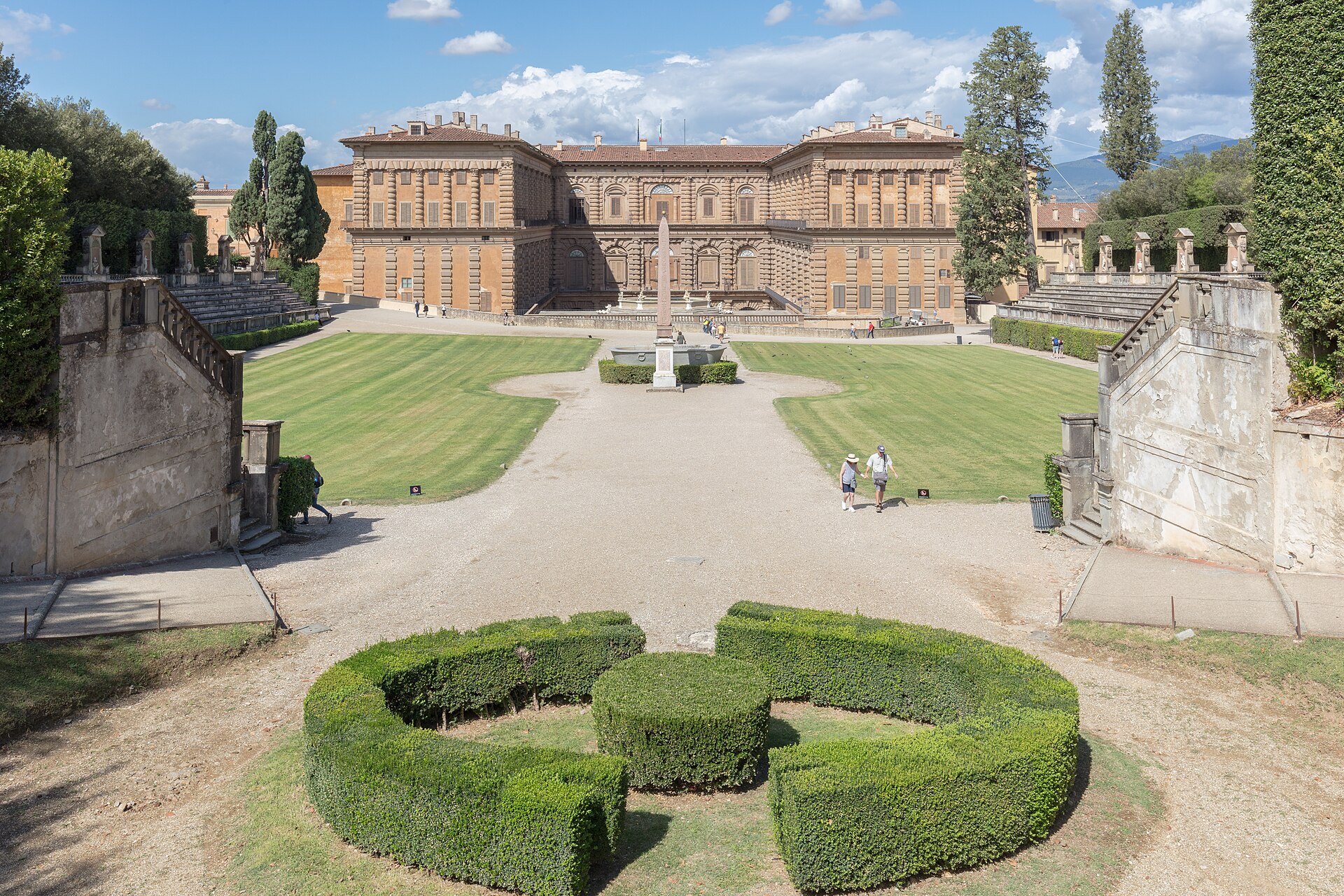
Boboli Gardens
- Must see
- Historic monument
Language · 11 published
Museum · Florence
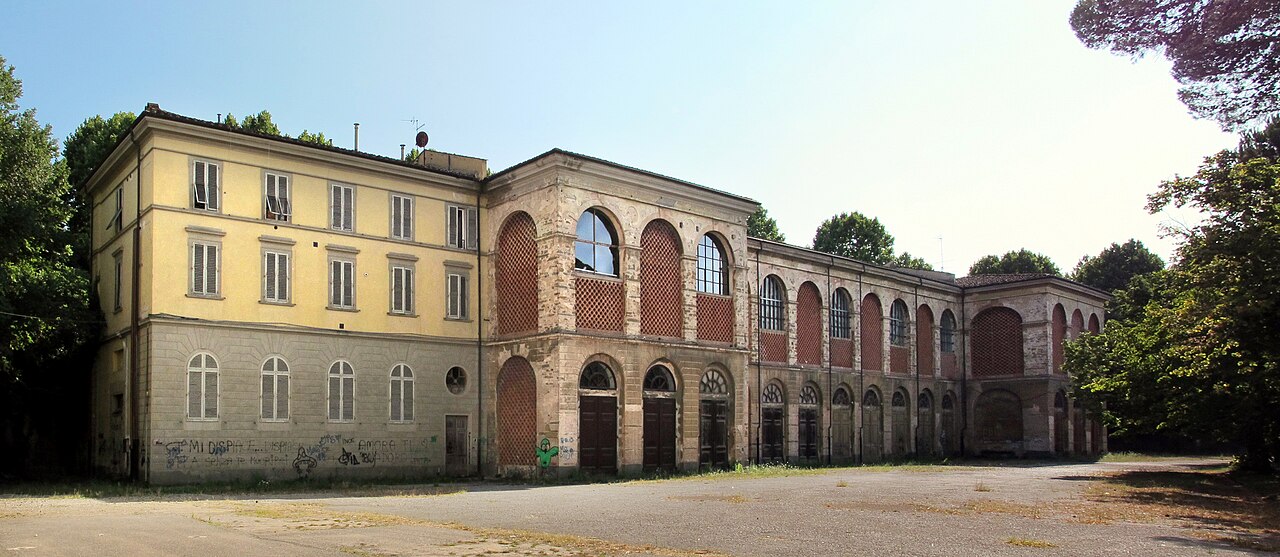
Giardino delle Scuderie Reali e Edificio delle Pagliere is a Florence heritage site combining a garden with buildings linked by name to royal stables and straw-storage functions. The Italian terms explain the place’s character: scuderie refers to stables, while pagliere refers to spaces associated with straw. It offers a glimpse of the practical infrastructure that supported courtly life. Travelers interested in architecture, gardens, and the working spaces behind grand residences can use this stop to look beyond Florence’s famous ceremonial monuments. Giardino delle Scuderie Reali e Edificio delle Pagliere is a historic garden complex with associated buildings in Florence, Tuscany. The site connects to the city's royal stables heritage, with scuderie meaning stables and pagliere referring to straw-storage structures. Visitors must verify current schedules before visiting. Admission may be free or charged; confirm on site or through official channels.
Checked 2026-08-26 · Source
The place brings together garden grounds and the Edificio delle Pagliere building. Its identity rests on the contrast between designed landscape and utilitarian architecture: a garden gives the site an outward, open quality, while the pagliere name recalls the storage needs of an equestrian complex. The supplied record does not establish a room-by-room interior inventory or a fixed display collection. Look for the relationship between paths, façades, and the practical history suggested by the names rather than expecting a large museum collection.
Checked 2026-08-26 · Source
Allow roughly thirty minutes to one hour for a concise look at the garden and building relationship. Architecture enthusiasts may stay longer to study materials, proportions, entrances, and the way the site fits into Florence’s urban fabric. Because the attraction is compact in concept, it works well between larger museums or monuments. If you are already exploring nearby central sights, use it as a short heritage pause. Give yourself more time only when the surrounding area and the site’s historical functions are central to your day.
Checked 2026-08-26 · Source
Spring and autumn are comfortable seasons for enjoying the garden and walking through Florence. Summer is better earlier or later in the day, when outdoor heat is less tiring. Winter can suit travelers who prefer quieter streets, although a garden-based stop may feel shorter in cold or wet weather. Place the site within a flexible walking itinerary, since its value comes from combining green space with historic structures. Morning light is useful for reading façades and garden edges, while softer late-afternoon light can add depth to architectural details.
Checked 2026-08-26 · Source
The supplied place record does not establish an admission amount, free-entry arrangement, discount category, combined ticket, or reservation requirement for this garden and building complex. Keep the visit flexible within your Florence route and avoid assigning it a fixed cost in your travel budget. Its heritage interest comes from the connection between royal-stable infrastructure, the Pagliere building, and the garden setting. That makes it a useful complementary stop alongside better-known cultural attractions in the city.
Checked 2026-08-26 · Source
The site is in Florence’s compact urban area and can be incorporated into a walking route linking central landmarks. Use a map for the final approach because the supplied record does not identify a dependable street entrance, nearest transit stop, parking facility, or route number. Florence’s historic center is shaped by pedestrian streets and restricted vehicle areas, so walking or a combination of transport and walking is practical for many itineraries. Allow orientation time when moving between major monuments and this less prominent heritage site.
Checked 2026-08-26 · Source
Historic garden surfaces can be uneven, and open areas may offer limited shade during Florence’s hot months. The supplied record does not establish toilets, drinking water, staffing, or visitor facilities at the site, so make comfort stops elsewhere in your route. Conservation work can alter how façades or paths are seen. Stay attentive around active urban areas and respect any boundaries connected with the buildings. The attraction is best understood as a compact heritage setting, not as a full-service museum complex with extensive visitor amenities.
Checked 2026-08-26 · Source
Photograph the garden’s lines, the Pagliere building’s façade, and the contrast between practical structures and planted space. The supplied record does not establish a specific camera policy, so follow signs and any instructions at the site. A tripod can obstruct a narrow path or disturb other visitors; keep equipment compact. Morning and late-afternoon light can emphasize texture and perspective. Treat the complex as a connected composition, including paths, walls, entrances, and architectural details rather than recording only one isolated building view.
Checked 2026-08-26 · Source
It refers to a garden and building complex whose name connects the site with royal stables and straw-storage functions.
The main elements are the garden grounds and the Edificio delle Pagliere building.
Allow approximately thirty minutes to one hour for a concise visit, with extra time for close architectural study.
The names connect it with the practical infrastructure of courtly equestrian life, including stables and straw storage.
Look at how the garden and utilitarian building work together, and notice façades, paths, entrances, and the site’s urban setting.
Yes. Its urban location makes it suitable as a short heritage pause between larger Florence landmarks, with map-based navigation for the final approach.
Loading the interactive map…
The interactive map could not be loaded.
Last updated:
Source: OpenStreetMap contributors, Wikidata ·