



5 min walk
Little Schnitt
- Notable
- Nightlife venue
Language · 11 published
Activity · Tel Aviv
שרונה

Sarona is a restored historical site in central Tel Aviv-Yafo, Israel, centred on a former Templar colony established by German Protestant settlers in the nineteenth century. The area has been transformed into a mixed-use destination combining heritage preservation with contemporary functions. Its core identity rests on the conservation of original Templar-era architecture, including residential and agricultural buildings, within an urban park and commercial setting. The site operates as a publicly accessible space integrating dining, retail, and cultural elements. Sarona represents an unusual instance of colonial-era European settlement architecture preserved within a major Middle Eastern city, offering visitors a distinct historical layer amid Tel Aviv's modern fabric.
Checked 2026-08-26
The site contains restored Templar buildings that now house restaurants, cafés, and shops. A covered market hall offers food vendors and specialty goods. Landscaped gardens and open plazas provide pedestrian circulation and gathering space. The preserved structures retain characteristic architectural features of the original colony, including pitched roofs, gabled facades, and building proportions distinct from surrounding modern construction. Interpretive elements relating to Templar history are present, though specific exhibition details are not recorded. The integration of commercial tenants within heritage structures creates a hybrid environment where historical fabric and contemporary use coexist. The overall composition emphasises walkability and outdoor leisure within a compact footprint.
Checked 2026-08-26

Visitors typically allocate between ninety minutes and half a day depending on interest in dining, shopping, and architectural observation. A brief circuit of the preserved structures and open spaces requires approximately one hour. Those intending to eat at one of the restaurants or explore the market in detail should extend this estimate. The site's compact dimensions permit efficient coverage, though the appeal of outdoor seating and people-watching encourages lingering. Evening visits extend naturally if dining is included. No mandatory guided itinerary exists; self-directed pacing prevails. The flexible nature of the space accommodates both purposeful visits and incidental stops during broader exploration of central Tel Aviv-Yafo.
Checked 2026-08-26

Visitors should verify current opening times independently before travel. The outdoor character of Sarona suggests daytime and evening visits are both feasible, with midday periods potentially uncomfortable during summer months given Tel Aviv's Mediterranean climate. Evening atmosphere benefits from lighting on heritage structures and active restaurant scenes. Weekend visitation patterns in Israel differ from Western norms due to Friday-Saturday Sabbath observance affecting transport and some business hours; this may influence crowd composition and operational status of individual tenants. Seasonal considerations include hot, humid summers and mild, wet winters typical of the coastal plain. Check the operator's own site for the travel date before relying on a schedule or fare.
Checked 2026-08-26
Access to the open public spaces of Sarona appears to be free of charge, consistent with its function as an urban park and pedestrian destination. Individual restaurants, cafés, and market vendors set their own prices; no central admission mechanism governs entry to the site as a whole. Visitors should anticipate standard Tel Aviv pricing for food and beverage purchases, which trends toward the higher end of Israeli national averages. No information is recorded regarding guided tour fees, special event pricing, or premium access arrangements. Budgeting should treat the destination as a commercial rather than institutional cultural site. Check the operator's own site for the travel date before relying on a schedule or fare.
Checked 2026-08-26

Sarona occupies a central location in Tel Aviv-Yafo, approximately bounded by Kaplan Street, Begin Road, and the Ayalon Highway corridor. Multiple bus lines serve adjacent streets. The HaShalom railway station on the national Israel Railways network lies within walking distance, as does the HaShalom station on the Tel Aviv light rail Red Line. Private vehicle access is complicated by central Tel Aviv traffic congestion and limited parking; paid parking structures exist nearby. Bicycle and electric scooter sharing systems operate in the area. Pedestrian access from surrounding neighbourhoods including the city centre is straightforward. Specific route planning should use current mapping services due to ongoing infrastructure changes.
Checked 2026-08-26

The integration of active vehicle access with pedestrian zones requires awareness of traffic patterns, particularly on perimeter roads. Outdoor dining areas attract smokers; Israel's smoking regulations permit designated outdoor smoking. The site's popularity generates crowds during peak leisure periods, affecting movement and queue times at popular restaurants. Heritage building interiors have been modified for commercial use; original architectural features may be partially obscured. Security presence reflects standard Israeli urban protocols; bag checks are possible at certain entry points. Weather exposure is significant given the open design; sun protection and hydration are advisable in warm months. Evening lighting varies across the site; some peripheral areas may be less illuminated.
Checked 2026-08-26
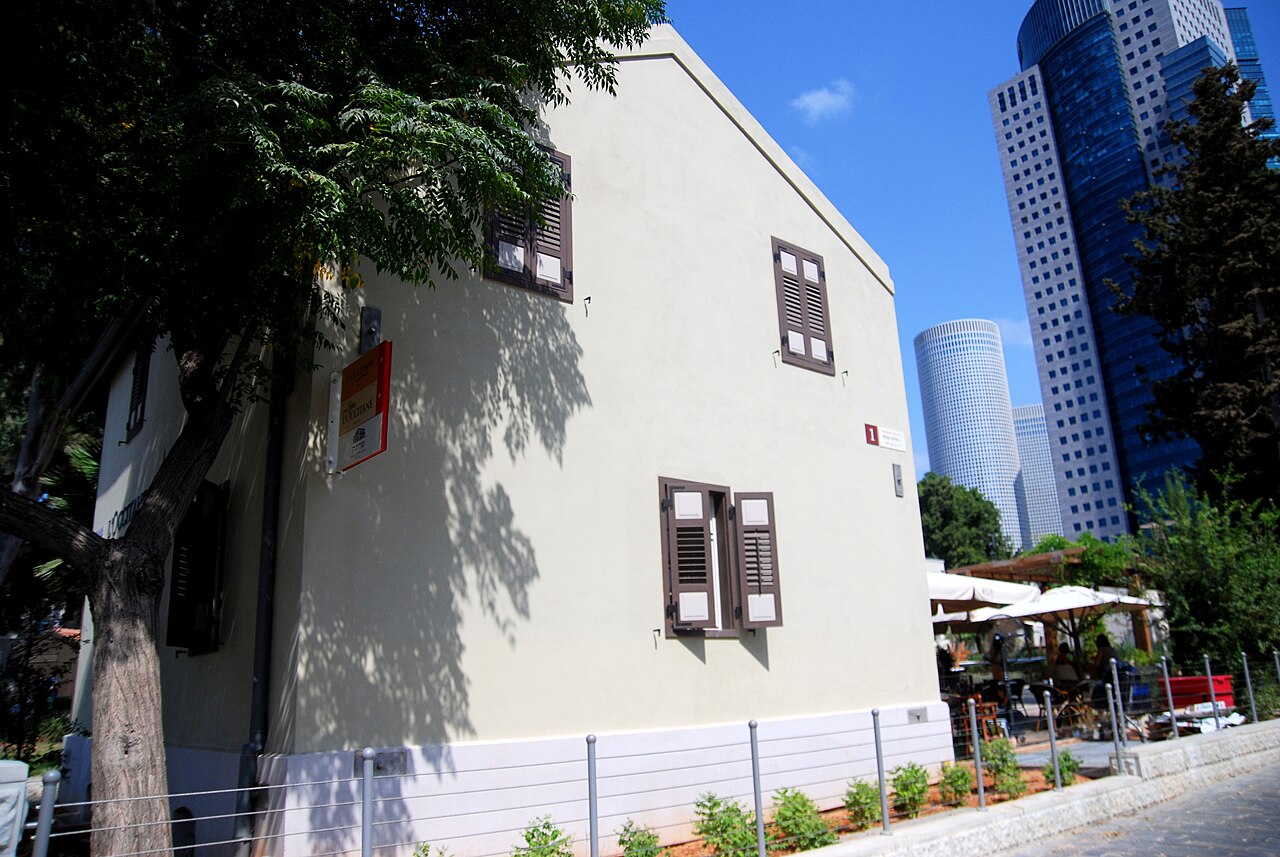
The restored Templar architecture offers strong photographic subjects, particularly the juxtaposition of nineteenth-century European-derived buildings against contemporary Tel Aviv towers. Morning and late afternoon light enhance texture on stone and plaster facades. The central open spaces permit unobstructed wide compositions. Interior photography of restaurants and shops requires individual establishment permission. The market hall presents documentary opportunities though vendor sensitivities to close photography of goods should be respected. Night photography benefits from architectural illumination, though tripod use in crowded areas may obstruct pedestrian flow. Drone operation is subject to Israeli aviation regulations and urban restrictions; no specific site policy is recorded. Commercial photography may require advance coordination.
Checked 2026-08-26
Sarona preserves and restores structures from the historical Templar colony, though modifications for contemporary use mean it functions as a heritage interpretation rather than an unchanged historical site.
Yes, the open public spaces and architectural features are accessible without purchasing goods or services, though the commercial elements dominate the visitor experience.
The open spaces and pedestrian environment appear generally suitable, though specific children's facilities or programming are not recorded.
No information on regular guided tours is recorded; visitors typically explore independently.
Both are restored historical sites with commercial functions in central Tel Aviv-Yafo, though they are distinct destinations with separate histories and locations.
The market operates as a contemporary food hall with specialty vendors rather than a traditional produce or commodity market.
Loading the interactive map…
The interactive map could not be loaded.

Last updated:
Source: OpenStreetMap contributors, Wikidata ·