


7 min walk
Tanah Abang Market
- Must see
- Market
Language · 11 published
Museum · Jakarta
Museum Tekstil
| Monday | Closed |
|---|---|
| Tuesday | 09:00 – 15:00 |
| Wednesday | 09:00 – 15:00 |
| Thursday | 09:00 – 15:00 |
| Friday | 09:00 – 15:00 |
| Saturday | 09:00 – 15:00 |
| Sunday | 09:00 – 15:00 |
Parsed from OpenStreetMap opening hours on 2026-08-26.
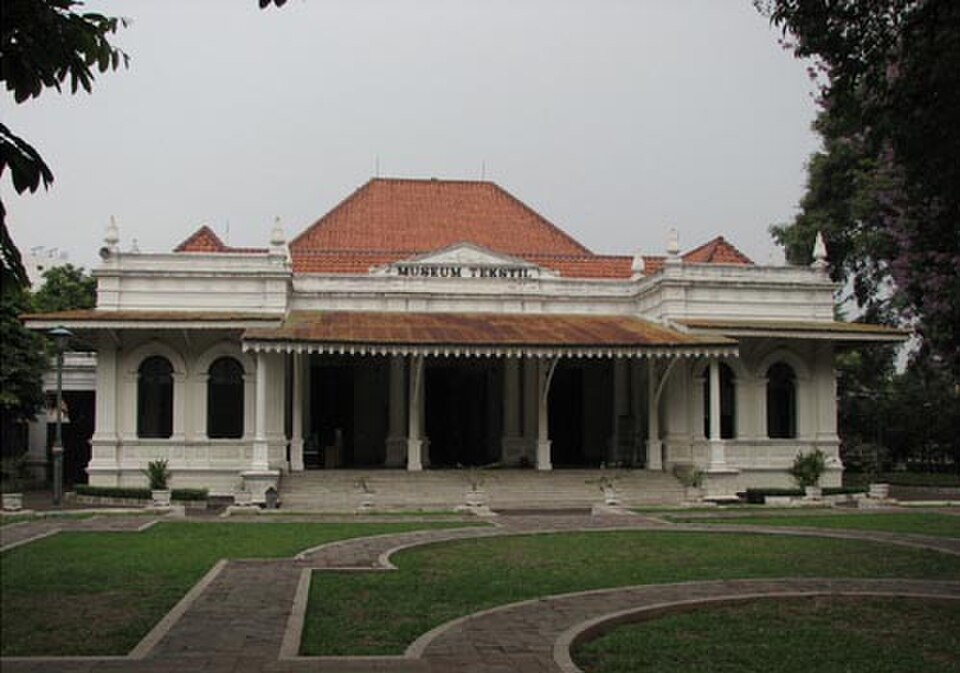
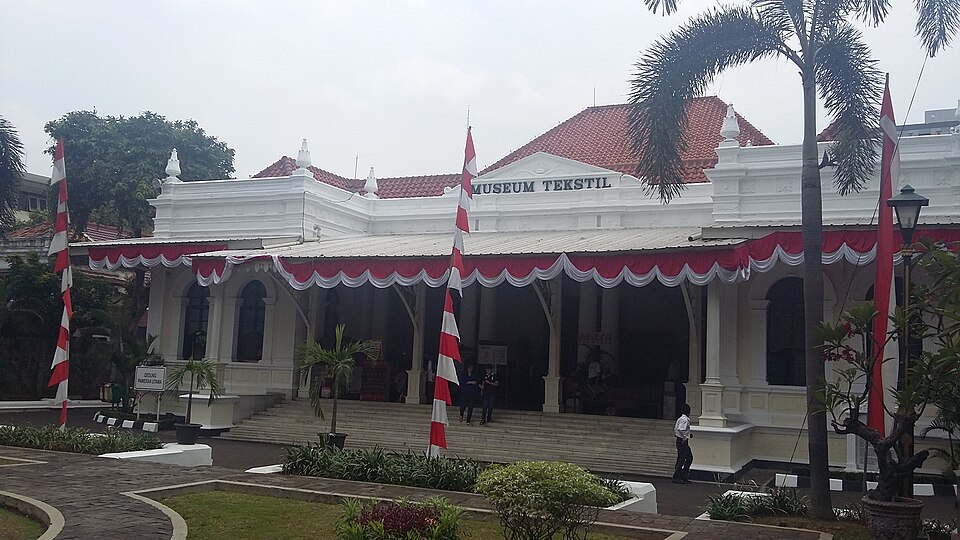
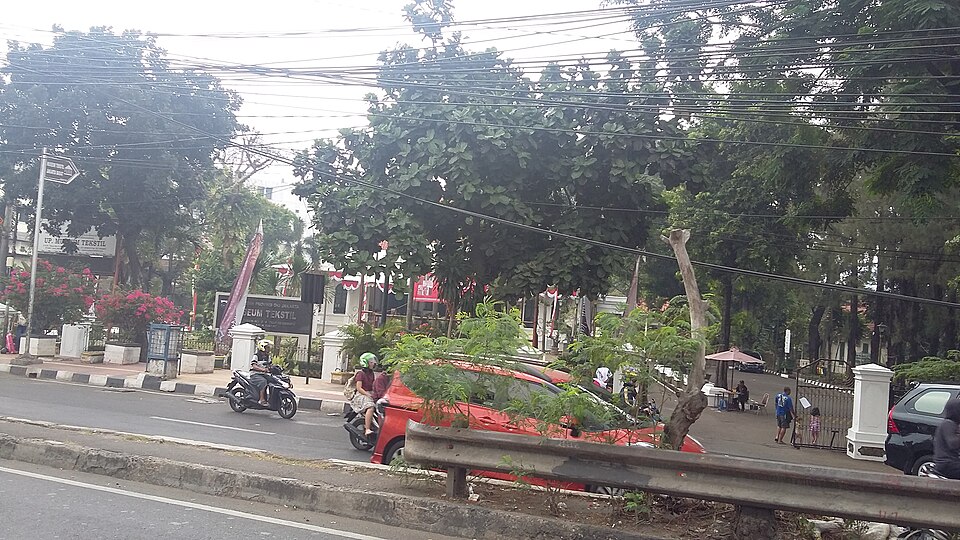
The Museum Tekstil in Jakarta is a museum dedicated to Indonesia's rich textile heritage. It occupies a historic colonial-era building that once served as a private residence. The institution preserves and displays traditional Indonesian fabrics and weaving techniques that hold cultural significance across the archipelago's diverse ethnic communities. The museum functions as both a exhibition space and an educational centre for textile arts. Its collection represents craftsmanship from various regions of Indonesia, reflecting the country's status as one of the world's most important centres of traditional textile production.
Checked 2026-08-26
The museum houses collections of traditional Indonesian textiles including batik, ikat, songket, and other woven fabrics. Exhibits typically showcase regional variations from Java, Sumatra, Sulawesi, Kalimantan, Bali, and eastern Indonesian islands. Display pieces may include ceremonial cloths, everyday garments, and antique samples demonstrating historical techniques. The museum also contains tools and equipment used in textile production such as looms and dyeing apparatus. Educational materials explain weaving processes, natural dye sources, and the cultural meanings embedded in patterns and motifs across different Indonesian ethnic traditions.
Checked 2026-08-26

Visitors should allocate approximately one to two hours for a meaningful visit to Museum Tekstil. This duration allows adequate time to examine the textile displays, read accompanying explanatory materials, and appreciate the craftsmanship of individual pieces. Those with particular interest in textile arts, fashion history, or Indonesian cultural heritage may wish to extend their stay. The compact nature of the museum building means the collection can be viewed thoroughly without excessive time commitment. Visitors combining this destination with other nearby attractions in central Jakarta should factor in travel time between locations.
Checked 2026-08-26
Operator-confirmed opening hours are Not recorded pending review. Visitors should verify current operating times directly with the museum or through official tourism channels before planning their visit. Jakarta's tropical climate means indoor attractions offer welcome relief from heat and humidity year-round. Morning visits may provide quieter conditions for examining detailed textile work. Weekdays potentially attract fewer visitors than weekends when local families and groups may attend. The museum's indoor setting makes it suitable regardless of seasonal weather variations including the wet season from November to March and drier months from June to September.
Checked 2026-08-26
Operator-confirmed admission prices are Not recorded pending review. Visitors should confirm current ticketing information directly with the museum before arrival. Some Indonesian museums offer differential pricing between domestic and international visitors. Additional fees may apply for photography permits, guided tours, or special exhibitions if these services are available. Carrying sufficient cash in Indonesian Rupiah is advisable as smaller cultural institutions may not accept card payments. Visitors should retain their ticket for any re-entry verification if the museum layout permits temporary exit and return during a single visit.
Checked 2026-08-26
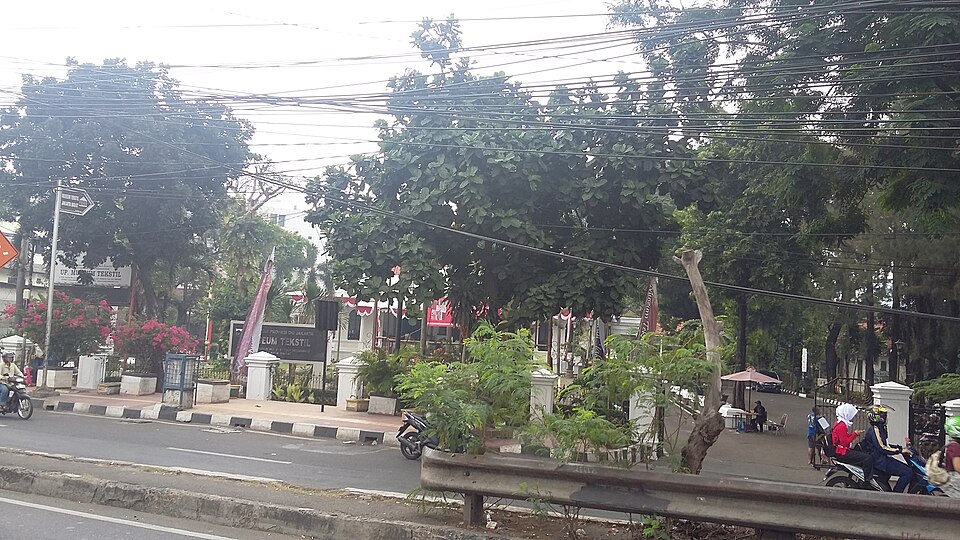
Museum Tekstil occupies a location in central Jakarta accessible by various transport modes. The museum sits in the Tanah Abang district, an area known for its extensive textile markets. Visitors can reach the vicinity using Jakarta's TransJakarta bus rapid transit system with subsequent walking required. Ride-hailing applications operating in Jakarta including Gojek and Grab provide convenient door-to-door service. Taxis remain widely available though traffic congestion throughout Jakarta significantly affects journey times. Visitors should allow generous time margins when travelling by road, particularly during peak commuting periods when central Jakarta experiences severe traffic bottlenecks.
Checked 2026-08-26
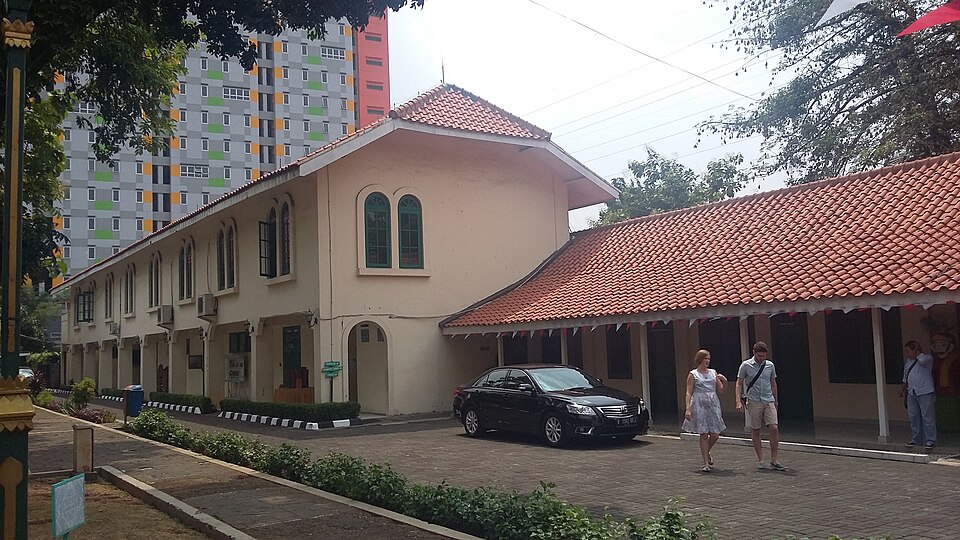
The historic building may present accessibility challenges including stairs without lifts and uneven flooring surfaces typical of colonial-era construction. Climate control in older buildings may be limited, so visitors should dress for comfort in Jakarta's humid conditions. Display lighting may be subdued to protect delicate textile fibres from light damage, affecting visibility of fine details. Visitors should maintain appropriate distance from exhibited fabrics and refrain from touching. Photography restrictions may apply to certain pieces or areas. The surrounding Tanah Abang area experiences extremely dense pedestrian and vehicle traffic requiring awareness of personal belongings.
Checked 2026-08-26
Photography policies at Museum Tekstil are Not recorded pending review. Visitors should observe posted signage regarding camera use and seek staff clarification upon entry. Many museums permit non-flash photography of permanent collections while prohibiting it for loaned or delicate items. Flash photography is generally harmful to organic materials including textiles and should be avoided regardless of policy. Tripods and professional equipment typically require advance permission. Visitors should respect any restrictions on images intended for commercial publication or social media distribution. When permitted, photography offers valuable documentation of intricate textile patterns difficult to appreciate fully during brief visits.
Checked 2026-08-26
Children with interest in colours, patterns, and crafts may engage with textile displays. The compact size prevents overwhelming younger visitors. Parents should supervise closely given the historic building's potential hazards and the need to protect exhibited fabrics from contact.
Availability of guided tours in English or Indonesian is Not recorded pending review. Visitors should inquire directly with the museum. Self-guided exploration remains possible using any provided informational materials or display labels.
Availability of a gift shop or retail outlet for textile-related items is Not recorded pending review. The surrounding Tanah Abang district offers extensive textile shopping opportunities independently of the museum.
On-site dining or café facilities are Not recorded pending review. The central Jakarta location provides numerous food options in surrounding streets and nearby commercial areas. Visitors should plan accordingly.
Museum Tekstil offers specialised focus on textiles versus the National Museum's broader Indonesian cultural and historical collections. Specialists in textile arts may prefer this dedicated institution. General visitors might visit both for complementary perspectives on Indonesian heritage.
The museum occupies a colonial-era building originally constructed as a private residence. This architectural heritage adds contextual value to visits, representing the physical environment of Indonesia's colonial period alongside the cultural artefacts displayed within.
Loading the interactive map…
The interactive map could not be loaded.

Last updated:
Source: OpenStreetMap contributors, Wikidata ·