
10 min walk
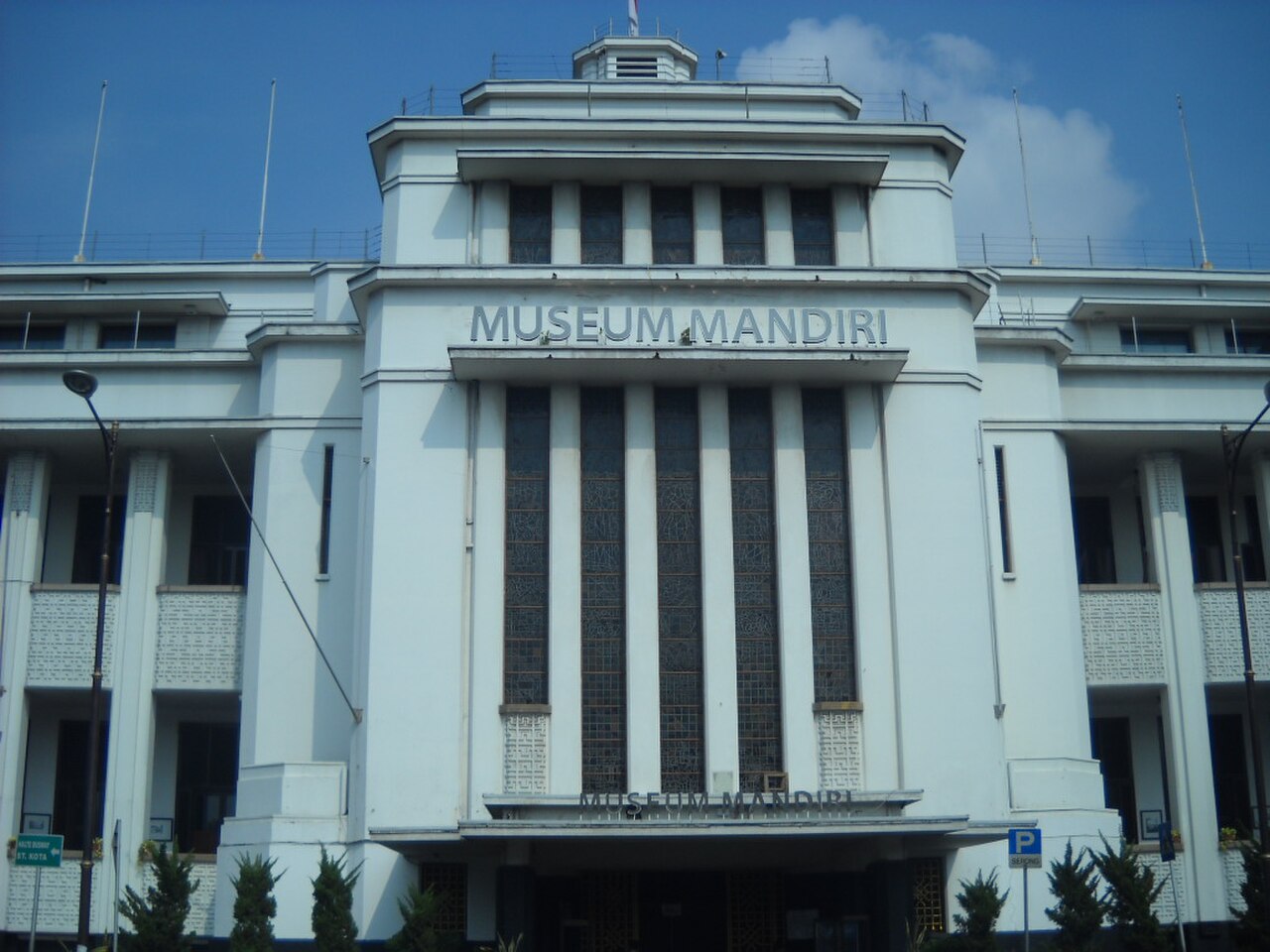
Bank Mandiri Museum
- Must see
- Museum
Language · 11 published
Historic monument · Jakarta
| Monday | 00:00 – 23:59 |
|---|---|
| Tuesday | 00:00 – 23:59 |
| Wednesday | 00:00 – 23:59 |
| Thursday | 00:00 – 23:59 |
| Friday | 00:00 – 23:59 |
| Saturday | 00:00 – 23:59 |
| Sunday | 00:00 – 23:59 |
Checked 2026-08-31 · Source
Read from the OpenStreetMap access tags; anything not listed has no tag recorded.
Set the group type to family in the planner and the day window contracts to about three quarters of a solo day.
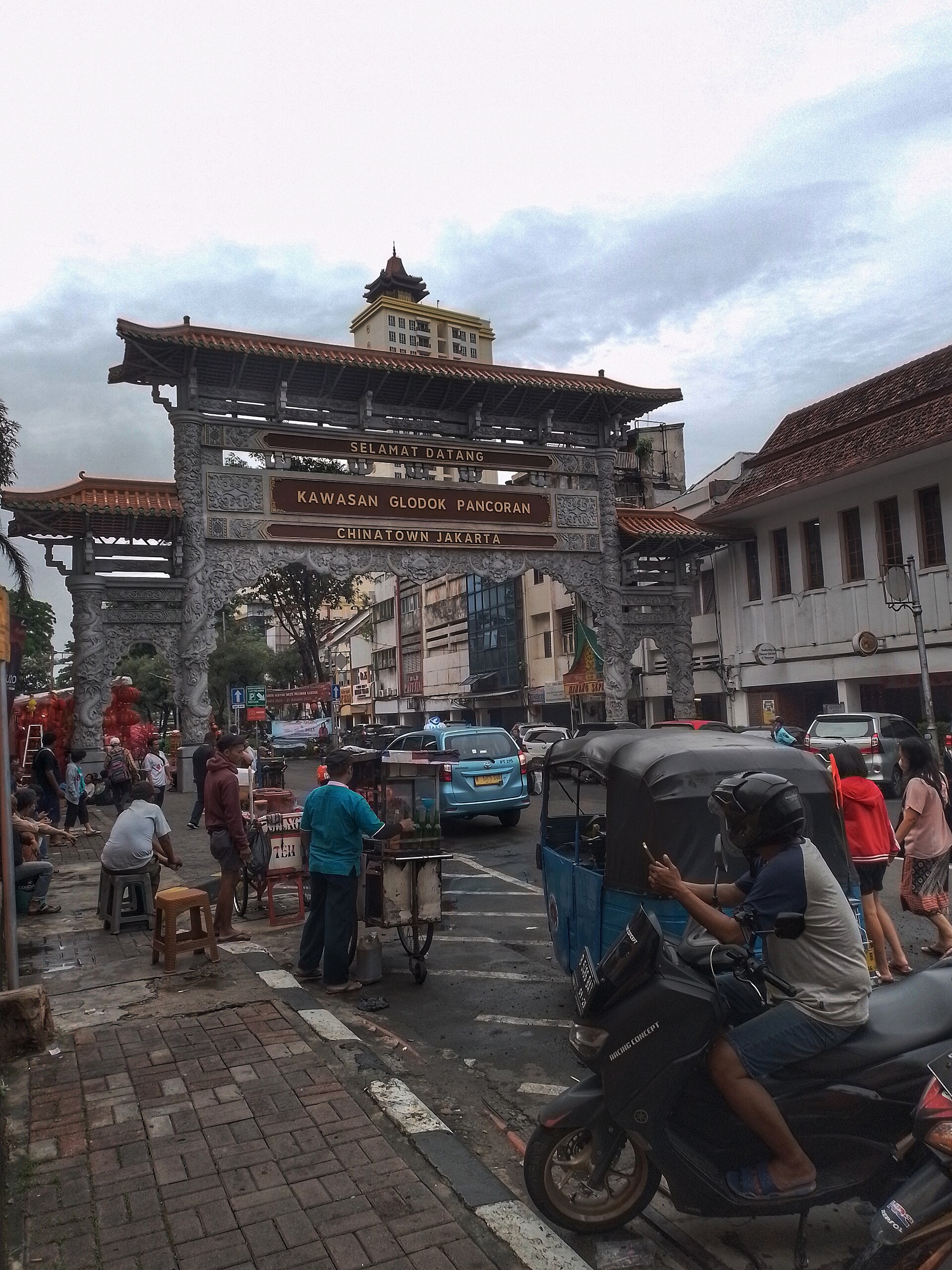
Glodok is Jakarta's historic Chinatown and a living commercial and religious district within the old Batavia area. Chinese-Indonesian communities have shaped its markets, temples, food culture and trading streets over centuries. The neighbourhood is not a gated attraction: Pancoran, Petak Sembilan, markets, alleys and worship sites remain part of everyday urban life. Public streets are free and open continuously, while each temple, market, restaurant and shop keeps its own hours. The main route is broadly walkable but crowded pavements, drains, kerbs and old thresholds make step-free access partial. The current visitor schedule is specific: Public streets are accessible 24 hours daily. Traditional markets, temples and shops are most active roughly 08:00-17:00, while restaurants often remain open later. The admission position is equally concrete: Walking the district is free; temples accept voluntary donations and purchases or tours cost separately. For access planning, Main roads have pavements and curb cuts, but market crowds, narrow alleys, drains, steps and uneven surfaces interrupt continuous wheelchair access. The named arrival route is: TransJakarta Glodok stop is on Jalan Gajah Mada; Jakarta Kota KAI station is about a ten-minute walk north. Yes. No. Morning through late afternoon. No. Generally no; donations are voluntary. Glodok on TransJakarta. Its living character is essential.
Checked 2026-08-31 · Source
A practical Glodok walk links Pancoran's gateway and shops with Petak Sembilan market lanes, Chinese temples, traditional medicine, food businesses and surviving shophouse architecture. Electronics trading remains prominent in parts of the district, while temples and halal/non-halal food traditions reveal the neighbourhood's cultural complexity. The public street itself provides no unified visitor centre, toilet network or ticket. Individual interiors belong to active religious or commercial operators and may use steps, narrow doors or separate conduct rules. Jakarta Kota and Kota Tua can extend the route westward.
Checked 2026-08-31 · Source
Allow two to three hours for a compact Glodok walk, including Pancoran, a market lane, one permitted temple visit and a food stop. Add more time for Kota Tua or a guided history walk. Early morning commerce and temple activity differ from the later restaurant and shopping atmosphere, so duration depends on purpose rather than a formal circuit. Dense crowds and narrow pavements slow wheelchair and pushchair movement. The district is open continuously, but an all-night street status does not mean temples or markets are open at every hour.
Checked 2026-08-31 · Source
Public streets are accessible 24 hours daily. Traditional markets, temples and shops are most active roughly 08:00-17:00, while restaurants often remain open later. Arrive early enough for security and the main route before final admission. Weekends, school holidays, ceremonies and special events increase crowds or alter individual areas. Jakarta heat, humidity and rain affect outdoor parks, squares and zoo paths, while indoor museums remain more controlled. The dated operator notice always overrides the normal weekly pattern.
Checked 2026-08-31 · Source
Walking the district is free; temples accept voluntary donations and purchases or tours cost separately. Use the official operator and retain the ticket or timed confirmation. General entry does not include separately priced museums, rides, animal zones, workshops, parking, rentals or food unless stated. Free access can still require registration or security. Concessions and foreign-visitor prices require the identity document named by the venue.
Checked 2026-08-31 · Source
TransJakarta Glodok stop is on Jalan Gajah Mada; Jakarta Kota KAI station is about a ten-minute walk north. Allow a traffic buffer and use the full Indonesian venue name in ride-hailing apps. Kota Tua, central civic parks and large recreation complexes contain several entrances, so navigate to the named gate. Public transport avoids parking constraints, while pedestrian crossings, heat and rain can lengthen the final walk.
Checked 2026-08-31 · Source
Main roads have pavements and curb cuts, but market crowds, narrow alleys, drains, steps and uneven surfaces interrupt continuous wheelchair access. Follow the designated accessible route and staff instructions. Historic thresholds, zoo terrain, traffic islands, event perimeters and temporary installations can narrow access. Keep bags compact, retain tickets and identification, respect ceremonies and leave lifts, ramps, paths and emergency routes clear for other visitors.
Checked 2026-08-31 · Source
Glodok's gateway, lanterns, shophouses, market lanes and temple exteriors create a strong street sequence. Ask before photographing vendors, worshippers, food preparation or any temple interior. Keep the main route clear and use handheld equipment; tripods and staged portraits obstruct already narrow pavements. Flash is inappropriate around worship and old painted surfaces. Commercial photography, drones and controlled interiors require permission from the relevant owner and authorities. Early morning gives active market scenes, while later light emphasizes the façades and lanterns.
Checked 2026-08-31 · Source
Yes.
No.
Morning through late afternoon.
No.
Generally no; donations are voluntary.
Glodok on TransJakarta.
Loading the interactive map…
The interactive map could not be loaded.

Last updated:
Source: OpenStreetMap contributors ·