
15 min walk
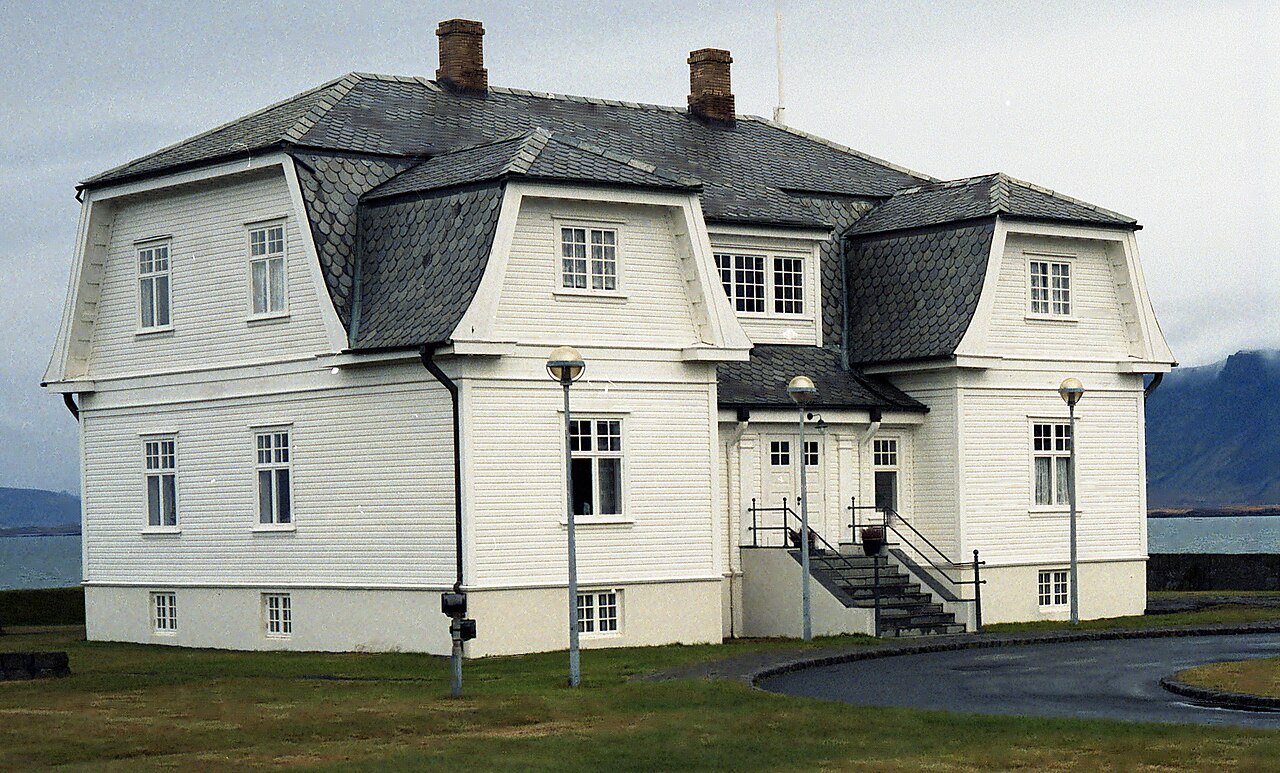
Höfði
- Must see
- Museum
Language · 11 published
Museum · Reykjavik
Listasafn Sigurjóns Ólafssonar

Read from the OpenStreetMap access tags; anything not listed has no tag recorded.
Set the group type to family in the planner and the day window contracts to about three quarters of a solo day.
Sigurjon Olafsson Museum presents the work of Icelandic sculptor Sigurjon Olafsson in his former studio and residence. The setting connects the collection with the place where the artist lived and worked, giving the visit an intimate scale. It functions both as an art museum and as a preserved creative environment. Visitors interested in Icelandic modern sculpture can see the artist’s legacy in a setting that retains the relationship between domestic life, studio practice, and finished works. The Sigurjon Olafsson Museum is an art museum in Reykjavik dedicated to the work of Icelandic sculptor Sigurjon Olafsson. The museum is housed in the artist's former studio and residence, preserving both his creative environment and his sculptural legacy. Olafsson was a significant figure in twentieth-century Icelandic art, and the collection comprises works spanning his career. The institution serves as both a memorial to the artist and a venue for exhibiting sculpture within its original context.
Checked 2026-08-26 · Source
The museum’s main focus is sculpture by Sigurjon Olafsson, with works in wood, stone, and metal representing different parts of his career. The former studio-residence is part of what visitors see, so the building contributes to the atmosphere rather than serving only as a neutral gallery container. The compact rooms encourage close viewing of individual pieces. Works on paper and related archival material may complement the sculpture displays within the artist-centred presentation. The museum contains sculptures by Sigurjon Olafsson in various materials including wood, stone, and metal. The collection reflects his artistic development and thematic interests across decades of practice. Visitors encounter works displayed within the intimate setting of the artist's own studio space, offering insight into how Olafsson lived and worked. The building itself forms part of the experience, with the domestic and creative spaces preserved to convey atmosphere.
Checked 2026-08-26 · Source
Set aside roughly 45 to 90 minutes for a focused visit. The museum is compact, but sculpture benefits from unhurried viewing: take time to notice material, scale, surface, and the way each work occupies the former studio environment. Visitors with a strong interest in Icelandic art may stay longer for reflection. Its size also makes it easy to combine with another Reykjavík activity, provided the surrounding travel time fits comfortably into your day.
Checked 2026-08-26 · Source
The museum works well as a weather-proof cultural stop during a Reykjavík day, especially when wind or rain makes outdoor sightseeing less appealing. Summer offers longer daylight around the building and easier movement between neighbourhood stops. Winter creates a quieter contrast between the intimate interior and the dark Icelandic afternoon. Because the museum occupies a former studio-residence, plan the visit around its established visiting schedule rather than treating it like an always-open public park.
Checked 2026-08-26 · Source
The visit is centred on museum entry to the preserved studio-residence and sculpture collection. Keep the stop flexible within a cultural itinerary: its focused scale suits a morning or afternoon museum sequence, while the former home and studio provide a more personal experience than a large conventional gallery.
Checked 2026-08-26 · Source
The museum is in Reykjavík and can be incorporated into the city’s pedestrian and public-transport network. Visitors can approach through local streets and bus connections serving the capital area, then continue on foot to the former studio-residence. The exact walking sequence depends on your starting point and the day’s other museums or neighbourhood stops. Icelandic weather can change the comfort of the final walk, so leave room for a sheltered layer.
Checked 2026-08-26 · Source
This is an intimate museum in a former studio and residence, so interior rooms may feel smaller and less spacious than a major gallery. Converted historic spaces can also include stairs or other access constraints. Move carefully around sculpture and allow other visitors room to view the works. Reykjavík wind and rain affect the journey outside. The close scale is part of the character, but visitors who prefer broad galleries should plan for a concentrated rather than expansive museum experience.
Checked 2026-08-26 · Source
The former studio-residence provides architectural and atmospheric subjects alongside the sculptures. Inside, photograph the relationship between works, rooms, and working environment only where the museum’s posted rules allow. Avoid flash around artworks and keep equipment from obstructing narrow viewing areas. Outside, the building can provide a quieter visual record of the artist’s setting. Details in wood, stone, and metal reward close framing, while wider compositions show how sculpture occupies the preserved interior.
Checked 2026-08-26 · Source
The museum is dedicated to Icelandic sculptor Sigurjon Olafsson and focuses on his sculpture.
It is housed in Sigurjon Olafsson’s former studio and residence in Reykjavík.
The collection includes sculptures made from wood, stone, and metal.
A focused visit generally fits into roughly 45 to 90 minutes.
No. It has an intimate scale because it occupies the artist’s former studio and residence.
The preserved studio-residence shows the sculptures in the setting connected to Olafsson’s life and creative work.
Loading the interactive map…
The interactive map could not be loaded.


Last updated:
Source: OpenStreetMap contributors, Wikidata ·