_enth%C3%BCllt._03.jpg)
5 min walk
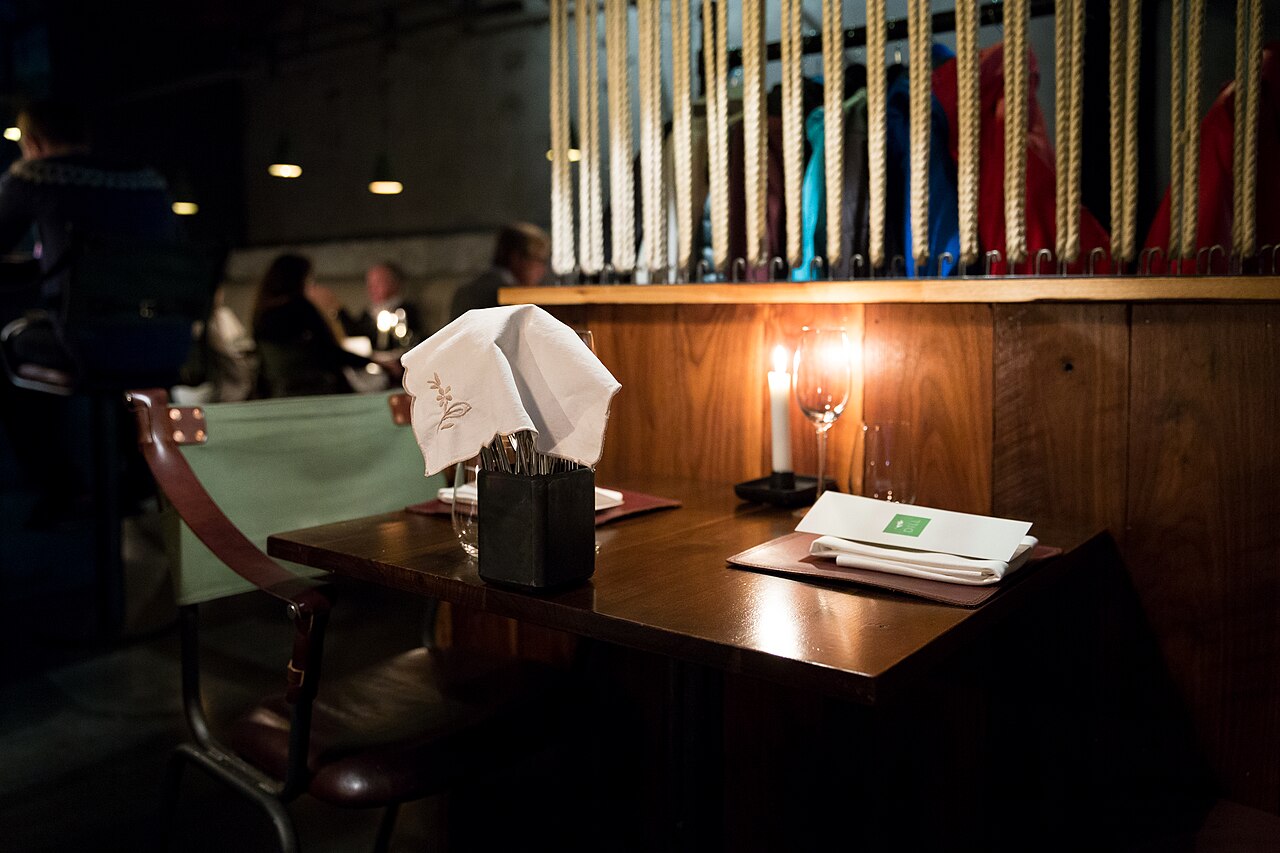
Dill
- Notable
- Restaurant or café
Language · 11 published
Art and culture venue · Reykjavik
Sólfar

| Monday | 00:00 – 23:59 |
|---|---|
| Tuesday | 00:00 – 23:59 |
| Wednesday | 00:00 – 23:59 |
| Thursday | 00:00 – 23:59 |
| Friday | 00:00 – 23:59 |
| Saturday | 00:00 – 23:59 |
| Sunday | 00:00 – 23:59 |
Checked 2026-08-31 · Source
Read from the OpenStreetMap access tags; anything not listed has no tag recorded.
Set the group type to family in the planner and the day window contracts to about three quarters of a solo day.
Sólfar, widely known in English as Sun Voyager, is a steel sculpture on Reykjavík’s waterfront, east of the Old Harbour. Jón Gunnar Árnason designed it as a dreamboat and an ode to the sun, giving the work a skeletal, ship-like outline that faces the sea. Its placement makes the sculpture inseparable from Faxaflói, the mountains and the changing northern light. Sólfar is an outdoor public artwork rather than an enclosed museum attraction, so the visit is about encountering the form in its setting: the promenade, the water, the skyline and the open horizon. The exact mapped identity for this guide is node/295480918.
Checked 2026-09-02 · Source
There is no interior gallery or room sequence inside Sólfar. The principal experience is the sculpture itself, viewed from the waterfront path and from slightly different angles as you move around it. Look through the curved ribs toward Faxaflói, then step back to read the whole vessel-like silhouette against the water and distant mountains. Harpa and the city sit to the west, while the shoreline opens the view eastward. The artwork, promenade and seascape work as one compact outdoor setting. Examine the structure closely first, then take time to notice how the gaps in the steel frame the landscape behind it.
Checked 2026-09-02 · Source
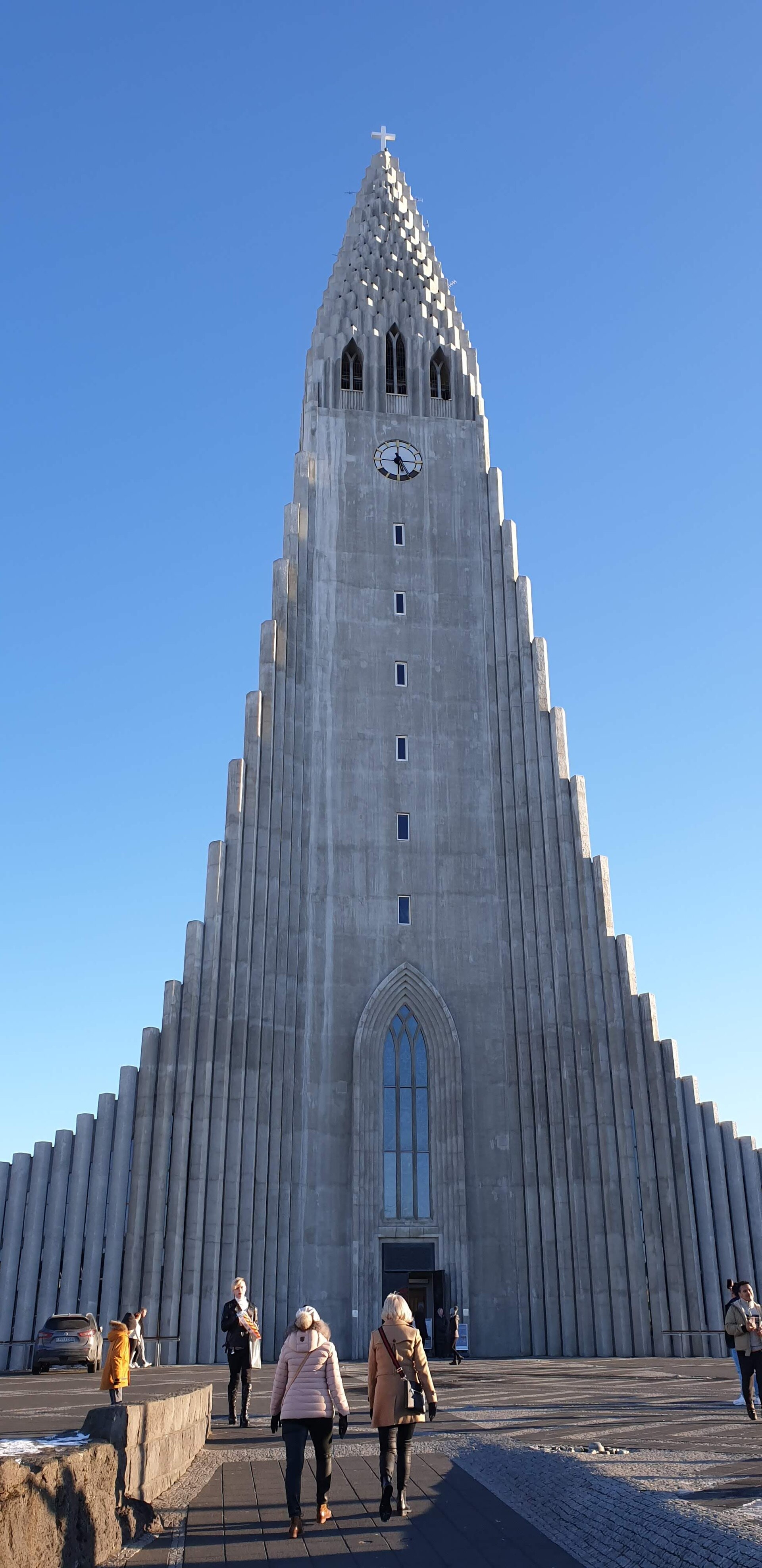
Most visitors can experience Sólfar in a short, flexible stop because there is no ticket line, interior route or timed exhibition to work through. Allow roughly 15 to 30 minutes for the sculpture, several viewpoints and photographs, then add whatever time you want for the waterfront walk. Wind, rain, snow and icy surfaces can slow the approach or make a longer pause uncomfortable. If you are combining the artwork with Harpa or a walk toward Hallgrímskirkja, keep the surrounding schedule loose rather than treating Sólfar as a fixed indoor visit. Visitors interested in composition may naturally stay longer while the light changes over the bay.
Checked 2026-09-02 · Source
Sólfar can be approached at any time under the recorded all-day schedule, and daylight conditions will shape the experience more than an indoor timetable. Early or late light can sharpen the sculpture’s outline and bring different colours to the bay, while overcast weather gives the steel a cooler, more subdued character. The waterfront is exposed, so forecast wind, precipitation, ice and available daylight matter when choosing a comfortable visit. In winter, allow extra care and time on the promenade; in brighter months, a shoreline walk can naturally extend the stop. The best moment depends on the view and weather you want, not on a scheduled performance or timed admission.
Checked 2026-09-02 · Source
Admission to Sólfar is free because the sculpture stands in Reykjavík’s public waterfront setting and has no paid entrance gate. You do not need a museum ticket or timed reservation for the artwork itself. That applies to visiting the sculpture and its immediate outdoor setting; any separately paid activity elsewhere on the waterfront remains a different purchase. Plan the stop as an open-air public-art visit rather than around ticket collection or an admission window. Free access does not mean the nearby attractions are free, so keep Harpa, museums or other planned stops separate when budgeting for the day.
Checked 2026-09-02 · Source
Sólfar is on the Reykjavík waterfront east of the Old Harbour and is straightforward to pair with central sights. Walk along the shoreline from Harpa, or continue inland afterwards toward Hallgrímskirkja; these links make the sculpture a useful stop between other central visits. Reykjavík’s core is walkable, but outer parts of the city may require Strætó or another planned transfer. Check the current route, stop location and return connection before leaving. Wind, rain, ice and limited daylight can make an exposed walk slower than its map distance suggests. Leave enough margin for clothing, photographs and a slower return if conditions deteriorate.
Checked 2026-09-02 · Source
The main practical issue is exposure: the waterfront can be windy, wet, cold or slippery, and spray or poor weather may shorten the time you want to spend beside the sculpture. Wear shoes with dependable grip and leave room for slower movement in winter conditions. Share the promenade with walkers and cyclists, keep clear of the path, and follow any temporary signs or barriers. The public setting does not remove ordinary coastal hazards, so supervise children near the shoreline and protect phones or cameras from sudden weather. A step-free approach is recorded, but surface conditions can still affect how comfortable the route feels for wheels or pushchairs.
Checked 2026-09-02 · Source
Sólfar is especially rewarding to photograph from more than one position. A close view emphasises the repeating steel ribs and the way the sculpture frames the water; stepping back reveals the complete dreamboat silhouette against Faxaflói and the mountain horizon. Try the waterfront path for side views and changing perspective rather than taking only the standard frontal image. The relationship between the sculpture and the skyline is part of the subject, so include enough surroundings to show why the location matters. Watch wind and rain when handling equipment, keep the promenade passable for others, and avoid tripods or elaborate setups that obstruct movement in this busy public space.
Checked 2026-09-02 · Source
Sólfar, or Sun Voyager, is a steel waterfront sculpture by Jón Gunnar Árnason. Its dreamboat form faces the sea, with Reykjavík, Faxaflói and the mountain horizon forming the setting around the artwork.
Plan roughly 15 to 30 minutes for the sculpture, several viewpoints and photographs. Add more time if you want to continue along the waterfront or pause for the bay and mountain views.
The recorded schedule is 00:00–23:59 every day, so the outdoor artwork can be approached throughout the day. Weather, temporary barriers or shoreline conditions may still affect comfort and movement.
No. Recorded admission is free per person, and there is no paid entrance gate for the sculpture in its public waterfront setting. Other nearby attractions or activities may charge separately.
Notice how the curved steel ribs create a ship-like silhouette while framing the sea. Walk a little around the sculpture to compare close structural details with the wider view toward Faxaflói and the mountains.
Combine it with Harpa and the Reykjavík waterfront path, then continue inland toward Hallgrímskirkja if your route allows. Keep weather and walking time in the plan because the shoreline is exposed.
Loading the interactive map…
The interactive map could not be loaded.

Last updated:
Source: OpenStreetMap contributors, Wikidata ·